
For households settling into Sanford, understanding how utility costs behave month-to-month is essential for building a realistic budget. Utilities cost in Sanford reflects the city’s extended cooling season, tiered water pricing, and the structural realities of Florida’s energy landscape—where air conditioning dominates summer exposure and heating remains a minor factor.
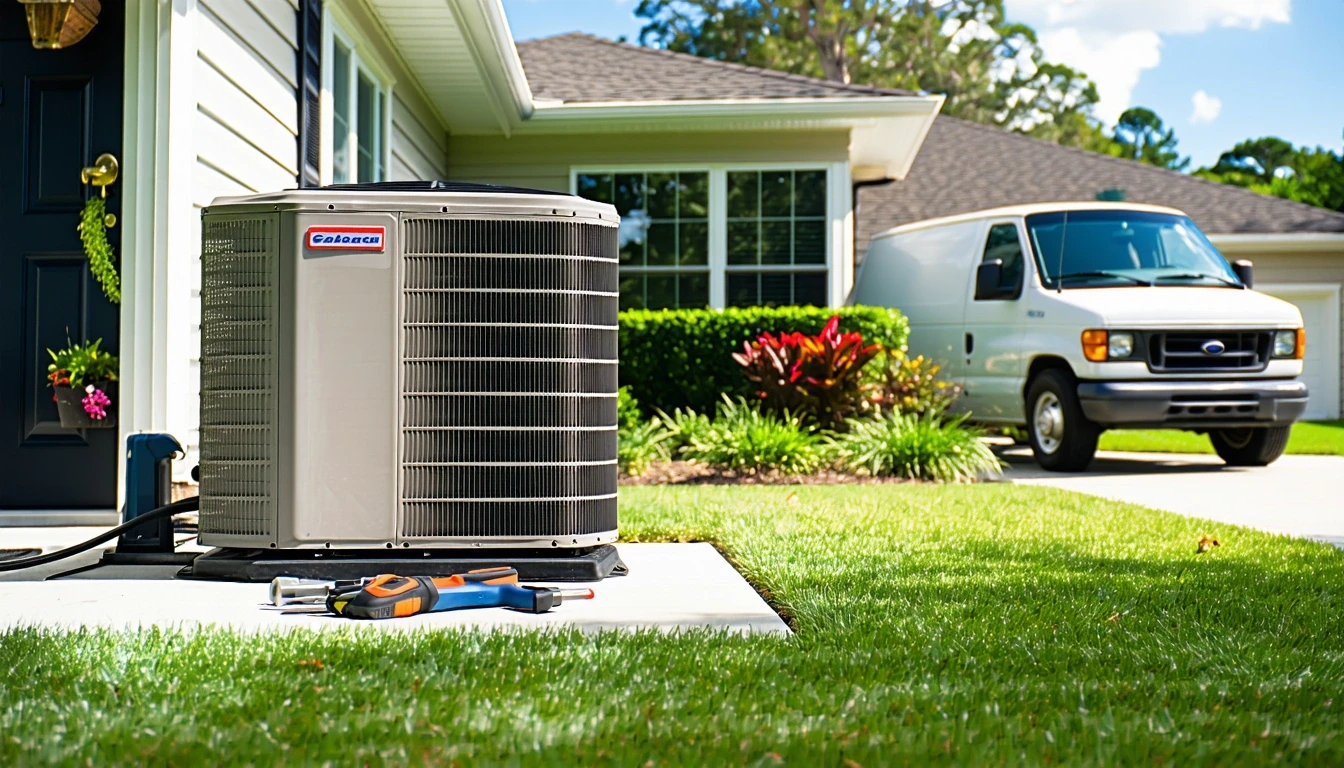
Understanding Utilities in Sanford
Utility expenses typically rank as the second-largest monthly cost for Sanford households after housing, yet they’re far more volatile. Unlike rent or a mortgage payment, utility bills shift with weather, usage habits, and household size. For newcomers, this variability can be surprising—especially during the first summer, when cooling costs spike sharply.
Most Sanford households manage four core utilities: electricity, water, natural gas, and trash/recycling. Electricity drives the majority of seasonal swings, particularly in single-family homes where central air conditioning runs continuously from May through September. Water costs follow tiered pricing structures that penalize heavy irrigation or large households. Natural gas, common in northern climates for heating, plays a minimal role in Central Florida; most homes rely on electric heat pumps or resistance heating during the brief winter months. Trash and recycling services are often bundled with water bills or included in HOA fees, depending on neighborhood and provider.
For renters, especially those moving from apartments where utilities were included, the transition to separate billing can feel abrupt. A two-bedroom apartment in Sanford might see combined utility costs that fluctuate by 40–60% between winter and summer, driven almost entirely by air conditioning. Single-family home renters and owners face even steeper swings, as larger square footage and older HVAC systems amplify exposure to Florida’s relentless summer heat.
Utilities at a Glance in Sanford
The table below shows how core utility costs typically behave for a mid-size household in a single-family home in Sanford. Where city-level prices are available in the data feed, they are shown directly. When exact figures are not provided, categories are described qualitatively to reflect how costs are structured and what drives variability.
| Utility | Cost Structure | Notes |
|---|---|---|
| Electricity | ~$158/month (illustrative, before fees/taxes) | Based on 1,000 kWh at 15.80¢/kWh; summer usage often exceeds this |
| Water | Tiered pricing; usage-dependent | Costs rise sharply with irrigation or large households |
| Natural Gas | Winter-driven; heating-dependent | Minimal in Florida; most homes use electric heat |
| Trash & Recycling | Bundled with water or HOA | Rarely billed separately in Sanford neighborhoods |
| Total | Seasonal variability driven by electricity and water | Structure-driven rather than fixed |
This table reflects utility cost structure for a mid-size household in a single-family home in Sanford during 2026. Where exact figures are not provided in the IndexYard data feed, categories are described directionally to reflect how costs behave rather than a receipt-accurate total.
Electricity is typically the most exposure-sensitive utility in Sanford, driven more by climate and home efficiency than by base rates. At 15.80¢ per kilowatt-hour, the rate itself sits near the state average, but consumption during peak summer months often doubles or triples compared to spring. Homes with older HVAC systems, poor insulation, or west-facing windows experience the steepest bills. Even well-maintained systems struggle against Florida’s combination of heat and humidity, which forces air conditioners to run longer cycles to manage indoor comfort.
Water costs in Sanford follow tiered pricing structures that reward conservation and penalize heavy use. Base rates cover essential indoor consumption—showers, dishwashing, laundry—but outdoor irrigation, pool filling, and lawn watering push households into higher tiers quickly. Neighborhoods with mature landscaping or HOA lawn standards face persistent pressure to irrigate, especially during dry spring months. Unlike electricity, water bills don’t swing as dramatically with seasons, but they do reflect household size and outdoor maintenance habits.
Natural gas plays a marginal role in Sanford’s utility landscape. While the current price sits at $23.62 per thousand cubic feet, most homes don’t use gas for heating—electric heat pumps and resistance systems dominate. Gas may appear in homes with gas ranges, tankless water heaters, or pool heaters, but even then, monthly consumption remains low. Winter heating costs, a major driver in northern climates, barely register in Central Florida, where freezing nights are rare and brief.
Trash and recycling services are typically bundled with water bills or absorbed into HOA fees, making them less visible as a standalone cost. In neighborhoods without HOAs, providers may bill separately, but fees remain relatively stable month-to-month. Sanford’s waste management structure varies by provider and location, so new residents should confirm whether service is included in rent, HOA dues, or billed independently.
How Weather Impacts Utilities in Sanford
Sanford’s climate imposes a clear seasonal rhythm on utility costs, with summer acting as the dominant cost driver. From late May through September, extended cooling demands push electricity consumption to its annual peak. Triple-digit heat indices, combined with high humidity, force air conditioning systems to run nearly continuously. Even households that set thermostats to 78°F or higher see bills climb sharply, as the system works harder to remove moisture and maintain comfort. Older homes with single-pane windows, minimal attic insulation, or aging HVAC units experience the steepest exposure.
Winter in Sanford brings relief, but not elimination, of utility costs. Heating needs remain minimal—most homes require only occasional heat pump use during cold fronts, and even then, outdoor temperatures rarely drop below freezing. January and February bills typically fall to their annual lows, driven by moderate temperatures and reduced air conditioning runtime. Spring and fall offer brief windows of minimal HVAC use, though Florida’s humidity often keeps dehumidification running even when heating and cooling are off.
One regional quirk: Sanford’s proximity to lakes and water features can create localized humidity pockets that extend cooling season slightly compared to drier inland areas. Homes near Lake Monroe or the St. Johns River may notice air conditioners cycling more frequently in early morning and late evening hours, even when outdoor temperatures feel mild. This moisture-driven runtime adds incremental costs that aren’t always visible in temperature-based comparisons.
How to Save on Utilities in Sanford
Reducing utility costs in Sanford requires a combination of behavioral adjustments, efficiency upgrades, and strategic use of available programs. The most impactful changes target electricity, since cooling dominates annual spending. Simple shifts—raising the thermostat by two degrees, using ceiling fans to improve air circulation, closing blinds during peak sun hours—can reduce runtime and lower bills without sacrificing comfort. Homes with programmable or smart thermostats gain additional control by scheduling setbacks during work hours or overnight, when outdoor temperatures drop slightly.
Efficiency upgrades offer longer-term savings potential. Replacing aging HVAC systems with high-efficiency heat pumps, adding attic insulation, or sealing duct leaks all reduce the amount of energy required to maintain indoor temperatures. While upfront costs can be significant, many Florida utilities and state programs offer rebates for qualifying upgrades. Solar panel installations have grown more common in Sanford, particularly in newer subdivisions, as net metering policies allow homeowners to offset daytime consumption with rooftop generation.
- Enroll in budget billing or equalized payment plans to smooth seasonal swings into predictable monthly amounts
- Check whether your provider offers time-of-use rates that reward off-peak electricity consumption
- Install low-flow showerheads and faucet aerators to reduce water heating costs and tiered water charges
- Use drought-tolerant landscaping or drip irrigation to minimize outdoor water use
- Schedule HVAC maintenance annually to ensure systems run efficiently during peak summer months
- Replace incandescent bulbs with LEDs to reduce heat generation and lower cooling loads
🏆 Tip: Check if your provider in Sanford offers rebates for energy-efficient AC units or heating systems. Many Central Florida utilities maintain active incentive programs for HVAC upgrades, insulation improvements, and smart thermostat installations.
FAQs About Utility Costs in Sanford
Why are utility bills so high in Sanford during summer? Summer bills spike because air conditioning runs nearly continuously to manage Florida’s combination of heat and humidity. Homes with older HVAC systems, poor insulation, or significant sun exposure face the steepest increases, often seeing electricity costs double or triple compared to winter months.
Do HOAs in Sanford usually include trash or water in their fees? Many Sanford HOAs bundle trash and recycling into monthly dues, and some include water for common areas or landscaping. However, individual home water usage is typically billed separately. Renters and buyers should confirm what’s covered in HOA fees before assuming utilities are included.
How does seasonal weather affect monthly utility bills in Sanford? Seasonal weather drives the majority of utility cost variation in Sanford. Summer cooling dominates annual spending, while winter heating costs remain minimal. Spring and fall offer brief periods of lower bills, though humidity often keeps dehumidification systems running even when temperatures feel mild.
Do utility providers in Sanford offer budget billing or equalized payment plans? Yes, most electricity and water providers in the Sanford area offer budget billing programs that average annual costs into equal monthly payments. These plans help households avoid the shock of peak summer bills, though they don’t reduce total annual spending—they simply redistribute it across twelve months.
Are utilities in Sanford generally cheaper or more expensive than the state average? Sanford’s electricity rate of 15.80¢ per kilowatt-hour sits close to Florida’s state average, meaning the rate itself isn’t unusually high or low. However, total spending depends heavily on consumption, which is driven by home size, efficiency, and cooling habits. Households in older homes or those with high cooling demands may spend more than state averages despite similar rates.
How Utilities Fit Into the Cost Structure in Sanford
Utilities represent a significant and volatile component of monthly expenses in Sanford, second only to housing in most household budgets. Unlike rent or mortgage payments, which remain fixed, utility costs shift with weather, usage, and seasonal demand. This variability makes utilities a key driver of month-to-month budget pressure, particularly for households managing tight margins or adjusting to Florida’s climate for the first time.
Electricity dominates utility spending in Sanford, accounting for the majority of seasonal swings. Summer cooling costs create the steepest exposure, often doubling or tripling compared to winter months. Water costs follow tiered structures that reward conservation but penalize irrigation and large households. Natural gas remains a minor factor, and trash services are typically bundled or absorbed into HOA fees. Together, these utilities create a cost structure that’s more predictable in winter and more volatile in summer—a pattern that shapes how households allocate resources and plan for peak months.
Sanford’s urban form also influences how utilities fit into broader household finances. The city’s walkable pockets and mixed-use areas—where residential and commercial land use coexist—reduce reliance on long commutes and frequent driving. This pedestrian-friendly infrastructure, supported by a high pedestrian-to-road ratio and integrated green space access, means households can sometimes offset transportation costs by walking or biking for errands. When transportation expenses drop, budget flexibility increases, creating more room to absorb seasonal utility spikes without cutting into other categories. The presence of rail transit and moderate bike infrastructure further supports this dynamic, allowing some households to manage one-car or car-light lifestyles that free up resources for cooling costs, water bills, or efficiency upgrades.
For a complete view of how utilities interact with housing, transportation, and other expenses, explore where your money goes in Sanford. Understanding the full cost structure—not just utilities in isolation—helps households prioritize spending, identify savings opportunities, and build budgets that reflect Sanford’s seasonal rhythms and infrastructure advantages.
How this article was built: In addition to public economic data, this article incorporates location-based experiential signals derived from anonymized geographic patterns—such as access density, walkability, and land-use mix—to reflect how day-to-day living actually feels in Sanford, FL.
—