
The rent-versus-buy decision in Sanford hinges on more than the sticker price of a lease or a mortgage. It’s about understanding how housing costs behave over time in a city shaped by its role as an Orlando metro commuter hub, its historic core surrounded by newer subdivisions, and a climate that makes cooling bills a year-round reality. Sanford’s median home value sits at $241,400, while median gross rent runs $1,402 per month—figures that look accessible on paper but carry different long-term exposures depending on whether you’re signing a lease or closing on a house.
This article breaks down housing pressure in Sanford by examining what drives costs for renters and owners, how location within the city changes the equation, and which household types face the tightest fit between income and shelter expense. The goal is to clarify not just what housing costs today, but how those costs shift, stabilize, or escalate depending on the path you choose.
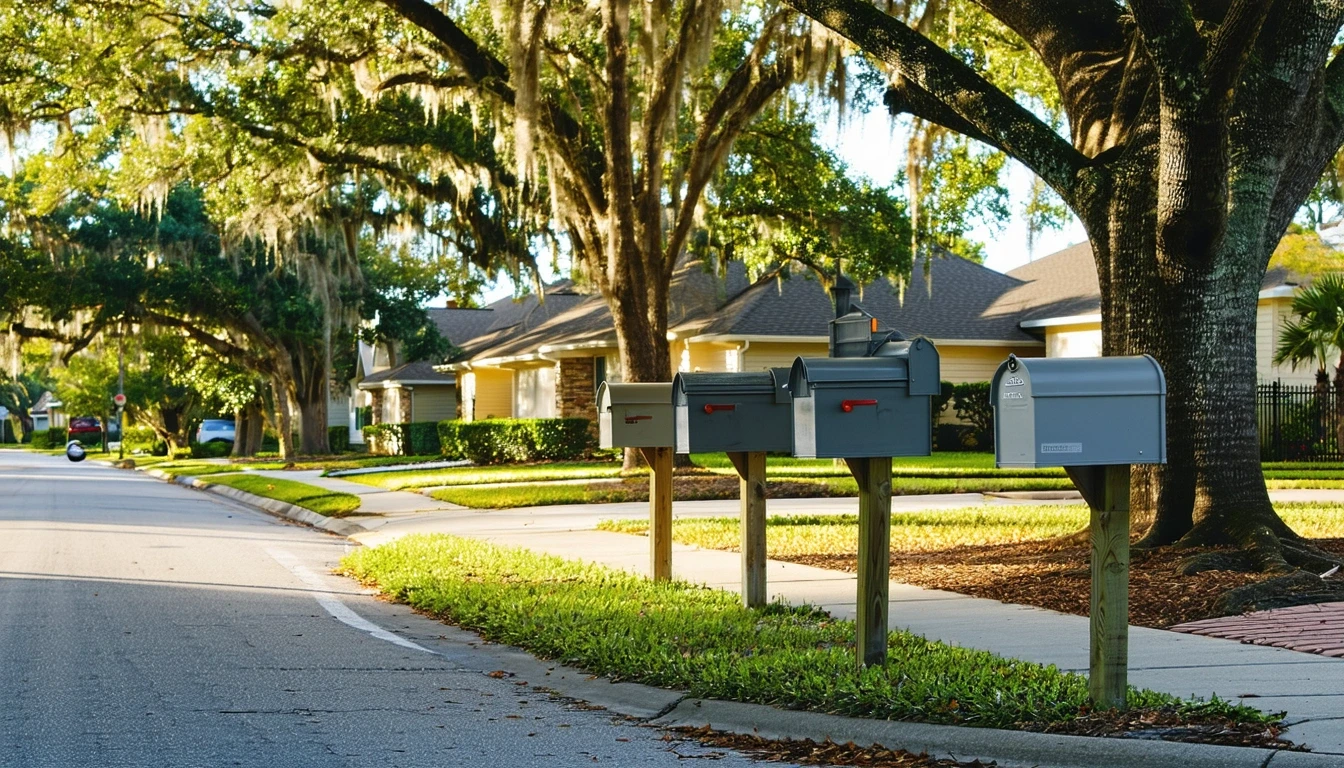
The Housing Market in Sanford Today
Sanford’s housing market reflects its dual identity: a historic downtown anchored by brick-lined streets and SunRail transit access, and sprawling suburban development radiating outward into single-family subdivisions. This split creates two distinct cost experiences. Homes near the downtown core and along the rail corridor command premiums for walkability and shorter commutes to Orlando, while properties farther out trade convenience for square footage and yard space.
The city’s position in the Orlando metro means it absorbs demand from workers priced out of closer-in suburbs, but it also competes with other Seminole County towns offering similar commuter access. That dynamic keeps home values and rents from spiking as aggressively as in Winter Park or Maitland, but it also means Sanford doesn’t offer the deep discounts newcomers sometimes expect from a “secondary” market. The result is a housing landscape where affordability is relative—not to rural Florida, but to the broader metro’s escalating baseline.
What newcomers often misunderstand is that Sanford’s lower entry costs come with tradeoffs in infrastructure age and maintenance exposure. Older housing stock in established neighborhoods means charm and character, but also aging HVAC systems, outdated insulation, and deferred upkeep that shifts from landlord to owner when you buy. Newer subdivisions solve some of those problems but introduce HOA governance, stricter design covenants, and less mature tree canopy—which matters when summer heat turns unshaded roofs into thermal liabilities.
Renting in Sanford
Rental availability in Sanford skews toward single-family homes and smaller multifamily properties rather than large apartment complexes. That structure limits competition among landlords and gives property owners more pricing power during lease renewals. Renters near the SunRail station or along commercial corridors in the historic district gain access to walkable errands and transit options, reducing the need for a second vehicle and lowering combined housing-plus-transportation costs. But those locations are limited, and most rental inventory sits in car-dependent subdivisions where daily errands require planning and driving.
The $1,402 median gross rent figure captures a market where older units in established neighborhoods rent below that line, while newer construction and renovated properties push well above it. Renters chasing lower monthly payments often end up in homes with higher cooling costs due to poor insulation or older AC units—a tradeoff that shows up in summer utility bills rather than the lease agreement. Conversely, newer rentals with efficient systems and modern weatherization cost more upfront but stabilize total monthly outflow.
Lease renewal volatility is the hidden cost renters face in Sanford. Because the city draws steady inbound demand from Orlando commuters, landlords can raise rents incrementally each year without losing tenants to cheaper alternatives nearby. That pressure doesn’t hit as hard as in downtown Orlando, but it’s persistent enough that long-term renters see their housing costs drift upward faster than their income growth, especially in a market where the median household income of $59,181 per year leaves limited cushion for annual increases.
Owning a Home in Sanford
Ownership in Sanford locks in the largest component of housing cost—the principal and interest portion of a mortgage—but exposes buyers to Florida’s property tax structure, insurance volatility, and maintenance demands driven by heat, humidity, and storm exposure. The $241,400 median home value translates to a purchase price that feels achievable compared to closer-in Orlando suburbs, but the income-to-value ratio is tight for households earning near the city’s median. That squeeze doesn’t prevent qualification, but it does mean less financial margin for the variable costs that follow.
Property taxes in Seminole County fluctuate based on assessed value and millage rates set annually by local taxing authorities. Homestead exemptions reduce the taxable base for primary residents, but the benefit phases in over time and doesn’t eliminate exposure to reassessments following market appreciation. Buyers entering during a rising market inherit a tax baseline that climbs as home values increase, even if their income doesn’t track the same trajectory.
Insurance costs in Florida carry unique pressure due to hurricane exposure and a state market where carriers have reduced coverage options and raised premiums. Sanford sits inland, which moderates wind risk compared to coastal cities, but windstorm coverage remains mandatory for most mortgages, and flood insurance applies in designated zones near Lake Monroe and the St. Johns River. These aren’t one-time closing costs—they’re recurring annual expenses that rise independently of the mortgage payment and can shift dramatically after major storm seasons.
Maintenance exposure in Sanford is dominated by HVAC longevity and roof durability. The long cooling season—spanning roughly April through October—puts continuous stress on air conditioning systems, shortening replacement cycles and increasing the likelihood of mid-ownership capital expenses. Roofs face similar pressure from UV exposure and afternoon thunderstorms, with asphalt shingle lifespans compressed compared to cooler, drier climates. Buyers purchasing older homes inherit these timelines; buyers in new construction delay them but don’t avoid them.
Apartment vs House in Sanford — Cost Behavior Comparison
| Expense Category | Apartment | House |
|---|---|---|
| Cooling Costs | Lower total usage due to shared walls and smaller square footage; less exposure to roof and exterior heat gain | Higher usage driven by standalone structure, larger conditioned space, and full roof exposure during long Florida summers |
| Exterior Maintenance | Managed by property owner; tenant insulated from roof, siding, and landscaping costs | Owner responsible for roof replacement cycles shortened by UV and storm exposure, plus irrigation and pest control for yards |
| Water & Sewer | Sometimes included in rent; when separate, usage lower due to no irrigation or pool demand | Always separate; irrigation for lawns in dry months and pool maintenance (if present) drive higher baseline usage |
| Parking & Storage | Limited or assigned; storage space constrained, often requiring off-site rental for overflow | Garage and driveway standard; storage integrated, reducing need for external units |
Why these categories differ in Sanford: The comparison above isolates cost behaviors shaped by Sanford’s climate (long cooling season, UV intensity, storm exposure) and housing stock (older single-family homes with yards vs. smaller multifamily units). Categories like base rent or mortgage aren’t included because they don’t reveal structural differences—they’re just price points. The table focuses on where the type of housing changes the cost experience, not the size of the payment.
Omitted categories—such as internet, trash collection, or HOA fees—either don’t vary meaningfully between apartments and houses in Sanford, or they depend on specific properties rather than housing type. The goal is to show where the decision between apartment and house introduces predictable cost divergence, not to list every possible expense.
Utilities & Upkeep Differences
Utility exposure in Sanford is dominated by cooling demand. The city’s humid subtropical climate keeps daytime highs in the upper 80s and low 90s from late spring through early fall, with humidity levels that make indoor comfort dependent on continuous air conditioning rather than natural ventilation. Apartments benefit from shared-wall insulation and smaller square footage, which reduces the cooling load per unit. Houses—especially older single-family homes with minimal attic insulation and single-pane windows—face substantially higher electricity consumption during peak months.
At 15.80¢/kWh, Sanford’s electricity rate sits above the national average, amplifying the cost difference between efficient and inefficient housing. Renters in older homes often discover this gap only after the first summer bill arrives; buyers can inspect insulation and HVAC age before closing, but upgrades require upfront capital that not all households budget for. The result is a split market: newer construction and recently renovated properties command premiums partly because they’ve already absorbed the cost of efficiency improvements, while older stock trades at a discount that gets recouped through higher operating costs.
Maintenance exposure follows a similar pattern. Sanford’s afternoon thunderstorms and high humidity accelerate wear on exterior paint, wooden fences, and any structure exposed to moisture. Houses with yards face additional costs for irrigation during dry spells, pest control for fire ants and termites, and tree trimming to prevent storm damage. Apartment renters avoid these entirely; house renters may share responsibility depending on lease terms; house owners carry the full burden. The distinction isn’t just about dollars—it’s about time, coordination, and the operational complexity of maintaining a standalone structure in a climate that doesn’t forgive deferred upkeep.
Rent vs Buy: Long-Term Exposure in Sanford
The rent-versus-buy decision in Sanford is less about monthly payment size and more about which risks you’re willing to manage. Renters face lease renewal volatility—the likelihood that rent increases each year, compounding over time without building equity. Buyers face ownership volatility—property tax reassessments, insurance premium swings, and large, irregular maintenance expenses like HVAC replacement or roof repair. Neither path is inherently cheaper; they just distribute financial exposure differently across time.
Renters maintain flexibility and avoid capital risk, but they absorb the full cost of a landlord’s own exposure to taxes, insurance, and maintenance through rent increases. In a market like Sanford, where inbound demand from Orlando keeps occupancy high, landlords can pass those costs through without losing tenants. That dynamic makes long-term renting progressively more expensive in real terms, especially for households whose income growth lags behind metro-wide rent escalation.
Buyers lock in the mortgage portion of their housing cost, which provides predictability for the largest single expense. But they inherit direct exposure to everything the landlord used to buffer: the property tax bill that rises with assessed value, the insurance premium that spikes after a bad hurricane season, the AC compressor that fails in July. These costs don’t follow a smooth monthly curve—they arrive in lumps, requiring either cash reserves or access to credit. Households without that cushion find ownership more stressful than renting, even if the long-term math favors buying.
The income-to-value ratio in Sanford—median home value of $241,400 against median household income of $59,181—means buyers are stretching to qualify, leaving less room for the variable costs that follow. That’s not a disqualifier, but it does mean ownership works best for households with stable income, emergency savings, and tolerance for managing irregular expenses. Renters who lack those buffers aren’t “losing” by renting—they’re avoiding a risk profile that doesn’t fit their financial position.
How Location Within Sanford Changes the Housing Equation
Where you live in Sanford determines more than your commute time—it shapes your daily cost structure. The city’s pedestrian-to-road ratio exceeds typical suburban thresholds in pockets near the historic downtown and along the SunRail corridor, meaning households in those zones can walk to errands, access transit, and reduce or eliminate second-car ownership. That’s a structural cost advantage that doesn’t show up in rent or mortgage comparisons but compounds over time through lower fuel, insurance, and maintenance expenses.
Outside those walkable pockets, Sanford functions like most car-dependent suburbs: daily errands require driving, transit isn’t viable, and households need at least one vehicle per working adult. That’s not a defect—it’s a tradeoff. Homes in those areas offer larger lots, more privacy, and lower per-square-foot costs, but they lock in higher transportation expenses that offset the housing savings. Buyers and renters evaluating where money goes need to account for both sides of the ledger, not just the rent or mortgage line.
Food and grocery access in Sanford clusters along commercial corridors rather than distributing evenly across neighborhoods. That means some households can walk or bike to a grocery store, while others face a multi-mile drive for the same errand. The difference isn’t convenience—it’s cost. Households that can consolidate errands on foot or by bike reduce fuel consumption, vehicle wear, and the time cost of driving. Those stuck in car-dependent zones pay for access every time they leave the house, even if the housing itself costs less.
Green space access in Sanford is strong, with park density exceeding regional thresholds and water features integrated into the residential fabric. That matters for families and outdoor-oriented households because it reduces the need to drive to recreation. Kids can bike to parks, adults can walk to trails, and weekend activities don’t require loading the car and burning fuel. The cost savings are indirect but real, and they accumulate over years of daily decisions.
FAQs About Housing Costs in Sanford
Is renting or buying cheaper in Sanford, FL?
Neither path is universally cheaper—they distribute costs differently. Renting avoids property taxes, insurance volatility, and maintenance lump sums, but exposes you to annual lease increases without equity accumulation. Buying locks in the mortgage payment but transfers all ownership costs—taxes, insurance, repairs—directly to you. The better choice depends on how long you plan to stay, whether you have reserves for irregular expenses, and your tolerance for financial variability.
How does Sanford’s climate affect housing costs?
Sanford’s long cooling season and high humidity drive up electricity usage for air conditioning and shorten the lifespan of HVAC systems and roofs. Renters feel this through higher summer utility bills in older, poorly insulated units. Owners face it as both operating cost (monthly electricity) and capital expense (earlier-than-expected replacement of AC units and roofing). Efficient housing costs more upfront but stabilizes these expenses over time.
What housing tradeoffs do Orlando commuters face in Sanford?
Commuters gain lower housing costs compared to closer-in Orlando suburbs, but they trade time and fuel for that savings. Households near SunRail can offset some of that burden with transit access, reducing car dependency. Those in outer subdivisions face longer drives and higher transportation costs, which can erase the housing discount. The tradeoff works best for remote workers or households with flexible schedules who don’t commute daily.
Are property taxes and insurance stable in Sanford?
No. Property taxes rise with assessed home values and millage rate changes set by local taxing authorities. Insurance premiums fluctuate based on statewide hurricane exposure and carrier availability, with costs rising independently of the mortgage. Buyers should expect both to increase over time, not remain fixed. Renters are insulated from direct payment but absorb these increases indirectly through rent adjustments.
Does buying a home in Sanford make sense for first-time buyers?
It can, but the fit depends on financial margin beyond the down payment. The median home value of $241,400 is accessible for households earning near the city’s median income of $59,181, but the income-to-value ratio is tight. First-time buyers need reserves for property taxes, insurance, and maintenance—especially HVAC and roof expenses that arrive irregularly. Without that cushion, renting offers more flexibility and less financial stress, even if it doesn’t build equity.
Making Housing Choices in Sanford
Housing costs in Sanford behave differently depending on whether you rent or buy, where you live within the city, and how long you plan to stay. Renters gain flexibility and avoid ownership volatility, but they face steady lease increases in a market shaped by Orlando commuter demand. Buyers lock in mortgage predictability but inherit direct exposure to property taxes, insurance swings, and climate-driven maintenance cycles that don’t follow a smooth curve.
The households that fit best in Sanford’s ownership market are those with stable income, emergency reserves, and tolerance for managing irregular expenses. Families seeking long-term stability, remote workers who don’t commute daily, and buyers near walkable pockets or transit access gain the most from ownership because they can offset housing costs with lower transportation expenses and build equity over time. Renters who prioritize flexibility, lack capital reserves, or plan to move within a few years aren’t “losing”—they’re avoiding a risk profile that doesn’t match their financial position.
The decision isn’t about which path costs less today—it’s about which cost structure you’re better equipped to manage over time. Sanford’s housing market rewards households who understand the difference between price and exposure, and who choose the path that aligns with their income stability, savings depth, and long-term plans.
How this article was built: In addition to public economic data, this article incorporates location-based experiential signals derived from anonymized geographic patterns—such as access density, walkability, and land-use mix—to reflect how day-to-day living actually feels in Sanford, FL.