
“We moved here for the parks and the quiet, and honestly? It delivered. But you’re definitely driving to most things.” That’s how one Oviedo resident framed the tradeoff — and it captures the emotional texture of this Orlando-area suburb better than any ranking could.
Oviedo sits in a space many families find appealing: enough green space to feel rooted, enough infrastructure to bike and walk in pockets, but still shaped by the rhythms of suburban car dependency. The question isn’t whether people are happy here — it’s whether the things that make Oviedo feel rewarding to some are the same things that leave others feeling restless.
What Defines the Oviedo Vibe
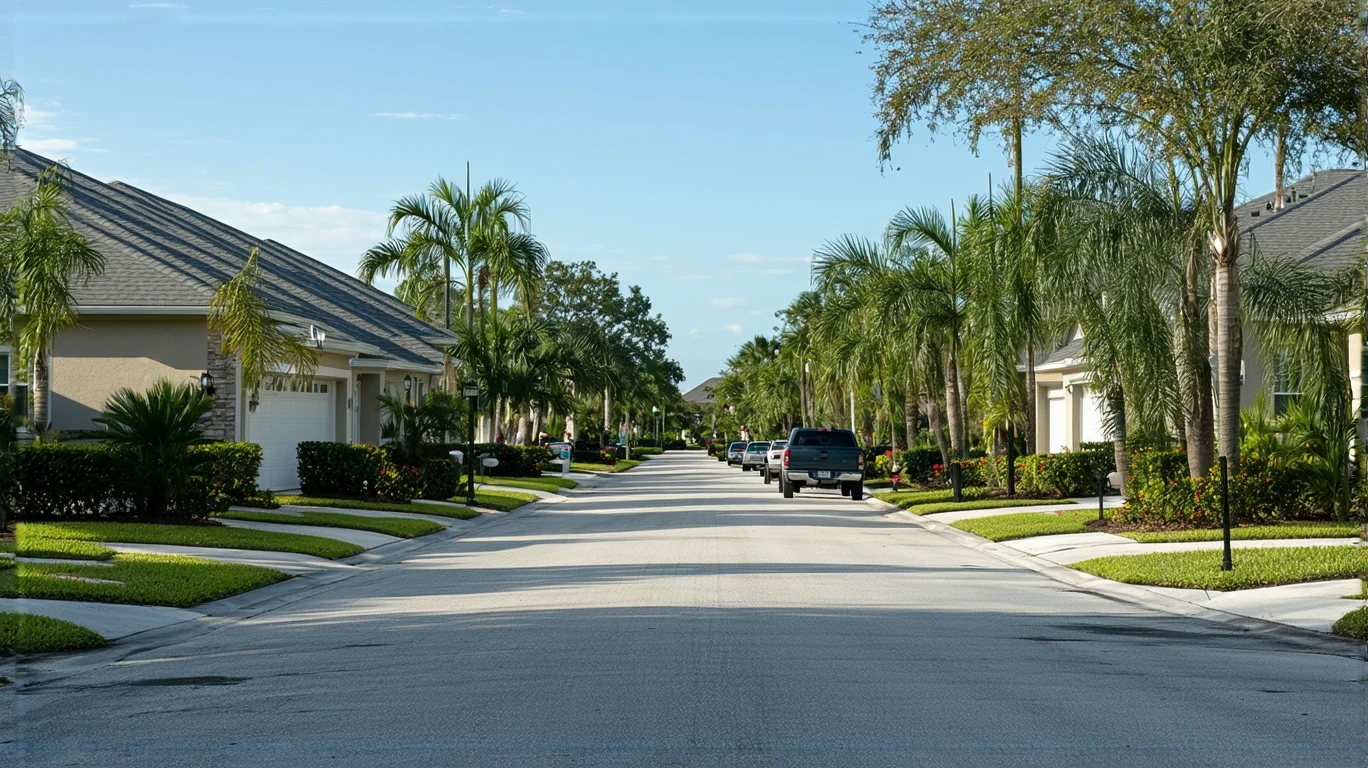
Oviedo’s emotional tone tends to center on comfort, access to nature, and a family-first identity. People who thrive here often describe it as a place where you can take your kids to multiple parks without planning, where bike lanes show up more than you’d expect in a suburban setting, and where the pace feels manageable rather than stagnant.
But that same structure creates friction for others. The walkability exists in pockets, not everywhere. Dining and entertainment options cluster along corridors, meaning spontaneity often requires a car. And while parks are plentiful, school density runs lower than some families anticipate, which can shape enrollment decisions and daily logistics.
The people who feel “this fits me” in Oviedo tend to be those who wanted suburban calm with better-than-average outdoor infrastructure. The people who feel friction tend to be those who expected more walkable variety, denser family amenities, or less reliance on driving for daily errands.
Conversations Across Social Platforms
Public discussion in Oviedo — across neighborhood Facebook groups, local Reddit threads, and community pages — reflects a recurring set of themes: pride in green space, frustration with traffic growth, and protectiveness over the town’s identity as development pressure increases.
You’ll see comments like: “The trail system here is honestly one of the best things about living in Oviedo. We use it multiple times a week.” That pride in outdoor access shows up consistently, especially among families and cyclists.
But you’ll also see: “It feels like every errand requires getting in the car, even when things are technically close.” That tension — between proximity and convenience — comes up often, particularly from people who moved from denser areas or expected more walkable retail.
And then there’s the growth conversation: “I love what Oviedo used to be, but I’m not sure I love what it’s becoming.” That protectiveness isn’t unique to Oviedo, but it’s a steady undercurrent in local sentiment, especially as new development reshapes corridors and introduces density that feels unfamiliar to long-time residents.
How Local Coverage Frames the City
Local news and community outlets tend to frame Oviedo through the lens of growth management, infrastructure adaptation, and identity preservation. The tone isn’t crisis-oriented, but it’s not celebratory either — it’s more about negotiation.
Recurring headline-style themes include:
- “Community Weighs New Development Against Suburban Character”
- “Trail Expansions and Park Improvements Draw Praise”
- “Traffic Concerns Grow as Population Rises”
- “Residents Debate What ‘Small-Town Feel’ Means Now”
- “Local Dining Scene Expands Along Key Corridors”
The framing reflects a town in transition — not abandoning its suburban roots, but adjusting to the reality that proximity to Orlando brings both opportunity and pressure. The emotional question underneath most coverage is: Can Oviedo grow without losing what made people move here in the first place?
What Review Platforms Reveal
On Google Reviews, Yelp, and Nextdoor-style platforms, Oviedo’s public perception splits along expectation lines. People who wanted a family-friendly suburb with strong park access tend to leave positive reviews. People who wanted walkable urban texture or diverse nightlife tend to express disappointment.
Praise often centers on: “Great parks, safe neighborhoods, good for raising kids.” The outdoor infrastructure — trails, playgrounds, green space — consistently exceeds expectations for people who prioritized that in their move.
Complaints tend to focus on: “Everything’s spread out, and dining options feel limited unless you’re willing to drive.” The corridor-clustered retail pattern means convenience varies significantly depending on where you live and what you need.
There’s also a recurring theme around healthcare: “Clinics are fine for routine stuff, but you’re heading to Winter Springs or elsewhere for a hospital.” That’s not framed as a crisis, but it does shape how people think about medical access and emergency preparedness.
Neighborhood variation shows up too, though it’s often described in broad terms: newer planned areas tend to feel more insulated and amenity-rich, while older pockets feel more established but sometimes less connected to the trail network and newer retail.
How Oviedo Compares to Nearby Cities
| Dimension | Oviedo | Winter Springs | Lake Mary |
|---|---|---|---|
| Overall Vibe | Family-oriented, park-rich, suburban calm | Quieter, more residential, fewer retail clusters | Corporate presence, newer development, more polished feel |
| Walkability | Pockets of strong pedestrian infrastructure | Limited, car-dependent throughout | Mixed, with some planned walkable zones |
| Outdoor Access | Extensive parks and trails, highly integrated | Present but less dense | Good access, though more curated |
| Dining & Retail | Corridor-clustered, requires some driving | Sparse, often requires leaving town | More variety, corporate chains dominant |
| Growth Pressure | Moderate, identity tension emerging | Lower, slower pace of change | High, rapid development reshaping character |
Oviedo sits between Winter Springs’ quieter residential character and Lake Mary’s more corporate, rapidly developing identity. If you want the best park and trail access without sacrificing some walkability, Oviedo tends to edge ahead. If you want more dining variety and don’t mind a more polished, corporate feel, Lake Mary might align better. If you prioritize maximum quiet and minimal growth pressure, Winter Springs often feels like the safer bet — though you’ll sacrifice some convenience.
None of these cities “wins” — they just reward different priorities.
Voices from Different Life Stages
“We have two kids under five, and the parks here are incredible. We can walk to one, bike to another, and drive five minutes to a third. That’s exactly what we wanted.”
— Young family, newer planned neighborhood
“I work remotely, and Oviedo gives me space without feeling isolated. The bike lanes are a nice surprise — I actually use them for errands sometimes.”
— Remote worker, early 30s
“It’s fine, but it’s not walkable the way I thought it would be. If I want good food or a night out, I’m driving to Winter Park or downtown Orlando.”
— Young professional, renting
“We moved here fifteen years ago when it still felt like a small town. It’s grown a lot, and I miss some of that old character, but I understand why people keep coming.”
— Long-time resident, older neighborhood
“The schools were a bigger consideration than we expected. Density is lower than we thought, so we’re driving farther than we planned.”
— Family with school-age children
“For retirees, it’s peaceful and green, but you need to be comfortable driving. There’s no hospital here, so that’s something to think about as you age.”
— Retiree, moved from out of state
“I love the trail system and the bike infrastructure. For a suburb, it’s way better than I expected. But yeah, you’re still driving to most things.”
— Cyclist, mid-40s
Does Oviedo Feel Like a Good Fit?
Oviedo’s emotional profile isn’t about whether people are happy — it’s about whether the tradeoffs align with what you actually need day to day.
This tends to work for: families who prioritize outdoor access and suburban calm, cyclists who value infrastructure, and households comfortable with car dependency for dining and entertainment. If you wanted a place where parks feel integrated rather than optional, and where bike lanes show up more than you’d expect, Oviedo often delivers.
This tends to frustrate: people expecting urban walkability throughout, families needing high school density, and those seeking diverse dining or nightlife without driving. If you moved here thinking proximity to Orlando meant walkable variety, the corridor-clustered retail pattern and car-oriented errands will likely feel limiting.
The city’s identity is still negotiating what growth means — and that negotiation shows up in how people talk about it. Some see opportunity; others see loss. Most see both.
If you’re considering Oviedo, the question isn’t whether it’s a “happy” place. It’s whether the things that make it feel rewarding to current residents — the parks, the trails, the suburban pace — are the same things that matter most to you. And whether the things that create friction — the driving, the clustered retail, the growth tension — are tradeoffs you’re willing to make.
For more on how these patterns shape day-to-day costs, what housing pressure looks like on the ground, or how lifestyle needs play out in practice, those guides can help you move from vibe to decision.
How this article was built: In addition to public economic data, this article incorporates location-based experiential signals derived from anonymized geographic patterns—such as access density, walkability, and land-use mix—to reflect how day-to-day living actually feels in Oviedo, FL.
The perspectives shown reflect commonly expressed local sentiment and recurring themes in public discussion, rather than individual accounts.