
Homeownership in Oviedo, FL carries costs that extend well beyond the mortgage payment—and understanding those hidden expenses is essential before committing to a purchase. While the median home value of $397,300 sets the entry point, the true cost of ownership unfolds through property taxes, insurance premiums shaped by Florida’s storm exposure, utility bills driven by extended cooling seasons, and maintenance demands tied to heat and humidity. These aren’t occasional surprises; they’re structural, recurring costs that define the ownership experience in this Orlando-area suburb.
Renters face their own pressure. At $1,902 per month for median gross rent, Oviedo’s rental market reflects the broader cost structure of a community where the median household income sits at $116,764 per year—well above national norms, but necessary to absorb the region’s elevated price level (RPP index: 123). The decision between renting and buying here isn’t just about monthly payments; it’s about which set of exposures fits your household’s income stability, timeline, and tolerance for variability.
This article breaks down the full housing cost structure in Oviedo—what’s predictable, what’s volatile, and how ownership and rental experiences differ when Florida’s climate, tax environment, and suburban infrastructure come into play.
The Housing Market in Oviedo Today
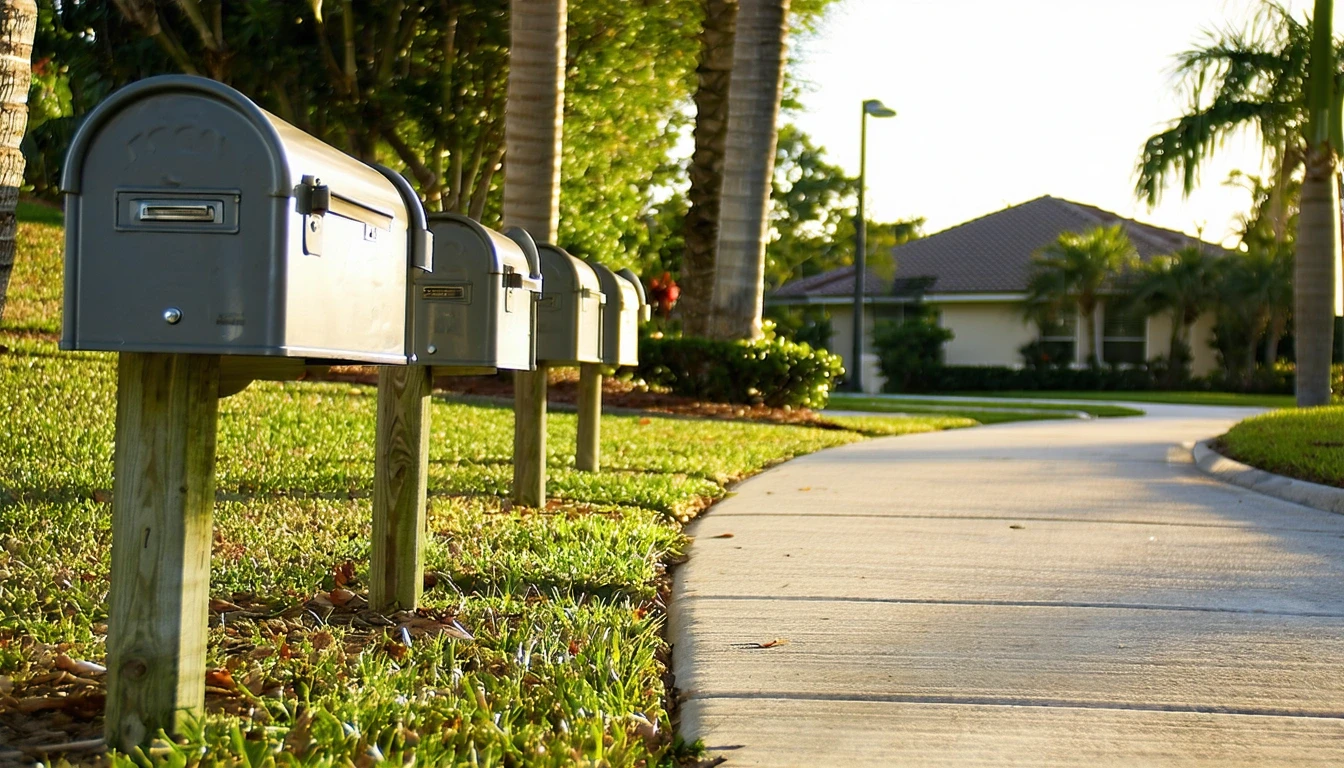
Oviedo operates as a suburban node within the Orlando metro, drawing households seeking space, schools, and relative distance from the urban core while maintaining access to regional employment. The $397,300 median home value reflects this positioning: high enough to filter for stable-income buyers, but not at the premium tier of gated master-planned communities elsewhere in Seminole County.
What distinguishes Oviedo’s market is the combination of income support and infrastructure variability. The median household income of $116,764 per year provides a cushion that allows many households to absorb the elevated price level, but it also means the market selects for dual-income professionals, established families, and equity-backed buyers. First-time buyers without significant savings face a steep entry barrier—not because of mortgage rates alone, but because the full ownership cost stack (insurance, taxes, utilities, upkeep) compounds quickly in Florida’s climate and regulatory environment.
The unemployment rate of 3.1% signals a tight labor market, which supports income stability but also contributes to housing demand pressure. Inventory moves quickly when priced appropriately, and buyers competing in this market should expect limited negotiation leverage on well-maintained properties in desirable pockets.
Newcomers often misunderstand Oviedo as uniformly suburban and car-dependent, but the city’s infrastructure reveals more texture. Some areas feature walkable pockets with higher pedestrian-to-road ratios and access to parks, while others remain corridor-clustered for errands, requiring a vehicle for most daily tasks. This variability affects not just lifestyle fit, but also long-term cost exposure: households in walkable zones may reduce transportation costs, while those in car-dependent areas absorb higher fuel and maintenance expenses at $4.06 per gallon.
Renting in Oviedo
At $1,902 per month, median gross rent in Oviedo sits well above national averages, reflecting both the region’s elevated price level and the income profile of the tenant base. Renters here are not primarily cost-constrained; many are professionals in transition, households waiting for the right purchase opportunity, or individuals prioritizing flexibility over equity accumulation.
Rental pressure in Oviedo stems less from scarcity and more from the cost floor. The market offers a mix of single-family rentals, townhomes, and apartment complexes, but even modest units command rents that require stable, above-average income. Renters should expect landlords to screen carefully, favoring applicants with verifiable employment and income-to-rent ratios that demonstrate margin beyond the lease payment.
Location within Oviedo significantly affects the rental experience. Units near corridor-clustered commercial areas offer convenience for errands but may involve higher traffic exposure and less pedestrian appeal. Rentals in walkable pockets—closer to parks and mixed-use zones—tend to command a premium but reduce the need for constant car trips, which matters when gas sits above $4 per gallon and commutes add up quickly.
Renters also avoid the direct exposure to Florida’s property insurance volatility and tax assessment cycles, but those costs are embedded in rent over time. Landlords pass through insurance increases and tax hikes indirectly, often at lease renewal. The advantage for renters is the ability to relocate without transaction costs if those increases become unsustainable; the disadvantage is the lack of control over timing and magnitude.
Owning a Home in Oviedo
Ownership in Oviedo begins with the $397,300 median home value, but the cost structure extends into areas where renters face no direct exposure. Property taxes in Florida are governed by Save Our Homes assessment caps for primary residences, which limit annual increases for long-term owners but do not prevent initial assessments from rising with market values. New buyers enter at current valuations, and while the cap provides some predictability, it does not eliminate the baseline tax burden.
Insurance represents one of the most volatile ownership costs in Florida. Oviedo sits inland, reducing hurricane wind exposure compared to coastal markets, but the state’s broader insurance environment—shaped by storm risk, litigation patterns, and carrier exits—affects premiums across all regions. Homeowners should expect insurance costs to fluctuate year-to-year, sometimes dramatically, and should budget for the possibility of needing to switch carriers or accept higher deductibles to maintain coverage.
Utility exposure is another ownership-specific cost that renters often underestimate. At 15.92¢ per kWh, electricity rates in Oviedo are moderate by Florida standards, but cooling demand is not. Homes here run air conditioning from late spring through early fall, and older or poorly insulated properties can see summer bills climb significantly. Owners control efficiency upgrades—programmable thermostats, attic insulation, HVAC maintenance—but those investments require upfront capital and time to yield returns.
Maintenance costs in Oviedo are shaped by heat, humidity, and the age of the housing stock. HVAC systems work harder and fail more frequently in extended cooling climates. Roofs, siding, and exterior paint degrade faster under intense sun and moisture exposure. Landscaping requires consistent irrigation during dry spells, and pest control is a recurring expense, not an occasional fix. These are not emergency costs; they are predictable, structural components of ownership that renters never see itemized.
Homeowners associations (HOAs) are common in newer developments, and while they provide amenities and exterior maintenance, they also impose fees and governance structures that limit autonomy. Owners in HOA communities trade some cost predictability (landscaping, roofing, insurance on common areas) for mandatory monthly dues and restricted control over property modifications.
Apartment vs House in Oviedo — Cost Behavior Comparison
| Expense Category | Apartment | House |
|---|---|---|
| Cooling Costs | Lower total usage due to smaller square footage and shared walls reducing heat gain | Higher exposure due to larger conditioned space, more exterior surface area, and standalone structure absorbing full sun |
| Water & Irrigation | Often included in rent or billed as flat fee; no landscape responsibility | Owner pays metered usage plus irrigation for yard; higher in dry months |
| Exterior Maintenance | Managed by landlord or property management; tenant has no direct cost or control | Owner responsible for roof, siding, paint, pest control, and storm damage—costs vary with home age and weather exposure |
| HVAC Replacement | Landlord obligation; tenant unaffected by capital expense | Owner absorbs full replacement cost when system fails; extended cooling season accelerates wear |
| Parking & Vehicle Dependency | Assigned or covered parking common; proximity to corridor-clustered errands may reduce trip frequency | Garage or driveway included; location in walkable pockets reduces car dependency, but most houses require vehicle for comprehensive errands |
Why these differences matter in Oviedo: The comparison above isolates cost categories where apartment and house experiences diverge meaningfully due to Oviedo’s climate (extended cooling, humidity-driven maintenance), infrastructure (corridor-clustered vs walkable pockets), and housing stock (mix of older single-family homes and newer apartment complexes). Categories like trash collection, internet, and basic utilities were excluded because they behave similarly across housing types in this market. The table reflects cost behavior, not absolute totals, and is intended to clarify which exposures shift when moving between apartment and house occupancy in this specific city.
Utilities & Upkeep Differences
Utility exposure in Oviedo is dominated by cooling. The electricity rate of 15.92¢ per kWh is not extreme, but the intensity and duration of air conditioning demand make it the primary driver of summer bills. Apartments benefit from smaller square footage and shared-wall insulation, which reduces the conditioned envelope. Houses, especially older or poorly insulated models, face higher baseline usage and greater sensitivity to thermostat settings and occupancy patterns.
Natural gas, priced at $23.62 per MCF, plays a minimal role in most Oviedo households. Heating demand is rare and brief, limited to occasional cold snaps. Gas is more commonly used for water heating or cooking, and even then, many homes rely entirely on electric systems. This is not a heating-cost market; it is a cooling-cost market, and ownership decisions should account for that asymmetry.
Maintenance differences between apartments and houses in Oviedo are driven by exposure to the elements. Houses require regular exterior upkeep—roof inspections after storm seasons, gutter cleaning during heavy rain periods, and repainting or sealing to prevent moisture intrusion. HVAC systems in standalone homes work harder and require more frequent filter changes, coil cleaning, and eventual replacement. Apartments shift these responsibilities to landlords or property management, insulating tenants from both the cost and the logistical burden.
Landscaping is another ownership-specific cost that varies with property type and location. Houses with yards require mowing, irrigation, fertilization, and pest control to meet neighborhood or HOA standards. Apartments typically bundle these services into rent or HOA fees, removing the variability but also the control. In Oviedo’s climate, outdoor spaces demand consistent attention; neglect leads to rapid decline, and recovery is expensive.
Rent vs Buy: Long-Term Exposure in Oviedo
The decision between renting and buying in Oviedo is not primarily about monthly payment comparison—it’s about which cost structure aligns with your household’s income stability, timeline, and risk tolerance. Renters face annual lease renewal exposure, where landlords can adjust rent to reflect insurance increases, tax changes, or market conditions. Buyers face property tax assessments, insurance premium swings, and maintenance events that arrive on unpredictable schedules.
Renters gain flexibility and avoid capital risk. If insurance costs spike or a neighborhood’s appeal declines, renters can relocate at lease end without transaction costs. Buyers gain control and equity accumulation, but they also absorb the full cost of Florida’s volatile insurance market, the long-term burden of deferred maintenance, and the risk that property values stagnate or decline if regional employment or infrastructure conditions shift.
Over time, ownership in Oviedo rewards households with stable, above-median income and the ability to weather short-term cost shocks without forced sales. The Save Our Homes cap provides some tax predictability for long-term owners, but it does not protect against insurance volatility, special assessments in HOA communities, or the compounding cost of aging systems in a climate that accelerates wear.
Renters who remain in Oviedo long-term may find that cumulative rent payments exceed what ownership would have cost, but only if ownership costs remain within expected ranges. If insurance premiums double, or if a major hurricane forces widespread repairs and premium hikes, the calculus shifts. The risk for buyers is that Florida’s cost environment can change faster than household income, leaving owners with equity but insufficient cash flow to maintain the property comfortably.
For households planning to stay in Oviedo five years or longer, ownership becomes viable if income supports the entry cost and provides margin for variability. For those with shorter timelines, uncertain employment, or limited savings beyond the down payment, renting preserves optionality and reduces exposure to costs that owners cannot escape without selling.
How this article was built: In addition to public economic data, this article incorporates location-based experiential signals derived from anonymized geographic patterns—such as access density, walkability, and land-use mix—to reflect how day-to-day living actually feels in Oviedo, FL.
FAQs About Housing Costs in Oviedo
What drives the difference between renting and owning in Oviedo?
Ownership in Oviedo shifts cost exposure from predictable monthly rent to variable property taxes, insurance premiums, and maintenance events. Renters avoid capital risk and can relocate if costs rise, but they also miss equity accumulation and have no control over lease renewal terms. Buyers gain stability and control but absorb Florida’s insurance volatility and the long-term burden of upkeep in a climate that accelerates wear on roofs, HVAC systems, and exteriors.
How does Oviedo’s climate affect homeownership costs?
Oviedo’s extended cooling season and high humidity drive up electricity usage and accelerate maintenance cycles. Air conditioning runs from late spring through early fall, making cooling the dominant utility cost. Heat and moisture degrade roofs, siding, and paint faster than in temperate climates, and HVAC systems require more frequent service and earlier replacement. These are structural, recurring costs that renters avoid but owners must budget for continuously.
Are there areas in Oviedo where housing costs behave differently?
Yes. Walkable pockets with higher pedestrian infrastructure and proximity to parks reduce car dependency, lowering transportation costs for households that can access errands on foot or by bike. Corridor-clustered areas require vehicles for most daily tasks, increasing fuel and maintenance expenses. Location also affects insurance premiums—homes in flood-prone zones or older developments may face higher costs than newer construction in well-drained areas.
What hidden costs should first-time buyers in Oviedo expect?
Beyond the mortgage, first-time buyers in Oviedo face property insurance premiums that can fluctuate significantly year-to-year, property taxes that reset at purchase price (not the seller’s capped rate), and immediate maintenance costs if the home’s HVAC, roof, or water heater are near end-of-life. HOA fees, if applicable, are mandatory and can increase with special assessments. Cooling costs during summer months often surprise buyers unfamiliar with Florida’s electricity usage patterns, even at moderate rates like 15.92¢ per kWh.
Does renting in Oviedo make sense long-term?
Renting makes sense for households prioritizing flexibility, uncertain about long-term plans, or unable to absorb the upfront and ongoing costs of ownership. At $1,902 per month, median rent is high, but it includes freedom from insurance volatility, tax assessment risk, and maintenance surprises. Long-term renters miss equity accumulation and remain exposed to lease renewal increases, but they also avoid the capital risk and cost unpredictability that define ownership in Florida’s current environment.
Making Housing Choices in Oviedo
Housing costs in Oviedo are shaped by income support, climate exposure, and infrastructure variability. The $397,300 median home value sets a high entry bar, but the true cost of ownership unfolds through insurance, taxes, utilities, and maintenance—expenses that compound quickly in Florida’s environment and require stable, above-median income to manage comfortably. Renters at $1,902 per month avoid those exposures but sacrifice equity and control, and they remain vulnerable to lease renewal increases driven by the same cost pressures owners face directly.
The decision between renting and buying here is not about which option costs less—it’s about which cost structure fits your household’s timeline, income stability, and tolerance for variability. Buyers who can weather insurance swings, absorb deferred maintenance, and commit to five-plus years gain control and equity. Renters who value flexibility, lack deep savings, or face income uncertainty preserve optionality and reduce risk.
For a broader view of monthly expenses beyond housing, or to understand how Oviedo’s overall cost structure compares to other markets, explore the related guides on IndexYard. And if you’re planning a move to Oviedo, understanding moving company costs and options can help you budget for the transition alongside your housing decision.