
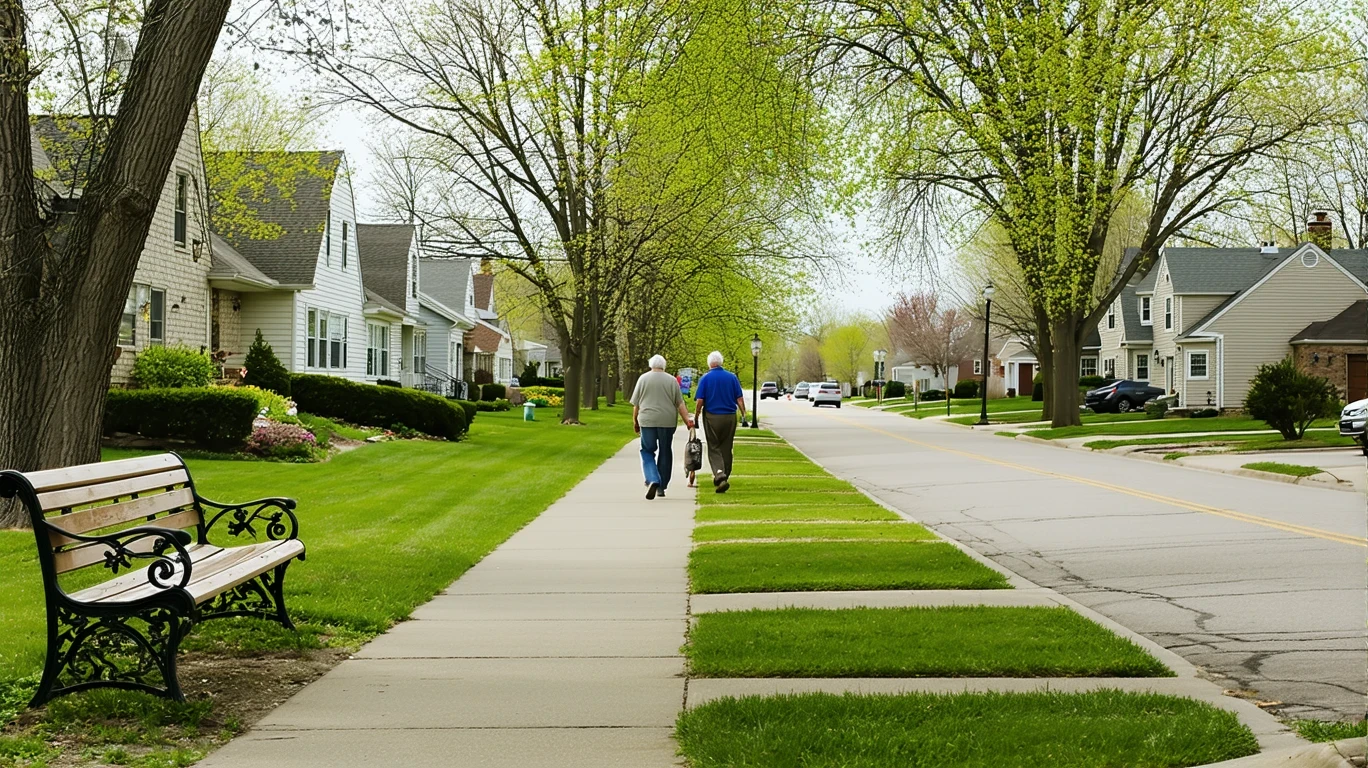
Loveland’s median home value sits at $273,900 while Cincinnati’s rests at $192,000—a housing gap that shapes every other cost decision between these two Ohio cities in 2026. Both cities share the Cincinnati metro area, identical utility rates, and the same gas prices, yet the cost experience feels fundamentally different depending on whether a household prioritizes suburban space and family infrastructure or urban access and lower entry barriers. This isn’t a story about one city being universally cheaper; it’s about where cost pressure concentrates and which households feel that pressure most acutely.
Loveland attracts higher-income households—median household income reaches $81,706 annually compared to Cincinnati’s $49,191—and delivers strong family infrastructure, integrated parks, and walkable pockets in a suburban setting. Cincinnati offers rail transit, hospital access, and lower housing costs, making it viable for households managing tighter budgets who value urban amenities and don’t need as much square footage. The decision between these cities hinges on whether a household can absorb Loveland’s steeper housing obligation in exchange for space and schools, or whether Cincinnati’s distributed cost structure and transit options better match income constraints and lifestyle priorities.
Understanding how the same dollar behaves differently in each city requires looking beyond sticker prices to examine cost structure, household logistics, and the tradeoffs between predictability and flexibility. For some households, Loveland’s higher housing costs buy stability and room to grow; for others, Cincinnati’s lower entry barrier and transit infrastructure reduce friction and preserve flexibility. Both cities share the same regional price environment, so differences emerge not from inflation or tax policy but from how housing form, transportation dependence, and amenity access interact with household income and daily routines.
Housing Costs
Housing costs create the sharpest divide between Loveland and Cincinnati. Loveland’s median home value of $273,900 reflects a market oriented toward single-family homes, larger lots, and newer construction serving higher-income households. Cincinnati’s median home value of $192,000 opens the door to a wider range of housing types, including older single-family homes, duplexes, and urban apartments. For renters, the gap narrows but remains significant: Loveland’s median gross rent reaches $1,125 per month compared to Cincinnati’s $893 per month. These differences don’t just affect monthly obligations—they shape who can enter each market and what flexibility remains after housing costs are covered.
In Loveland, higher home values and rents reflect demand for family-oriented suburban housing with access to strong schools, playgrounds, and parks. The housing stock skews toward single-family homes, which means larger utility footprints, more maintenance exposure, and higher upfront costs for renters and buyers alike. Households choosing Loveland typically prioritize space, predictability, and long-term stability, accepting that housing will consume a larger share of gross income in exchange for room to grow and established family infrastructure. In Cincinnati, lower home values and rents reflect a more diverse housing mix, including urban apartments, rowhouses, and older single-family homes. This diversity creates more entry points for first-time buyers and renters managing tighter budgets, but it also introduces more variability in housing quality, maintenance needs, and neighborhood amenities.
For renters, Cincinnati’s lower median rent reduces the baseline housing obligation, leaving more room for discretionary spending, savings, or absorbing unexpected costs. Loveland’s higher rent reflects newer construction, suburban amenities, and proximity to parks and schools, but it also means renters face steeper monthly obligations before utilities, transportation, or groceries enter the picture. For first-time buyers, Cincinnati’s lower median home value reduces down payment requirements and ongoing mortgage obligations, making homeownership accessible to households earning closer to the metro median income. Loveland’s higher home values require stronger income, larger down payments, and more financial cushion to manage property taxes, insurance, and maintenance on larger homes. For families, Loveland’s housing costs buy access to strong family infrastructure—both schools and playgrounds meet density thresholds—while Cincinnati’s lower housing costs may require more intentional neighborhood selection to access comparable family amenities.
| Housing Type | Loveland | Cincinnati |
|---|---|---|
| Median Home Value | $273,900 | $192,000 |
| Median Gross Rent | $1,125/month | $893/month |
| Median Household Income | $81,706/year | $49,191/year |
Housing takeaway: Loveland’s housing market serves higher-income households willing to absorb steeper entry barriers and ongoing obligations in exchange for suburban space, family infrastructure, and predictability. Cincinnati’s lower housing costs create more entry points for renters and buyers managing tighter budgets, but households must navigate more variability in housing quality and neighborhood amenities. The difference isn’t about one city being universally more affordable—it’s about whether a household’s income and priorities align with front-loaded housing costs and suburban stability or lower entry barriers and urban flexibility.
Utilities and Energy Costs
Both Loveland and Cincinnati face identical utility rates—17.31¢ per kWh for electricity and $11.25 per MCF for natural gas—so differences in utility exposure come entirely from housing stock, home size, and household behavior rather than pricing structure. Loveland’s housing market skews toward larger single-family homes, which means more square footage to heat and cool, bigger utility footprints, and more seasonal volatility. Cincinnati’s more diverse housing mix includes urban apartments, smaller rowhouses, and older single-family homes, creating a wider range of utility exposure depending on housing type and building age. In both cities, heating dominates winter costs and cooling drives summer bills, but the magnitude of that exposure depends on whether a household occupies a 2,500-square-foot suburban home or a 900-square-foot urban apartment.
Loveland households living in newer single-family homes may benefit from better insulation and more efficient HVAC systems, reducing baseline usage even as larger square footage increases total consumption. Older homes in Loveland—or any home with poor insulation, single-pane windows, or aging heating equipment—will experience higher seasonal volatility and less predictable bills. In Cincinnati, apartment dwellers enjoy smaller utility footprints and shared-wall insulation, which dampens heating and cooling exposure, but older urban housing stock may introduce inefficiencies that offset size advantages. Households in older Cincinnati single-family homes face similar volatility to Loveland, but with lower baseline housing costs, utility spikes may feel more manageable within the overall budget structure.
For single adults or couples in apartments, Cincinnati’s smaller housing units reduce utility exposure significantly, making energy costs more predictable and less sensitive to seasonal extremes. Loveland’s suburban apartments still tend toward larger floor plans, increasing baseline usage even in multi-unit buildings. For families in single-family homes, Loveland’s larger homes amplify utility exposure, especially during peak heating and cooling months, but higher household incomes typically provide more cushion to absorb seasonal spikes. Cincinnati families in older homes may face similar volatility but with less income flexibility to manage unexpected bills. For households in newer construction, both cities benefit from improved building standards, but Loveland’s newer housing stock gives more households access to efficiency gains without requiring retrofits or upgrades.
Utility takeaway: Utility costs in Loveland and Cincinnati respond to the same rates but behave differently depending on housing size, building age, and household composition. Loveland’s larger suburban homes amplify seasonal exposure, making utilities a more volatile cost category for families and homeowners, while Cincinnati’s smaller apartments and diverse housing stock create more variability—some households enjoy low, predictable bills, while others in older homes face similar volatility to Loveland without the same income cushion. The key difference isn’t price—it’s whether a household’s housing choice and income level can absorb the seasonal swings that come with heating and cooling larger or less efficient spaces.
Groceries and Daily Expenses
Both Loveland and Cincinnati share the same regional price environment, reflected in an identical regional price parity index of 94, meaning grocery and everyday spending pressure comes from access patterns, shopping habits, and household volume rather than price differences. Loveland’s corridor-clustered food and grocery accessibility—with food and grocery establishment density both in the medium band—means households typically drive to larger stores or shopping centers rather than walking to neighborhood markets. Cincinnati shows similar corridor-clustered accessibility, but with food establishment density exceeding the high threshold, offering more variety in prepared food options, takeout, and dining alternatives. For both cities, grocery costs scale with household size and shopping strategy, but the friction of access and the temptation of convenience spending play out differently depending on transit options and daily routines.
In Loveland, grocery shopping typically requires a car and planning, with trips concentrated at big-box stores, regional chains, and suburban shopping centers. This structure rewards bulk buying and meal planning but penalizes last-minute runs or small top-up trips, which often mean driving several miles out of the way. Households managing larger grocery volumes—families with kids, multi-person households—benefit from Loveland’s access to stores such as Kroger, Walmart, or Meijer, where bulk pricing and one-stop shopping reduce per-unit costs. In Cincinnati, similar big-box access exists, but the city’s higher food establishment density and rail transit availability create more opportunities for smaller, more frequent shopping trips and easier access to prepared food, coffee shops, and takeout. This flexibility can reduce planning burden but also increases exposure to convenience spending creep—grabbing lunch out, picking up coffee, or ordering delivery when time runs short.
For single adults, Cincinnati’s higher food establishment density and transit access make it easier to manage groceries without a car, reducing transportation friction and allowing more flexibility in shopping frequency and location. Loveland’s car-dependent grocery access adds time cost and planning overhead, even if per-item prices remain similar. For couples, both cities offer comparable access to mid-tier grocery chains and discount options, but Cincinnati’s urban density and transit options reduce the need to batch errands, while Loveland’s suburban layout encourages consolidating trips to minimize driving. For families managing larger grocery volumes, Loveland’s suburban shopping centers and big-box access reward planning and bulk buying, while Cincinnati’s more distributed food access offers more last-minute flexibility but at the risk of higher per-trip costs and more frequent convenience purchases.
Grocery takeaway: Grocery and daily spending pressure in Loveland and Cincinnati stems from access friction and household habits rather than price differences. Loveland’s car-dependent, corridor-clustered grocery access rewards planning and bulk buying but adds time cost and reduces flexibility for smaller households or last-minute needs. Cincinnati’s higher food establishment density and transit options reduce access friction and support more spontaneous shopping, but also increase exposure to convenience spending and prepared food costs. Households sensitive to time cost and planning burden may find Cincinnati’s flexibility valuable, while those managing larger volumes and prioritizing per-unit savings may prefer Loveland’s big-box access and suburban shopping structure.
Taxes and Fees
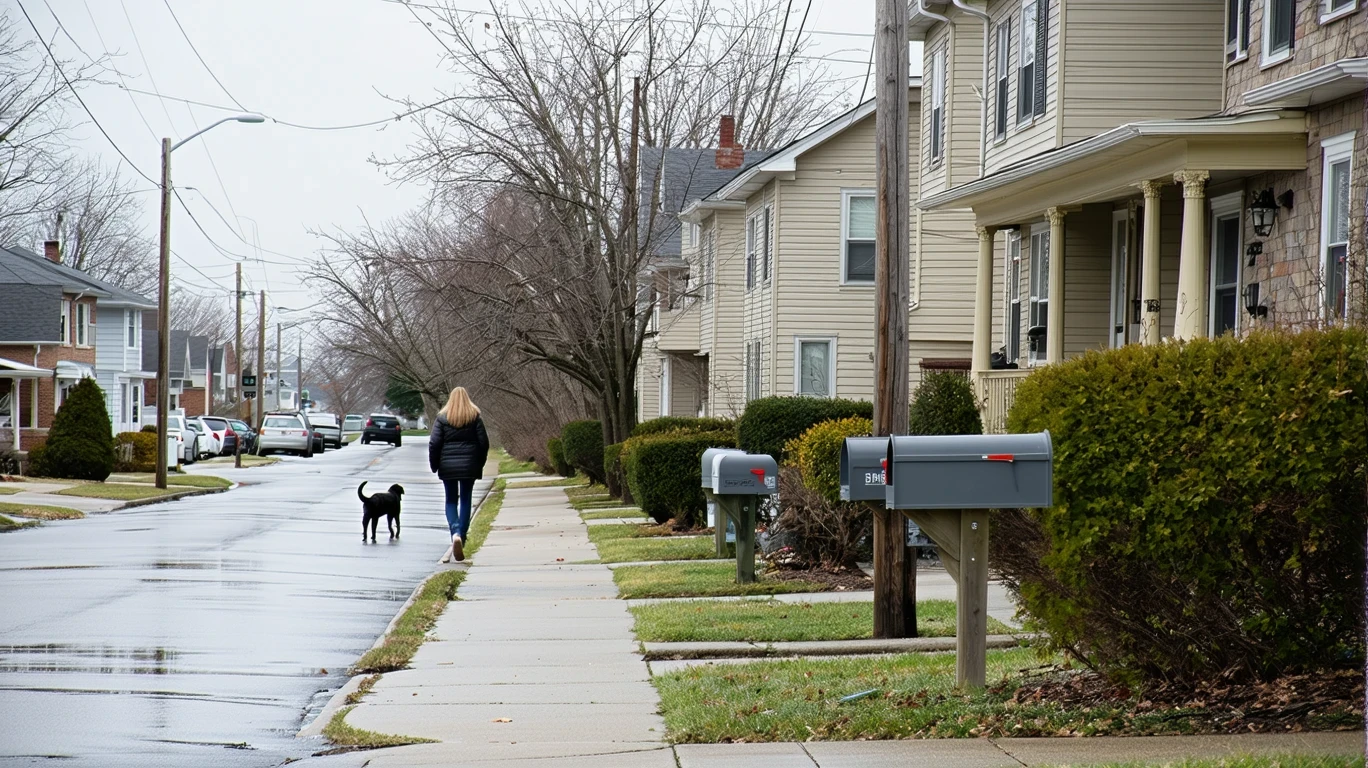
Neither Loveland nor Cincinnati provides specific tax rate data in the available information, but the structural differences in housing costs create predictable differences in property tax exposure. Loveland’s higher median home value of $273,900 means homeowners face larger assessed values, which typically translate to higher annual property tax bills even if millage rates remain comparable to Cincinnati. Cincinnati’s lower median home value of $192,000 reduces baseline property tax obligations, though older housing stock and urban infrastructure needs may introduce variability in special assessments, water and sewer fees, or trash collection charges. In both cities, property taxes represent ongoing, non-negotiable costs that scale with home value and length of ownership, affecting long-term residents and recent buyers differently.
Loveland’s suburban character often brings HOA fees into the picture, especially in newer subdivisions where landscaping, snow removal, or shared amenities are bundled into monthly or annual dues. These fees add predictability—households know what they’ll pay each month—but they also reduce flexibility, as HOA obligations can’t be deferred or adjusted based on household budget fluctuations. Cincinnati’s more diverse housing stock includes fewer HOA-governed properties, giving homeowners more control over maintenance spending but also more exposure to unexpected repair costs or deferred upkeep. Renters in both cities typically see property taxes and HOA fees baked into rent, but Loveland’s higher rents suggest those costs are being passed through at higher absolute levels.
For homeowners, Loveland’s higher home values amplify property tax exposure, making taxes a larger share of ongoing housing costs and reducing the benefit of paying off a mortgage early. Cincinnati’s lower home values reduce baseline property tax obligations, leaving more room in the budget for discretionary spending or savings, though older homes may introduce higher maintenance and repair costs that offset tax savings. For renters, property taxes remain invisible but embedded in rent; Loveland’s higher rents reflect landlords passing through higher property tax bills, while Cincinnati’s lower rents suggest lower tax burdens on rental properties. For long-term residents, both cities expose homeowners to property tax increases over time as assessed values rise, but Loveland’s higher baseline values mean larger absolute increases even if percentage growth remains modest.
Tax and fee takeaway: Loveland’s higher home values create steeper property tax exposure for homeowners, making taxes a larger ongoing obligation that compounds the cost of suburban housing. Cincinnati’s lower home values reduce baseline property tax bills, leaving more budget flexibility, though older housing stock and urban infrastructure needs may introduce variability in fees and special assessments. The primary difference isn’t tax policy—it’s how home value and housing form interact with property tax structure to create predictable, ongoing costs that affect homeowners and long-term residents more than renters or short-term movers.
Getting Around Loveland and Cincinnati
Transportation costs in Loveland and Cincinnati share identical gas prices at $3.41 per gallon, so differences emerge entirely from commute patterns, transit availability, and car dependence rather than fuel costs. Loveland shows walkable pockets with a high pedestrian-to-road ratio and some cycling infrastructure in limited areas, but no rail transit and limited bus service, making car ownership effectively non-negotiable for most households. Cincinnati offers rail transit service, walkable pockets, and similar cycling infrastructure, creating more viable alternatives to driving for households living near transit corridors or working downtown. For both cities, the real transportation cost comes from time, logistics, and whether a household can function without a car—not just what they pay at the pump.
In Loveland, most households drive for commuting, errands, and daily logistics. The suburban layout and corridor-clustered grocery and services access mean even short trips often require a car, and households with multiple working adults typically need multiple vehicles. This car dependence doesn’t just add fuel costs—it introduces insurance, maintenance, registration, and parking expenses that compound over time. Loveland’s walkable pockets allow some pedestrian activity within neighborhoods, but getting to work, school, or shopping almost always requires driving. In Cincinnati, rail transit and higher bus service availability create real alternatives for households living near transit lines or working in the urban core. Households can reduce car dependence, delay vehicle purchases, or manage with one car instead of two, reducing not just fuel costs but the entire ownership burden. Cincinnati’s walkable pockets and higher food establishment density also make it easier to run errands on foot or via transit, reducing the frequency of car trips even for households that own vehicles.
For single adults, Cincinnati’s transit options and walkable urban neighborhoods make car-free or car-light living feasible, eliminating insurance, maintenance, and parking costs entirely or allowing reliance on rideshare and transit for most trips. Loveland’s suburban layout makes car ownership a baseline requirement, adding fixed costs that single-income households must absorb regardless of driving frequency. For dual-income couples, Cincinnati’s transit access may allow one partner to commute via rail while the other drives, reducing the need for two vehicles and cutting transportation costs significantly. Loveland’s car-dependent structure typically requires two vehicles for dual-income households, doubling insurance, registration, and maintenance exposure. For families with kids, both cities require cars for school drop-offs, activities, and errands, but Cincinnati’s transit options may reduce the need for a third vehicle or allow older teens to use transit instead of driving. Loveland’s suburban layout means families absorb full car ownership costs for every driver in the household.
Transportation takeaway: Loveland and Cincinnati share identical gas prices, but transportation cost pressure diverges sharply based on car dependence and transit viability. Loveland’s suburban structure makes car ownership non-negotiable, adding fixed costs—insurance, maintenance, registration—that affect every household regardless of income. Cincinnati’s rail transit and walkable urban core create real alternatives, allowing some households to reduce or eliminate car ownership, cutting transportation costs significantly and preserving budget flexibility. The difference isn’t fuel—it’s whether a household can function without a car, and whether transit access reduces the logistics burden that suburban car dependence creates.
Cost Structure Comparison
Housing dominates the cost experience in both Loveland and Cincinnati, but the nature of that dominance differs sharply. In Loveland, higher home values and rents create a steep entry barrier and ongoing obligation that consumes a larger share of gross income, leaving less room for discretionary spending or unexpected costs. Households choosing Loveland typically earn higher incomes—median household income reaches $81,706 annually—and prioritize space, family infrastructure, and suburban predictability over urban flexibility. In Cincinnati, lower home values and rents reduce the baseline housing obligation, creating more entry points for renters and buyers managing tighter budgets, but median household income sits at $49,191 annually, meaning even lower housing costs still represent significant pressure for many households. The key difference isn’t whether housing costs matter—it’s whether a household’s income level allows them to absorb Loveland’s higher housing costs or whether Cincinnati’s lower entry barrier better matches their budget constraints.
Utilities introduce similar seasonal volatility in both cities, but the magnitude of that volatility depends on housing size and building age. Loveland’s larger suburban homes amplify heating and cooling exposure, making utility bills more variable and less predictable for families and homeowners. Cincinnati’s more diverse housing stock creates a wider range of utility experiences—apartment dwellers enjoy smaller footprints and lower bills, while households in older single-family homes face similar volatility to Loveland without the same income cushion to absorb spikes. Transportation patterns matter more in Cincinnati, where rail transit and walkable urban neighborhoods create real opportunities to reduce or eliminate car ownership, cutting fixed costs significantly. In Loveland, car dependence is universal, adding insurance, maintenance, and registration costs that every household must absorb regardless of driving frequency.
Groceries and daily expenses behave similarly in both cities from a pricing perspective, but access friction and convenience spending patterns differ. Loveland’s car-dependent, corridor-clustered grocery access rewards planning and bulk buying but adds time cost and reduces flexibility for smaller households or last-minute needs. Cincinnati’s higher food establishment density and transit options reduce access friction and support more spontaneous shopping, but also increase exposure to convenience spending and prepared food costs. For households managing larger grocery volumes—families with kids—Loveland’s big-box access and suburban shopping structure may reduce per-unit costs, while Cincinnati’s distributed food access offers more flexibility but at the risk of higher per-trip costs.
Taxes and fees scale with home value, making Loveland’s higher property values a source of ongoing, non-negotiable cost pressure for homeowners. Cincinnati’s lower home values reduce baseline property tax obligations, leaving more room in the budget for discretionary spending or savings, though older housing stock may introduce higher maintenance and repair costs that offset tax savings. The decision between Loveland and Cincinnati isn’t about which city is cheaper overall—it’s about which cost structure aligns with a household’s income level, priorities, and tolerance for front-loaded housing costs versus distributed ongoing expenses. Households sensitive to housing entry barriers and car dependence may find Cincinnati’s lower costs and transit options more manageable, while those prioritizing space, family infrastructure, and suburban predictability may accept Loveland’s higher housing costs as the price of stability and room to grow.
How the Same Income Feels in Loveland vs Cincinnati
Single Adult
In Loveland, housing becomes the first non-negotiable cost, consuming a larger share of gross income and leaving less room for discretionary spending or savings. Car ownership adds fixed costs—insurance, maintenance, registration—that can’t be deferred, and grocery shopping requires planning and driving, adding time cost even when per-item prices remain modest. Flexibility disappears quickly as housing and transportation lock in baseline obligations, and unexpected costs—medical bills, car repairs—strain budgets more acutely. In Cincinnati, lower rent and the option to live car-free or car-light near transit lines preserve more budget flexibility, allowing single adults to absorb unexpected costs or prioritize savings without feeling stretched. Commute friction drops for those near rail lines, and the ability to walk or take transit for errands reduces both time cost and the logistics burden of car ownership.
Dual-Income Couple
In Loveland, higher housing costs and the need for two vehicles create steeper baseline obligations, but dual incomes provide more cushion to absorb those costs and still maintain discretionary spending. Flexibility exists in how the couple manages groceries, utilities, and entertainment, but housing and transportation remain fixed and front-loaded. In Cincinnati, lower housing costs and the option for one partner to commute via rail while the other drives reduce the need for two vehicles, cutting fixed transportation costs significantly and preserving more budget flexibility. The couple gains more control over where discretionary spending goes—dining out, travel, savings—because baseline obligations consume less of their combined income. Time cost matters less in Cincinnati for couples near transit or walkable neighborhoods, while Loveland’s suburban layout requires more intentional trip planning and coordination.
Family with Kids
In Loveland, housing costs buy access to strong family infrastructure—both schools and playgrounds meet density thresholds—and integrated parks, making the higher entry barrier and ongoing obligation feel justified for families prioritizing space and stability. Car ownership becomes non-negotiable for school drop-offs, activities, and errands, and larger homes amplify utility exposure, especially during peak heating and cooling months. Flexibility shrinks as housing, transportation, and utilities lock in predictable but substantial obligations, leaving less room for unexpected costs or discretionary spending. In Cincinnati, lower housing costs create more entry points for families managing tighter budgets, but accessing comparable family infrastructure may require more intentional neighborhood selection. The ability to reduce car dependence for one parent or older teens via transit preserves some budget flexibility, and smaller housing footprints reduce utility volatility, though older homes may introduce maintenance costs that offset savings.
Decision Matrix: Which City Fits Which Household?
| Decision factor | If you’re sensitive to this… | Loveland tends to fit when… | Cincinnati tends to fit when… |
|---|---|---|---|
| Housing entry + space needs | You need predictable suburban space and can absorb higher baseline housing costs | Your income supports front-loaded housing obligations and you prioritize family infrastructure and room to grow | You need lower entry barriers and can navigate more variability in housing quality and neighborhood amenities |
| Transportation dependence + commute friction | You want to reduce or eliminate car ownership and value transit access | You accept car dependence as non-negotiable and prioritize suburban layout over transit flexibility | You can live near rail lines or walkable urban neighborhoods and benefit from reduced car ownership costs |
| Utility variability + home size exposure | You want smaller footprints and more predictable seasonal bills | You can absorb seasonal volatility from larger homes and prioritize space over utility predictability | You prefer smaller housing units or apartments that dampen heating and cooling exposure |
| Grocery strategy + convenience spending creep | You want flexibility in shopping frequency and access to prepared food options | You reward planning and bulk buying and can absorb the time cost of car-dependent grocery access | You value spontaneous shopping and walkable food access even if it increases convenience spending exposure |
| Fees + friction costs (HOA, services, upkeep) | You want control over maintenance spending and fewer bundled fees | You accept HOA fees and higher property taxes as the price of suburban predictability and newer housing stock | You prefer fewer bundled fees and more control over upkeep even if it introduces deferred maintenance exposure |
| Time budget (schedule flexibility, errands, logistics) | You want to minimize commute friction and reduce the logistics burden of daily errands | You can absorb the time cost of car-dependent errands and prioritize suburban layout over urban convenience | You value walkable neighborhoods and transit access that reduce the need to batch errands or plan every trip |
Lifestyle Fit
Loveland and Cincinnati offer fundamentally different lifestyle experiences despite sharing the same metro area. Loveland delivers suburban predictability, integrated parks with high park density, and strong family infrastructure where both schools and playgrounds meet density thresholds. The city’s walkable pockets allow pedestrian activity within neighborhoods, and some cycling infrastructure exists in limited areas, but daily life revolves around car ownership and planned trips to shopping centers, schools, and activities. Families prioritizing space, outdoor access, and established suburban routines find Loveland’s structure supportive, though the lack of rail transit and reliance on driving adds time cost and logistics burden for households managing multiple schedules.
Cincinnati provides urban access, rail transit service, and hospital availability that Loveland lacks, making it a better fit for households valuing walkable neighborhoods, transit flexibility, and proximity to medical facilities. The city’s higher food establishment density and integrated parks create more opportunities for spontaneous errands and outdoor recreation without requiring a car, reducing the logistics burden for single adults, couples, and families comfortable with smaller housing footprints. Cincinnati’s walkable pockets and mixed building height character support a more urban lifestyle, though accessing strong family infrastructure may require more intentional neighborhood selection compared to Loveland’s suburban consistency.
Both cities benefit from integrated green space access, with park density exceeding high thresholds and water features present, making outdoor recreation and casual green space accessible for residents in both locations. Loveland’s suburban parks tend toward larger, programmed spaces with playgrounds and sports fields, while Cincinnati’s urban parks offer more variety in size and character, from neighborhood pocket parks to larger riverfront green spaces. For households prioritizing outdoor access and family-friendly amenities, both cities deliver strong options, though the experience of accessing those amenities differs—Loveland requires driving to most parks, while Cincinnati’s urban density allows more walkable access depending on neighborhood.
Loveland median household income: $81,706 per year — reflects a population with higher earning power and capacity to absorb steeper housing costs.
Cincinnati rail transit present — provides real alternatives to car ownership for households living near transit corridors or working downtown.
Frequently Asked Questions
Is Loveland or Cincinnati more affordable for renters in 2026?
Cincinnati shows lower median gross rent at $893 per month compared to Loveland’s $1,125 per month, reducing baseline housing obligations for renters and leaving more room for discretionary spending or savings. Loveland’s higher rents reflect newer construction, suburban amenities, and proximity to parks and schools, but renters face steeper monthly obligations before utilities, transportation, or groc