
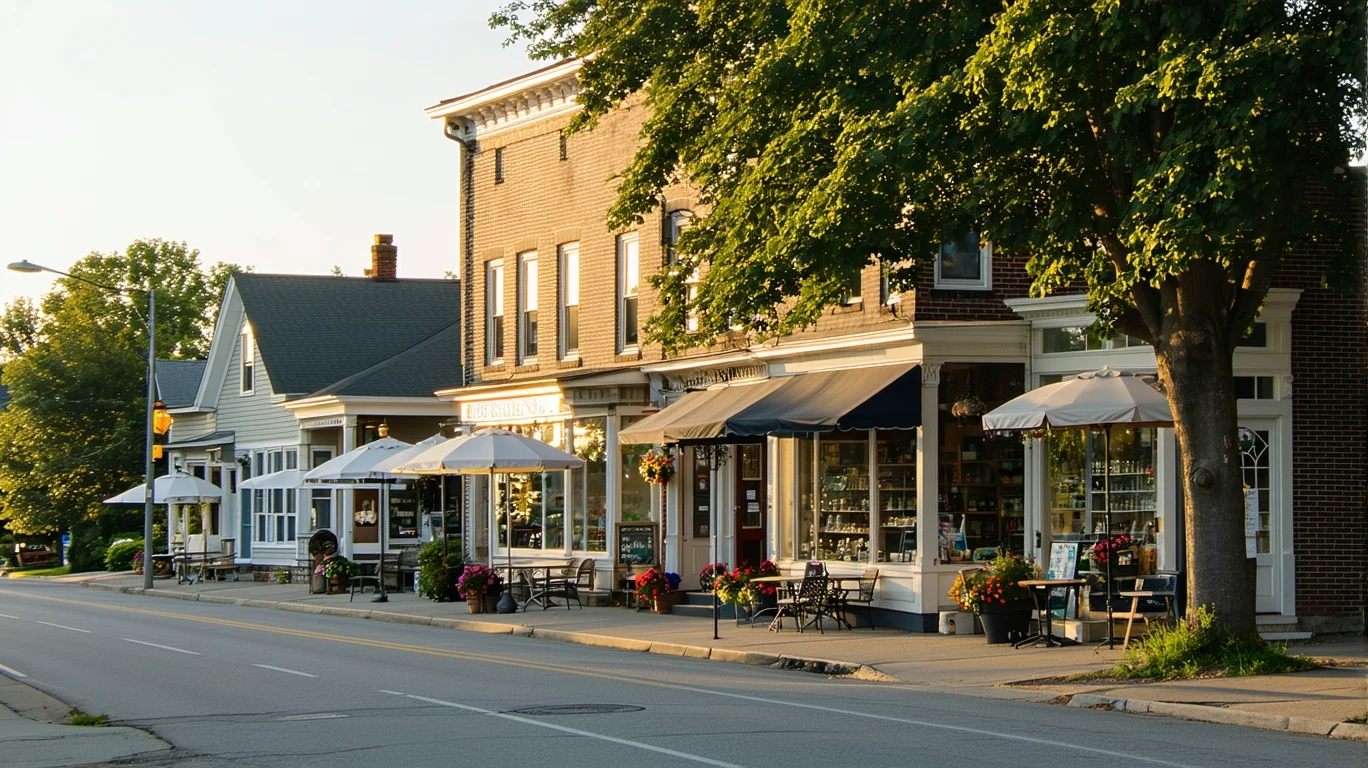
Loveland median home value: $273,900 | Fairfield median home value: $196,600
Loveland median rent: $1,125/month | Fairfield median rent: $1,096/month
Loveland median household income: $81,706/year | Fairfield median household income: $67,182/year
Natural gas (Loveland): $11.25/MCF | Natural gas (Fairfield): $23.03/MCF
Gas price (Loveland): $3.41/gal | Gas price (Fairfield): $2.85/gal
Loveland and Fairfield sit within the same Cincinnati metro area, share similar commute access to regional employment centers, and both offer suburban living with single-family home dominance. Yet the two cities attract different household types because cost pressure shows up in different categories—and at different points in the household lifecycle. Loveland tends to draw families prioritizing park access, school infrastructure, and walkable neighborhood pockets, while Fairfield appeals to households seeking lower housing entry barriers and bus connectivity. The decision between them in 2026 isn’t about which city costs less overall; it’s about which cost structure aligns with how your household actually lives, commutes, and manages day-to-day logistics.
This comparison explains where each city’s costs concentrate, which expenses remain predictable versus volatile, and how the same gross income can feel stable in one place and tight in the other. Both cities offer tradeoffs—understanding the mechanics behind those tradeoffs is what turns housing listings into informed decisions.
Housing Costs
Loveland’s median home value sits at $273,900, while Fairfield’s sits at $196,600. That difference reflects more than price—it signals different housing stock, lot sizes, and the types of buyers each market serves. Loveland’s housing market tilts toward families seeking newer construction, larger yards, and proximity to parks and schools. Fairfield’s lower entry point opens the door to first-time buyers, single-income households, and those prioritizing mortgage affordability over square footage or amenities. Neither market is objectively “cheaper”—each serves a different tolerance for upfront cost versus ongoing flexibility.
Rental markets show less separation. Loveland’s median gross rent is $1,125 per month; Fairfield’s is $1,096 per month. The modest difference suggests that renters in both cities face similar baseline obligations, but the type of rental stock differs. Loveland’s rentals tend to cluster in mixed-use corridors and smaller multifamily buildings, while Fairfield’s rental inventory leans toward older single-family homes and low-rise apartment complexes. For renters, the decision hinges less on monthly payment and more on proximity to errands, park access, and whether the unit sits within walking distance of daily needs.
Ownership costs extend beyond the mortgage. Property taxes, insurance, and maintenance expectations vary by home age, lot size, and neighborhood amenities. Loveland’s higher home values often correspond to newer builds with lower immediate maintenance needs but higher property tax assessments. Fairfield’s older housing stock may carry lower tax bills initially, but owners should budget for deferred maintenance, HVAC replacement, and weatherization upgrades. The tradeoff isn’t just about entry price—it’s about whether you’re paying upfront for predictability or accepting lower entry costs in exchange for variable repair exposure down the line.
| Housing Type | Loveland | Fairfield |
|---|---|---|
| Median Home Value | $273,900 | $196,600 |
| Median Gross Rent | $1,125/month | $1,096/month |
| Typical Buyer Profile | Families, dual-income households seeking amenities | First-time buyers, single-income households prioritizing entry cost |
| Typical Renter Profile | Singles and couples near mixed-use corridors | Families and individuals in low-rise or single-family rentals |
Housing takeaway: Loveland imposes a higher entry barrier for ownership, which filters for households with stronger income stability and longer time horizons. Fairfield’s lower home values reduce the upfront hurdle, making ownership accessible earlier—but at the cost of potentially higher maintenance volatility and less neighborhood infrastructure. Renters face similar monthly obligations in both cities, but Loveland renters gain better access to parks and walkable errands, while Fairfield renters trade some convenience for lower overall housing competition and bus service availability.
Utilities and Energy Costs
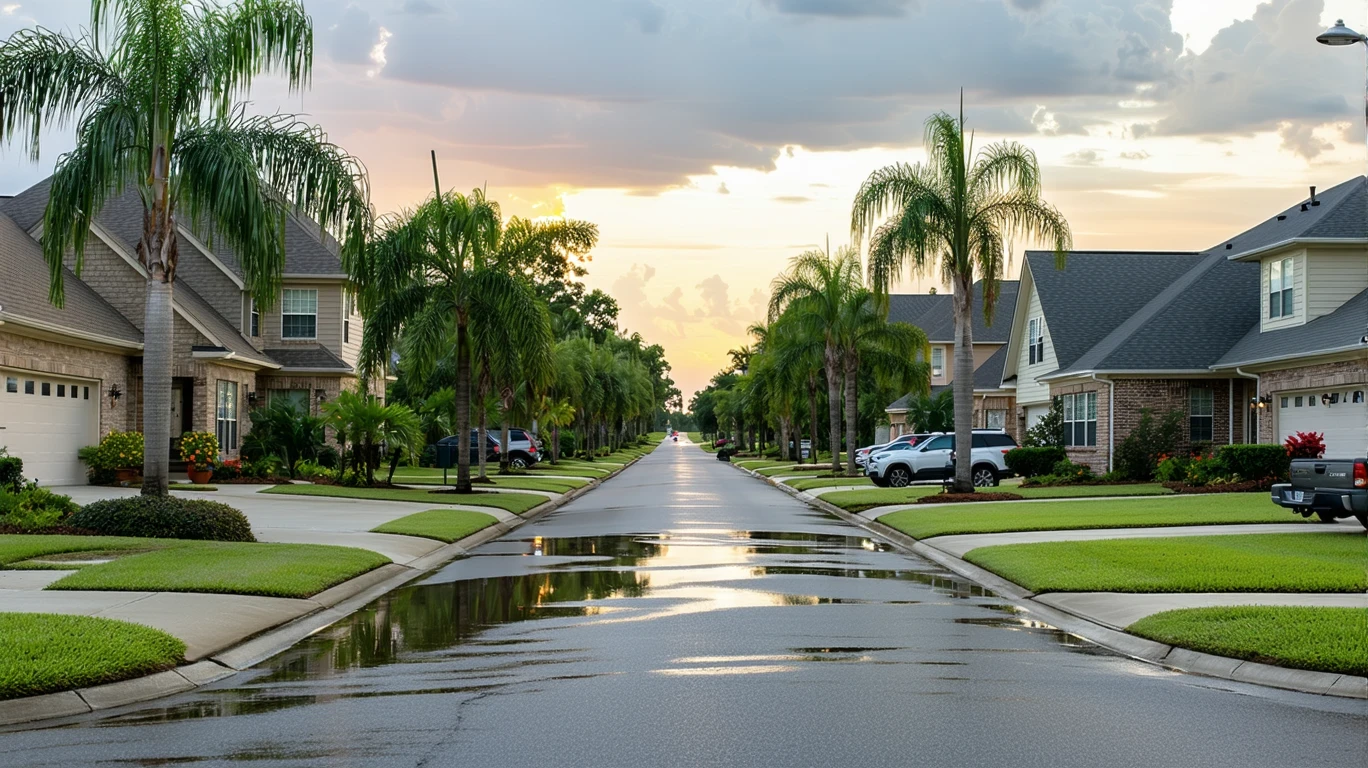
Utility cost behavior in Loveland and Fairfield diverges sharply in one category: natural gas. Loveland’s natural gas price sits at $11.25 per MCF, while Fairfield’s sits at $23.03 per MCF. That gap matters most during heating months, when older single-family homes with gas furnaces experience sustained usage. Fairfield households in older housing stock face higher exposure to heating cost volatility, particularly in homes with minimal insulation upgrades or aging HVAC systems. Loveland households benefit from lower gas rates, which stabilizes heating bills even in larger homes—though the advantage diminishes in newer construction with heat pumps or electric heating systems.
Electricity rates show near parity: Loveland at 17.31¢/kWh, Fairfield at 17.66¢/kWh. The similarity means that cooling costs, baseline appliance usage, and electric heating (where present) behave almost identically across both cities. The real differentiator becomes housing type and age. Loveland’s mixed building height profile and newer construction reduce cooling load per square foot, while Fairfield’s low-rise, older housing stock tends to require more energy to maintain comfortable temperatures during summer months. Households in older Fairfield homes should anticipate higher summer electricity usage, particularly in units without updated windows, insulation, or programmable thermostats.
Utility cost exposure also varies by household size and daily routines. Single adults and couples in smaller apartments experience minimal seasonal swings, regardless of city. Families in larger single-family homes—especially those with multiple occupants home during the day—face compounding exposure in Fairfield due to both higher gas rates and older housing stock. Loveland families in newer builds enjoy more predictable utility costs, though the benefit erodes in older neighborhoods where housing stock mirrors Fairfield’s age profile. The key variable isn’t the city—it’s whether your specific home has been weatherized, how old the HVAC system is, and whether you’re heating with gas or electricity.
Utility takeaway: Fairfield households relying on natural gas for heating face meaningfully higher exposure during winter months, particularly in older homes. Loveland’s lower gas rates and slightly newer housing stock reduce heating volatility, though electricity costs remain comparable. Families and larger households feel the difference most acutely; single adults and couples in apartments experience minimal divergence. The decision isn’t about which city has “cheaper utilities”—it’s about whether your housing type and heating source align with each city’s rate structure and housing age profile.
Groceries and Daily Expenses
Grocery and everyday spending pressure in Loveland and Fairfield reflects structural differences in food establishment density and access patterns, not price variation. Both cities share the same regional price parity index (94), meaning grocery staples, household goods, and prepared foods cost roughly the same at checkout. The difference lies in how much effort it takes to access lower-cost options and whether your daily routine naturally passes grocery stores, discount retailers, or convenience-oriented outlets.
Loveland shows corridor-clustered food and grocery access, with moderate density along main thoroughfares. Households living near these corridors can comparison-shop, access big-box retailers, and choose between discount grocers and specialty stores without adding significant drive time. Households outside these corridors face longer trips for weekly shopping, which can push spending toward convenience stores or smaller-format grocers with higher per-unit pricing. Fairfield shows sparse food and grocery density overall, meaning most households must plan grocery trips deliberately and rely on car access to reach primary shopping destinations. The lack of nearby options increases the likelihood of convenience spending—grabbing takeout, stopping at gas station markets, or paying premium prices at the closest available store when time is tight.
Dining out and prepared food access follow similar patterns. Loveland’s mixed land use and corridor clustering support a broader range of casual dining, coffee shops, and quick-service restaurants within short distances of residential areas. Fairfield’s sparser commercial density means fewer walkable dining options and greater reliance on chain restaurants along major roads. For households that eat out frequently or rely on prepared foods for weeknight meals, Loveland’s denser access reduces the friction cost of those choices. Fairfield households face longer drives and fewer alternatives, which can either suppress dining frequency (saving money) or increase reliance on the same limited set of options (reducing flexibility).
Household size amplifies these differences. Single adults and couples can batch grocery trips, plan meals around sales, and absorb the inconvenience of driving farther for better prices. Families managing larger volumes, frequent trips, and unpredictable schedules feel the access gap more acutely. In Fairfield, sparse grocery density means fewer opportunities for quick top-up trips, increasing the likelihood of either over-purchasing during planned trips (and wasting food) or making expensive convenience runs when something runs out. Loveland’s corridor access doesn’t eliminate these pressures, but it reduces the frequency and cost of last-minute decisions.
Grocery takeaway: Loveland households benefit from corridor-clustered grocery and food access, which reduces friction costs and supports price comparison. Fairfield’s sparse density increases reliance on planned trips and raises the risk of convenience spending when time is short. Families and households with variable schedules feel the access difference most; single adults and couples can mitigate it through planning. The cost difference isn’t in the groceries themselves—it’s in how much time, fuel, and decision fatigue it takes to access them.
Taxes and Fees
Property taxes, local fees, and consumption taxes in Loveland and Fairfield follow similar regional structures, but the base to which those rates apply differs meaningfully. Loveland’s higher median home value ($273,900) means that even with comparable millage rates, homeowners face higher annual property tax obligations in absolute terms. Fairfield’s lower median home value ($196,600) reduces the property tax base, lowering the annual bill for owners—though the effective rate structure remains similar. The difference matters most for households comparing ownership costs over multi-year horizons: Loveland homeowners pay more in property taxes annually, but that cost remains predictable and scales with assessed value. Fairfield homeowners pay less upfront but should anticipate reassessments as property values shift or as deferred maintenance reduces home value stability.
Local fees—trash collection, water, sewer, stormwater management—vary by service provider and housing type. In both cities, single-family homeowners typically pay these fees separately, either through municipal billing or private contracts. Renters may see some fees bundled into rent, though landlords often pass through water, sewer, and trash costs as separate line items. Loveland’s stronger infrastructure investment in parks and schools may correspond to slightly higher municipal service fees, though specific rates depend on neighborhood and service district. Fairfield’s lower overall infrastructure density can mean lower baseline fees, but also fewer bundled services—households may need to contract separately for yard waste, recycling, or bulk item pickup.
Sales taxes apply uniformly across both cities within Ohio’s state and county framework, so consumption-based tax exposure remains identical. The difference emerges in how much households spend on taxable goods based on access and convenience. Loveland’s corridor-clustered retail access may encourage more frequent small purchases, each subject to sales tax. Fairfield’s sparser retail density may suppress impulse purchases but increase reliance on online shopping, which carries its own tax and shipping cost implications. Neither city imposes local income taxes beyond state and federal obligations, so wage earners face identical payroll tax exposure regardless of residence.
Tax and fee takeaway: Loveland homeowners face higher property tax obligations due to higher home values, though the cost remains predictable and tied to assessed value. Fairfield homeowners benefit from lower property tax bills but should budget for potential reassessment volatility as home values shift. Local service fees vary by provider and housing type in both cities, with Loveland’s stronger infrastructure potentially corresponding to slightly higher municipal costs. Renters face similar fee exposure in both cities, though lease terms determine whether fees are bundled or passed through separately. The primary difference is magnitude and predictability, not structure.
Transportation & Commute Reality
Transportation costs in Loveland and Fairfield hinge on car dependence, fuel prices, and the availability of alternatives. Loveland’s gas price sits at $3.41 per gallon, while Fairfield’s sits at $2.85 per gallon. That difference affects households with long commutes or those making frequent trips for errands, school runs, or recreational activities. Fairfield households benefit from lower per-gallon costs, which reduces the marginal cost of each trip—but only if the household’s daily routine involves significant driving. Loveland households face higher fuel costs per trip, though the city’s walkable pockets and corridor-clustered errands may reduce total trip frequency for some households.
Both cities show walkable pockets with substantial pedestrian infrastructure, meaning that some neighborhoods support walking for short errands, school drop-offs, or park access. However, walkability remains localized—households outside these pockets rely on cars for nearly all trips. Fairfield adds bus service, which provides an alternative for commuters willing to trade time for lower transportation costs. The bus network doesn’t eliminate car dependence for most households, but it does create optionality for single-car families, students, or workers commuting to regional employment centers along fixed routes. Loveland lacks bus service, meaning households without cars face meaningful mobility constraints.
Commute patterns vary by employment location and household structure. Households commuting to downtown Cincinnati or regional job centers may find Fairfield’s bus access valuable, particularly if parking costs or traffic congestion make driving less attractive. Loveland households commuting to the same destinations rely entirely on personal vehicles, which increases fuel costs (at Loveland’s higher gas price) and parking exposure. For households with flexible work arrangements, remote work options, or employment within the same city, the commute difference becomes negligible—transportation costs shift toward errands, school logistics, and discretionary trips rather than daily commuting.
Transportation takeaway: Fairfield’s lower gas price reduces per-trip fuel costs, and its bus service provides an alternative for households willing to trade time for savings. Loveland’s higher gas price increases fuel exposure for car-dependent households, though walkable pockets reduce trip frequency for those living near corridors. Both cities require cars for most households; the difference lies in fuel cost per trip and whether bus access provides meaningful optionality for your specific commute pattern.
Cost Structure Comparison
Housing dominates the cost experience in both Loveland and Fairfield, but the pressure shows up differently. Loveland imposes a higher entry barrier for ownership, filtering for households with stronger income stability and longer time horizons. Fairfield’s lower home values reduce the upfront hurdle, making ownership accessible earlier—but at the cost of potentially higher maintenance volatility and less neighborhood infrastructure. Renters face similar monthly obligations in both cities, though Loveland renters gain better access to parks and walkable errands, while Fairfield renters trade some convenience for bus service availability.
Utilities introduce more volatility in Fairfield due to substantially higher natural gas prices. Households heating with gas in older homes face meaningfully higher winter exposure, particularly families and larger households. Loveland’s lower gas rates and slightly newer housing stock reduce heating volatility, though electricity costs remain comparable. The difference matters most for households in older single-family homes; apartment dwellers and those in newer construction experience minimal divergence.
Daily errands and grocery access create friction costs that vary by household structure. Loveland’s corridor-clustered food and grocery density reduces the time and fuel cost of routine shopping, which benefits families and households with variable schedules. Fairfield’s sparse density increases reliance on planned trips and raises the risk of convenience spending when time is short. Single adults and couples can mitigate the access gap through planning; families with kids feel it more acutely in the form of extra trips, longer drives, and fewer last-minute options.
Transportation patterns matter more in Loveland for car-dependent households due to higher gas prices, though walkable pockets reduce trip frequency for those living near corridors. Fairfield’s lower gas price and bus service provide cost relief for commuters and single-car families, though most households still rely on personal vehicles for daily logistics. The difference isn’t about whether you need a car—it’s about how much you drive, where you’re going, and whether bus access aligns with your commute pattern.
The better choice depends on which costs dominate your household. Households sensitive to housing entry barriers and maintenance predictability may prefer Loveland’s higher upfront cost in exchange for newer stock and stronger infrastructure. Households prioritizing lower ownership entry and bus connectivity may prefer Fairfield’s lower home values and transit access, accepting higher heating exposure and sparser errands access as tradeoffs. For families, the difference is less about price and more about whether park access, school infrastructure, and walkable errands justify Loveland’s higher housing cost—or whether Fairfield’s lower entry point and bus service outweigh the friction costs of sparse grocery density and higher gas heating bills.
How the Same Income Feels in Loveland vs Fairfield
Single Adult
For a single adult, housing becomes the first non-negotiable cost, followed by transportation and utilities. In Loveland, higher rent or mortgage payments consume a larger share of income upfront, but walkable pockets and corridor-clustered errands reduce transportation frequency and convenience spending. In Fairfield, lower housing costs free up cash flow, but sparse grocery density and higher gas heating bills create variable monthly exposure. Flexibility exists in dining out, entertainment, and discretionary purchases in both cities, though Loveland’s denser access makes last-minute choices less costly in time and fuel. Fairfield’s bus service provides optionality for commuters, reducing car dependence for those willing to trade time for savings.
Dual-Income Couple
For a dual-income couple, housing and transportation costs compete for priority depending on commute patterns and work arrangements. In Loveland, higher housing costs remain manageable with two incomes, and walkable pockets reduce the need for two-car logistics if both partners work remotely or nearby. In Fairfield, lower housing entry allows for faster equity building or higher savings rates, but higher gas heating bills and sparse errands access increase the likelihood of two-car dependence. Flexibility disappears first in transportation if both partners commute long distances; Fairfield’s bus service helps only if routes align with employment locations. Loveland couples benefit from reduced friction in daily errands and park access, which matters more as schedules tighten or if the household plans to add children.
Family with Kids
For families, school infrastructure, park access, and errands logistics become non-negotiable before discretionary spending enters the picture. In Loveland, higher housing costs buy access to strong school and playground density, integrated park systems, and corridor-clustered grocery options—all of which reduce the time cost of managing kids’ schedules and household logistics. In Fairfield, lower housing entry frees up cash flow, but limited family infrastructure and sparse grocery density increase the time and fuel cost of school runs, park trips, and routine shopping. Flexibility exists in extracurriculars and dining out in both cities, but Loveland’s infrastructure reduces the baseline friction cost of daily life, while Fairfield’s lower housing cost requires families to absorb more logistics complexity and variable utility exposure in exchange for ownership affordability.
Decision Matrix: Which City Fits Which Household?
| Decision Factor | If You’re Sensitive to This… | Loveland Tends to Fit When… | Fairfield Tends to Fit When… |
|---|---|---|---|
| Housing entry + space needs | You prioritize predictability and infrastructure over entry cost | You have stable dual income and value newer stock with lower maintenance volatility | You prioritize lower entry barrier and faster ownership access over neighborhood amenities |
| Transportation dependence + commute friction | You want to minimize fuel costs or need transit alternatives | You work remotely or nearby and benefit from walkable pockets reducing trip frequency | You commute via bus routes or prioritize lower per-gallon fuel costs for frequent driving |
| Utility variability + home size exposure | You want predictable heating bills and lower seasonal volatility | You heat with gas and value lower rates or live in newer construction with better efficiency | You heat electrically or accept higher gas costs in exchange for lower housing entry |
| Grocery strategy + convenience spending creep | You need frequent access to grocery options without long drives | You value corridor-clustered access that reduces friction for routine shopping and last-minute trips | You can batch grocery trips and plan meals around less frequent shopping with longer drives |
| Fees + friction costs (HOA, services, upkeep) | You want to avoid variable maintenance surprises | You prefer newer builds with lower immediate maintenance needs despite higher property taxes | You accept deferred maintenance risk and variable repair costs in exchange for lower tax base |
| Time budget (schedule flexibility, errands, logistics) | You manage kids’ schedules or have limited time for errands | You benefit from integrated parks, strong school density, and walkable errands reducing logistics friction | You have schedule flexibility to absorb longer drives and sparser infrastructure in exchange for housing savings |
Lifestyle Fit
Loveland and Fairfield offer distinct lifestyle textures shaped by infrastructure, access, and community design. Loveland’s integrated park system and strong family infrastructure create a rhythm where outdoor recreation, school activities, and neighborhood errands naturally overlap. Families benefit from high playground and school density, which reduces the time cost of managing kids’ routines and provides built-in social networks through shared spaces. Walkable pockets support short trips on foot for coffee, groceries, or evening walks, though most households still rely on cars for longer errands and commuting. The city’s mixed building height and land use mix create visual variety and support a range of housing types within the same neighborhoods.
Fairfield’s low-rise character and limited park density create a quieter, more car-oriented daily experience. The city’s bus service provides connectivity to regional employment and shopping centers, which matters for households without cars or those seeking to reduce transportation costs. However, sparse grocery and food establishment density means most daily errands require deliberate planning and longer drives. Limited family infrastructure—lower school and playground density—means families must travel farther for recreational activities and school-related events, which increases the time and fuel cost of managing household logistics. The tradeoff is lower housing entry and a less congested feel, which appeals to households prioritizing space and quiet over walkable access.
Both cities support outdoor activities, though the experience differs. Loveland’s integrated park access and water features create opportunities for spontaneous outdoor time—short walks, playground visits, or waterfront access without needing to drive. Fairfield’s limited park density requires more intentional trips to regional parks or recreational facilities, which suits households that prefer planned weekend outings over daily neighborhood walks. Neither city offers dense urban amenities or nightlife; both cater to suburban routines centered on home, work, and family activities. The lifestyle difference hinges on whether you value infrastructure that reduces daily friction (Loveland) or lower housing costs that free up cash flow for discretionary activities elsewhere (Fairfield).
Loveland median household income: $81,706/year | Fairfield median household income: $67,182/year
Loveland unemployment rate: 4.1% | Fairfield unemployment rate: 4.0%
Frequently Asked Questions
Is Loveland or Fairfield better for families with kids in 2026?
Loveland offers stronger family infrastructure, with higher school and playground density and integrated park access that reduces the time cost of managing kids’ schedules. Fairfield provides lower housing entry costs, which can free up cash flow for families, but limited park and school density means more driving for recreational activities and school-related logistics. The better choice depends on whether you prioritize built-in infrastructure that reduces daily friction or lower ownership costs that allow for faster equity building.
How do utility costs differ between Loveland and Fairfield in 2026?
Natural gas prices differ substantially: Loveland at $11.25/MCF and Fairfield at $23.03/MCF. Fairfield households heating with gas face higher winter exposure, particularly in older homes. Electricity rates remain nearly identical (Loveland 17.31¢/kWh, Fairfield 17.66¢/kWh), so cooling costs behave similarly. The difference matters most for families in older single-family homes relying on gas heat; apartment dwellers and those in newer construction see minimal divergence.
Which city is easier to navigate without a car, Loveland or Fairfield?
Both cities require cars for most households, but Fairfield offers bus service that provides an alternative for commuters and single-car families. Loveland has walkable pockets that support short errands on foot, though these areas remain localized. Fairfield’s bus access helps households willing to trade time for transportation savings, while Loveland’s walkable corridors reduce trip frequency for those living near them. Neither city eliminates car dependence, but each offers different forms of optionality depending on your commute pattern and daily routine.
How does grocery shopping compare between Loveland and Fairfield in 2026?
Loveland shows corridor-clustered grocery and food access, which reduces the time and fuel cost of routine shopping and supports price comparison. Fairfield’s sparse grocery density requires more deliberate planning and longer drives, increasing the risk of convenience spending when time is short. Prices remain similar due to shared regional cost structure, but the access difference affects how much effort it takes to reach lower-cost options. Families and households with variable schedules feel the difference most; single adults and couples can mitigate it through planning.
What income level do you need to live comfortably in Loveland vs Fairfield in 2026?
Comfort depends on which costs dominate your household, not a single income threshold. Loveland’s higher housing entry and property taxes require stronger income stability, particularly for homeowners, but lower gas heating costs and better errands access reduce ongoing volatility. Fairfield’s lower housing entry makes ownership accessible earlier, but higher gas heating bills and sparser infrastructure increase variable monthly exposure. Dual-income households manage Loveland’s higher housing costs more easily; single-income households may find Fairfield’s lower entry point more accessible, though heating and transportation costs remain variable.
Conclusion
Loveland and Fairfield serve different household priorities within the same Cincinnati metro area. Loveland fits households that value infrastructure—integrated parks, strong school and playground density, and corridor-clustered errands—and can absorb higher housing entry costs in exchange for reduced daily friction. Fairfield fits households prioritizing lower ownership entry, bus connectivity, and lower property tax exposure, accepting sparser infrastructure and higher gas heating costs as tradeoffs. Neither city is universally cheaper; each concentrates cost pressure in different categories.
The decision hinges on whether your household prioritizes predictability and infrastructure (Loveland) or lower entry barriers and transit optionality (Fairfield). Families with kids benefit most from Loveland’s park access and school density, which reduce the time cost of managing routines. First-time buyers and single-income households gain more from Fairfield’s lower home values and bus service, though they must budget for higher heating exposure and longer drives for errands. Both cities offer suburban living with car dependence; the difference lies in where cost pressure shows up and which tradeoffs align with how your household actually lives in 2026.
How this article was