
Maya stood in the parking lot of a Fairfax apartment complex, phone in one hand and a campus map in the other, trying to decide between two off-campus rentals. One was closer to George Mason University’s main campus, walkable to her classes and the student center. The other was cheaper by $200 a month but required a car or bus commute. She wasn’t sure which tradeoff mattered more—proximity or price—and whether Fairfax’s layout would make one choice clearly smarter than the other.
For thousands of students each year, Fairfax represents a compelling blend of campus access, suburban safety, and proximity to Washington, DC’s internship opportunities. As a designated college city anchored by George Mason University, Fairfax has developed a student-friendly infrastructure that balances academic focus with real-world career preparation. But understanding how to navigate student living in Fairfax requires looking beyond the campus gates to the housing market, transportation networks, and day-to-day costs that shape the college experience.
Why Students Choose Fairfax
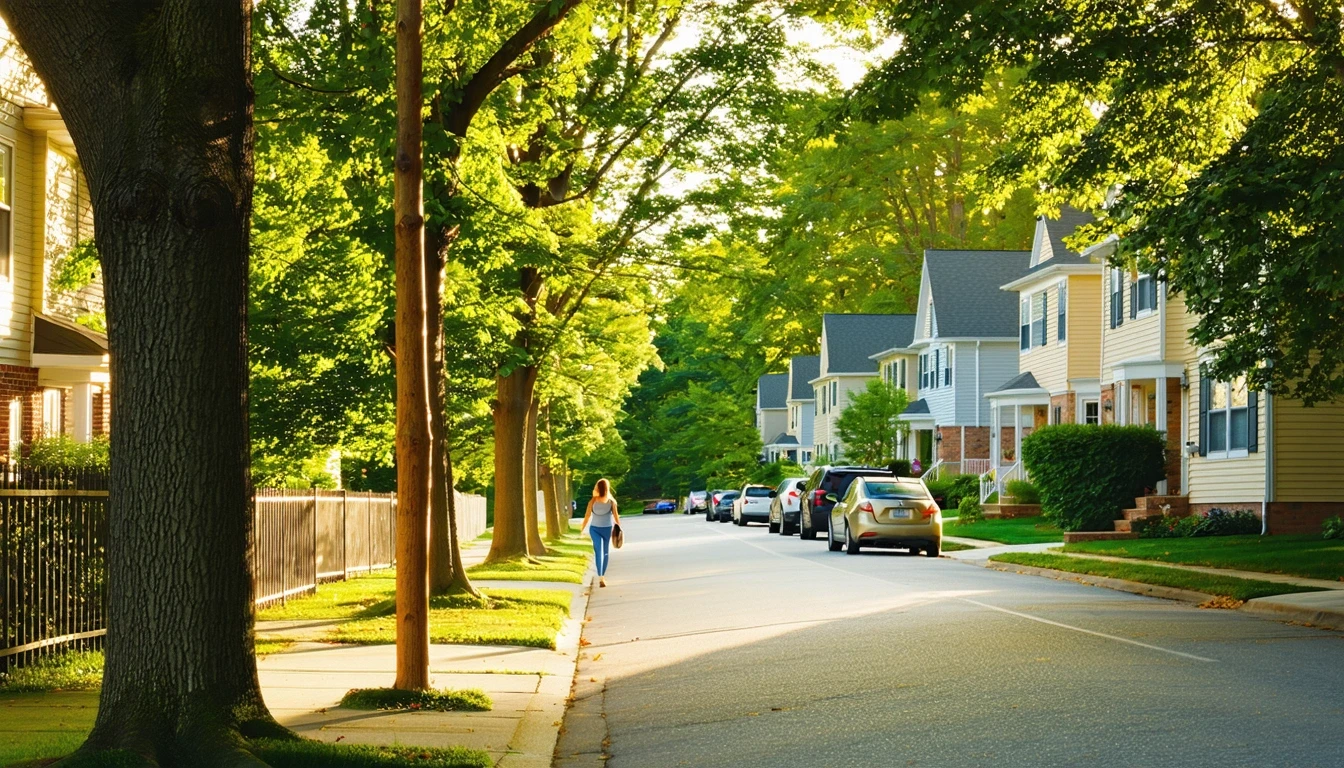
Fairfax earns a student-friendliness score of 78 out of 100, driven primarily by its walkable pockets near campus, broadly accessible food and grocery options, and notable bike infrastructure that reduces transportation costs. The city’s structure supports students who want to minimize car dependency: pedestrian-to-road ratios exceed high thresholds in campus-adjacent neighborhoods, and bike-to-road ratios indicate cycling infrastructure throughout parts of the city. This means students living near the university core can often walk to classes, bike to grocery stores, and access daily errands without the expense and hassle of maintaining a vehicle.
The presence of George Mason University creates a concentrated student community with purpose-built amenities. High food and grocery density means students don’t face long trips for essentials, and park density exceeds high thresholds, providing outdoor study spaces and recreation areas that integrate into daily campus life. The city’s unemployment rate sits at just 2.5%, signaling a strong job market for students seeking part-time work to offset living costs. Bus service connects campus to the broader metro area, though the absence of rail transit means students accessing DC internships face longer commute times compared to Metro-adjacent college towns.
What distinguishes Fairfax from purely commuter campuses is the mixed land use that blends residential and commercial zones. Students encounter both campus-focused services and broader community infrastructure, creating opportunities to engage with professional networks, volunteer organizations, and career-building activities beyond the university bubble. The city’s location in the Washington, DC metro area positions students for internships, networking events, and post-graduation job searches without requiring relocation during their academic years.
Housing Options for Students
On-campus housing at George Mason University provides the most straightforward option for first-year students and those prioritizing convenience. University-managed residence halls eliminate lease negotiations, utility setup, and roommate-finding logistics, though availability often tightens for upperclassmen as demand exceeds supply. Students who secure on-campus spots benefit from immediate access to academic buildings, campus dining, and student services, but they trade autonomy and often pay a premium for the convenience.
The off-campus rental market in Fairfax reflects the city’s median gross rent of $1,972 per month, a figure that represents family-sized apartments and single-occupant units rather than student-specific housing. Students typically navigate this market by sharing apartments, where a two-bedroom unit split between two people might cost each student $900–$1,100 per month, and a three-bedroom shared among three students might drop individual costs to $800–$950 per month. Purpose-built student housing complexes near campus often include utilities, internet, and furniture in the rent, simplifying budgeting but sometimes raising the per-person cost compared to traditional apartment sharing.
Lease terms in Fairfax generally follow 12-month cycles, which can create complications for students with summer internships elsewhere or those studying abroad. Some landlords offer individual leases in student-focused complexes, meaning each tenant signs separately and isn’t liable for roommates who break their lease. Traditional apartments usually require all tenants to sign jointly, creating shared financial responsibility. Security deposits typically equal one month’s rent, and landlords may require proof of income or a co-signer for students without employment history. Roommate-finding resources include university housing boards, Facebook groups for GMU students, and off-campus housing services that match students by lifestyle preferences and budget constraints.
Proximity to campus creates a clear cost gradient. Apartments within walking distance of GMU’s main academic buildings command higher rents but eliminate transportation costs and time. Units requiring a bus commute or short drive cost less per month but add transportation expenses and reduce flexibility for late-night study sessions or early-morning classes. Students must weigh whether the savings justify the logistical friction, especially during exam periods when campus access at odd hours becomes valuable.
Getting Around: Transportation and Campus Access
Fairfax’s transportation landscape divides into two distinct experiences depending on where students live. Those in walkable pockets near campus benefit from pedestrian infrastructure that supports car-free living: sidewalks connect residential areas to academic buildings, grocery stores cluster within biking distance, and the campus itself functions as a pedestrian-first zone. Students in these areas often find that a bike and a bus pass cover most mobility needs, keeping monthly transportation costs low and eliminating parking hassles.
Bus service provides the primary public transit option, with routes connecting campus to surrounding neighborhoods and the broader metro area. Students typically qualify for discounted transit passes, reducing the cost of regular commuting. However, the absence of rail transit means trips to Washington, DC for internships, cultural events, or networking require either a longer bus journey or access to a car. This limitation doesn’t prevent DC access, but it does add time and planning friction compared to college towns with direct Metro connections.
The city’s notable bike infrastructure—evidenced by bike-to-road ratios exceeding high thresholds—supports students who want low-cost, flexible transportation. Bike lanes and paths connect residential areas to campus and commercial corridors, making cycling a practical option for daily errands and class commutes. Students who invest in a reliable bike and basic safety equipment often find it covers most local trips, with bus service filling gaps during bad weather or longer distances. Parking availability varies: on-campus parking requires permits and often involves competition for spaces, while off-campus apartments may include one assigned spot per unit, creating challenges for students sharing a place who each own a car.
Campus shuttle services typically run during peak academic hours, connecting parking lots, residence halls, and classroom buildings. These reduce the need for students to drive between campus locations, but they don’t replace broader transportation infrastructure. Ride-sharing costs in Fairfax align with suburban metro-area pricing: a trip from an off-campus apartment to campus might run $8–$12, making it an expensive daily option but reasonable for occasional late-night returns or trips with heavy cargo like move-in supplies.
Car necessity depends heavily on housing location and lifestyle. Students living in walkable pockets near campus and working part-time jobs accessible by bike or bus can often avoid car ownership entirely, saving on insurance, maintenance, gas, and parking costs. Those living farther out, pursuing internships in DC suburbs, or frequently traveling home to other regions may find a car essential despite the expense. The decision hinges on whether the student’s daily routine fits within the walkable and transit-accessible zones or requires regular trips beyond them.
Student Cost of Living
Monthly budgets for students in Fairfax vary significantly based on housing arrangements and lifestyle choices, but three general tiers capture the range. A frugal budget assumes shared housing, minimal dining out, reliance on biking and bus transit, used textbooks, and limited entertainment spending. A moderate budget includes occasional restaurant meals, some ride-sharing, new textbooks when required, and regular social activities. A comfortable budget allows for solo or less-crowded housing, frequent dining out, car ownership, new textbooks and course materials, and active participation in entertainment and travel.
Food costs represent a major variable. Students on university meal plans pay a fixed rate per semester, simplifying budgeting but often paying a premium for convenience. Those cooking at home benefit from Fairfax’s high grocery density—food and grocery establishment density both exceed high thresholds—which creates competition and keeps prices accessible. A student cooking most meals might spend $250–$350 per month on groceries, while one mixing home cooking with occasional restaurant meals might reach $400–$500 per month. Dining out regularly, especially at campus-adjacent restaurants, can push food costs to $600 or more per month.
Textbook and course material costs fluctuate by major and semester. STEM courses often require expensive lab manuals and access codes, while humanities courses may involve multiple paperback books available used. Students who rent textbooks, buy used copies, or use library reserves can keep costs to $200–$400 per semester, while those purchasing new materials each term may face $600–$800 per semester or more. Spreading these costs across monthly budgets helps smooth the financial impact.
Entertainment and personal expenses depend on social habits. Students active in campus organizations often find free or low-cost events, while those seeking off-campus nightlife, concerts, or weekend trips to DC face higher costs. A modest entertainment budget might allocate $100–$150 per month, while more active social calendars could require $250–$400 per month. Personal care items, phone bills, and miscellaneous expenses typically add another $75–$150 per month.
Part-time job opportunities in Fairfax benefit from the city’s 2.5% unemployment rate, which signals a tight labor market and relatively abundant openings. On-campus jobs—library assistants, dining hall staff, research assistants—often pay $12–$16 per hour and offer schedule flexibility around classes. Off-campus retail, food service, and tutoring positions may pay similarly, with some specialized roles like IT support or skilled trades apprenticeships offering higher wages. Students working 10–15 hours per week can typically earn $500–$900 per month, meaningfully offsetting living costs without overwhelming academic commitments.
Monthly Student Budget in Fairfax
Here’s what a typical monthly student budget might look like in Fairfax:
| Expense Category | Shared Housing | Solo Living |
|---|---|---|
| Housing (rent + utilities) | $900–$1,100 | $1,400–$1,700 |
| Food (groceries + dining) | $300–$450 | $350–$500 |
| Transportation | $50–$100 | $150–$300 |
| Textbooks (monthly avg) | $50–$100 | $50–$100 |
| Entertainment | $100–$200 | $150–$300 |
| Personal care | $50–$75 | $75–$100 |
| Miscellaneous | $75–$125 | $100–$150 |
| Total | $1,525–$2,150 | $2,275–$3,150 |
Estimates based on average student spending patterns and local costs. Actual expenses vary by lifestyle, housing location, and transportation choices.
Student-Friendly Amenities and Services
Fairfax’s amenity landscape reflects both its college-city identity and its broader suburban character. Study spaces extend beyond campus libraries to include coffee shops with reliable Wi-Fi, public library branches, and park benches in green spaces where park density exceeds high thresholds. Students seeking quiet work environments outside dorm rooms or crowded campus buildings often rotate among these options, balancing atmosphere, noise levels, and proximity to home or campus.
Gym facilities include both university recreation centers—typically free or low-cost for enrolled students—and commercial gyms offering student discounts. The integrated park access provides outdoor recreation opportunities: jogging trails, pickup sports fields, and open spaces for yoga or casual exercise. Students active in intramural sports or club athletics benefit from campus-organized leagues, while those preferring independent fitness routines find the park infrastructure supports regular outdoor activity without membership fees.
Healthcare services in Fairfax operate at a routine local level, with clinics present but no hospital facility within the immediate city boundaries. George Mason University typically operates a student health center providing basic medical care, vaccinations, and mental health counseling. Students with more serious health needs or specialized care requirements access facilities in the broader metro area. Pharmacies are present throughout the city, making prescription fills and over-the-counter medication accessible without long trips.
Mental health resources have expanded on college campuses in recent years, and GMU likely offers counseling services, crisis support, and wellness programming. Students should verify availability, wait times, and whether services are included in tuition or billed separately. Off-campus therapists and counselors practice in Fairfax, though costs and insurance acceptance vary. The presence of routine local healthcare means students can address common health concerns—flu, minor injuries, routine checkups—without navigating complex hospital systems, but they should establish care relationships early rather than waiting for urgent needs.
Student discounts appear at local businesses, particularly those near campus or in commercial corridors frequented by the college population. Restaurants, coffee shops, entertainment venues, and retail stores may offer percentage discounts or special pricing with a valid student ID. These savings accumulate over time, making it worthwhile to ask about student pricing even when not advertised. Campus job opportunities range from work-study positions to department-specific roles like research assistants, teaching assistants, or administrative support, providing both income and résumé-building experience.
Social Scene and Nightlife
The social scene in Fairfax centers primarily on campus life rather than citywide nightlife. George Mason University hosts student organizations spanning academic interests, cultural groups, recreational clubs, and volunteer networks. Students build social circles through these organizations, residence hall communities, and class cohorts. Campus events—speakers, performances, themed activities—provide regular programming, especially during the academic year when student density peaks.
Intramural sports leagues offer structured competition for students who played recreationally in high school or want to stay active without varsity commitment. Club sports provide a middle ground between intramurals and varsity athletics, often involving travel to compete against other universities. Both create social networks and regular schedules that structure free time and build friendships around shared interests.
Local nightlife skews toward the 21-and-over crowd, with bars and venues concentrated in commercial areas rather than distributed throughout residential neighborhoods. Students under 21 often find social options limited to campus events, house parties, and all-ages entertainment like movie theaters, bowling alleys, or concert venues. Those over 21 access a broader range of options, though Fairfax’s nightlife doesn’t rival urban college towns with dense bar districts. Students seeking more active nightlife often travel to Washington, DC or Arlington, where Metro-accessible neighborhoods offer concentrated entertainment options.
Cultural activities include concerts, festivals, and community events that draw both students and residents. The city’s mixed land use and family infrastructure mean students encounter a community beyond the campus bubble, which can feel either enriching or limiting depending on preferences. Some students appreciate the stability and safety of a family-oriented suburb, while others find it less vibrant than college towns where student culture dominates the city’s identity.
The dating scene and social networking opportunities depend heavily on engagement with campus life. Students active in organizations, attending events, and participating in study groups build larger social networks and encounter more potential connections. Those living off-campus and commuting primarily for classes may find it harder to integrate socially, requiring intentional effort to join clubs or attend campus programming. The presence of both residential and commuter students creates a mixed social dynamic, with some students deeply embedded in campus culture and others treating college more as a series of classes than a total environment.
Safety and Practical Considerations
Campus safety measures at George Mason University typically include campus police, emergency call boxes, late-night escort services, and safety programming during orientation. Students should familiarize themselves with these resources early, noting emergency contact numbers and understanding how to report concerns or request assistance. The broader Fairfax community maintains its own police and emergency services, with response times and service quality reflecting suburban metro-area standards.
Off-campus safety varies by neighborhood. Areas with high pedestrian density and mixed land use—where students, families, and professionals share sidewalks and commercial spaces—tend to feel safer due to natural surveillance and regular foot traffic. More isolated residential pockets or areas requiring walking along roads without sidewalks may feel less secure, especially at night. Students considering off-campus housing should visit neighborhoods at different times of day, assess lighting and pedestrian activity, and ask current residents about their experiences.
Academic support services at the university level typically include tutoring centers, writing labs, supplemental instruction for challenging courses, and office hours with professors and teaching assistants. Students struggling with coursework should access these resources early rather than waiting until grades suffer. The strong family infrastructure in Fairfax—high school and playground density exceeding thresholds—suggests a community that values education, which often correlates with libraries, study resources, and academic support beyond the campus itself.
Internship opportunities benefit enormously from Fairfax’s location in the Washington, DC metro area. Federal agencies, nonprofits, consulting firms, and contractors seek interns, particularly in fields like public policy, international relations, cybersecurity, and data science. Students at GMU can leverage this proximity to build résumés, explore career paths, and establish professional networks before graduation. However, the absence of rail transit means students without cars face longer commute times to internships outside Fairfax, requiring either bus transfers or reliance on ride-sharing for positions not accessible via direct bus routes.
Career services access through the university provides résumé reviews, mock interviews, job search workshops, and employer networking events. Students should engage with these services early—freshman and sophomore years—rather than waiting until senior year when job searches become urgent. Building relationships with career advisors, attending employer information sessions, and participating in career fairs creates pathways to internships and post-graduation employment.
FAQs About Student Life in Fairfax
What’s the average cost of student living in Fairfax?
Students sharing apartments typically budget $1,525–$2,150 per month including rent, food, transportation, and personal expenses. Solo living raises costs to $2,275–$3,150 per month. Actual expenses depend on housing location, transportation choices, and lifestyle habits. Students living in walkable areas near campus and cooking most meals land toward the lower end, while those with cars, frequent dining out, and solo apartments reach the higher end.
How safe is it for students to live off-campus?
Safety varies by neighborhood. Areas with high pedestrian activity, mixed land use, and proximity to campus tend to feel secure due to regular foot traffic and natural surveillance. Students should visit potential neighborhoods at different times, assess lighting and sidewalk infrastructure, and talk to current residents. Campus police and local emergency services provide coverage, and students can access safety escorts and emergency call systems on campus.
Are there good part-time job opportunities?
Yes. Fairfax’s 2.5% unemployment rate signals a strong job market. On-campus positions offer schedule flexibility and typical wages of $12–$16 per hour. Off-campus retail, food service, tutoring, and specialized roles provide similar or higher pay. Students working 10–15 hours per week can earn $500–$900 per month, meaningfully offsetting living costs without overwhelming academic commitments.
What’s the social scene like for college students?
Social life centers on campus organizations, intramural sports, and university events rather than citywide nightlife. George Mason University hosts a range of clubs and activities that build community. Off-campus nightlife exists but is more limited than in urban college towns, with many venues age-restricted to 21+. Students seeking active nightlife often travel to Washington, DC or Arlington. The mixed community—students, families, professionals—creates a stable environment that some find enriching and others find less vibrant than student-dominated college towns.
Making the Decision: Is Fairfax Right for Your College Years?
Fairfax offers a compelling package for students who value walkable campus-adjacent living, access to Washington, DC career opportunities, and a community that balances student life with broader suburban stability. The city’s walkable pockets, notable bike infrastructure, and broadly accessible errands support students who want to minimize transportation costs and live car-free. George Mason University’s presence creates a concentrated student community with purpose-built amenities, and the strong job market provides part-time work opportunities to offset living costs.
The primary tradeoffs involve housing costs and transit limitations. While shared apartments bring per-person rent into manageable ranges, Fairfax’s baseline costs exceed many college towns outside major metro areas. The absence of rail transit means students pursuing DC internships or frequent urban activities face longer commute times compared to Metro-adjacent alternatives. Social life tilts toward campus programming rather than citywide nightlife, which suits some students and disappoints others.
Prospective students should visit campus and surrounding neighborhoods, assess whether their academic program aligns with GMU’s strengths, and consider whether proximity to DC’s professional opportunities justifies the higher cost of living. Those planning careers in government, policy, technology, or fields with strong DC presence gain significant value from four years of local networking and internship access. Students prioritizing low cost of living or vibrant off-campus nightlife may find better fits elsewhere.
Parents evaluating Fairfax should consider the city’s safety profile, the quality of academic support services, and whether their student thrives in structured campus environments or needs the energy of student-dominated college towns. The decision ultimately hinges on matching the student’s academic goals, financial constraints, lifestyle preferences, and career trajectory to what Fairfax specifically offers—not what college towns offer in general, but what this particular place enables and constrains.
For students like Maya, standing in that parking lot weighing proximity against price, the answer depends on how much she values time over money, whether she owns a car, and how her daily routine—classes, work, social life—maps onto Fairfax’s geography. The city rewards students who engage deeply with campus life, leverage DC opportunities, and build routines around walkable and bikeable infrastructure. It challenges those who expect low costs, seamless transit, or nightlife that rivals urban centers. Understanding those dynamics before committing transforms the decision from a guess into a strategic choice aligned with personal priorities and realistic expectations. For more context on how different expenses add up, see Your Monthly Budget in Fairfax: Where It Breaks.
How this article was built: In addition to public economic data, this article incorporates location-based experiential signals derived from anonymized geographic patterns—such as access density, walkability, and land-use mix—to reflect how day-to-day living actually feels in Fairfax, VA.