
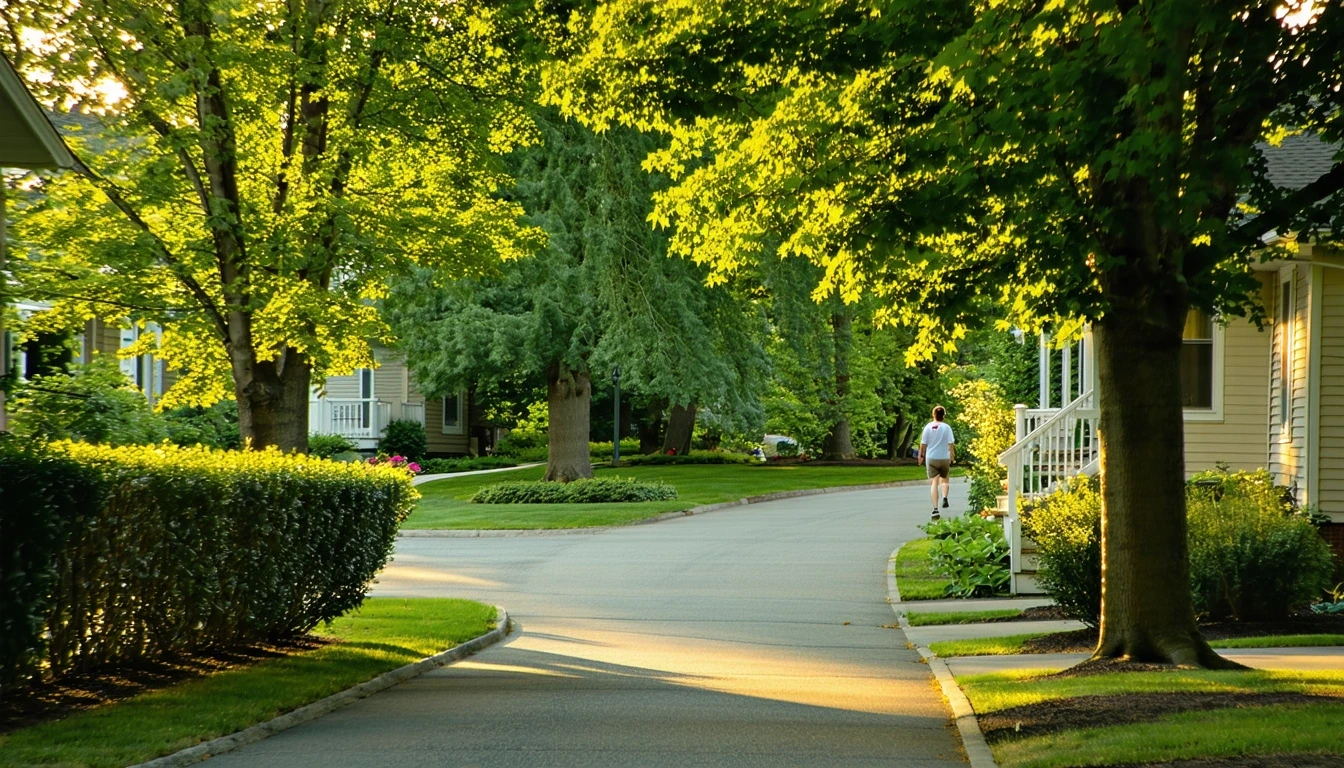
Apartment vs House in Fairfax — Monthly Cost Comparison
| Expense Category | Apartment | House |
|---|---|---|
| Base Rent/Mortgage | $1,972/month median rent | Payment based on $649,600 median value (varies widely by down payment and rate) |
| Property Tax | Included in rent | Paid directly; exposure increases with assessed value |
| Utilities (Heating/Cooling) | Moderate (shared walls reduce loss; smaller conditioned space) | Higher (standalone structure; larger square footage; seasonal intensity from cold winters and warm summers) |
| Maintenance & Repairs | Landlord responsibility | Owner responsibility (HVAC, roof, plumbing, appliances) |
| Outdoor Upkeep | None or minimal | Yard care, landscaping, seasonal cleanup (though integrated park access reduces necessity for some households) |
| HOA/Condo Fees | Common in newer complexes; may bundle amenities | Common in planned communities; typically covers common areas, not individual lot maintenance |
What drives these differences in Fairfax: The gap between apartment and house costs reflects both the high median home value and the structural exposure that comes with standalone ownership in a climate with cold winters and warm summers. Apartments benefit from shared-wall insulation and landlord-covered repairs, while houses carry full responsibility for heating, cooling, and maintenance across larger square footage. Fairfax’s strong park density and walkable pockets mean some households can reduce the need for private yard space, but ownership still includes seasonal outdoor upkeep and property tax paid directly rather than embedded in rent.
Why certain rows were excluded: Insurance costs vary by individual property characteristics and coverage choices rather than city-specific factors. Parking was omitted because off-street options are standard in both housing types in this suburban context, making it a weak cost differentiator.
The Housing Market in Fairfax Today
Fairfax sits in the Washington, D.C. metro area, where housing demand is shaped by federal employment, defense contractors, and regional institutions. The city itself is home to George Mason University, which adds a layer of rental demand from students, staff, and faculty. With a median home value of $649,600 and median gross rent of $1,972 per month, Fairfax reflects the broader metro’s price pressure while maintaining a slightly below-average regional price parity index of 97, meaning costs here run just under the metro baseline rather than above it.
What newcomers often misunderstand is that Fairfax is not a bedroom community in the traditional sense. More than half of workers here face long commutes—51% according to census data—but the city also supports walkable pockets with high pedestrian-to-road ratios, strong school density, and broadly accessible grocery and food options. This creates a split housing market: families willing to pay the entry cost for local schools and park access, and commuters who rent or buy here as a base for regional job access rather than hyperlocal employment.
The unemployment rate of 2.5% signals a tight labor market, which supports income stability but also sustains housing demand. Because the city functions as both a commuter suburb and a self-contained community with its own infrastructure, housing pressure doesn’t ease during economic slowdowns the way it might in purely residential areas.
Renting in Fairfax
Rental inventory in Fairfax includes older garden-style complexes, newer mid-rise buildings near commercial corridors, and single-family homes offered by individual landlords. The median gross rent of $1,972 per month reflects a market where location within the city matters significantly. Walkable neighborhoods with access to bus routes, parks, and grocery stores command premiums, while units farther from these amenities often come with the assumption that tenants will drive for most errands.
The college city designation introduces seasonal turnover, particularly in areas near campus. Leases often align with the academic calendar, and competition for units can spike in late spring and summer. Renters without school-age children may find this turnover advantageous, as it creates periodic availability, but families seeking stability often face pressure to renew early or risk losing a unit in a neighborhood with strong school access.
Because Fairfax offers bus service but no rail transit, renters who work elsewhere in the metro typically need a car unless their job is along a direct bus corridor. This limits the appeal of renting here for households seeking a car-free or car-light lifestyle. The average commute of 28 minutes reflects regional job dispersion, and renters should expect that commute time will vary significantly depending on destination and mode.
Owning a Home in Fairfax
Ownership in Fairfax means navigating a high entry cost—$649,600 at the median—but it also provides access to one of the region’s stronger public school systems and a built environment with integrated parks, playgrounds, and pedestrian infrastructure. For families, this tradeoff often makes sense if they plan to stay long enough to justify the upfront expense and can absorb the ongoing costs of property taxes, maintenance, and utilities.
Property taxes in Fairfax are paid directly by homeowners and adjust with assessed value, meaning ownership exposure grows alongside home appreciation. Unlike renting, where tax increases are absorbed gradually through lease renewals, owners face annual reassessment and must budget for potential increases. There is no cap or exemption data provided in the feed, so buyers should verify current rates and any available relief programs during the purchase process.
Homeowners also take on full responsibility for heating and cooling a standalone structure through cold winters and warm summers. Electricity rates of 15.27¢/kWh and natural gas prices of $15.45 per MCF are the baseline, but actual bills depend on home size, insulation quality, and system efficiency. Older homes may carry higher seasonal costs, while newer construction with better envelopes can reduce exposure.
HOA fees are common in planned communities and newer subdivisions, though their scope varies. Some cover only common area maintenance, while others include amenities like pools or landscaping. Buyers should clarify what’s included and whether fee increases are capped, as these costs are less flexible than discretionary spending.
Utilities & Upkeep Differences
Utility exposure in Fairfax is shaped by seasonal intensity rather than extreme climate. Winters bring cold temperatures that require consistent heating, and summers are warm enough to make air conditioning a necessity rather than a luxury. For apartment renters, shared walls and smaller square footage reduce heating and cooling loads, and many complexes include water, sewer, and trash in the rent. Electricity is often the only utility billed separately, and monthly costs tend to stay predictable outside of peak summer and winter months.
Homeowners face a different profile. Standalone houses lose heat and cool air more quickly than units with shared walls, and larger floor plans mean more space to condition. A typical household using 1,000 kWh per month would see an illustrative electricity bill around $153 before fees and taxes, but usage can climb significantly during heating and cooling seasons. Natural gas, where present, adds another layer of cost during winter months—illustratively, 1 MCF per month would run about $15.45, though actual usage varies by furnace efficiency and thermostat settings.
Maintenance responsibility is the sharper dividing line. Apartment tenants call the landlord when the HVAC fails or a pipe leaks. Homeowners pay for the service call, the parts, and the labor. In a housing market where the median home is valued at $649,600, the systems being maintained—roofs, HVAC units, water heaters—are scaled to that price tier, and replacement costs reflect it. Fairfax’s climate doesn’t impose the kind of extreme wear seen in coastal storm zones or desert heat, but seasonal freeze-thaw cycles and summer humidity still degrade roofs, siding, and seals over time.
Outdoor upkeep is another ownership-specific cost. Yards require mowing, seasonal cleanup, and occasional landscaping work. Fairfax’s high park density and integrated green space mean some households can reduce their reliance on private yards for recreation, but the maintenance obligation remains. Renters, by contrast, typically have no outdoor responsibility beyond a small patio or balcony.
Rent vs Buy: Long-Term Exposure in Fairfax
The decision between renting and owning in Fairfax is less about monthly payment comparisons and more about which cost structure aligns with a household’s risk tolerance and timeline. Renters face annual lease renewals, which means rent can adjust with market conditions. In a tight rental market supported by a 2.5% unemployment rate and steady regional job growth, upward pressure is common, though the magnitude and timing vary by landlord and location.
Owners, by contrast, lock in a portion of their housing cost if they finance with a fixed-rate mortgage, but they take on exposure in other areas. Property taxes adjust with assessed value, and there’s no ceiling on how much a home’s valuation can rise over time. Maintenance costs are episodic but unavoidable—HVAC systems, roofs, and water heaters all have finite lifespans, and replacement timing is unpredictable. Utility costs shift with usage and rates, and while owners can invest in efficiency improvements to reduce consumption, the upfront cost of those upgrades is theirs to bear.
Ownership also brings governance exposure. HOA fees can increase, and rules can change. Local tax policy can shift. Zoning decisions can affect neighborhood character. Renters can move at the end of a lease if conditions change; owners face transaction costs, timing risk, and market exposure if they need to sell.
The tradeoff is control and stability. Owners can modify their homes, lock in a location for school continuity, and avoid the risk of non-renewal or landlord sale. Renters maintain flexibility, avoid maintenance risk, and can relocate without transaction costs. In Fairfax, where home values are high and the rental market is active, both paths are viable depending on whether a household prioritizes flexibility or long-term cost predictability.
FAQs About Housing Costs in Fairfax
Is Fairfax affordable for renters compared to the rest of the D.C. metro?
Fairfax’s median gross rent of $1,972 per month sits below some inner-ring suburbs and D.C. proper, but it’s not a budget option. The regional price parity index of 97 suggests costs here run slightly below the metro average, but that’s a narrow margin. Renters gain access to walkable pockets, strong schools, and park density, which can reduce other household costs, but the rent itself remains a significant line item.
What makes Fairfax home values higher than nearby areas?
Fairfax combines metro access with local infrastructure—schools, parks, pedestrian-friendly neighborhoods, and broadly accessible errands. The presence of George Mason University adds institutional stability, and the 51% long-commute rate shows that many buyers are willing to pay for housing here even if they work elsewhere. Demand from families seeking school continuity and walkability supports pricing.
Do Fairfax homeowners face high property tax increases over time?
Property taxes in Fairfax adjust with assessed home values, and in a market where the median is $649,600, reassessment can produce noticeable increases. There’s no rate or cap data in the feed, so prospective buyers should verify current policy and any available exemptions. Owners should budget for the possibility that tax obligations will grow alongside home appreciation.
Can renters in Fairfax rely on public transit instead of owning a car?
Fairfax offers bus service, but no rail transit. The average commute is 28 minutes, and 51% of workers face long commutes, suggesting most residents drive. Renters who work along direct bus routes may manage without a car, but the system’s reach is limited compared to rail-served suburbs. Most households will find car ownership necessary for both commuting and errands.
How do utility costs in Fairfax compare between apartments and houses?
Apartments benefit from shared walls and smaller square footage, which reduces heating and cooling loads. Houses face higher exposure due to standalone construction and larger floor plans. Fairfax’s cold winters and warm summers create seasonal intensity in both housing types, but the magnitude is greater for homeowners. Electricity at 15.27¢/kWh and natural gas at $15.45/MCF set the baseline, but actual bills depend on usage, insulation, and system efficiency.
Making Housing Choices in Fairfax
Housing costs in Fairfax reflect the city’s position as both a commuter suburb and a self-contained community with strong schools, parks, and walkable infrastructure. The median home value of $649,600 creates a high entry point for ownership, but it also buys access to family-oriented amenities and neighborhoods where errands, schools, and green space are broadly accessible on foot or by bike. Renters pay $1,972 per month at the median and gain flexibility, but they also face annual lease renewals in a market supported by low unemployment and steady regional demand.
The choice between renting and owning here depends on whether a household values flexibility or long-term cost control, and whether they can absorb the upfront and ongoing costs of ownership in exchange for stability and governance. Families with school-age children often find the tradeoff worthwhile, especially if they plan to stay long enough to justify the entry cost. Single professionals and couples may prefer renting to maintain mobility within the broader metro job market.
Fairfax’s walkable pockets, strong family infrastructure, and integrated parks reduce some of the logistical and financial burdens common in car-dependent suburbs, but the city still requires most households to own a vehicle due to limited transit reach. Understanding where money goes in this market—and which costs are predictable versus volatile—helps households choose the housing path that fits their timeline, risk tolerance, and priorities. For those planning a move, reviewing moving company costs and options early can reduce last-minute logistics stress and help clarify the full transition expense.
How this article was built: In addition to public economic data, this article incorporates location-based experiential signals derived from anonymized geographic patterns—such as access density, walkability, and land-use mix—to reflect how day-to-day living actually feels in Fairfax, VA.