
Understanding what you’ll pay for utilities in Leawood means looking beyond the rate sheet—it’s about how Kansas summers and winters interact with your home’s systems, how your household uses energy day to day, and what you can actually control when bills spike. For many households, a peak-season electricity bill can hit $200 or more, a jolt that catches new residents off guard if they’re coming from milder climates or smaller spaces.
Utilities typically represent the second-largest fixed expense after housing, and in Leawood they behave less like a predictable line item and more like a variable cost that swings with the calendar. Electricity, water, natural gas, and trash collection each follow different billing structures—some usage-sensitive, some tiered, some bundled—and the way they add up depends heavily on your home type, neighborhood, and how much you’re running the AC or furnace in any given month.
For renters, utilities are often billed separately, though some apartment complexes include water and trash in the lease. Homeowners face the full stack: electric, gas, water, sewer, and trash, sometimes with stormwater or HOA fees layered on top. The difference between a $120 month and a $250 month often comes down to weather, not waste, which makes understanding exposure more useful than memorizing averages.
This breakdown walks through how each utility behaves in Leawood, what drives the swings, and where you have leverage to smooth out the peaks without sacrificing comfort.
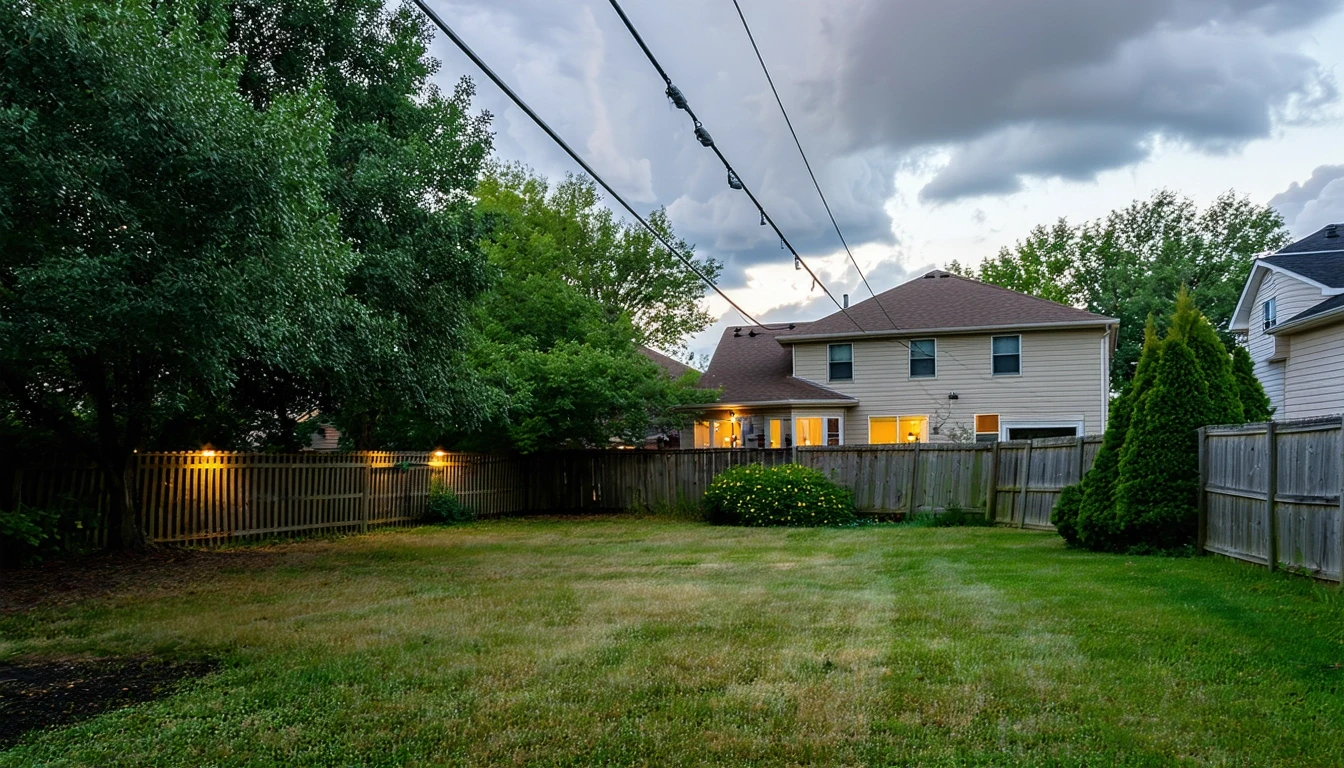
Utilities at a Glance in Leawood
The table below shows how core utility costs typically behave for a mid-size household in a single-family home in Leawood. Where city-level prices are available in the data feed, they are shown directly. When exact figures are not provided, categories are described qualitatively to reflect how costs are structured and what drives variability.
| Utility | Cost Structure |
|---|---|
| Electricity | ~$143/month (1,000 kWh at 14.29¢/kWh, illustrative, before fees) |
| Water | Tiered pricing; usage-dependent |
| Natural Gas | Billed per MCF; winter-driven, heating-dependent |
| Trash & Recycling | Often bundled with water or HOA |
| Total | Seasonal variability driven by electricity and heating |
This table reflects utility cost structure for a mid-size household in a single-family home in Leawood during 2026. Where exact figures are not provided in the IndexYard data feed, categories are described directionally to reflect how costs behave rather than a receipt-accurate total.
Electricity is typically the most exposure-sensitive utility in Leawood, driven more by climate and home efficiency than by base rates. At 14.29¢ per kilowatt-hour, the rate itself sits near the national midpoint, but consumption swings hard during July and August when air conditioning runs nearly nonstop. Older homes with minimal insulation or single-pane windows can see usage climb well above 1,000 kWh per month during peak summer, pushing bills into the $180–$220 range before fees. Spring and fall months, by contrast, often drop usage by half or more, making electricity the primary source of month-to-month volatility.
Water costs in Leawood follow a tiered structure, meaning the more you use, the higher the per-unit rate climbs. Lawn irrigation during dry stretches, filling pools, or running sprinkler systems can push households into higher tiers quickly. Many neighborhoods bundle water with sewer and stormwater fees, so the line item labeled “water” on your bill often includes multiple services. Conservation—shorter showers, efficient fixtures, smart irrigation—has a direct impact here, especially during summer when outdoor use dominates.
Natural gas in Leawood is billed per thousand cubic feet (MCF), with pricing at $12.56 per MCF as of the latest data. For most households, natural gas is a winter story: it heats the home, powers the water heater, and sometimes fuels the stove or dryer. Usage spikes from November through February, then drops to near-baseline the rest of the year. Homes with high-efficiency furnaces and programmable thermostats see notably lower winter peaks than older systems running on manual schedules.
Trash and recycling services in Leawood are typically bundled with water bills or covered through HOA fees, depending on your neighborhood. Standalone billing is less common but does exist in some areas. Costs are generally stable month to month, with occasional annual adjustments. Recycling is widely available, and most providers offer bulk pickup or yard waste collection seasonally, which can be a meaningful convenience for homeowners managing landscaping or spring cleanouts.
How Weather Impacts Utilities in Leawood
Leawood sits in a climate zone where both summer heat and winter cold demand active management. Triple-digit heat indices arrive most summers, often paired with high humidity that makes air conditioning work harder to maintain comfort. Cooling season stretches from late May into September, with July and August representing the peak load months. Homes without shade trees, poor attic ventilation, or south- and west-facing windows see the highest electricity draws during this period.
Winter brings cold snaps that can push overnight lows well below freezing, sometimes for extended stretches. Natural gas consumption climbs sharply as furnaces cycle more frequently, and electric baseboards or heat pumps—if present—add to the electric bill instead. The swing between a mild October and a frigid January can double or triple heating-related utility costs, making winter the second-largest exposure window after summer.
Many Leawood households experience noticeably higher electric bills during peak summer compared to spring, with the difference often exceeding $80–$100 per month. The variability isn’t just weather—it’s also behavioral. Families spend more time indoors during extreme heat, running fans, charging devices, cooking, and keeping lights on longer. The cumulative effect turns what looks like a modest rate into a significant monthly obligation when usage climbs.
How Leawood’s Layout Shapes Daily Utility Exposure
Leawood’s structure—broadly accessible grocery and food options, integrated parks, and strong family infrastructure—means households spend less time driving to distant errands and more time managing home-based routines. That shift has a quiet but real impact on utilities: more meals cooked at home rather than eaten out, more laundry cycles, more showers after outdoor play, and more consistent HVAC use during the day when families are present. Walkable pockets and nearby green space encourage outdoor activity, which can reduce indoor cooling load during mild evenings, but the convenience of staying local also means the home is occupied—and conditioned—more hours per week than in car-dependent suburbs where households scatter throughout the day.
How this article was built: In addition to public economic data, this article incorporates location-based experiential signals derived from anonymized geographic patterns—such as access density, walkability, and land-use mix—to reflect how day-to-day living actually feels in Leawood, KS.
How to Save on Utilities in Leawood
Reducing utility costs in Leawood isn’t about deprivation—it’s about timing, efficiency, and leveraging programs that already exist. Many providers in the Kansas City metro area offer time-of-use rates or budget billing plans that smooth out seasonal swings, making it easier to predict monthly expenses without sacrificing comfort. Smart thermostats, which learn your schedule and adjust heating and cooling automatically, can reduce runtime without manual intervention, cutting both electric and gas usage.
Shade trees planted strategically on the south and west sides of a home can lower indoor temperatures by several degrees during summer, reducing the load on air conditioning. Insulation upgrades—especially in attics and around ductwork—prevent conditioned air from escaping, which helps in both summer and winter. Appliance rebates for energy-efficient AC units, water heaters, and furnaces are periodically available through utility providers or state programs, and they can offset a significant portion of upgrade costs.
Other practical levers include:
- Switching to LED bulbs throughout the home, which use a fraction of the energy of incandescent lighting
- Running dishwashers and laundry during off-peak hours if your provider offers time-of-use pricing
- Installing low-flow showerheads and faucet aerators to reduce both water and water-heating costs
- Sealing air leaks around windows, doors, and outlets to prevent drafts and reduce HVAC cycling
- Using ceiling fans to circulate air, allowing you to set the thermostat a few degrees higher in summer
- Scheduling annual HVAC maintenance to keep systems running efficiently and catch small issues before they become expensive failures
🏆 Tip: Check if your provider in Leawood offers rebates for energy-efficient AC units or heating systems—these programs can reduce upfront costs and lower long-term bills.
FAQs About Utility Costs in Leawood
Why are utility bills so high in Leawood during summer?
Summer heat and humidity drive air conditioning usage well above baseline, often doubling or tripling electricity consumption compared to spring. Homes with older HVAC systems, poor insulation, or minimal shade see the steepest increases.
Do HOAs in Leawood usually include trash or water in their fees?
Many HOAs in Leawood bundle trash and sometimes water or sewer into monthly dues, but it varies widely by neighborhood. Standalone single-family homes typically receive separate utility bills for each service.
How does seasonal weather affect monthly utility bills in Leawood?
Winter heating and summer cooling create the two largest cost peaks. Natural gas usage spikes from November through February, while electricity climbs sharply from June through August. Spring and fall months are notably lower for both.
Do utility providers in Leawood offer budget billing or equalized payment plans?
Many providers in the Kansas City metro area offer budget billing, which averages your annual usage into equal monthly payments. This smooths out seasonal swings and makes budgeting more predictable, though you’ll still settle up any difference at year-end.
What is the average winter heating cost in Leawood?
Winter heating costs depend heavily on home size, insulation, and furnace efficiency, but natural gas-heated homes typically see usage rise significantly during cold snaps. Homes with programmable thermostats and modern furnaces experience lower peaks than older systems running continuously.
How Utilities Fit Into the Cost Structure in Leawood
Utilities in Leawood function as a variable cost layer beneath housing, one that responds to weather, household behavior, and home characteristics rather than fixed pricing. Electricity dominates the volatility, natural gas adds winter exposure, and water costs scale with outdoor use and household size. Together, they create a monthly obligation that can swing by $100 or more depending on the season, making them a meaningful factor in overall living costs but not the primary driver of affordability.
For households budgeting carefully, the key insight is that utilities reward efficiency and planning more than most other expense categories. A well-insulated home with a modern HVAC system and thoughtful landscaping will consistently outperform a larger, older home with poor airflow and no shade, even if the base rates are identical. The difference compounds over years, turning what looks like a small monthly gap into a significant cumulative advantage.
Understanding how utilities behave in Leawood—what drives the peaks, where you have control, and how to smooth out the swings—gives you leverage over one of the few major expenses that isn’t fixed by contract or market rate. It’s not about eliminating the bill; it’s about making sure you’re not paying for waste, inefficiency, or avoidable exposure when better options exist.
For a fuller picture of how utilities interact with housing, transportation, and other monthly obligations, explore the broader cost breakdowns and budget planning resources available through IndexYard’s Leawood hub.