
How much is enough to feel at ease? In The Village, the answer depends less on hitting a specific number and more on whether your income absorbs the friction built into daily life here—friction that comes from car dependency, sparse food access, and seasonal utility swings, not just from rent or mortgage totals.
This article explains how income pressure actually works in The Village, helping you judge whether your earnings and lifestyle expectations align with the structural realities of this low-rise Oklahoma City suburb.
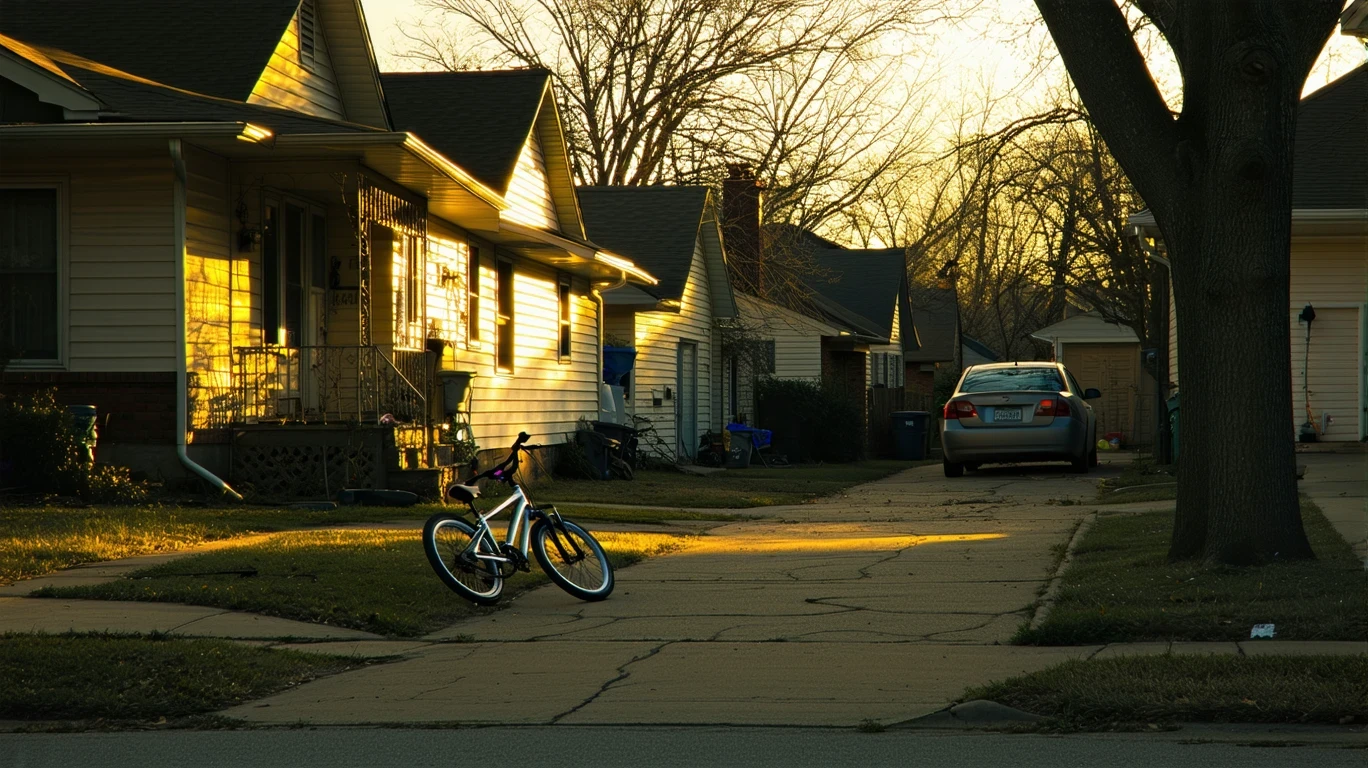
What “Living Comfortably” Means in The Village
Comfort in The Village isn’t about luxury—it’s about control. It means choosing housing based on fit rather than affordability alone, absorbing a $200 summer electricity spike without rearranging your month, and driving to errands without constantly calculating fuel costs against your grocery list.
The Village sits in a climate zone with extended cooling seasons and occasional winter heating demands. Homes here are low-rise and spread out, with integrated parks and strong school infrastructure but limited walkable food access. Comfort means your income covers not just the predictable bills, but the planning burden and time costs that come with a car-dependent, errand-sparse layout.
Expectations around spontaneity, dining out frequently, or running quick errands on foot don’t match the infrastructure here. Comfort requires accepting that convenience costs time, and that healthcare access beyond pharmacies means driving to nearby areas.
Where Income Pressure Shows Up First
Housing choice is the first stress point. The Village offers a median gross rent of $1,351 per month and a median home value of $172,300, both shaped by a regional price parity index of 74—meaning costs here run lower than the national baseline. But lower costs don’t eliminate tradeoffs. Renters face limited inventory and must weigh proximity to work, schools, and parks against monthly payments. Buyers confront property taxes, insurance sensitive to Oklahoma weather exposure, and maintenance on older low-rise housing stock.
Utility volatility is the second pressure point. Electricity rates of 12.62¢ per kWh combine with extended summer heat to create cooling bills that dominate warm-weather budgets. Natural gas priced at $10.78 per MCF drives heating costs during cold snaps. Households that can’t absorb a seasonal swing feel the squeeze every time temperatures spike or drop.
Transportation is the third structural cost. The Village has notable cycling infrastructure and walkable pockets, but daily errands remain car-dependent due to sparse food establishment density despite high grocery density. Gas prices of $3.47 per gallon translate into steady fuel expenses for commuting, errands, and family logistics. Distance and frequency compound quickly, and households without flexibility in their transportation budget feel every trip.
For families, the tradeoff sharpens. The Village offers strong school and playground density—infrastructure that supports child-rearing—but healthcare access is limited to pharmacies, with no hospital or clinics within city boundaries. Routine care requires planning and driving, adding time costs that don’t show up in expense averages but shape daily life.
How the Same Income Feels Different by Household
Households at similar income levels often experience very different pressure depending on structure, expectations, and how they navigate The Village’s layout.
Single adults benefit from lower housing costs relative to larger metros, and the regional price parity index of 74 stretches income further for basics. But car dependency and limited healthcare access create friction. A single person who values walkable errands or quick access to medical care will feel constrained by the need to plan, drive, and manage logistics solo. Those who prioritize outdoor access and low cost over spontaneity find The Village more forgiving.
Couples without children gain leverage from dual incomes against moderate housing costs. The median household income of $67,524 per year reflects a community where many households share earnings. But lifestyle expectations around dining, entertainment, and convenience face structural limits. Sparse food establishment density means fewer casual dining options within walking distance, and errands require intentional planning rather than impulse stops. Couples who adapt to a slower, car-oriented rhythm feel comfortable; those expecting urban-style variety and access feel the gap.
Families with children experience the sharpest divergence. Strong school and playground infrastructure reduces the cost and stress of finding quality childcare and education. Integrated parks and water features support outdoor play without requiring expensive memberships or travel. But household logistics become more complex. Sparse food access means grocery runs are planned events, not quick stops. Limited healthcare access means pediatric care, urgent visits, and specialist appointments require driving to neighboring areas. Families with flexibility in schedule and transportation feel supported by the infrastructure; those juggling tight work hours and multiple children feel the planning burden acutely.
The Comfort Threshold (Qualitative)
Comfort in The Village emerges at the point where choices expand and bills stop dictating behavior. It’s the transition from “Can I afford this apartment?” to “Which neighborhood fits my commute and lifestyle?” It’s when a $200 summer utility spike is annoying but absorbable, not a crisis. It’s when driving to errands feels like a neutral fact rather than a constant budget calculation.
This threshold isn’t a number—it’s a state where income covers fixed costs, absorbs seasonal volatility, and leaves room for tradeoffs. It’s when saving becomes plausible rather than aspirational, and when unexpected expenses (car repair, medical co-pay, home maintenance) don’t cascade into financial stress.
For some households, this threshold arrives earlier because expectations align with The Village’s structure: car dependency is assumed, planning is routine, and convenience is deprioritized. For others, it arrives later or not at all, because the friction between lifestyle expectations and local infrastructure creates persistent dissatisfaction that income alone can’t resolve.
Why Online Cost Calculators Get The Village Wrong
Most cost-of-living calculators reduce The Village to a set of averages: median rent, typical utilities, estimated transportation. They miss the structural realities that shape how money actually feels here.
Calculators don’t account for sparse food access, which turns grocery shopping into a planned expedition rather than a quick errand. They don’t capture the time cost of driving to healthcare, or the planning burden of managing family logistics across a low-density layout. They don’t reflect the seasonal utility swings driven by extended cooling seasons, or the cumulative fuel expenses of car-dependent errands.
Totals mislead because they ignore friction. Two households with identical incomes and expense averages experience very different realities if one expects walkable convenience and the other accepts car-oriented planning. Calculators can’t measure adaptability, expectations, or the emotional cost of mismatched infrastructure.
People feel surprised after moving because they underestimated how much structure shapes daily life. The Village works well for households whose rhythms align with its layout. For others, the gap between expectation and reality creates persistent low-level stress that no budget can eliminate.
How to Judge Whether Your Income Fits The Village
Instead of asking “Is my income high enough?” ask whether your income and expectations align with how The Village actually works.
How sensitive are you to housing tradeoffs? Can you accept limited rental inventory, or prioritize homeownership despite maintenance and insurance exposure? Does proximity to parks and schools outweigh proximity to dining and entertainment?
Can you absorb seasonal utility swings? Will a summer cooling bill that spikes with extended heat feel manageable, or will it force you to defer other spending? Do you have room in your budget for volatility, or does every bill need to be predictable?
Is time or money your limiting factor? If errands require driving and planning, does that feel like a reasonable tradeoff for lower housing costs, or does it create friction you can’t tolerate? Can you manage healthcare trips to neighboring areas, or do you need immediate local access?
How much flexibility do you expect month to month? Does your income allow for spontaneous spending, or do you operate on a fixed plan? The Village rewards planning and penalizes spontaneity—households that thrive here build routines around its structure rather than fighting it.
Do your lifestyle expectations match the infrastructure? If you value walkable errands, frequent dining out, or quick access to services, The Village will feel limiting no matter your income. If you prioritize outdoor space, strong schools, and lower costs over convenience, the fit improves significantly.
FAQs About Living Comfortably in The Village
What income level do most people in The Village earn?
The median household income in The Village is $67,524 per year. This reflects a mix of single earners, dual-income couples, and families. Many households share earnings to manage housing, transportation, and seasonal utility costs. Income alone doesn’t determine comfort—how well your earnings absorb the structural costs and planning burden of life here matters more.
Is The Village affordable compared to other Oklahoma City suburbs?
The Village benefits from a regional price parity index of 74, meaning costs run lower than the national baseline. Housing, utilities, and groceries cost less in absolute terms than in higher-cost metros. But affordability is relative to expectations. Households that accept car dependency, sparse food access, and limited healthcare feel the lower costs as a genuine advantage. Those expecting urban-style convenience find the tradeoffs harder to justify, even at lower price points.
Can a single income support a family in The Village?
It depends on the income level, housing choice, and lifestyle expectations. The Village offers strong school and playground infrastructure, which reduces childcare and education pressure. But car dependency, sparse food access, and limited healthcare create logistical complexity that single-income families must navigate with time rather than money. Families that can absorb seasonal utility swings, manage transportation costs, and plan around errand friction find it workable. Those operating on tight margins feel the squeeze when any variable—fuel, utilities, maintenance—spikes.
How do utility costs affect comfort in The Village?
Utility costs in The Village are driven by extended cooling seasons and occasional heating demands. Electricity rates of 12.62¢ per kWh combine with summer heat to create bills that dominate warm-weather budgets. Natural gas priced at $10.78 per MCF drives heating costs during cold snaps. Comfort depends on whether your income absorbs these swings without forcing tradeoffs elsewhere. Households with budget flexibility treat seasonal spikes as routine; those without feel the volatility as persistent stress.
What’s the biggest financial surprise people face after moving to The Village?
The biggest surprise is the gap between low headline costs and high structural friction. Rent and groceries cost less than in larger metros, but car dependency, sparse food access, and limited healthcare create time costs and planning burdens that don’t show up in averages. People expect lower costs to translate into easier living, but instead find themselves driving more, planning more, and managing logistics that felt invisible in denser, more walkable places. The surprise isn’t the bills—it’s the daily texture of managing them.
How this article was built: In addition to public economic data, this article incorporates location-based experiential signals derived from anonymized geographic patterns—such as access density, walkability, and land-use mix—to reflect how day-to-day living actually feels in The Village, OK.
The Village can work well for some households—but only if expectations match reality. Comfort here isn’t about reaching a specific income threshold. It’s about whether your earnings, lifestyle, and adaptability align with a low-rise, car-dependent suburb that rewards planning and penalizes spontaneity. If that structure fits your rhythm, The Village offers lower costs and strong family infrastructure. If it doesn’t, no income level will make the friction disappear.