
A first-time renter in The Village pays $1,351 per month in median gross rent—a figure that includes base rent and often some utilities, but rarely all of them. For a first-time buyer, the median home value of $172,300 translates to a monthly mortgage payment well below that rental figure in many cases, before property taxes, insurance, and maintenance enter the picture. The gap between renting and owning narrows quickly here, and understanding how each path behaves over time determines whether The Village’s housing market works for you or quietly drains resources you didn’t plan to spend.
This article explains housing pressure, ownership exposure, and the structural differences between renting and buying in The Village. It’s built for people deciding whether to rent short-term, commit to ownership, or evaluate how housing costs will behave as life circumstances change.
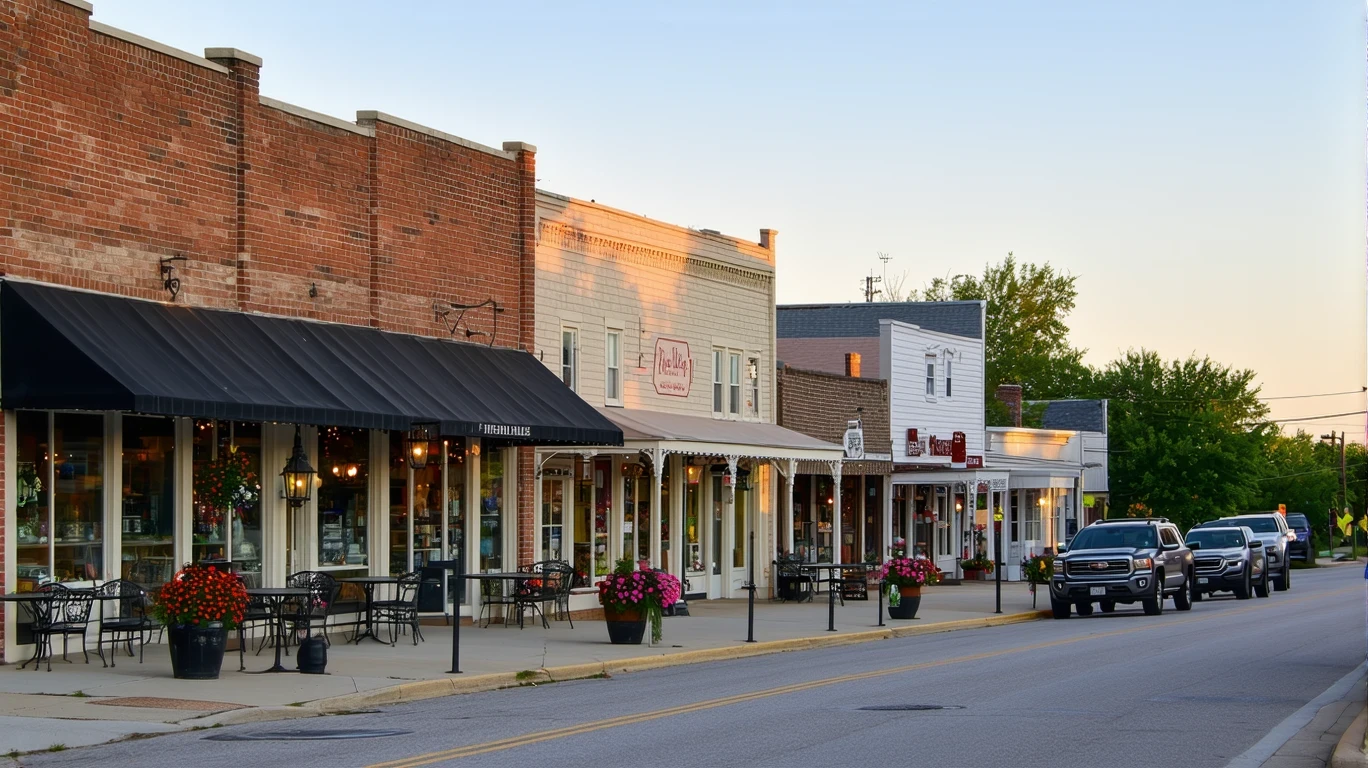
The Housing Market in The Village Today
The Village sits within the Oklahoma City metro as a small, family-oriented suburb where housing costs reflect a regional price parity index of 74—meaning the overall cost structure runs about 26% below the national baseline. That discount shows up clearly in home values, which remain accessible compared to many U.S. markets, but less obviously in rent, which holds closer to ownership-equivalent monthly costs than in higher-priced metros.
What shapes this market is its role as a bedroom community with strong family infrastructure. Schools and playgrounds exceed density thresholds across the city, park access is integrated throughout, and the low-rise building character signals a housing stock dominated by single-family homes and low-density multifamily structures. Newcomers often assume suburban markets like this offer abundant rental inventory at a discount to ownership costs, but The Village’s rental market doesn’t follow that pattern—rent remains elevated relative to home values, which means the financial case for renting weakens faster than in metros where ownership is prohibitively expensive.
The local economy supports this structure: the unemployment rate sits at 3.2%, and median household income of $67,524 per year provides enough margin for many households to consider ownership seriously. But the market’s accessibility creates its own pressure—buyers compete for a limited stock of single-family homes, and renters face a shallow pool of apartments and rental houses, particularly in neighborhoods with walkable pockets and high park density.
Renting in The Village
At $1,351 per month, median gross rent in The Village reflects a market where rental housing exists but doesn’t dominate the landscape. The city’s low-rise character and family-oriented infrastructure suggest most rental inventory consists of smaller apartment complexes, duplexes, and single-family homes offered by individual landlords rather than large property management firms.
Renters here face a tradeoff: flexibility and lower upfront costs in exchange for limited control over annual increases and less certainty about long-term housing stability. Because the housing stock skews toward ownership, rental availability tightens in neighborhoods with the highest park access and walkable infrastructure. That scarcity gives landlords leverage during lease renewals, and renters should expect rent to adjust over time in ways that reflect both regional inflation and hyper-local demand for specific streets or school zones.
The rental experience in The Village also depends heavily on proximity to daily errands infrastructure. Food establishment density falls below thresholds across much of the city, even though grocery density exceeds expectations. That pattern means renters in some neighborhoods enjoy convenient access to supermarkets but still rely on cars for restaurants, cafes, and quick errands—a dynamic that doesn’t show up in rent prices but affects the day-to-day cost of living through transportation and time.
For renters planning to stay short-term or those unwilling to take on ownership risk, The Village works well. For renters expecting to stay three years or longer, the math shifts—ownership costs become competitive quickly, and the lack of rent control or predictable lease terms means monthly expenses can drift upward without warning.
Owning a Home in The Village
Ownership in The Village starts with a median home value of $172,300, a figure that makes entry feasible for households earning near or above the city’s median income. But ownership costs extend beyond the mortgage: property taxes, homeowners insurance, maintenance, and—in some neighborhoods—homeowners association fees layer onto the monthly obligation in ways that vary by location, home age, and governance structure.
Property taxes in Oklahoma operate under state-level rules, but local millage rates and assessment practices determine the actual annual bill. Without a verbatim tax rate in the data feed, buyers must verify the effective rate for specific properties during the purchase process. What’s certain is that property taxes represent a recurring, non-negotiable cost that rises over time as assessed values adjust, and unlike rent, this exposure doesn’t disappear when the mortgage is paid off.
Homeowners insurance in The Village must account for severe weather exposure—Oklahoma’s spring storm seasons bring hail, high winds, and occasional tornadoes, all of which increase premiums and deductibles. Older homes or those with aging roofs face higher rates, and buyers should expect insurance costs to fluctuate year-to-year based on regional claim activity, not just individual property condition.
Maintenance and upkeep follow the city’s climate and housing age. Triple-digit summer heat stresses air conditioning systems, roofing, and exterior paint. Mild winters reduce heating system wear but don’t eliminate it. The low-rise, single-family housing stock means most owners manage their own yards, HVAC servicing, and appliance replacement—costs that arrive irregularly but inevitably.
Some neighborhoods in The Village operate under HOA governance, which can bundle services like lawn care, exterior maintenance, or neighborhood amenities, but also introduces monthly or annual fees and restricts owner autonomy. HOA presence and cost vary widely, and buyers must verify whether a target property falls under such governance before committing.
Ownership in The Village offers control, predictability in the largest cost component (the mortgage), and the ability to build equity in a market where home values remain accessible. But it also locks in exposure to taxes, insurance, and maintenance—costs that don’t pause during financial disruptions and don’t decline when the home is paid off.
Apartment vs House in The Village — Cost Behavior Comparison
| Expense Category | Apartment | House |
|---|---|---|
| Base Housing Cost | Median gross rent $1,351/month; includes some utilities; subject to annual increases with limited tenant control | Median home value $172,300; mortgage principal and interest fixed if financed conventionally; property taxes and insurance rise over time |
| Cooling Exposure | Lower square footage reduces total cooling load; landlord controls HVAC age and efficiency; tenant pays usage but cannot upgrade system | Larger square footage increases cooling load during triple-digit summer heat; owner controls system efficiency and thermostat strategy; upfront cost to replace aging units |
| Maintenance Responsibility | Landlord handles HVAC, appliances, structural repairs; tenant absorbs delays and quality variations | Owner funds all repairs and replacements; control over timing and quality; irregular large expenses (roof, HVAC, water heater) |
| Severe Weather Risk | Landlord covers structural damage and exterior repairs; tenant may face displacement during repairs but no direct financial exposure | Owner absorbs deductible and uninsured losses; hail, wind, and storm damage common; insurance premiums reflect regional claim history |
| Outdoor Space & Upkeep | Limited or shared outdoor space; no yard maintenance cost or time burden | Private yard typical in single-family stock; owner funds lawn care, irrigation, tree maintenance; time or service cost required |
Why these categories: The distinctions above reflect how The Village’s climate (hot summers, severe weather exposure), housing stock (low-rise, single-family dominance), and rental market structure (limited multifamily inventory) create meaningfully different cost behaviors between apartments and houses. Categories like utilities, base rent vs mortgage, and maintenance appear in every city, but the magnitude and control dynamics here are shaped by local conditions—triple-digit heat drives cooling costs, storm exposure affects insurance and repair frequency, and the scarcity of large apartment complexes means renters face landlord-dependent maintenance quality rather than professional property management standards common in denser markets.
Omitted categories: Generic expenses like internet, renters insurance, or trash service were excluded because they don’t vary meaningfully by housing type in The Village. HOA fees were excluded because prevalence data is absent, and including them would require speculation about which housing types they affect.
Utilities & Upkeep Differences
Utility exposure in The Village is driven primarily by cooling demand during extended summer heat. At an electricity rate of 12.62¢ per kWh, a typical household using around 1,000 kWh per month would face an illustrative bill near $126 per month before fees and taxes—but that figure represents moderate usage. During peak summer months, air conditioning in a single-family home can push consumption significantly higher, particularly in older homes with less efficient HVAC systems or poor insulation.
Natural gas, priced at $10.78 per MCF, plays a smaller role in The Village’s cost structure than in colder climates. Heating demand remains modest through mild winters, and many homes rely on electric heat pumps rather than gas furnaces. For homes with gas service, illustrative usage of around 1 MCF per month during heating months translates to roughly $11 before fees and taxes—a minor expense compared to summer cooling.
The difference between apartments and houses shows up most clearly in cooling season. Apartments benefit from smaller square footage and shared-wall insulation, which reduces total cooling load even when tenants have no control over system efficiency. Houses, particularly older single-family homes common in The Village’s housing stock, expose owners to higher usage and the full cost of system replacement when units fail. A central air conditioning system in a 1,500- to 2,000-square-foot home represents a multi-thousand-dollar replacement cost, and in Oklahoma’s heat, these systems work hard and age faster than in milder climates.
Maintenance and upkeep differences extend beyond utilities. Single-family homeowners in The Village manage their own yards, and the city’s integrated park access and tree-lined streets suggest neighborhoods where landscaping and curb appeal matter. Lawn care, irrigation, and tree maintenance require either time or service costs, neither of which apartment renters face. Severe weather adds another layer—hail and wind damage to roofs, siding, and fences are recurring risks for homeowners, while renters avoid direct financial exposure even if they face displacement during repairs.
Rent vs Buy: Long-Term Exposure in The Village
The structural difference between renting and owning in The Village isn’t about which costs less in month one—it’s about how costs behave over time and who controls the variables.
Renters face rising base costs with limited control. Lease renewals bring rent increases that reflect landlord discretion, regional demand, and inflation, but rarely tenant negotiation power. The Village’s shallow rental inventory and family-oriented housing stock mean renters compete for a limited pool of properties, and landlords adjust pricing accordingly. Over five or ten years, cumulative rent increases can push monthly costs well above initial levels, and renters build no equity in exchange for that rising expense.
Owners lock in the largest cost component—the mortgage principal and interest—at the time of purchase, assuming conventional financing. That fixed base cost provides predictability, but ownership introduces other exposures that rise over time: property taxes adjust as assessed values increase, homeowners insurance premiums fluctuate with regional claim activity and severe weather patterns, and maintenance costs arrive irregularly but inevitably. Unlike rent, these costs don’t disappear when the mortgage is paid off—property taxes and insurance continue indefinitely, and aging homes require more frequent and expensive repairs.
The tradeoff comes down to control and equity. Owners absorb more risk and complexity but gain the ability to build equity, make improvements that reduce long-term costs (efficient HVAC, insulation, roofing), and eliminate the largest cost component entirely once the mortgage is retired. Renters avoid maintenance risk and severe weather exposure but surrender control over the largest monthly expense and gain no financial return for years of payments.
In The Village, where home values remain accessible and rent approaches ownership-equivalent monthly costs, the financial case for ownership strengthens quickly for households planning to stay three years or longer. The city’s family infrastructure, park access, and low-rise character support long-term stability, and the regional price parity discount means both ownership and rental costs run below national norms—but the gap between renting and owning narrows faster here than in higher-cost metros, and renters who delay ownership risk watching that gap close entirely as rent rises and home values appreciate.
FAQs About Housing Costs in The Village
Is it cheaper to rent or buy in The Village, OK?
Median gross rent of $1,351 per month sits close to the monthly cost of owning a home valued at $172,300, depending on down payment, interest rate, property taxes, and insurance. Renting avoids maintenance and severe weather risk but offers no equity. Ownership locks in the mortgage payment but introduces property tax, insurance, and upkeep exposure that rises over time. For households staying three years or longer, ownership often becomes the lower-cost path once equity and fixed mortgage payments are factored in.
How do property taxes affect homeownership costs in The Village?
Property taxes in The Village operate under Oklahoma state law, but local millage rates and assessment practices determine the actual annual bill. Taxes rise over time as assessed values adjust, and unlike a fixed mortgage, this cost continues indefinitely—even after the home is paid off. Buyers must verify the effective tax rate for specific properties during purchase, as rates vary by location and taxing district.
What drives utility costs in The Village?
Cooling dominates utility expenses during The Village’s extended summer heat. Electricity at 12.62¢ per kWh powers air conditioning, which runs heavily through triple-digit temperatures. Larger single-family homes face higher cooling loads than apartments, and older HVAC systems increase both usage and replacement risk. Natural gas plays a smaller role due to mild winters, keeping heating costs modest compared to cooling exposure.
Does The Village have a lot of rental housing?
The Village’s low-rise building character and family-oriented infrastructure suggest a housing stock dominated by single-family homes, with rental inventory concentrated in smaller apartment complexes, duplexes, and landlord-owned houses. Rental availability is limited compared to ownership options, which tightens competition in neighborhoods with high park access and walkable pockets. Renters should expect fewer choices and less leverage during lease renewals than in metros with abundant multifamily housing.
How does severe weather affect housing costs in The Village?
Oklahoma’s spring storm seasons bring hail, high winds, and occasional tornadoes, all of which increase homeowners insurance premiums and create recurring repair exposure for roofs, siding, and fences. Renters avoid direct financial risk but may face displacement during repairs. Owners absorb deductibles and uninsured losses, and insurance costs fluctuate year-to-year based on regional claim activity, not just individual property condition.
Making Housing Choices in The Village
Housing costs in The Village behave differently than in high-cost metros where renting remains the only feasible option for years. Here, ownership becomes accessible quickly for households earning near or above the median income, and the gap between rent and ownership-equivalent monthly costs narrows fast enough that long-term renters risk paying more over time without building equity.
The city’s family infrastructure, integrated park access, and walkable pockets make it a strong fit for households prioritizing schools, outdoor space, and neighborhood stability. But the sparse food establishment density and limited healthcare access mean residents rely heavily on cars for daily errands and medical care, which adds transportation costs that don’t appear in housing figures but affect total monthly outlays.
For first-time buyers, The Village offers accessible home values and a low regional price parity index, but ownership here still requires verification of property taxes, insurance costs, and HOA presence before committing. For renters, the shallow inventory and landlord-driven lease renewals mean flexibility comes at the cost of rising monthly expenses and limited control.
Understanding how housing costs behave over time—not just what they cost today—determines whether The Village’s market works for you. For more on how housing fits into the broader cost structure, see A Month of Expenses in The Village. And if you’re planning a move, compare moving company costs and options to avoid surprises during the transition.
How this article was built: In addition to public economic data, this article incorporates location-based experiential signals derived from anonymized geographic patterns—such as access density, walkability, and land-use mix—to reflect how day-to-day living actually feels in The Village, OK.