
Can you live in The Village without a car? For most households, the answer is no—but the reason isn’t as simple as sprawl or isolation. The Village sits within the Oklahoma City metro, where driving dominates daily life, yet parts of the city offer surprisingly strong pedestrian and cycling infrastructure. The challenge isn’t walkability itself; it’s that the systems supporting car-free living—transit coverage, dense commercial corridors, and healthcare access—don’t fully align with the infrastructure that does exist. Understanding how people actually move through The Village means recognizing both what works on foot and what still demands four wheels.
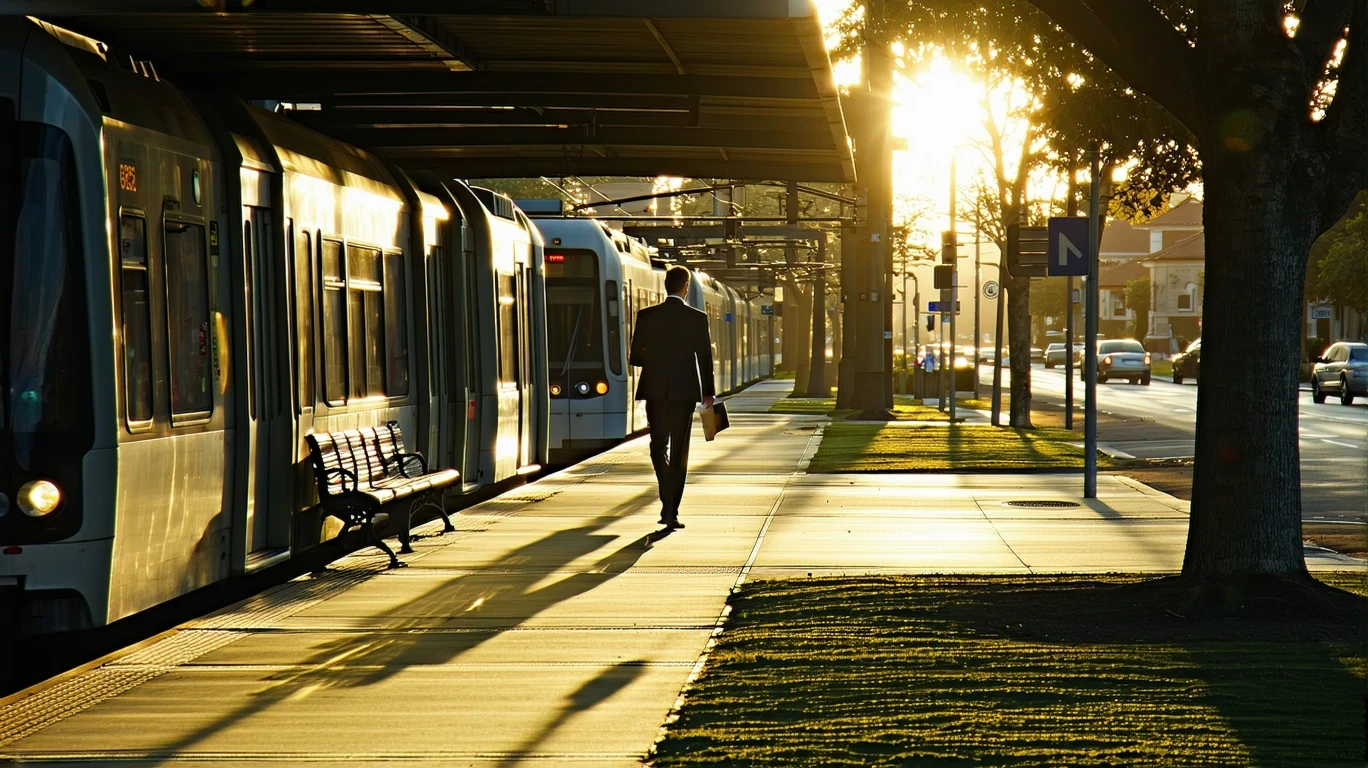
How People Get Around The Village
The Village operates primarily as a car-first community, but with pockets of pedestrian-friendly design that shape how certain households experience daily mobility. The city’s pedestrian-to-road ratio exceeds typical suburban thresholds, and bike infrastructure is notably present throughout parts of the area. This doesn’t mean most trips happen on foot or by bike—it means that for families living in the right neighborhoods, school runs, park visits, and some errands can happen without starting the engine.
What newcomers often misunderstand is that walkability here doesn’t replace driving—it supplements it. Grocery density is strong, so a weekly shopping trip might be walkable depending on where you live. But food establishments beyond groceries are sparse, and healthcare facilities requiring more than a pharmacy aren’t locally accessible. The layout supports recreational mobility and some household logistics, but employment commutes, medical appointments, and dining out almost always require a car.
This creates a bifurcated mobility reality: families who prioritize parks, schools, and neighborhood-level errands can reduce car dependency for certain activities, while everyone else—and even those families for most other needs—relies on driving as the default.
Public Transit Availability in The Village
Public transit does not play a meaningful role in daily transportation for most Village residents. No transit signals were detected in the area’s infrastructure analysis, meaning bus stops, rail stations, or regional shuttle hubs are either absent or too limited to register as viable options for regular commuting or errands.
In the broader Oklahoma City metro, regional transit systems exist, but their reach into smaller suburban municipalities like The Village tends to be minimal. Coverage typically concentrates in denser urban cores and along major employment corridors, leaving bedroom communities and residential enclaves with little to no service. For residents who work in downtown Oklahoma City or other metro hubs, commute planning almost universally assumes personal vehicle access.
This absence of transit isn’t unusual for a low-rise, residential-focused city within a car-oriented metro, but it does mean that households without reliable access to a vehicle face significant mobility barriers. Ride-hailing and carpooling become necessary supplements, not alternatives.
Driving & Car Dependence Reality
Driving isn’t just common in The Village—it’s structurally necessary for most aspects of daily life. Employment centers, healthcare facilities, and the majority of dining and retail options sit outside walkable or bikeable range for most residents. Even in neighborhoods with strong pedestrian infrastructure, the car remains the primary tool for accessing anything beyond the immediate residential zone.
Parking pressure is generally low. The Village’s low-rise building character and residential density mean that most homes include driveways or garages, and street parking is typically available without competition. This reduces one of the friction points common in denser urban areas, but it also reflects the city’s design assumption: everyone drives.
Commute flexibility is high in the sense that residents aren’t constrained by transit schedules or coverage gaps—they’re constrained by distance, traffic patterns, and fuel costs. For households with multiple working adults or complex daily routes (school, work, errands), the car provides control and predictability that no other mode can currently match in The Village.
Commuting Patterns & Daily Mobility
Most working adults in The Village structure their days around single-occupancy vehicle commutes, often to employment centers elsewhere in the Oklahoma City metro. Commute distances and times vary widely depending on job location, but the pattern is consistent: leave the neighborhood by car, return by car, and handle any mid-day errands by car.
Multi-stop commutes—dropping kids at school, stopping for groceries, picking up prescriptions—are common and almost always car-dependent. The city’s strong school and playground density means families can access those amenities locally, but the trip still typically happens by car unless the household lives within a few blocks.
Proximity benefits accrue most to families who work from home or have flexible schedules. For them, the walkable pockets and park access reduce the need for constant driving during non-work hours. But for households with fixed office schedules or jobs outside The Village, proximity to parks and schools doesn’t eliminate commute friction—it just makes weekends and evenings easier.
Who Transit Works For — and Who It Doesn’t
Transit, in any practical sense, doesn’t work for anyone in The Village right now. The infrastructure isn’t present, and the city’s layout doesn’t support the density or mixed-use corridors that make transit viable even when service exists.
Walkability and bike infrastructure do work for a narrow slice of households: families with school-age children living in the walkable pockets, retirees who no longer commute, and remote workers who can structure errands around grocery runs and park visits. These households can reduce vehicle trips for certain activities, but they still need a car for healthcare, employment (if applicable), and most non-grocery shopping.
Renters and owners face similar mobility realities here. The distinction isn’t tenure—it’s location within the city and household composition. A family near a park with good sidewalks experiences The Village differently than a household on the edge of town with fewer pedestrian routes, but both groups drive for the majority of their needs.
Transportation Tradeoffs in The Village
The central tradeoff in The Village isn’t between transit and driving—it’s between full car dependency and partial car dependency. Households in walkable areas with strong bike infrastructure can choose to walk or bike for some trips, reducing wear, fuel consumption, and the mental load of constant driving. But those same households still need a vehicle for most other aspects of life.
Driving offers predictability and control. You’re not waiting for a bus that may not come, and you’re not limited by service hours or coverage gaps. But that control comes with exposure to fuel price volatility, maintenance costs, insurance, and the time cost of longer commutes when traffic builds.
Walking and biking, where viable, offer cost stability and health benefits, but they don’t scale to the full range of household needs in The Village. The city’s infrastructure supports them as supplemental modes, not primary ones.
For families weighing whether The Village fits their transportation preferences, the question isn’t whether they can avoid owning a car—it’s whether they value the pedestrian-friendly pockets enough to offset the reality that driving will still dominate their weekly routine.
FAQs About Transportation in The Village (2026)
Is public transit usable for daily commuting in The Village?
No. Public transit infrastructure is effectively absent in The Village, and regional metro service doesn’t extend meaningfully into the area. Daily commuting requires a personal vehicle or ride-hailing for nearly all residents.
Do most people in The Village rely on a car?
Yes. The vast majority of households depend on a car for employment commutes, errands, healthcare access, and most activities beyond neighborhood-level trips. Even in areas with strong pedestrian infrastructure, driving remains the dominant mode.
Which areas of The Village are easiest to live in without a car?
No area of The Village fully supports car-free living, but neighborhoods with higher pedestrian-to-road ratios and proximity to parks and schools allow families to reduce vehicle trips for recreational and some household activities. Grocery access is strong in certain pockets, but healthcare and employment still require driving.
How does commuting in The Village compare to nearby cities?
The Village shares the car-dependent commute pattern common across the Oklahoma City metro. Compared to denser urban cores, commuting here involves less parking competition and more predictable drive times, but also longer distances for households working outside the immediate area.
Can you bike safely in The Village?
Bike infrastructure is notably present in parts of The Village, with bike-to-road ratios exceeding typical suburban levels. This suggests that cycling is more viable here than in many comparable communities, particularly for recreational use or short trips within walkable pockets. However, biking doesn’t replace the need for a car for most errands or commutes.
How Transportation Fits Into the Cost of Living in The Village
Transportation in The Village isn’t just a line item—it’s a structural factor that shapes where money goes and how much flexibility households have in managing expenses. Car dependency means that fuel, insurance, maintenance, and vehicle financing (or replacement savings) are non-negotiable for most families. These costs don’t fluctuate as dramatically as rent or utilities, but they’re persistent and tied to behavior that’s hard to change without relocating.
The presence of walkable pockets and bike infrastructure offers some households a way to reduce trip frequency and fuel consumption, but it doesn’t eliminate the need for vehicle ownership. What it does provide is optionality: families who live near parks, schools, and grocery stores can choose to drive less during non-work hours, which can ease the cumulative cost burden over time.
For a fuller picture of how transportation costs interact with housing, utilities, and other fixed expenses, the monthly budget breakdown provides numeric context and household-specific scenarios. The key takeaway here is that in The Village, transportation isn’t a variable you optimize—it’s a baseline you plan around. The city’s layout rewards families who value pedestrian access for certain activities, but it doesn’t offer a path to eliminating the car from the household equation.
How this article was built: In addition to public economic data, this article incorporates location-based experiential signals derived from anonymized geographic patterns—such as access density, walkability, and land-use mix—to reflect how day-to-day living actually feels in The Village, OK.