
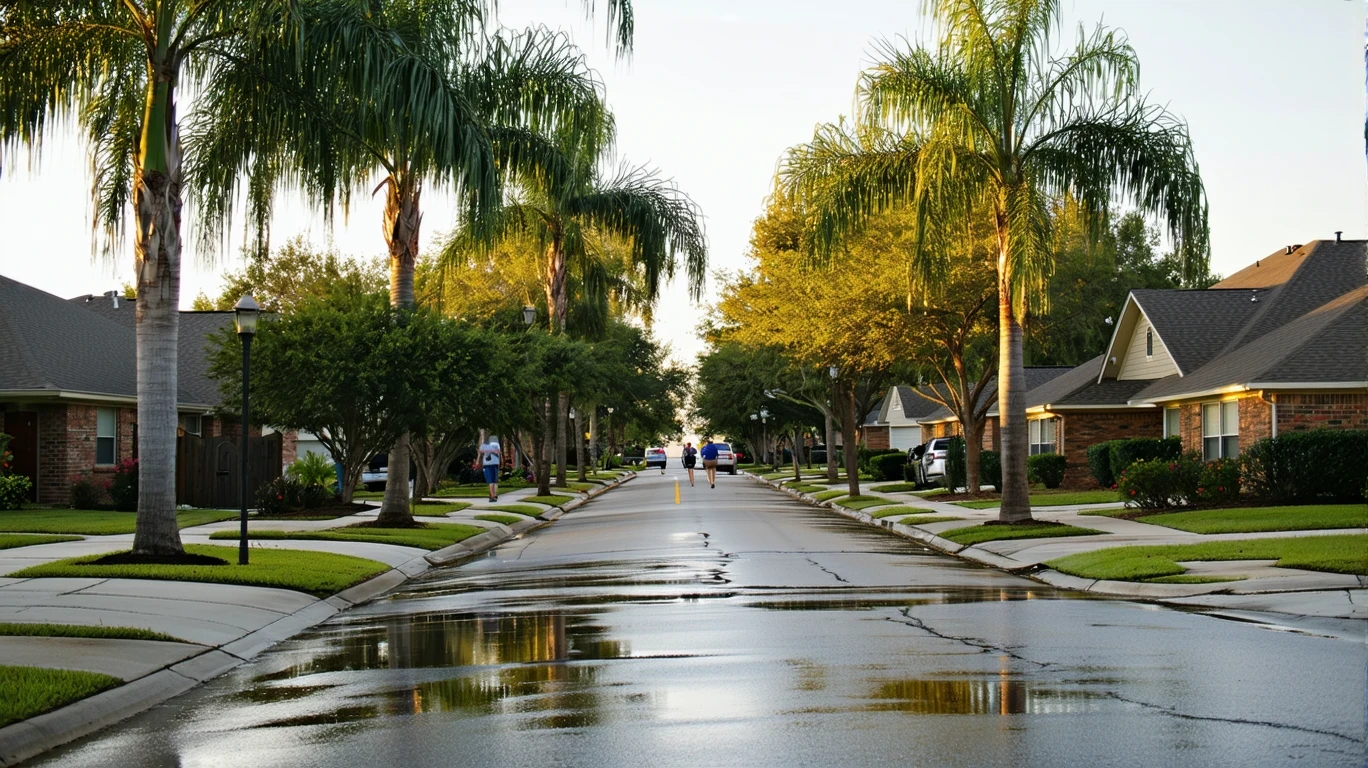
Here’s the myth: people assume Midwest City is automatically cheaper than The Village because home values run lower. But cost of living isn’t just about sticker prices—it’s about where financial pressure concentrates, how predictable monthly obligations feel, and which households absorb the most volatility. Both cities sit in the Oklahoma City metro, share the same regional economy, and face similar employment conditions. Yet the way costs show up—and which trade-offs matter most—differs sharply depending on household type, commute patterns, and how much control you need over monthly swings.
The decision between The Village and Midwest City in 2026 isn’t about finding the “cheaper” option. It’s about understanding whether you’re more exposed to housing entry barriers, ongoing utility variability, transportation friction, or the logistics of daily errands. Renters, first-time buyers, families with kids, and commuters all experience these two cities differently—not because one is universally more affordable, but because cost structure, predictability, and lifestyle fit don’t align the same way for everyone.
This comparison breaks down how housing, utilities, groceries, transportation, taxes, and daily logistics behave in each city, explains which households feel each difference most acutely, and shows why the same income can feel stable in one place and tight in the other—without declaring an overall winner.
Housing Costs: Entry Barriers vs Ongoing Exposure
Housing is where the structural difference between The Village and Midwest City becomes immediately visible. The Village shows a median home value of $172,300 and median gross rent of $1,351 per month. Midwest City shows a median home value of $147,700 and median gross rent of $996 per month. These aren’t small gaps—they represent fundamentally different entry thresholds and ongoing monthly obligations.
For renters, the difference in baseline rent exposure is substantial. Midwest City’s lower rent doesn’t just mean a smaller monthly check—it means more flexibility in how much income remains after housing, more room to absorb unexpected costs, and less pressure to stretch into a higher-priced unit to access decent quality or location. The Village’s rent structure pushes renters toward higher baseline commitments, which can feel manageable for dual-income households or those prioritizing specific school access or park proximity, but creates tighter margins for single adults or households with variable income.
For buyers, the home value gap translates directly into down payment requirements, mortgage qualification thresholds, and monthly principal-and-interest obligations. Midwest City’s lower entry point makes homeownership accessible to households that might be priced out of The Village entirely. But home value isn’t the only factor—property taxes, insurance, and maintenance expectations vary by housing age, lot size, and neighborhood infrastructure. The Village’s housing stock skews low-rise with strong family-oriented infrastructure, while Midwest City shows more mixed building heights and integrated residential-commercial land use, which can affect HOA prevalence, upkeep expectations, and long-term cost predictability.
| Housing Type | The Village | Midwest City |
|---|---|---|
| Median Home Value | $172,300 | $147,700 |
| Median Gross Rent | $1,351/month | $996/month |
What these differences mean depends entirely on household type and timeline. First-time buyers with limited savings face a lower barrier in Midwest City. Renters prioritizing month-to-month flexibility find more breathing room in Midwest City’s rent structure. Families willing to commit higher upfront housing costs in exchange for denser school and playground access may find The Village’s infrastructure worth the premium. But for households where housing affordability determines everything else—how much remains for transportation, utilities, or savings—the entry cost gap isn’t trivial.
Housing takeaway: The Village concentrates cost pressure in housing entry and ongoing rent obligations, which matters most for renters, single-income households, and first-time buyers. Midwest City offers lower baseline housing costs, creating more flexibility for households sensitive to monthly cash flow or those prioritizing access to transit and mixed-use corridors over premium family infrastructure.
Utilities and Energy Costs: Heating Fuel Exposure Dominates
Utility cost behavior in The Village and Midwest City diverges sharply around one factor: natural gas pricing. The Village shows a natural gas price of $10.78 per MCF (thousand cubic feet). Midwest City shows $37.20 per MCF. Electricity rates are closer—12.62¢/kWh in The Village, 13.34¢/kWh in Midwest City—but the natural gas gap creates fundamentally different exposure profiles during heating months.
For households relying on natural gas for heating, hot water, or cooking, Midwest City’s pricing structure introduces significantly higher baseline costs during winter. The difference isn’t just about a few extra dollars—it’s about how much volatility enters the monthly budget when temperatures drop, how much control households have over usage, and whether utility bills become a major planning constraint or a predictable background expense. The Village’s lower natural gas costs reduce heating-season pressure, making winter months more financially predictable for families in single-family homes or older housing stock where heating demand runs higher.
Electricity costs, by contrast, show less structural difference. Both cities experience hot Oklahoma summers, and cooling demand dominates warm-weather utility exposure. The slight difference in electricity rates (less than a cent per kWh) matters more for larger homes, households running AC aggressively, or those in older construction with weaker insulation. But the natural gas gap is where households feel the seasonal swing most acutely—especially in Midwest City, where heating fuel costs can spike unexpectedly during cold snaps.
Household size and housing type amplify these differences. Single adults in apartments with electric-only heating avoid natural gas exposure entirely, making Midwest City’s higher gas prices irrelevant. Families in larger single-family homes with gas furnaces, gas water heaters, and gas ranges face compounding exposure in Midwest City. Newer construction with better insulation and efficient HVAC systems dampens the impact in both cities, but older homes—common in both markets—leave households more vulnerable to seasonal cost swings.
Utility takeaway: The Village offers lower heating fuel costs, making winter utility bills more predictable for households in gas-heated homes. Midwest City’s higher natural gas pricing creates more volatility during heating months, which matters most for families in single-family homes or older housing stock. Electricity exposure is similar in both cities, with cooling season pressure driven more by home size and insulation quality than by rate differences.
Groceries and Daily Expenses: Price Environment vs Access Friction
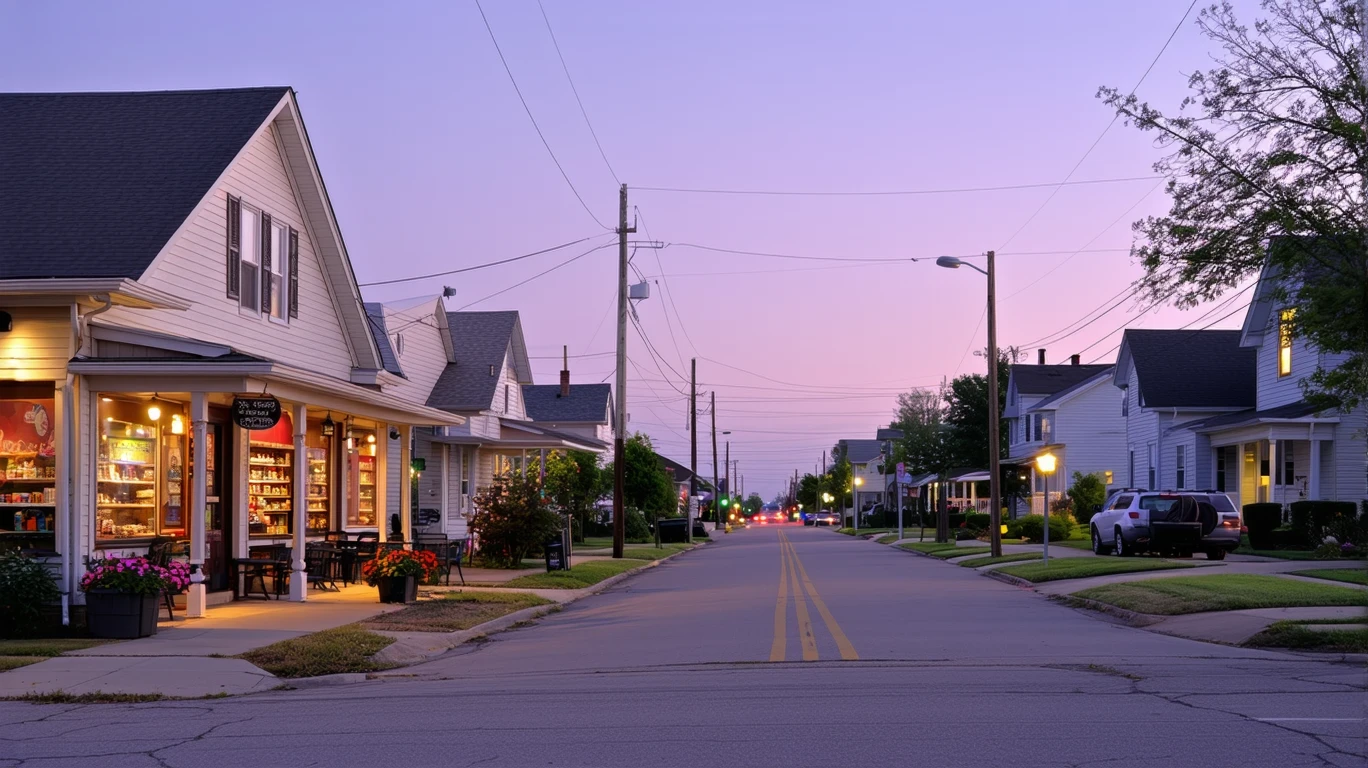
Grocery and daily expense pressure in The Village and Midwest City operates on two different axes: the underlying price environment and the logistics of accessing food and household goods. The Village shows a regional price parity (RPP) index of 74, indicating a lower baseline cost environment relative to the national average. Midwest City shows an RPP of 91, closer to national norms. This gap suggests that identical grocery baskets—staples like bread, milk, eggs, chicken, and ground beef—cost less in The Village, not because of store competition or local promotions, but because of broader regional pricing dynamics.
But price levels don’t tell the whole story. The Village shows high grocery store density but low food establishment density, meaning households have strong access to supermarkets and grocery chains but fewer nearby restaurants, cafés, or prepared food options. Midwest City shows corridor-clustered food and grocery access, with both categories concentrated along commercial strips rather than distributed evenly across neighborhoods. This structural difference affects how households experience daily errands: The Village requires more intentional grocery planning but offers fewer temptations for convenience spending, while Midwest City makes it easier to grab takeout or eat out frequently—which can quietly inflate monthly food costs.
For single adults and couples, the difference often comes down to habits. If you cook most meals at home and prefer big-box grocery runs, The Village’s lower price environment and strong grocery density work in your favor. If you rely on quick meals, coffee shops, or frequent dining out, Midwest City’s clustered food access reduces friction but increases exposure to convenience spending creep. For families managing larger grocery volumes, The Village’s price advantage compounds over time, especially for households buying in bulk or prioritizing cost control over convenience.
Discount retailer access, specialty stores, and farmers’ market availability also shape cost flexibility, but these factors vary more by neighborhood than by city-wide structure. What matters most is whether your household prioritizes baseline price savings (favoring The Village) or values the time savings and flexibility of clustered food access (favoring Midwest City’s corridor layout).
Grocery takeaway: The Village offers a lower baseline price environment for groceries, which benefits households prioritizing cost control and willing to plan grocery trips intentionally. Midwest City’s corridor-clustered food access reduces errands friction but increases exposure to convenience spending, which matters most for households prone to frequent takeout or dining out. Families managing large grocery volumes feel The Village’s price advantage more acutely over time.
Taxes and Fees: Predictability vs Hidden Friction
Tax and fee structures in The Village and Midwest City don’t show dramatic headline differences, but the way these costs accumulate—and how predictable they feel—varies by housing type and length of ownership. Both cities rely on property taxes to fund schools, infrastructure, and municipal services, and both are subject to Oklahoma’s state sales tax plus local add-ons. The key differences emerge in how fees layer onto baseline tax obligations and whether those fees are bundled, transparent, or variable.
Property taxes hit homeowners directly and renters indirectly (through landlord pass-through). The Village’s higher median home values mean higher assessed values, which translates to higher annual property tax bills even if millage rates are similar. Midwest City’s lower home values reduce baseline property tax exposure, but the total tax burden also depends on special assessments, school district levies, and whether the property sits in a zone with additional infrastructure fees. For long-term homeowners, property tax growth over time can outpace income growth, making predictability a bigger concern than the initial rate.
HOA fees and special assessments vary widely by neighborhood in both cities. The Village’s low-rise, family-oriented housing stock may include more HOA-managed communities with fees covering landscaping, shared amenities, or neighborhood maintenance. Midwest City’s mixed building heights and integrated land use suggest more variation—some neighborhoods with minimal HOA presence, others with condo or townhome associations that bundle utilities, trash, or exterior upkeep into monthly fees. These aren’t always visible during the home search, but they become non-negotiable monthly obligations once you move in.
Sales taxes affect daily spending more than housing costs, but they add up over time—especially for households making frequent purchases of furniture, electronics, vehicles, or home improvement materials. Oklahoma’s combined state and local sales tax rates apply in both cities, so the impact is similar unless you’re making large one-time purchases where even small rate differences compound.
Tax and fee takeaway: The Village’s higher home values create higher baseline property tax exposure for homeowners, but the predictability of those taxes depends on assessment cycles and special district levies. Midwest City’s lower home values reduce property tax obligations, but HOA fees and bundled services vary widely by neighborhood. Renters feel these costs indirectly, but long-term homeowners need to account for tax growth over time, not just the initial bill.
Transportation & Commute Reality
Transportation costs in The Village and Midwest City split along two dimensions: fuel pricing and commute structure. The Village shows a gas price of $3.47 per gallon. Midwest City shows $2.35 per gallon. That’s a substantial gap—over a dollar per gallon—which compounds quickly for households driving daily. Midwest City also provides documented commute data: an average commute time of 22 minutes, with 28.7% of workers facing long commutes and only 2.9% working from home. The Village lacks comparable commute metrics, but its experiential signals show walkable pockets and notable cycling infrastructure, suggesting some neighborhoods support non-car mobility.
For car-dependent households, the fuel price difference isn’t trivial. A household driving 25 miles round-trip daily in Midwest City benefits from lower per-gallon costs, reducing weekly and monthly fuel expenses compared to the same commute pattern in The Village. But fuel cost is only one piece—commute time, traffic predictability, and whether you can avoid driving at all also shape transportation pressure. Midwest City’s bus service provides an alternative for some routes, though the 2.9% work-from-home rate and 28.7% long-commute share suggest most residents still rely heavily on personal vehicles.
The Village’s walkable pockets and notable bike infrastructure don’t eliminate car dependence, but they create opportunities to reduce driving frequency for errands, school drop-offs, or short trips within certain neighborhoods. This matters most for families with flexible schedules or households willing to prioritize proximity to parks, schools, and grocery stores over larger home size. Midwest City’s corridor-clustered errands access and mixed land use also support some walkability, but the documented commute patterns suggest most daily travel still requires a car.
Transportation takeaway: Midwest City’s lower gas prices reduce fuel costs for car-dependent households, especially those with long daily commutes. The Village’s higher fuel prices increase per-mile costs, but walkable pockets and cycling infrastructure create opportunities to reduce driving frequency in some neighborhoods. Commute time and car dependence dominate transportation costs in both cities, but fuel pricing and access to non-car options shift which households feel the most pressure.
Cost Structure Comparison
Housing dominates the cost experience in both cities, but the nature of that dominance differs. The Village concentrates pressure in entry costs—higher rent, higher home values—which creates a steeper threshold for renters and first-time buyers. Midwest City spreads housing costs more evenly, with lower baseline obligations that leave more room for other expenses or savings. For households where housing affordability determines everything else, Midwest City’s structure offers more flexibility. For households willing to commit higher housing costs in exchange for denser family infrastructure and integrated green space, The Village’s premium may feel justified.
Utilities introduce more volatility in Midwest City, specifically around heating fuel. The natural gas price gap creates unpredictable winter bills for households in gas-heated homes, especially older single-family houses. The Village’s lower natural gas costs make heating season more financially predictable, reducing the risk of budget-breaking utility spikes. Electricity exposure is similar in both cities, with cooling season pressure driven more by home size and insulation than by rate differences.
Groceries and daily expenses favor The Village’s lower price environment, but only for households that plan grocery trips intentionally and avoid convenience spending. Midwest City’s corridor-clustered food access reduces errands friction, but the ease of grabbing takeout or dining out can quietly inflate monthly food costs. For families managing large grocery volumes, The Village’s price advantage compounds over time. For single adults or couples prioritizing convenience and time savings, Midwest City’s access structure may feel worth the trade-off.
Transportation patterns matter more in Midwest City, where documented commute times and lower gas prices shape daily routines. The Village’s higher fuel costs increase per-mile expenses, but walkable pockets and cycling infrastructure create opportunities to reduce driving frequency in some neighborhoods. For households with long commutes or high driving needs, Midwest City’s fuel pricing and transit presence offer more cost control. For households able to consolidate errands or live closer to work, The Village’s mobility texture reduces car dependence in specific pockets.
The decision isn’t about which city is cheaper overall—it’s about which cost pressures dominate your household. Households sensitive to housing entry barriers may prefer Midwest City’s lower rent and home values. Households prioritizing utility predictability and lower heating costs may prefer The Village. Households managing large grocery volumes or prioritizing family infrastructure may find The Village’s structure worth the higher housing premium. Households with long commutes or high driving needs may find Midwest City’s fuel pricing and transit access more practical. The better choice depends on which costs you can control, which you can’t, and which trade-offs align with your household’s priorities.
How the Same Income Feels in The Village vs Midwest City
Single Adult
For a single adult, housing becomes the first non-negotiable cost, and the rent gap between The Village and Midwest City determines how much flexibility remains. In The Village, higher baseline rent leaves less room for transportation, utilities, or discretionary spending, making it harder to absorb unexpected costs without cutting back elsewhere. Midwest City’s lower rent creates more breathing room, but higher natural gas costs during winter can erode that advantage if you’re in a gas-heated apartment. Commute friction matters more in Midwest City, where longer average commute times and lower work-from-home rates mean more time and fuel spent getting to work. The Village’s walkable pockets offer some relief if you can reduce driving frequency, but only in specific neighborhoods.
Dual-Income Couple
For a dual-income couple, the cost structure shifts depending on whether both partners commute, how much housing space you prioritize, and whether you cook at home or rely on convenience spending. The Village’s higher rent or mortgage payment becomes more manageable with two incomes, and the lower grocery price environment compounds savings if you’re buying in bulk and cooking regularly. Midwest City’s lower housing costs free up income for other priorities, but the ease of corridor-clustered food access can quietly inflate spending if you’re grabbing takeout frequently. Transportation costs depend on whether one or both partners drive daily—Midwest City’s lower gas prices help, but The Village’s cycling infrastructure and walkable pockets reduce car dependence if you’re willing to prioritize proximity over space.
Family with Kids
For families, housing size and school access become non-negotiable first, followed by utility predictability and errands logistics. The Village’s strong family infrastructure—high school and playground density, integrated parks—justifies higher housing costs for families prioritizing outdoor access and walkability to schools. Midwest City’s lower home values and rent reduce baseline housing pressure, but moderate family infrastructure and less integrated green space mean more driving for parks, activities, or school drop-offs. Utility volatility hits families harder in Midwest City, where natural gas heating costs can spike unexpectedly in larger homes. Grocery costs favor The Village’s lower price environment, especially for families managing large weekly shopping trips, but Midwest City’s corridor-clustered access reduces the time burden of errands if both parents work.
Decision Matrix: Which City Fits Which Household?
| Decision factor | If you’re sensitive to this… | The Village tends to fit when… | Midwest City tends to fit when… |
|---|---|---|---|
| Housing entry + space needs | Down payment limits, rent flexibility, or month-to-month cash flow | You’re willing to commit higher upfront housing costs in exchange for denser family infrastructure and integrated green space | You need lower baseline rent or home values to preserve flexibility for other expenses or savings |
| Transportation dependence + commute friction | Daily driving costs, commute time, or car dependence | You can reduce driving frequency by living in walkable pockets near schools, parks, or grocery stores | You have a long daily commute and benefit from lower gas prices and bus service availability |
| Utility variability + home size exposure | Seasonal bill spikes, heating costs, or budget predictability | You prioritize lower natural gas costs and more predictable winter utility bills, especially in gas-heated single-family homes | You’re in electric-only heating or newer construction that dampens seasonal swings, reducing natural gas exposure |
| Grocery strategy + convenience spending creep | Baseline food costs, bulk buying, or takeout frequency | You plan grocery trips intentionally, cook at home regularly, and prioritize lower baseline prices for staples | You value corridor-clustered food access that reduces errands friction, even if it increases exposure to convenience spending |
| Fees + friction costs (HOA, services, upkeep) | Hidden monthly obligations, bundled services, or long-term tax growth | You’re willing to navigate potential HOA fees in exchange for family-oriented amenities and maintained common spaces | You prefer lower baseline property tax exposure and more variation in HOA presence across neighborhoods |
| Time budget (schedule flexibility, errands, logistics) | Errands consolidation, school proximity, or daily logistics complexity | You prioritize walkable access to schools, parks, and grocery stores, reducing the need to drive for daily errands | You value corridor-clustered errands access and transit availability that simplifies logistics even with car dependence |
Lifestyle Fit
Lifestyle differences between The Village and Midwest City extend beyond cost structure—they shape daily routines, how much time you spend in the car, and what kind of outdoor access feels normal. The Village offers integrated green space with high park density and water features, making it easier for families to walk to playgrounds, trails, or open space without planning a dedicated outing. Midwest City shows moderate park density and water features, but green space feels less woven into the neighborhood fabric, requiring more intentional trips to access outdoor amenities.
For families, The Village’s strong school and playground density means kids can often walk or bike to school, and parents can consolidate errands around a smaller geographic footprint. Midwest City’s moderate family infrastructure and corridor-clustered errands access mean more driving for school drop-offs, activities, and grocery runs, but the presence of bus service and mixed land use creates some flexibility for households willing to use transit or live near commercial corridors. Both cities skew low-rise to mixed building heights, so neither feels urban or high-density, but The Village’s walkable pockets and notable cycling infrastructure create more opportunities for non-car mobility in specific neighborhoods.
Commute times and work-from-home rates also shape lifestyle fit. Midwest City’s documented 22-minute average commute and 28.7% long-commute share suggest most residents spend significant time driving to work, which affects how much energy remains for evening activities, errands, or family time. The Village lacks comparable commute data, but its walkable pockets and proximity to parks and schools suggest some neighborhoods support shorter, more consolidated daily routines. For households where time budget matters as much as financial budget, these differences compound over weeks and months.
The Village offers integrated parks and strong family infrastructure, making it easier to walk to schools and playgrounds. Midwest City provides bus service and corridor-clustered errands access, reducing some car dependence but requiring more intentional planning for outdoor activities. Both cities support suburban lifestyles, but The Village’s green space integration and cycling infrastructure create more opportunities for non-car mobility in specific pockets, while Midwest City’s mixed land use and transit presence offer flexibility for households willing to navigate commercial corridors. Neither city eliminates car dependence entirely, but the texture of daily routines—how much you drive, how often you can walk, and how predictable your schedule feels—differs sharply depending on where you live and what you prioritize.
How this article was built: In addition to public economic data, this article incorporates location-based experiential signals derived from anonymized geographic patterns—such as access density, walkability, and land-use mix—to reflect how day-to-day living actually feels in The Village, OK.
Frequently Asked Questions
Is The Village or Midwest City cheaper for renters in 2026?
Midwest City shows lower baseline rent exposure, with median gross rent of $996 per month compared to The Village’s $1,351 per month. This difference creates more month-to-month flexibility for renters in Midwest City, especially single adults or households with variable income. The Village’s higher rent concentrates cost pressure in housing, leaving less room for transportation, utilities, or discretionary spending. The better choice depends on whether you prioritize lower baseline housing costs or are willing to pay more for denser family infrastructure and integrated green space.
How do utility costs differ between The Village and Midwest City?
Natural gas pricing creates the biggest utility difference: The Village shows $10.78 per MCF, while Midwest City shows $37.20 per MCF. This gap matters most during heating months for households in gas-heated homes, where Midwest City’s higher natural gas costs introduce more volatility and unpredictability. Electricity rates are similar (12.62¢/kWh in The Village, 13.34¢/kWh in Midwest City), so cooling season exposure depends more on home size and insulation than on rate differences. Households in electric-only heating or newer construction face less natural gas exposure in both cities.
Which city is better for families with kids in 2026?
The Village offers stronger family infrastructure, with high school and playground density and integrated parks that make it easier to walk to schools and outdoor spaces. Midwest City shows moderate family infrastructure and corridor-clustered errands access, requiring more driving for school drop-offs and activities but offering bus service and mixed land use for some flexibility. The Village’s higher housing costs may feel justified for families prioritizing walkable school access and dense outdoor amenities, while Midwest City’s lower home values and rent reduce baseline housing pressure for families willing to drive more for parks and activities.
How do commute costs compare between The Village and Midwest City?
Midwest City shows lower gas prices ($2.35 per gallon vs. The Village’s $3.47 per gallon), which reduces fuel costs for car-dependent households, especially those with long daily commutes. Midwest City also provides documented commute data showing a 22-minute average commute and 28.7% of workers facing long commutes, suggesting most residents rely heavily on personal vehicles. The Village’s walkable pockets and notable cycling infrastructure create opportunities to reduce driving frequency in some neighborhoods, but higher fuel prices increase per-mile costs for households that still drive daily. The better choice depends on whether you can reduce car dependence or need lower fuel costs to manage a long commute.
Do grocery costs differ between The