
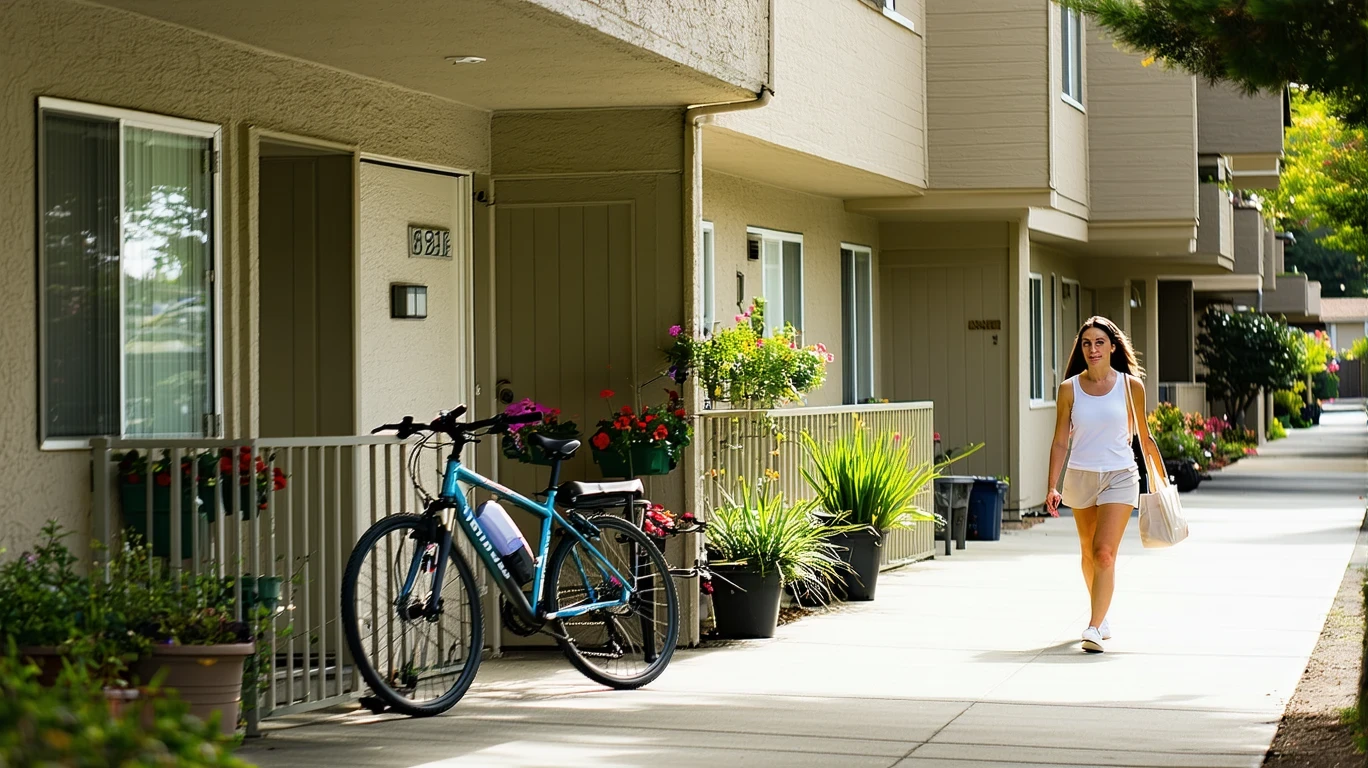
Most people assume Mountain View is cheaper than San Jose because it’s smaller and less prominent in Silicon Valley headlines. That’s backward. While Mountain View does offer a lower entry point for housing, the cost structure differences between these two neighboring cities are more about where financial pressure concentrates than about which one costs less overall. Both cities sit in the heart of Silicon Valley, share the same regional economy, and face similar climate and infrastructure realities. The meaningful differences show up in housing entry barriers, utility rate structures, and the presence or absence of certain healthcare facilities—not in some mythical affordability gap.
For households deciding between San Jose and Mountain View in 2026, the choice hinges on which costs dominate your budget and how much control you have over them. San Jose presents higher upfront and ongoing housing costs but lower electricity rates. Mountain View offers more accessible rent and home prices but charges more per kilowatt-hour. Both cities provide strong transit access, walkable pockets, broadly accessible groceries, and integrated parks. The decision isn’t about finding the “cheaper” city—it’s about understanding which cost pressures your household can absorb and which ones create ongoing friction.
This comparison explains how housing, utilities, transportation, groceries, and taxes behave differently in each city, and which households feel those differences most acutely. It does not calculate total cost of living or declare a winner. Instead, it shows where money goes, what drives volatility, and how the same income can feel stable in one place and tight in another.
Housing Costs
Housing is where San Jose and Mountain View diverge most sharply. San Jose’s median home value sits at $1,149,600, while Mountain View’s median home value is $545,700. That’s not a rounding error—it’s a structural difference in what ownership requires upfront. For first-time buyers, Mountain View presents a substantially lower entry barrier, though “lower” in Silicon Valley still means a six-figure down payment and significant mortgage obligations. San Jose’s housing market reflects its role as the region’s largest city, with more competition for single-family homes and a broader range of neighborhoods that command premium prices.
Renters face a similar pattern. San Jose’s median gross rent is $2,526 per month, compared to Mountain View’s $1,918 per month. That difference compounds over time, but it doesn’t tell the whole story. San Jose’s rental market includes more large apartment complexes and a wider variety of housing types, which can create more flexibility for households willing to trade space for location. Mountain View’s rental stock skews toward smaller units and older buildings, which can mean lower baseline rent but also higher exposure to maintenance issues and less predictable landlord behavior. Both cities experience tight rental markets with low vacancy rates, so competition for available units remains intense regardless of price point.
For families prioritizing space, San Jose offers more single-family rental options, though at a premium. Mountain View’s housing stock is more compact, with fewer standalone homes available for rent. Buyers in Mountain View gain access to ownership sooner, but they’re entering a market where appreciation has already priced in much of the region’s economic growth. San Jose buyers face a higher entry cost but gain exposure to a larger, more liquid market with more neighborhood diversity. Neither city is “affordable” in any traditional sense, but the structure of housing cost pressure differs: San Jose front-loads the burden through higher entry costs, while Mountain View spreads it across higher utility exposure and less housing choice.
| Housing Type | San Jose | Mountain View |
|---|---|---|
| Median Home Value | $1,149,600 | $545,700 |
| Median Gross Rent | $2,526/month | $1,918/month |
The housing takeaway is conditional: renters and first-time buyers face lower entry costs in Mountain View, but they’re trading that for a smaller, less diverse housing market and higher utility rates. San Jose demands more upfront and ongoing housing expense, but it offers more housing variety and slightly lower energy costs. Families prioritizing space and long-term stability may find San Jose’s higher entry cost worth absorbing. Households prioritizing lower monthly rent or a faster path to ownership may prefer Mountain View’s structure, as long as they can manage the higher electricity exposure that comes with it.
Utilities and Energy Costs
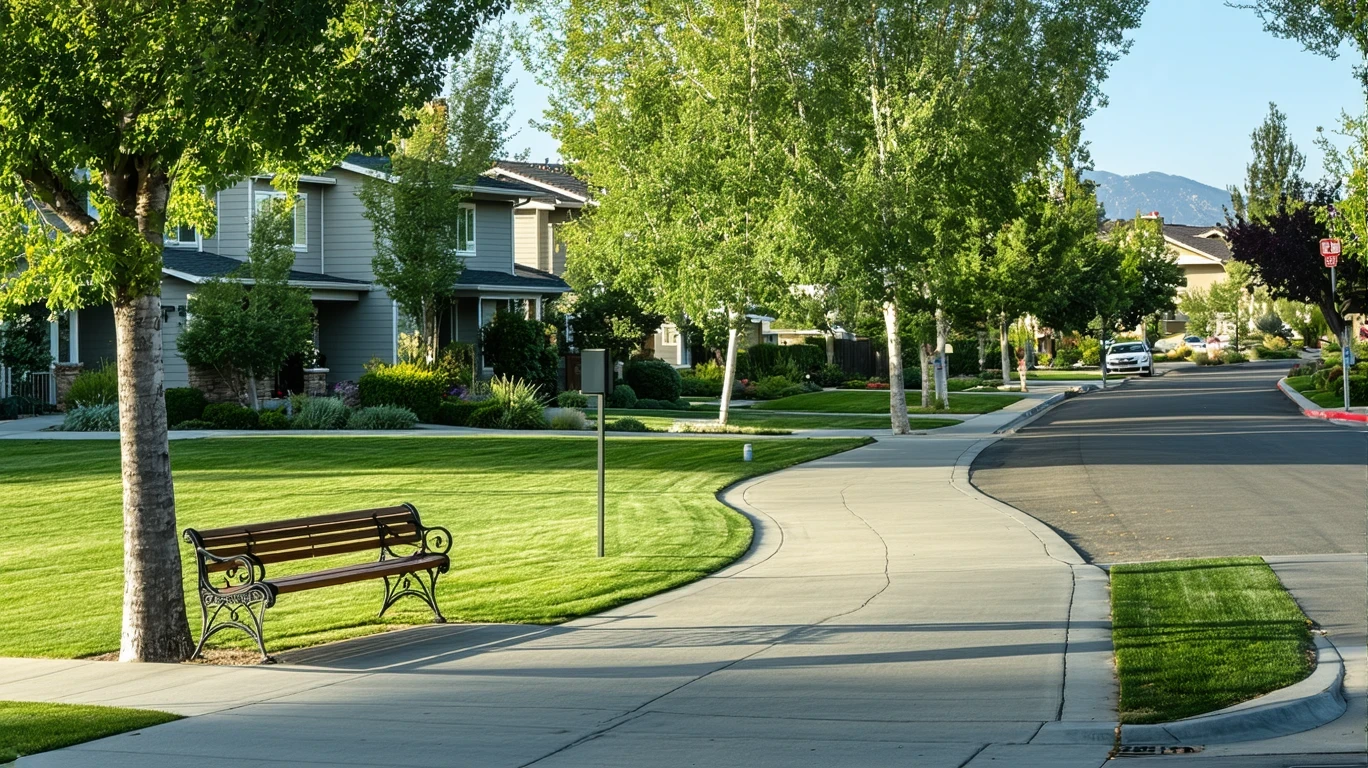
Utility costs in Silicon Valley are driven by electricity rates, natural gas pricing, and the region’s mild but variable climate. Both San Jose and Mountain View experience warm, dry summers that require air conditioning and mild winters that occasionally demand heating. The difference isn’t in climate exposure—it’s in the rates households pay per unit of energy consumed. Mountain View’s electricity rate is 34.71¢/kWh, while San Jose’s rate is 30.29¢/kWh. That gap may seem small, but it compounds over months of cooling season use, especially in older homes with less efficient insulation.
Natural gas pricing follows a similar pattern. Mountain View’s natural gas price is $23.78/MCF, compared to San Jose’s $22.96/MCF. The difference is modest, but it matters for households in older single-family homes that rely on gas heating during cooler months. Both cities benefit from California’s relatively mild winters, so heating exposure is lower than in most of the country. Still, households in drafty older homes or larger single-family properties will feel the impact of natural gas costs more than those in newer, well-insulated apartments or townhomes.
The interaction between housing stock and utility rates creates different exposure profiles. Mountain View’s housing stock includes many older, smaller homes built before modern efficiency standards. These homes often lack updated insulation, efficient windows, or modern HVAC systems, which means they consume more energy per square foot. San Jose’s larger housing market includes more recently built apartments and townhomes, which tend to perform better on energy efficiency. However, San Jose also has plenty of older single-family homes, and those properties face the same efficiency challenges as Mountain View’s older stock. The key difference is that Mountain View households pay more per unit of energy consumed, so inefficiency costs more in absolute terms.
For single adults or couples in smaller apartments, utility costs remain manageable in both cities, though Mountain View’s higher electricity rate will show up in summer months. For families in larger homes, especially older single-family properties, utility volatility becomes more pronounced. Cooling a 1,500-square-foot home in Mountain View during a hot July will cost more than cooling the same home in San Jose, purely due to the rate difference. Households with control over their housing choice—such as renters who can prioritize newer buildings or buyers who can invest in efficiency upgrades—can mitigate some of this exposure. Those without that flexibility will feel the difference more acutely.
The utility takeaway is straightforward: Mountain View households face higher per-unit energy costs, which creates more volatility for families in older or larger homes. San Jose offers slightly lower electricity and natural gas rates, which reduces baseline utility exposure but doesn’t eliminate it. Households prioritizing predictable utility bills should factor in housing age and size when comparing cities. Those willing to invest in efficiency upgrades or who can secure newer housing stock will experience less difference between the two cities. Those stuck in older, less efficient homes will feel Mountain View’s higher rates more sharply, especially during peak cooling months.
Groceries and Daily Expenses
Both San Jose and Mountain View benefit from Silicon Valley’s dense concentration of grocery options, ranging from big-box stores to specialty markets and discount chains. The experiential signals for both cities show broadly accessible food and grocery density, meaning households in either location can reach multiple grocery options without long drives or significant planning friction. This reduces the cost of convenience and gives households more control over where they shop and how much they spend. The difference between the two cities isn’t about access—it’s about price sensitivity and how household size interacts with shopping habits.
San Jose’s larger footprint and population support a wider variety of grocery formats, including warehouse clubs, discount grocers, and ethnic specialty markets that cater to the region’s diverse population. This variety creates more opportunities for price-conscious households to shop strategically, mixing bulk purchases with targeted trips to discount stores. Mountain View’s smaller size means fewer total grocery locations, though the density remains high enough that most households can reach several options within a short drive or bike ride. The trade-off is less format diversity—fewer warehouse clubs, fewer deep-discount options, and more reliance on mid-tier chains and neighborhood stores.
Dining out and convenience spending follow similar patterns. Both cities have high concentrations of restaurants, cafes, and takeout options, which creates temptation for households to substitute prepared food for home cooking. This is where household size and income sensitivity matter most. Single adults and couples can absorb occasional dining out without major budget impact, especially if they’re strategic about cooking at home most of the time. Families managing larger grocery volumes face more pressure to stay disciplined, because the cost of feeding three or four people at restaurants or through takeout adds up quickly. The presence of so many convenient options in both cities makes it easy to drift into higher spending without noticing.
The grocery and daily expense takeaway is conditional: both cities offer strong grocery access and similar price environments, so the difference comes down to household discipline and format preference. San Jose provides more grocery format diversity, which benefits price-sensitive households willing to shop strategically across multiple stores. Mountain View offers sufficient access but less variety, which may push households toward mid-tier pricing unless they’re willing to drive to neighboring areas for warehouse clubs or discount options. Families and larger households feel grocery pressure more acutely in both cities, not because prices are higher, but because volume and convenience temptation compound quickly. Singles and couples have more flexibility to manage costs through selective shopping and cooking habits.
Taxes and Fees
California’s state tax structure applies equally to both San Jose and Mountain View, so differences in tax burden come from local property taxes, sales taxes, and city-specific fees rather than state-level policy. Property taxes in California are governed by Proposition 13, which caps assessed value increases at 2% per year for existing owners. This creates a two-tier system: long-term homeowners pay taxes based on outdated assessments, while recent buyers pay taxes based on current purchase prices. In San Jose, where the median home value is $1,149,600, new buyers face significantly higher annual property tax obligations than in Mountain View, where the median home value is $545,700. The difference isn’t in the tax rate—it’s in the assessed value that rate applies to.
For renters, property taxes matter indirectly, as landlords typically pass some portion of property tax costs through to tenants via rent. San Jose’s higher property values mean landlords face higher tax bills, which contributes to the higher median rent of $2,526 per month compared to Mountain View’s $1,918 per month. This doesn’t mean renters pay property taxes directly, but it does mean they’re absorbing part of that cost structure through their monthly housing payment. Long-term renters in rent-controlled units may experience less of this pressure, but new renters entering the market face the full weight of current property tax realities.
Sales taxes in both cities are high by national standards, reflecting California’s reliance on consumption taxes to fund state and local services. The exact rate can vary slightly depending on local add-ons, but both cities sit in the same general range. This means households spend similar amounts on sales tax regardless of which city they choose, though the impact scales with spending habits. Households that spend more on taxable goods—furniture, electronics, home improvement materials—will pay more in absolute terms, but the rate structure is comparable. The bigger difference comes from city-specific fees, such as trash collection, water, sewer, and parking permits, which vary by municipality and can add up over time.
Homeowners associations (HOAs) are common in both cities, especially in newer developments and townhome communities. HOA fees can range from modest monthly charges that cover landscaping and exterior maintenance to substantial fees that include amenities like pools, gyms, and security. These fees are predictable but non-negotiable, and they don’t go away even if a homeowner pays off their mortgage. For buyers comparing San Jose and Mountain View, HOA fees can offset some of the apparent savings from lower home prices in Mountain View, especially if the HOA fee is high relative to the property value. Buyers should factor in both the purchase price and the ongoing HOA obligation when evaluating total ownership cost.
The tax and fee takeaway is conditional: San Jose homeowners face higher property tax obligations due to higher assessed values, which creates more ongoing cost pressure for recent buyers. Mountain View homeowners pay lower property taxes in absolute terms, but they may face higher HOA fees or other local charges depending on the property type. Renters in both cities absorb property tax pressure indirectly through rent, with San Jose renters facing higher baseline rent that reflects landlords’ higher tax bills. Long-term homeowners in both cities benefit from Proposition 13’s assessment cap, which insulates them from rapid tax increases. Recent buyers and new renters feel the full weight of current market values and tax structures, with San Jose presenting more upfront and ongoing tax exposure.
Transportation & Commute Reality
Both San Jose and Mountain View benefit from rail transit presence and notable cycling infrastructure, with pedestrian-to-road ratios that support walkable pockets throughout each city. This means households in either location can reduce car dependence if they live near transit corridors or work locally. The experiential signals for both cities are nearly identical: high bike-to-road ratios, rail service, and mixed land use that supports both residential and commercial activity. The structural difference isn’t in transit availability—it’s in commute patterns and how far people actually travel for work.
San Jose’s commute data shows an average commute time of 28 minutes, with 44.1% of workers experiencing long commutes and only 9.4% working from home. This suggests that most San Jose workers are driving or taking transit to jobs outside their immediate neighborhood, which creates ongoing transportation cost exposure. Gas prices in San Jose sit at $5.88/gal, which compounds the cost of longer commutes for households that rely on cars. Even with rail transit available, many workers face commutes that require driving part or all of the way, especially if their job is located in a suburban office park or industrial area not well-served by transit.
Mountain View lacks comparable commute data in the feed, but its smaller size and proximity to major Silicon Valley employers suggests different commute dynamics. Many Mountain View residents work locally or in neighboring cities like Palo Alto or Sunnyvale, which can shorten average commute distances. Gas prices in Mountain View are slightly lower at $5.79/gal, though the difference is negligible for most households. The presence of rail transit and cycling infrastructure means households that can structure their lives around local work and errands can reduce car dependence significantly. Those who commute to San Jose or other parts of the region will still face transportation costs, but the baseline assumption is that Mountain View’s smaller footprint creates more opportunities for shorter trips.
The transportation takeaway is conditional: San Jose workers face longer average commutes and higher car dependence, which creates ongoing fuel and maintenance costs that compound over time. Mountain View’s smaller size and local employment base may support shorter commutes, though this depends entirely on where a household works. Both cities offer rail transit and cycling infrastructure, which benefits households that can use them, but the majority of workers in both cities still rely on cars for at least part of their commute. Households prioritizing lower transportation costs should focus on housing location relative to work, not just city choice. Living near a rail station or within biking distance of work matters more than which city you choose.
Cost Structure Comparison
Housing dominates the cost experience in both cities, but the pressure shows up differently. San Jose front-loads cost through higher home values and rent, creating a steeper entry barrier for both buyers and renters. Mountain View spreads cost pressure across lower housing entry but higher utility rates, which means ongoing monthly expenses can creep higher even if rent or mortgage payments start lower. For households sensitive to upfront costs—first-time buyers, renters moving from lower-cost regions—Mountain View offers a more accessible entry point. For households that can absorb higher housing costs but want lower per-unit utility exposure, San Jose’s structure may feel more manageable over time.
Utilities introduce more volatility in Mountain View due to higher electricity rates, especially for families in older or larger homes. San Jose’s lower per-kilowatt-hour rate reduces baseline utility exposure, though inefficient housing stock can still drive up bills. The difference matters most for households with less control over housing choice—renters in older buildings, buyers inheriting inefficient homes—who can’t easily mitigate energy costs through upgrades. Households with flexibility to choose newer, well-insulated housing will experience less difference between the two cities, but those stuck in older stock will feel Mountain View’s higher rates more acutely during cooling season.
Transportation patterns matter more in San Jose, where longer average commutes and higher car dependence create ongoing fuel and maintenance costs. Mountain View’s smaller size and local employment base may support shorter trips, though this depends entirely on where a household works. Both cities offer rail transit and cycling infrastructure, but the majority of workers still rely on cars. The cost difference isn’t about transit availability—it’s about commute distance and whether a household can structure their life around shorter trips. Households prioritizing lower transportation costs should focus on housing location relative to work, not just city choice.
Groceries and daily expenses behave similarly in both cities, with broadly accessible food options and comparable price environments. San Jose offers more grocery format diversity, which benefits price-sensitive households willing to shop strategically. Mountain View provides sufficient access but less variety, which may push households toward mid-tier pricing. The difference is marginal for most households, but families managing larger grocery volumes may find San Jose’s warehouse club and discount options more valuable. Singles and couples have enough flexibility in both cities to manage costs through selective shopping.
The decision isn’t about which city costs less—it’s about which cost pressures your household can absorb. Households sensitive to housing entry costs may prefer Mountain View’s lower rent and home prices, as long as they can manage higher utility exposure. Households that can afford higher housing costs but want lower ongoing utility and transportation expenses may find San Jose’s structure more predictable. For households where the difference is less about price and more about predictability, San Jose’s lower utility rates and more diverse housing market may offer more control. For households prioritizing lower upfront costs and shorter potential commutes, Mountain View’s structure may fit better, even with higher per-unit energy costs.
How the Same Income Feels in San Jose vs Mountain View
Single Adult
For a single adult, housing becomes the non-negotiable cost first, and that’s where the two cities diverge most sharply. In San Jose, securing a one-bedroom apartment means absorbing higher baseline rent, which leaves less room for discretionary spending or savings. In Mountain View, lower rent creates more breathing room, but higher electricity rates and fewer grocery format options can erode that advantage if spending habits drift toward convenience. Flexibility exists in both cities through strategic housing location—living near transit, choosing newer buildings for efficiency—but the margin for error is tighter in San Jose. Time cost matters less for singles without dependents, so longer commutes in San Jose may feel manageable if housing location supports other priorities.
Dual-Income Couple
For a dual-income couple, the non-negotiable costs expand to include two commutes, which makes transportation friction more visible. In San Jose, longer average commutes and higher car dependence mean both partners likely spend more time and money getting to work, unless they can secure housing near transit or work locally. In Mountain View, shorter potential commutes and better cycling infrastructure create more opportunities to reduce car dependence, though this depends entirely on where both partners work. Housing costs still dominate, but the couple’s combined income provides more flexibility to absorb San Jose’s higher rent or to prioritize Mountain View’s lower entry cost while managing higher utility exposure. Predictability becomes more valuable as the household plans for future changes—buying a home, starting a family—and San Jose’s larger housing market offers more options for that transition, even if the entry cost is steeper.
Family with Kids
For a family with kids, the non-negotiable costs multiply: larger housing, higher utility usage, more grocery volume, and the need for proximity to schools and parks. Both cities offer strong family infrastructure and integrated green space, so the difference isn’t about amenities—it’s about how housing and utility costs interact with space needs. In San Jose, higher rent or mortgage payments for a three-bedroom home create ongoing pressure, but lower electricity rates help offset the cost of cooling a larger space. In Mountain View, lower housing entry costs make ownership more accessible, but higher electricity rates and less housing variety mean families may struggle to find the right size home in the right location. Flexibility disappears quickly for families, because space and location aren’t negotiable. The time cost of commuting matters more when managing school drop-offs and pickups, which makes San Jose’s longer average commutes harder to absorb unless housing location is carefully chosen.
Decision Matrix: Which City Fits Which Household?
| Decision factor | If you’re sensitive to this… | San Jose tends to fit when… | Mountain View tends to fit when… |
|---|---|---|---|
| Housing entry + space needs | You need lower upfront costs or faster path to ownership | You can absorb higher entry costs for more housing variety and neighborhood choice | You prioritize lower rent or purchase price and can manage a smaller, less diverse housing market |
| Transportation dependence + commute friction | You want shorter commutes or less car dependence | You can structure housing location around transit or accept longer average commutes for other priorities | You work locally or can bike/transit to work, reducing car dependence and fuel costs |
| Utility variability + home size exposure | You want predictable energy bills or live in older/larger homes | You benefit from lower per-kilowatt-hour rates, especially in larger or less efficient homes | You can secure newer, efficient housing or accept higher per-unit energy costs in exchange for lower housing entry |
| Grocery strategy + convenience spending creep | You need format diversity or bulk purchasing options | You gain access to more warehouse clubs and discount grocers for strategic shopping | You can manage with fewer format options and mid-tier pricing without significant budget impact |
| Fees + friction costs (HOA, services, upkeep) | You want to avoid unpredictable or high ongoing fees | You face higher property taxes but may find more housing options without high HOA fees | You pay lower property taxes but may encounter higher HOA fees depending on property type |
| Time budget (schedule flexibility, errands, logistics) | You need to minimize commute time or errand friction | You accept longer average commutes if housing location supports other priorities like space or schools | You prioritize shorter trips and local errands, leveraging the city’s smaller footprint and cycling infrastructure |
Lifestyle Fit
Both San Jose and Mountain View offer walkable pockets, rail transit, and integrated parks, which means households in either city can build a lifestyle around outdoor access and reduced car dependence if they choose housing locations strategically. San Jose’s larger size provides more neighborhood diversity, from dense urban corridors near downtown to quieter suburban enclaves on the city’s edges. This variety supports different lifestyle preferences—some households prioritize proximity to restaurants and nightlife, while others want more space and quieter streets. Mountain View’s smaller footprint creates a more consistent neighborhood character, with less variation between areas but also fewer options for households seeking specific lifestyle fits.
Recreation and outdoor access are strong in both cities. San Jose’s experiential signals show integrated green space with park density exceeding high thresholds and water features present, which means families and outdoor enthusiasts can access trails, playgrounds, and open space without long drives. Mountain View shows the same pattern, with high park density and water features that support walking, cycling, and casual outdoor activity. Both cities benefit from California’s mild climate, which allows year-round outdoor use and reduces the need for indoor entertainment spending. Households that prioritize outdoor lifestyle will find similar opportunities in both cities, though San Jose’s larger park system offers more total options.
Cultural and dining scenes differ more in scale than in character. San Jose’s larger population supports a wider variety of restaurants, ethnic cuisines, and entertainment venues, which creates more options for households that prioritize dining out or cultural events. Mountain View offers sufficient dining and entertainment options for its size, but the variety is narrower. Households that value having dozens of restaurant choices within a short drive may prefer San Jose’s density. Those who are content with fewer but still accessible options may find Mountain View’s smaller scene less overwhelming and easier to navigate. Both cities sit close enough to other Silicon Valley cities that households can easily access neighboring areas for specific dining or entertainment needs.
San Jose’s average commute time is 28 minutes, with 44.1% of workers experiencing long commutes. This reflects the city’s role as a regional employment hub, where many workers commute in from surrounding areas and many residents commute out to jobs elsewhere in the valley. Mountain View’s smaller size and proximity to major employers may support shorter average commutes, though this depends entirely on where a household works. Both cities benefit from rail transit and cycling infrastructure, but the majority of workers still rely on cars for at least part of their commute.
How this article was built: In addition to public economic data, this article incorporates location-based experiential signals derived from anonymized geographic patterns—such as access density, walkability, and land-use mix—to reflect how day-to-day living actually feels in San Jose and Mountain View.
Frequently Asked Questions
Is Mountain View actually cheaper than San Jose in 2026?
Mountain View offers lower housing entry costs, with a median home value of $545,700 compared to San Jose’s $1,149,600, and median rent of $1,918 per month versus San Jose’s $2,526 per month. However, Mountain View charges higher electricity rates (34.71¢/kWh vs 30.29¢/kWh), which creates more ongoing utility exposure, especially for families in older or larger homes. The “cheaper” city depends on which costs dominate your household budget—housing entry or ongoing utility and transportation expenses.
Which city is better for first-time