
How much is enough to feel at ease? In San Jose, that question doesn’t have a single answer—but it does have a pattern. Comfort here isn’t about hitting a magic number. It’s about whether your income gives you room to absorb the city’s dominant costs without constant recalibration, and whether the tradeoffs you’re making align with how you actually want to live.
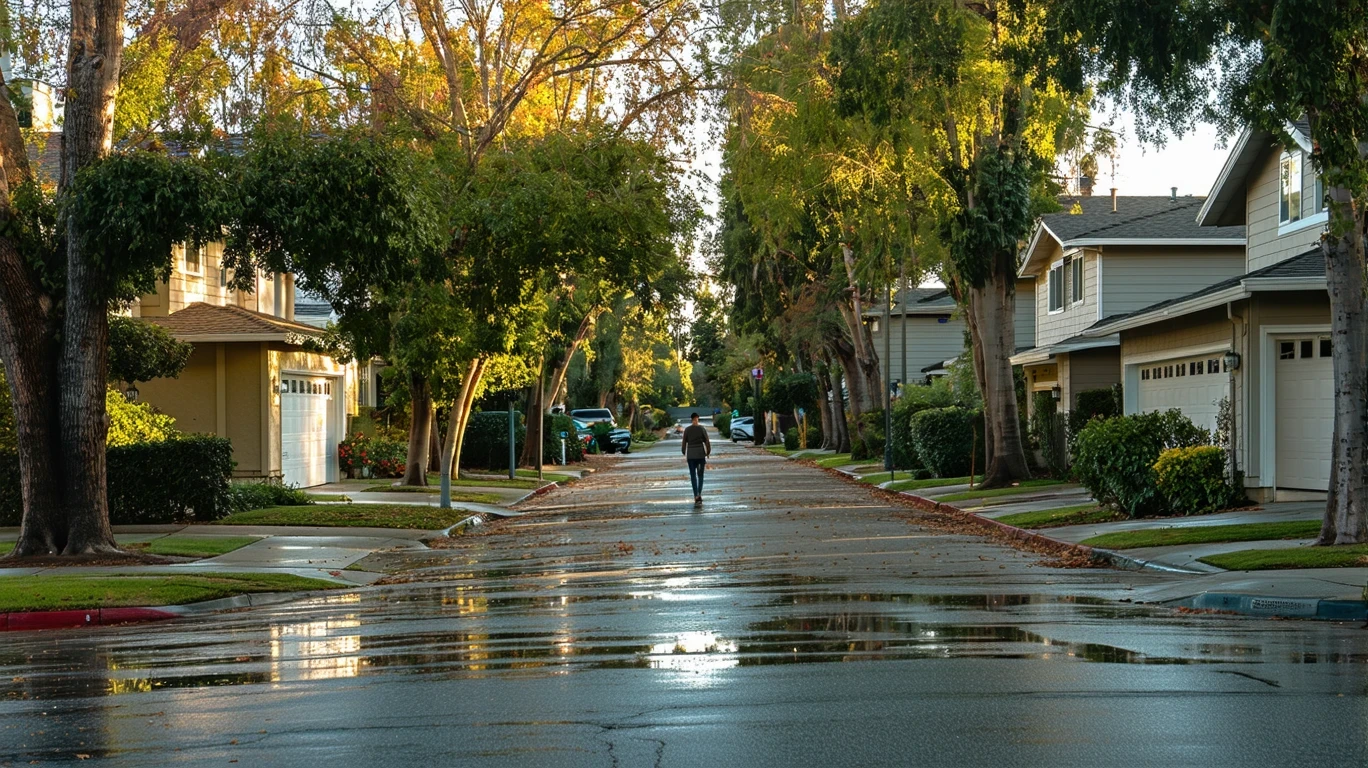
What “Living Comfortably” Means in San Jose
Comfortable living in San Jose means housing doesn’t consume every decision you make. It means seasonal utility swings don’t force you to choose between climate control and other priorities. It means your commute—whether by car, rail, or on foot—doesn’t drain either your wallet or your time to the point of regret. And it means you can occasionally dine out, replace what breaks, and save something without feeling like you’re gambling with next month’s stability.
Comfort is contextual. A single adult in a walkable pocket near transit may feel entirely at ease on an income that would leave a family of four in constant tension. Someone who values space and quiet may need more income to feel settled than someone who prioritizes access and convenience. The city’s infrastructure—its rail lines, its grocery density, its parks—creates different experiences for different households, even at similar income levels.
What comfort is not: it’s not luxury, and it’s not immunity from tradeoffs. It’s the point where your income stops dictating your daily behavior and starts enabling intentional choices.
Where Income Pressure Shows Up First
In San Jose, housing pressure arrives before anything else. The median gross rent sits at $2,526 per month, and the median home value reaches $1,149,600. For renters, that figure represents a baseline expectation, not a ceiling. For prospective buyers, the home value reflects not just purchase price but the long-term exposure to property taxes, insurance, and maintenance—all of which rise alongside the asset itself.
Housing doesn’t just take a large share of income—it shapes every other decision. Where you live determines your commute length, your access to walkable errands, and whether you’ll rely on a car for every trip. Households that prioritize space or yard access typically push farther from the city’s walkable pockets, which increases transportation costs and time. Those who prioritize proximity and convenience face smaller living quarters and higher per-square-foot costs.
Utilities add a second layer of volatility. Electricity rates stand at 30.29¢ per kWh, and natural gas costs $22.96 per MCF. San Jose’s climate demands cooling during extended warm periods, and while heating needs remain modest, the cost structure means even moderate usage translates to noticeable monthly variation. Households that can absorb a $50 or $100 swing without adjusting other spending feel more comfortable than those operating on thin margins.
Transportation costs split along two axes: money and time. Gas prices reach $5.88 per gallon, and the average commute runs 28 minutes. But averages obscure the reality: 44.1% of workers face long commutes, while only 9.4% work from home. For car-dependent households, fuel and vehicle maintenance combine with commute time to create a compounding burden. For those near rail or within walkable neighborhoods, transportation pressure eases considerably—but those locations typically command higher housing costs.
For families, pressure intensifies around childcare, school proximity, and the need for more space. San Jose offers strong family infrastructure—schools and playgrounds meet density thresholds across much of the city—but accessing that infrastructure while maintaining reasonable housing and transportation costs requires either higher income or significant compromise.
How the Same Income Feels Different by Household
A single adult living in one of San Jose’s walkable pockets experiences the city very differently than a family of four in a car-dependent neighborhood. Income level matters, but household structure and location determine how that income translates into daily comfort.
Single adults with moderate to good incomes often find San Jose manageable if they’re willing to accept smaller living spaces in exchange for access. Walkable errands, rail transit, and integrated green space reduce the need for a car and lower the friction of daily logistics. Rent still takes a substantial share of income, but transportation costs stay contained, and the time burden of errands remains light. Comfort arrives when rent is covered without stress and there’s enough left over to enjoy the city’s dining and recreation options without constant budgeting.
Couples face similar dynamics but with more flexibility. Two incomes create more capacity to absorb rent and utilities, and they can more easily choose between prioritizing space and prioritizing location. Couples who value walkability and transit access can live comfortably in smaller units near the city’s denser corridors. Those who want more space or a yard typically move farther out, which increases transportation costs and time but reduces housing cost per square foot. The comfort threshold for couples tends to arrive when both housing and transportation are covered without requiring extreme tradeoffs in other areas.
Families operate under a different cost structure entirely. Space needs rise, school quality and proximity become non-negotiable, and the logistics of managing multiple schedules increase the value of nearby parks, playgrounds, and grocery options. San Jose’s strong family infrastructure helps—schools and playgrounds are present throughout much of the city, and park density exceeds high thresholds—but accessing that infrastructure while maintaining a three-bedroom home or larger often means either paying significantly more in rent or mortgage costs, or accepting a longer commute and car dependency.
For families, comfort doesn’t arrive until income can cover larger housing, absorb seasonal utility swings, manage transportation for multiple people, and still leave room for the inevitable expenses of raising children. The same income that feels spacious for a single adult often feels tight for a family, even when both are living in the same neighborhood.
The Comfort Threshold (Qualitative)
The comfort threshold in San Jose isn’t a number—it’s a transition point. It’s where housing stops feeling like a gamble and starts feeling like a stable foundation. It’s where utility bills become predictable annoyances rather than monthly surprises that force adjustments. It’s where transportation shifts from a limiting factor to a managed expense. And it’s where saving becomes a regular behavior rather than an aspiration.
Households below this threshold make constant tradeoffs. They choose between proximity and space, between climate control and other spending, between time and money. They feel the weight of every rent increase, every fuel price jump, every unexpected repair. They’re not in crisis, but they’re not at ease.
Households above this threshold still make tradeoffs, but the tradeoffs are between preferences rather than necessities. They can choose a smaller place in a walkable neighborhood without feeling trapped. They can absorb a high utility month without cutting back elsewhere. They can replace a broken appliance without derailing their budget. They have margin.
The threshold varies by household type, by lifestyle expectations, and by what you’re willing to compromise. But the feeling is consistent: comfort is when your income gives you choices, not just coverage.
Why Online Cost Calculators Get San Jose Wrong
Most cost-of-living calculators produce a single number: a total monthly cost or a “required income” figure. These numbers are worse than useless—they’re misleading. They treat San Jose as a uniform experience, as if everyone faces the same costs and makes the same tradeoffs. They don’t.
A calculator might tell you that a household needs a specific income to live in San Jose, but it won’t tell you that the number assumes car ownership, or that it’s based on average rent across the entire city, or that it ignores the difference between living near rail and living in a car-dependent suburb. It won’t tell you that the same income feels entirely different depending on whether you’re single or raising kids, or whether you value space over access.
Calculators also treat costs as static. They give you a snapshot, but they don’t explain how costs behave over time. Rent doesn’t stay fixed. Utility bills swing seasonally. Transportation costs shift with fuel prices and commute distance. A total that looks manageable in month one can feel crushing by month twelve if you don’t understand the volatility.
People feel surprised after moving to San Jose not because the calculators were wrong about the totals, but because the totals didn’t explain the texture of daily life. They didn’t explain that where money goes depends on where you live, how you move, and what you’re not willing to compromise.
How to Judge Whether Your Income Fits San Jose
Instead of asking “Is my income enough?”, ask these questions:
How sensitive are you to housing tradeoffs? If you need space and privacy, you’ll pay more or commute farther. If you’re comfortable in smaller quarters and value walkability, you’ll face a different cost structure. Neither is wrong, but your income needs to match your non-negotiables.
Can you absorb seasonal utility swings? San Jose’s electricity rates and extended warm periods mean cooling costs fluctuate. If a $75 or $100 monthly swing would force you to adjust other spending, your margin is thin.
Is time or money your limiting factor? Living farther out often reduces housing costs but increases commute time and transportation expenses. If your income is tight, you might trade time for money. If your time is more valuable, you’ll need more income to live closer in.
How much flexibility do you expect month to month? Comfortable living means you can handle an unexpected expense—a car repair, a medical bill, a broken appliance—without derailing your budget. If you’re operating paycheck to paycheck, even a good income won’t feel comfortable in San Jose.
What does your household structure demand? Singles and couples have more flexibility to optimize for location and access. Families need space, proximity to schools and parks, and the capacity to manage higher baseline costs. The same income supports very different lifestyles depending on household size.
If your answers suggest tight margins, high sensitivity to cost swings, or non-negotiable needs that require premium spending, your income may not provide comfort in San Jose—even if it looks adequate on paper.
How this article was built: In addition to public economic data, this article incorporates location-based experiential signals derived from anonymized geographic patterns—such as access density, walkability, and land-use mix—to reflect how day-to-day living actually feels in San Jose, CA.
FAQs About Living Comfortably in San Jose
Is the median household income in San Jose enough to live comfortably?
The median household income in San Jose is $136,010 per year. Whether that feels comfortable depends entirely on household size, housing expectations, and lifestyle priorities. For a single adult or couple willing to live in a modest space near transit, it can provide meaningful margin. For a family needing three bedrooms and yard access, it often requires careful tradeoffs and leaves less room for error.
Does living in a walkable neighborhood actually reduce costs?
It reduces transportation costs and time burden, but it typically increases housing costs. Walkable pockets in San Jose—areas with high pedestrian-to-road ratios, rail access, and broadly accessible errands—command higher rent or purchase prices per square foot. The tradeoff works for households that value convenience and can accept less space. It doesn’t work for those who need room and are willing to drive.
How much do utilities actually vary month to month in San Jose?
Utility costs in San Jose fluctuate with cooling demand during warm periods. Electricity rates of 30.29¢ per kWh mean that even moderate air conditioning use can swing bills noticeably. Households that can absorb those swings without adjusting other spending feel more comfortable. Those operating on thin margins feel the volatility acutely.
Can you live comfortably in San Jose without a car?
It’s possible in specific areas. San Jose has rail transit and walkable pockets with high grocery and errands density, which reduce car dependency for daily needs. But much of the city remains car-oriented, and long commutes are common. Comfort without a car depends on where you live and where you work. If both align with transit and walkable infrastructure, it’s viable. If not, car ownership becomes necessary, and fuel costs at $5.88 per gallon add up quickly.
What’s the biggest mistake people make when evaluating income needs for San Jose?
They focus on whether their income covers average costs, rather than whether it covers their specific costs given their household type and non-negotiables. A single adult and a family of four don’t experience the same San Jose, even at the same income level. People also underestimate how much housing location determines transportation, time, and errands costs. Choosing housing based solely on rent or mortgage price without considering commute and access costs leads to regret.
San Jose can work well for some households—but only if expectations match reality.