
Can you live in San Jose without a car? The question comes up often, and the answer depends less on what you want and more on where you land within the city’s sprawling geography. San Jose is California’s third-largest city by population, stretching across valleys, hillsides, and commercial corridors that don’t always connect neatly. Some neighborhoods offer walkable streets, rail access, and grocery stores within a few blocks. Others require a vehicle for nearly every errand. Understanding transportation options in San Jose means recognizing that mobility here isn’t one-size-fits-all—it’s shaped by which part of the city you call home, where you work, and how your household actually moves through the day.
Newcomers often assume that a major metro area guarantees robust public transit. San Jose has transit infrastructure, including rail service and bus routes, but the city’s layout doesn’t always reward those who rely on it exclusively. The region developed outward during decades when car ownership was the default, and that legacy shows in street design, parking availability, and the distances between daily destinations. For some residents, transit works. For others, it’s a supplement at best. The gap between those two experiences is wide, and it’s driven by place structure more than personal preference.
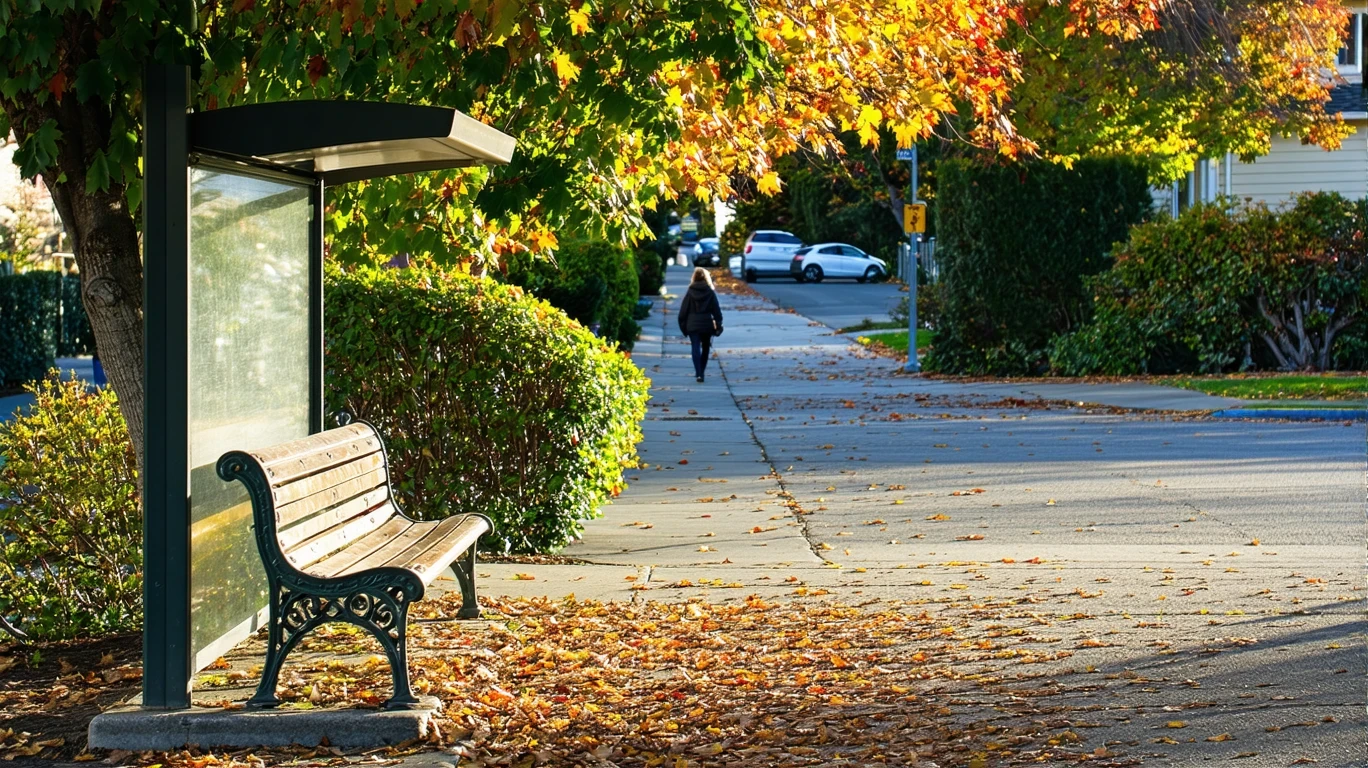
How People Get Around San Jose
San Jose’s transportation reality reflects its physical form: a mix of dense commercial corridors, low-rise residential neighborhoods, and pockets of higher-density development near transit nodes. The pedestrian-to-road ratio exceeds typical suburban thresholds in certain areas, meaning sidewalks, crosswalks, and pedestrian pathways are well-developed relative to the street network. Bike infrastructure is similarly notable, with dedicated lanes and paths present throughout parts of the city. These aren’t decorative features—they’re used, and they shape how people move when conditions align.
But infrastructure presence doesn’t guarantee universal usability. Rail service exists and connects key corridors, yet many residents still depend on cars for the majority of trips. The average commute in San Jose runs 28 minutes, and more than 44% of workers face long commutes—a figure that suggests either distance, congestion, or both. Only 9.4% of the workforce operates from home, meaning the vast majority must physically travel to work, and for many, that travel happens behind the wheel.
What separates those who use transit from those who drive isn’t always choice. It’s proximity to rail stations, the directionality of their commute, and whether their daily errands cluster near home or scatter across the region. San Jose’s land use shows both residential and commercial activity in many areas, which helps some households consolidate trips. But the city’s scale and the uneven distribution of jobs, schools, and services mean that convenience varies sharply by neighborhood.
Public Transit Availability in San Jose
Public transit in San Jose often centers around systems such as VTA light rail and regional bus service, though coverage and utility depend heavily on where you live and where you’re going. Rail service is present and connects downtown San Jose with surrounding communities, employment centers, and regional transit hubs. For residents living near stations and commuting along established corridors, rail can replace car trips entirely. For those outside the network or traveling perpendicular to major lines, it’s less practical.
Bus routes extend farther than rail, reaching neighborhoods that lack direct train access, but frequency and span of service vary. Some corridors see regular weekday service; others thin out in the evenings and on weekends. The system works best for predictable, single-destination commutes during peak hours. It works less well for multi-stop errands, late shifts, or trips that require transfers across low-frequency routes.
Transit’s role in San Jose is real but not dominant. It serves a meaningful share of commuters, particularly those working in downtown San Jose, near university campuses, or along commercial strips accessible by rail. But it doesn’t eliminate car dependency for most households. Families managing school pickups, grocery runs, and weekend activities often find that transit adds friction rather than reducing it. The infrastructure exists, but the city’s geography and the distribution of daily destinations limit how many people can rely on it exclusively.
Driving & Car Dependence Reality
For most San Jose residents, driving remains the default. Parking is widely available, both on-street and in private lots, and the region’s freeway network connects the city to Silicon Valley employment centers, the East Bay, and the Peninsula. Owning a car provides flexibility that transit can’t match: the ability to leave when you want, stop where you need, and avoid the time cost of waiting or transferring.
That flexibility comes with exposure. Gas prices in San Jose run higher than the national average, and commute distances can be significant, particularly for workers traveling to jobs in neighboring cities or across county lines. Traffic congestion is common during peak hours, and while some routes offer carpool lanes, solo drivers often absorb delays. The tradeoff isn’t between cost and convenience—it’s between control and predictability. Driving gives you the former; transit sometimes offers the latter, but only if your route and schedule align.
Car dependence also shapes housing decisions. Residents who need reliable vehicle access tend to prioritize neighborhoods with parking, even if that means living farther from transit. Those who can function without a car often pay a premium to live near rail stations or within walkable commercial districts. The monthly spending in San Jose reflects these tradeoffs, as transportation costs shift depending on whether a household is absorbing fuel, insurance, and maintenance or relying on transit passes and occasional rideshare.
Commuting Patterns & Daily Mobility
Commuting in San Jose isn’t just about getting to work—it’s about managing the full circuit of daily movement. Single-job commuters with fixed schedules and direct routes have the easiest time, particularly if they live near rail or work in transit-accessible zones. Multi-stop households—those juggling childcare, errands, and irregular hours—face more complexity. Transit can handle one leg of the day, but it rarely handles all of them without adding significant time.
The 28-minute average commute masks wide variation. Some residents walk or bike to work in under 15 minutes. Others spend an hour or more each way, either because they’ve chosen affordability over proximity or because their job isn’t located near their home. The 44.1% facing long commutes aren’t outliers—they’re a substantial share of the workforce, and their experience reflects the region’s job-housing imbalance and the distances many people must cover to reach employment.
Proximity matters more in San Jose than in denser cities with comprehensive transit. Living within a few miles of work, school, or grocery stores reduces dependence on both cars and transit. But proximity costs, and not every household can afford it. The result is a commuting landscape where some people enjoy short, predictable trips and others absorb long, variable ones, with little middle ground.
Who Transit Works For — and Who It Doesn’t
Transit in San Jose works best for renters in core neighborhoods, particularly those near downtown or along the light rail corridor. These residents benefit from walkable access to stations, frequent service during commute hours, and proximity to commercial districts where errands don’t require a car. Single adults and couples without school-age children can often structure their lives around transit, especially if their work and social activities cluster within the network.
Families face a different calculus. Schools, daycare, sports practices, and weekend activities rarely align with transit schedules or station locations. Parents managing multiple stops in a day often find that driving is the only practical option, even if they’d prefer not to own a car. Peripheral neighborhoods—those farther from rail lines or outside walkable commercial zones—tilt even more heavily toward car dependence, regardless of household type.
Homeowners, particularly those in single-family neighborhoods, are less likely to rely on transit. These areas were often built with car access in mind, and while some have since added bike lanes or improved pedestrian infrastructure, the fundamental layout assumes vehicle ownership. Renters in these same neighborhoods face similar constraints, though they may have less control over proximity to transit when choosing where to live.
The dividing line isn’t income or preference—it’s location and household logistics. Transit works when your daily destinations fall within its reach and your schedule tolerates its rhythm. When either condition fails, car ownership becomes necessary, not optional.
Transportation Tradeoffs in San Jose
Choosing between transit and driving in San Jose isn’t about finding the cheaper option—it’s about deciding which set of constraints you’re willing to manage. Transit limits where you can go and when, but it removes the variability of traffic, parking, and fuel costs. Driving offers control and flexibility but exposes you to congestion, maintenance, and the ongoing cost of vehicle ownership.
For households that can make transit work, the benefit is predictability. Commute times are more stable, and the mental load of navigating traffic disappears. For those who can’t, driving becomes a fixed necessity, and the question shifts from whether to own a car to how much driving you’ll actually do. Reducing trips, consolidating errands, and choosing housing closer to work all help, but they require tradeoffs in rent, space, or neighborhood character.
San Jose’s infrastructure supports both modes, but it doesn’t make either one effortless. The city’s layout rewards those who can live near transit or work close to home, and it penalizes those who can’t. Understanding that dynamic—and knowing which side of it you’ll land on—matters more than any single decision about transportation.
FAQs About Transportation in San Jose (2026)
Is public transit usable for daily commuting in San Jose?
Yes, if you live near a rail station and work along a major transit corridor. Rail service connects downtown San Jose with surrounding employment centers, and bus routes extend coverage into additional neighborhoods. For residents whose commute aligns with these routes, transit is a practical daily option. For those living farther from stations or commuting outside the network, transit becomes less viable, and car ownership is typically necessary.
Do most people in San Jose rely on a car?
Yes. While transit infrastructure exists and serves a meaningful share of commuters, the majority of San Jose residents depend on cars for daily mobility. The city’s scale, the distribution of jobs and services, and the structure of residential neighborhoods all favor vehicle ownership. Households managing multiple stops, irregular schedules, or trips outside transit-served areas find that driving is often the only practical choice.
Which areas of San Jose are easiest to live in without a car?
Neighborhoods near downtown San Jose and along the light rail corridor offer the best access to transit, walkable streets, and nearby grocery and commercial options. Areas with higher pedestrian infrastructure density and proximity to rail stations allow some residents to function without a car, particularly if their work and daily errands fall within the transit network. Peripheral neighborhoods and single-family zones farther from rail typically require vehicle ownership.
How does commuting in San Jose compare to nearby cities?
San Jose’s average commute of 28 minutes sits in the middle range for the Bay Area, but the percentage of workers facing long commutes—44.1%—is notable. The city’s sprawl and the region’s job distribution mean that many residents travel significant distances, either within San Jose or to neighboring cities. Compared to denser urban cores with more comprehensive transit, San Jose leans more heavily on cars, though it offers better transit access than many suburban communities.
Can you bike for transportation in San Jose?
Yes, in certain areas. San Jose has notable bike infrastructure, with dedicated lanes and paths present throughout parts of the city. The bike-to-road ratio exceeds typical thresholds, meaning cycling is a viable option for residents whose routes align with protected infrastructure and whose daily destinations are within reasonable distance. Bike commuting works best in flatter, more connected neighborhoods and along established corridors. Hillier areas and routes requiring freeway crossings are less practical.
How Transportation Fits Into the Cost of Living in San Jose
Transportation isn’t just a line item in a budget—it’s a structural factor that shapes where you can live, how much time you spend commuting, and what flexibility you retain in daily life. In San Jose, the decision to rely on transit or own a car affects housing choice, neighborhood access, and the rhythm of your day. Those who can function without a car often pay more for proximity to transit or walkable districts. Those who need a car absorb fuel, insurance, and maintenance costs, but gain the ability to live farther from expensive core neighborhoods.
The city’s infrastructure supports both paths, but neither is without friction. Transit works when your life aligns with its geography and schedule. Driving works when you can absorb the cost and manage the time. Understanding which model fits your household—and what tradeoffs come with it—helps clarify not just how you’ll get around, but where you’ll be able to live and what your day-to-day routine will look like. San Jose offers options, but it doesn’t make any of them automatic.
How this article was built: In addition to public economic data, this article incorporates location-based experiential signals derived from anonymized geographic patterns—such as access density, walkability, and land-use mix—to reflect how day-to-day living actually feels in San Jose, CA.
—