
A first-time renter in San Jose looking at a one-bedroom apartment near a transit station will encounter monthly rent around $2,526—the median gross rent across the city. A first-time buyer eyeing a modest single-family home faces a median home value of $1,149,600, requiring a down payment and income stability that narrows the field considerably. Both paths reflect the same underlying reality: San Jose’s housing market is shaped by constrained geography, tech-sector income concentration, and infrastructure that rewards location strategy. Understanding how these costs behave—and which exposures remain predictable versus volatile—determines whether renting or owning fits your financial structure and timeline.
The Housing Market in San Jose Today
San Jose’s housing market operates under geographic and economic constraints that distinguish it from other expensive metros. Hemmed in by mountains to the east and the bay to the north, the city cannot expand outward easily, forcing density and price competition onto existing parcels. Tech employment concentration sustains a household income distribution—median $136,010 per year—that supports premium pricing, but also creates a bifurcated market: dual-income tech households compete directly with long-term owners and equity-backed buyers, while single-income and service-sector households face severe cost burden on both the rental and ownership sides.
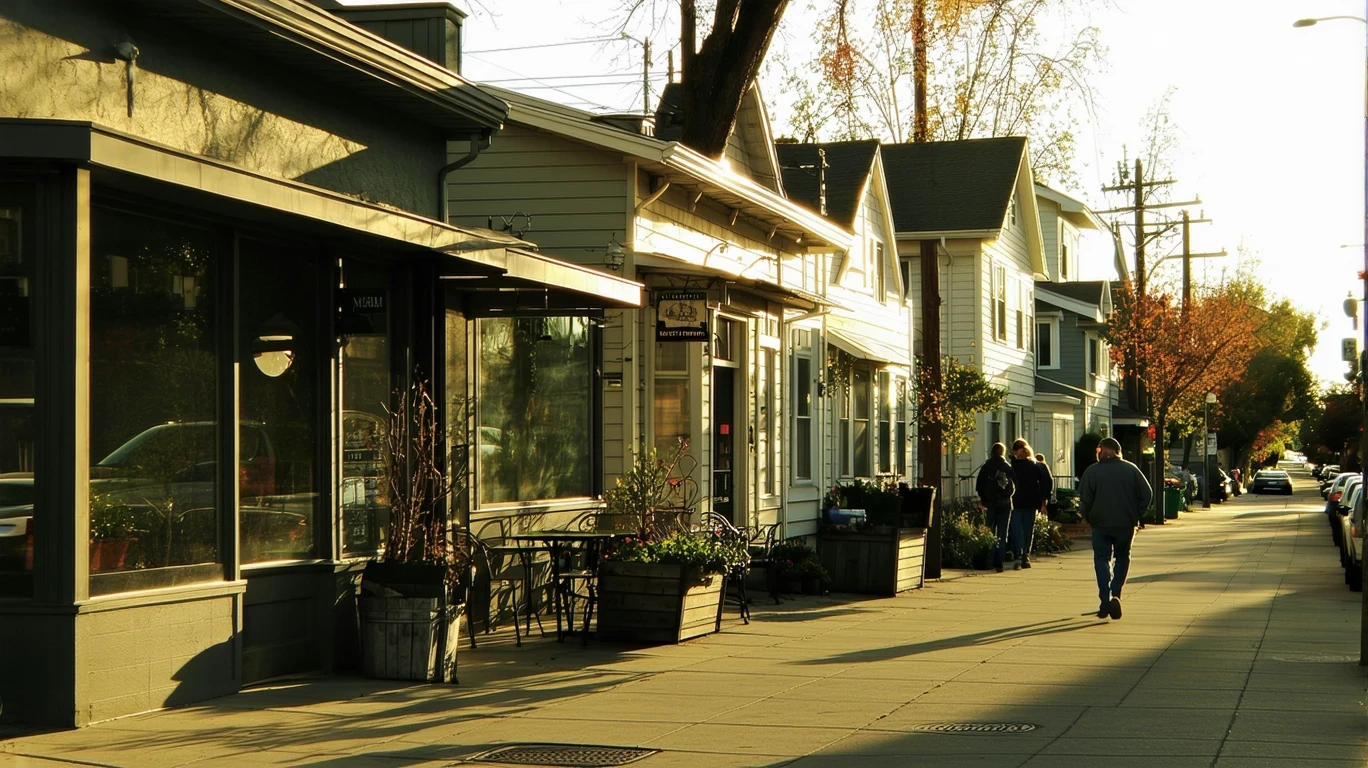
What newcomers often misunderstand is that San Jose’s housing premium isn’t just about scarcity—it’s about infrastructure quality and location value. The city offers walkable pockets with substantial pedestrian infrastructure, rail transit service, and broadly accessible grocery and food options. Parks exceed high-density thresholds, school and playground infrastructure is strong, and hospitals are present. These factors sustain rent and ownership premiums because they reduce household logistics friction and long-term cost exposure in ways that car-dependent suburbs cannot replicate.
Renting in San Jose
At $2,526 per month median gross rent, San Jose’s rental market reflects both income capacity and location competition. Renters near transit corridors or within walkable neighborhoods access reduced car dependency—a meaningful offset when gas costs $5.88 per gallon and commutes average 28 minutes. Rental pressure remains high because tech-sector employment creates constant demand, and the flexibility to relocate without selling a home holds value in a volatile industry.
Rental cost behavior in San Jose is driven by proximity to employment centers, transit access, and neighborhood infrastructure. Units near light rail stations or within walking distance of grocery clusters command premiums, but they also eliminate second-car expenses and reduce time costs. Renters should expect that lease renewals will reflect market conditions rather than predictable escalation, and that landlords in high-demand neighborhoods have limited incentive to hold rates flat. The rental experience here rewards those who treat location as a cost-control lever, not just a lifestyle preference.
Owning a Home in San Jose
Ownership in San Jose begins with a $1,149,600 median home value, a figure that requires substantial down payment reserves and income documentation. Once entered, ownership transfers property tax exposure, maintenance responsibility, and insurance costs to the household. Property taxes in California are governed by Proposition 13, which limits assessment increases for existing owners but resets to purchase price for new buyers—meaning recent purchasers carry higher tax burdens than long-term residents in identical homes.
Ownership-specific exposures in San Jose include aging housing stock, which increases repair and system replacement costs over time, and homeowners association governance in many neighborhoods, which can add fees and restrict autonomy. However, ownership also provides cost predictability that renting cannot: principal and interest payments remain fixed on a traditional mortgage, and property tax growth is capped annually for existing owners. For households planning to remain in the area long-term—particularly families benefiting from strong school and playground infrastructure—ownership converts housing cost into equity accumulation rather than pure expense.
The decision to buy in San Jose often hinges on whether a household has already accumulated equity elsewhere, receives employer assistance, or can sustain dual incomes at tech-sector compensation levels. For those who meet the entry threshold, ownership provides stability and control in a market where rental availability and lease terms remain subject to landlord discretion.
Apartment vs House in San Jose — Cost Behavior Comparison
| Expense Category | Apartment | House |
|---|---|---|
| Base monthly cost | Rent near $2,526/month median; landlord sets terms and renewal increases | Property tax exposure resets at purchase; ongoing tax burden higher for recent buyers than long-term owners |
| Utilities | Smaller footprint and shared walls reduce heating and cooling load in mild climate; electricity at 30.29¢/kWh affects usage but not seasonal volatility | Larger conditioned space and detached structure increase baseline usage; natural gas at $22.96/MCF supports heating in winter but climate minimizes extreme exposure |
| Maintenance and repairs | Landlord responsible for systems, structure, and exterior; tenant exposure limited to damage beyond normal wear | Owner carries full responsibility for aging systems, roof, foundation, and appliances; older housing stock increases replacement frequency |
| Flexibility | Lease terms allow relocation without transaction costs; valued in tech sector where employment volatility and acquisition cycles drive mobility | Selling requires market timing, transaction costs, and capital gains consideration; ownership rewards stability and penalizes short tenures |
| Outdoor space and green access | Private outdoor space limited or absent; city’s integrated park density and water features provide accessible substitutes within walkable distance | Private yards common but vary by lot size and neighborhood; outdoor space controlled by owner rather than shared or scheduled |
What drove these differences: San Jose’s mild Mediterranean climate reduces the seasonal utility gap between apartments and houses compared to extreme-weather cities. Property tax structure under Proposition 13 creates a unique ownership exposure that doesn’t affect renters. Tech-sector employment volatility makes flexibility a locally significant factor. The city’s high park density and walkable pockets reduce the outdoor space penalty for apartment living in ways that car-dependent suburbs do not replicate.
Why some categories were excluded: Parking is not a meaningful differentiator in San Jose’s suburban context—both apartments and houses typically include parking without premium charges. Amenity access (pools, gyms) is not a primary decision factor in this market, where households prioritize location, schools, and commute access over on-site recreational features.
Utilities and Upkeep Differences
San Jose’s Mediterranean climate—with mild, wet winters and warm, dry summers—creates a utility exposure profile that differs from both cold-weather and extreme-heat metros. Electricity at 30.29¢/kWh is among the highest rates in the country, but the lack of prolonged heating or cooling seasons prevents the seasonal bill spikes common in regions with harsher weather. Natural gas at $22.96/MCF supports winter heating, but demand remains modest compared to cold-climate cities.
For apartment dwellers, shared walls and smaller conditioned spaces reduce baseline energy usage. For house owners, detached structures and larger square footage increase consumption, but the mild climate keeps total exposure manageable. The greater distinction lies in upkeep responsibility: apartment renters face minimal maintenance exposure, while house owners in San Jose’s aging housing stock must budget for roof replacement, HVAC servicing, and seismic retrofitting—expenses that are episodic but substantial.
Utility cost control in San Jose depends more on rate management and efficiency upgrades than on behavioral changes. Owners who invest in insulation, window replacement, or solar installation reduce ongoing exposure, but these measures require upfront capital. Renters have limited control over building efficiency and must accept the cost structure their landlord has established.
Rent vs Buy: Long-Term Exposure in San Jose
The structural difference between renting and owning in San Jose is not about monthly payment size—it’s about predictability, control, and exposure to market forces over time. Renters face lease renewal risk, where landlords adjust rent to reflect current market conditions, employment demand, and neighborhood desirability. This creates volatility that makes long-term planning difficult, but it also provides flexibility to relocate without transaction costs when employment, household size, or financial circumstances change.
Owners face a different risk profile. Property taxes reset at purchase price and then grow at a capped rate, providing predictability that renting cannot offer. Mortgage principal and interest remain fixed on traditional loans, eliminating the payment uncertainty renters experience. However, ownership also concentrates exposure: maintenance costs, insurance premiums, and special assessments fall entirely on the owner, and selling requires market timing and transaction costs that can erode equity in short holding periods.
For households planning to remain in San Jose long-term—particularly those with children benefiting from strong school infrastructure and families valuing stable housing costs—ownership converts monthly payments into equity accumulation and provides insulation from rental market volatility. For those in tech-sector roles where acquisition cycles, layoffs, or relocation opportunities create uncertainty, renting preserves optionality and avoids the capital lock-in that ownership requires.
Neither path is universally superior. The choice depends on income stability, down payment capacity, timeline, and tolerance for different types of financial exposure. What matters most is understanding which risks you’re accepting and whether your household structure and employment situation can absorb them.
FAQs About Housing Costs in San Jose
What does it actually cost to rent in San Jose?
Median gross rent is $2,526 per month, but location, unit size, and proximity to transit create wide variation. Renters near light rail or within walkable neighborhoods pay premiums for reduced car dependency and access to grocery and park infrastructure.
How much do you need to buy a home in San Jose?
With a median home value of $1,149,600, buyers typically need a down payment in the six figures and documented income sufficient to support mortgage, property tax, insurance, and maintenance costs. Dual-income households at tech-sector compensation levels form the core buyer pool.
Are property taxes in San Jose higher for new buyers?
Yes. California’s Proposition 13 caps annual property tax increases for existing owners but resets the assessment to purchase price when a home sells. Recent buyers carry higher tax burdens than long-term owners in identical homes.
Does San Jose’s climate make utilities cheaper than other expensive cities?
Electricity rates are high at 30.29¢/kWh, but the mild Mediterranean climate reduces seasonal heating and cooling demand. Total utility exposure is lower than in extreme-heat or cold-weather metros, even though per-unit energy costs are elevated.
Is renting or buying better for tech workers in San Jose?
It depends on employment stability and timeline. Tech-sector volatility—layoffs, acquisitions, relocation offers—favors renting for flexibility. Workers with stable roles, long-term plans, and down payment capacity benefit from ownership’s cost predictability and equity accumulation.
Making Housing Choices in San Jose
Housing costs in San Jose are high by any measure, but they are not arbitrary. The market reflects constrained geography, tech-sector income concentration, and infrastructure quality that reduces household logistics friction. Renters pay $2,526 per month median for flexibility and access to walkable neighborhoods, transit, and integrated parks. Buyers face a $1,149,600 median home value but gain cost predictability, equity accumulation, and insulation from lease renewal volatility.
The decision between renting and owning is not about which costs less—it’s about which risk profile fits your income stability, timeline, and household structure. Renters accept market-driven lease increases in exchange for mobility and lower upfront capital requirements. Owners accept maintenance responsibility, transaction costs, and capital lock-in in exchange for fixed housing payments and long-term equity growth.
What makes San Jose distinct is that housing pressure interacts with high-quality infrastructure—rail transit, walkable errands, strong schools, and accessible green space—in ways that sustain premiums but also deliver measurable cost offsets for strategically located households. Understanding how these factors combine, and which tradeoffs align with your financial structure, is what separates sound housing decisions from reactive ones.
For a broader view of what drives expenses beyond housing, including transportation, utilities, and day-to-day costs, see the cost structure guide. And if you’re planning a move into or within the area, the moving companies guide covers logistics, cost factors, and how to evaluate providers.
How this article was built: In addition to public economic data, this article incorporates location-based experiential signals derived from anonymized geographic patterns—such as access density, walkability, and land-use mix—to reflect how day-to-day living actually feels in San Jose, CA.