
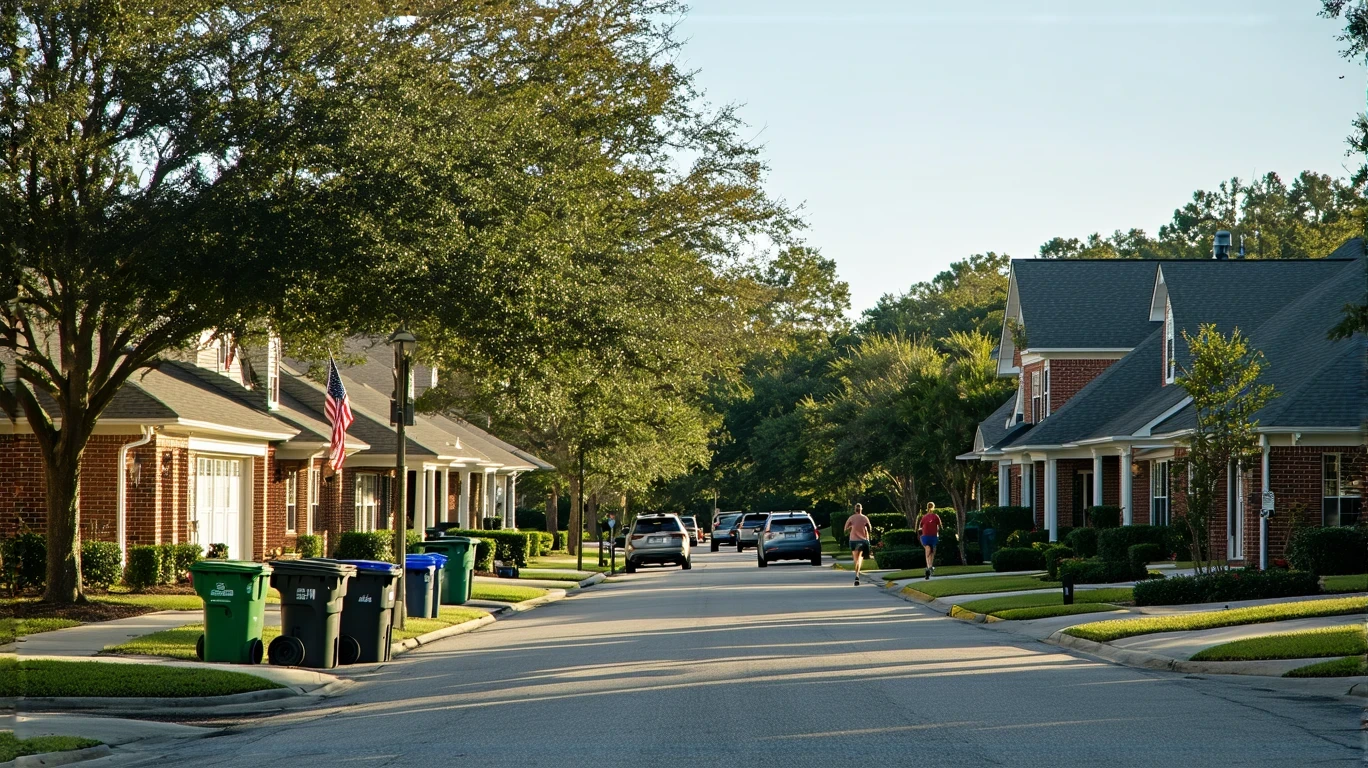
Which city gives you more for your money? For families and professionals weighing a move within the Orlando metro, Ocoee and Winter Garden represent two distinct approaches to suburban living. Both cities sit west of Orlando, share similar climate exposure, and draw from the same regional job market. Yet the way cost pressure shows up—and which households feel it most—differs in meaningful ways. In 2026, the decision between these two cities isn’t about finding the “cheaper” option. It’s about understanding where your household’s non-negotiable expenses concentrate, and which city’s cost structure aligns with how you actually live.
Ocoee offers a lower entry barrier for homebuyers, moderate pedestrian infrastructure, and the presence of a hospital facility. Winter Garden presents lower monthly rent for renters, walkable pockets with higher pedestrian-to-road ratios, and more integrated green space access. The trade-offs aren’t subtle: one city front-loads cost pressure into housing purchase prices, while the other distributes it differently across rent, transportation logistics, and access to outdoor amenities. For households sensitive to upfront capital requirements, ongoing monthly obligations, or the friction costs of daily errands, these structural differences shape financial stability in ways that income alone doesn’t capture.
This comparison focuses on how cost mechanisms differ between Ocoee and Winter Garden—not on calculating total monthly budgets or declaring a universal winner. The better choice depends entirely on which expenses dominate your household’s financial picture, and which forms of cost pressure you’re best equipped to manage.
Housing Costs: Entry Barrier vs. Monthly Obligation
Housing costs in Ocoee and Winter Garden diverge sharply depending on whether you’re renting or buying. Ocoee’s median home value sits at $325,100, while Winter Garden’s reaches $408,700. That gap represents a substantial difference in upfront capital requirements for buyers. Households entering the ownership market face lower down payment thresholds, lower mortgage principal, and reduced exposure to property tax assessments in Ocoee. For first-time buyers or households stretching to meet conventional loan requirements, that entry barrier difference can determine whether homeownership is feasible at all in 2026.
Renters, however, encounter the opposite pattern. Ocoee’s median gross rent stands at $1,756 per month, compared to Winter Garden’s $1,590 per month. That reversal means renters in Winter Garden face lower ongoing monthly obligations, preserving more flexibility for discretionary spending, emergency savings, or debt paydown. The rent difference also affects lease renewal volatility: in markets where rental stock is tighter, smaller baseline rents can translate into less severe percentage increases when leases renew. For households planning to rent long-term or those prioritizing liquidity over equity accumulation, Winter Garden’s rental structure offers more breathing room month to month.
The housing stock composition in each city also shapes cost predictability. Ocoee’s mixed building height character and moderate pedestrian infrastructure suggest a blend of single-family homes and smaller multifamily developments, which can introduce variability in maintenance obligations and HOA fee structures. Winter Garden’s walkable pockets and integrated green space access point toward neighborhoods where housing density supports more walkable errands, potentially reducing transportation costs for renters and owners alike. Households sensitive to the indirect costs of car dependency—fuel, insurance, maintenance—may find that Winter Garden’s pedestrian-friendly areas offset some of the higher home purchase prices through reduced transportation exposure over time.
| Housing Type | Ocoee | Winter Garden |
|---|---|---|
| Median Home Value | $325,100 | $408,700 |
| Median Gross Rent | $1,756/month | $1,590/month |
For renters, Winter Garden’s lower monthly rent reduces ongoing cash flow pressure, making it easier to manage variable expenses like utilities or groceries without sacrificing savings goals. For buyers, Ocoee’s lower home values reduce the capital intensity of entry, lowering mortgage payments and freeing up income for other priorities. Families planning to stay several years may prioritize equity accumulation and favor Ocoee’s lower purchase threshold, while young professionals or couples prioritizing flexibility may prefer Winter Garden’s rental affordability and walkable neighborhood pockets.
Housing takeaway: Ocoee favors households with access to down payment capital who want to minimize mortgage size and property tax exposure. Winter Garden favors renters seeking lower monthly obligations and households willing to pay higher purchase prices in exchange for walkable access and integrated green space. The decision hinges on whether your household is more exposed to upfront capital barriers or ongoing monthly cash flow constraints.
Utilities and Energy Costs: Usage Patterns, Not Rate Differences
Utility and energy costs in Ocoee and Winter Garden start from identical rate structures. Both cities face the same electricity rate of 15.02¢/kWh and natural gas price of $23.62/MCF. That parity means differences in utility bills stem entirely from usage patterns, housing stock characteristics, and household behavior—not from regional pricing advantages. In Florida’s climate, cooling dominates energy consumption for most of the year, with extended periods of high heat and humidity driving air conditioning loads. Heating needs remain minimal, concentrated in brief winter stretches when overnight temperatures occasionally dip below comfortable indoor thresholds.
Housing age and construction quality introduce the most meaningful variation in utility exposure. Older single-family homes with minimal insulation, single-pane windows, and aging HVAC systems consume significantly more electricity to maintain indoor comfort than newer construction with modern building envelopes and efficient cooling equipment. Ocoee’s mixed building height character and moderate pedestrian infrastructure suggest a range of housing vintages, meaning utility costs can vary widely depending on which neighborhood and home type a household selects. Winter Garden’s walkable pockets and integrated green space access may correlate with newer planned developments where energy efficiency standards are higher, potentially reducing baseline cooling loads for residents in those areas.
Household size and home square footage amplify these differences. A family of four in a 2,500-square-foot single-family home will face substantially higher cooling costs than a single adult or couple in a 1,200-square-foot apartment, regardless of city. Apartments benefit from shared wall insulation and smaller conditioned spaces, which reduce per-household energy consumption. Single-family homes, especially those with vaulted ceilings, large windows, or poor attic insulation, experience higher heat gain and longer cooling cycles. Households comparing similar housing types between the two cities should expect comparable utility bills; households comparing apartments in one city to single-family homes in the other should anticipate meaningfully different energy exposure.
Behavioral factors also shape utility predictability. Households that adjust thermostats during work hours, use ceiling fans to reduce cooling dependence, and limit discretionary electricity use (pool pumps, exterior lighting, multiple refrigerators) can moderate bills even in older homes. Conversely, households that maintain constant indoor temperatures, run appliances continuously, or have high plug-load usage will see higher bills regardless of housing stock quality. Utility cost volatility in both cities is driven more by seasonal cooling intensity and household habits than by rate fluctuations, since Florida’s electricity pricing remains relatively stable year-round.
Utility takeaway: Households in newer, well-insulated homes experience lower and more predictable utility costs in both cities. Families in older single-family homes face higher cooling exposure, especially during peak summer months. Renters in apartments benefit from smaller conditioned spaces and shared insulation, reducing baseline energy consumption. The primary cost driver is housing stock quality and household size, not city-level rate differences.
Groceries and Daily Expenses: Access Structure, Not Price Levels
Grocery and daily expense costs in Ocoee and Winter Garden reflect identical regional price parity indices, meaning staple food prices, household goods, and everyday consumables don’t vary meaningfully between the two cities. Both operate within the same Orlando metro supply chains, drawing from the same distribution networks and facing the same wholesale pricing. The difference in how grocery pressure feels comes down to access structure, errand logistics, and the friction costs of reaching stores—not the prices on the shelf.
Both cities show corridor-clustered food and grocery accessibility, meaning stores and restaurants concentrate along major commercial corridors rather than being evenly distributed throughout residential neighborhoods. That clustering pattern affects how often households need to drive, how much time errands consume, and whether quick top-up trips are practical or whether bulk shopping becomes the default. Ocoee’s mixed pedestrian infrastructure and moderate pedestrian-to-road ratio suggest that most grocery trips require a car, even for households living relatively close to commercial areas. Winter Garden’s walkable pockets and higher pedestrian-to-road ratio mean some neighborhoods support walking or biking to nearby stores, reducing the need for dedicated car trips and lowering the indirect costs of grocery access.
Household size and shopping frequency interact with this access structure in meaningful ways. Single adults and couples who shop frequently in small quantities benefit more from walkable access, since quick trips for fresh produce, dairy, or meal ingredients don’t require vehicle use. Families managing larger grocery volumes—weekly bulk purchases, multiple dietary needs, or stocking pantries—rely more heavily on car access regardless of pedestrian infrastructure, making corridor clustering less of a friction point. For these households, the primary cost driver is cart size and dietary preferences, not proximity to stores.
Dining out and convenience spending introduce another layer of cost variability. Both cities offer a mix of chain restaurants, fast-casual options, and independent eateries concentrated along commercial corridors. Households that rely on takeout, delivery, or frequent restaurant meals face similar pricing in both cities, but the ease of access differs. Winter Garden’s walkable pockets may reduce the temptation to drive for every meal, while Ocoee’s car-oriented errands structure can make grabbing takeout feel like a more deliberate trip. Over time, these small friction differences can nudge households toward different spending patterns—not because prices differ, but because convenience and effort shape behavior.
Grocery takeaway: Households prioritizing walkable errands and frequent small shopping trips may find Winter Garden’s pedestrian-friendly pockets reduce the time and fuel costs of grocery access. Families managing bulk purchases and larger carts will rely on car access in both cities, making corridor clustering a neutral factor. The primary difference is errand logistics and convenience, not food prices or store availability.
Taxes and Fees: Property Tax Exposure and Service Bundling

Tax and fee structures in Ocoee and Winter Garden operate under Florida’s statewide framework, which relies heavily on property taxes to fund local services and infrastructure. Neither city imposes a local income tax, and both are subject to the same state sales tax rate. That means the primary tax difference between the two cities comes down to property tax assessments, which are driven by home values and local millage rates. Ocoee’s lower median home value of $325,100 translates into lower annual property tax bills for homeowners compared to Winter Garden’s $408,700 median, assuming similar millage rates. For households planning to own long-term, that gap compounds over time, affecting both monthly escrow obligations and the total cost of ownership.
Renters don’t pay property taxes directly, but landlords pass those costs through in the form of higher rents. Winter Garden’s higher home values suggest higher property tax burdens for landlords, yet the city’s median gross rent of $1,590 per month sits below Ocoee’s $1,756 per month. That reversal indicates that rental market dynamics—vacancy rates, demand intensity, and housing stock composition—matter more than underlying tax costs in determining what renters actually pay. For renters, the takeaway is that property tax exposure is indirect and already embedded in lease rates, making it less of a decision factor than for buyers.
HOA fees and special assessments introduce another layer of cost variability, particularly in newer planned developments common in both cities. Some neighborhoods bundle services like landscaping, trash collection, and community amenities into monthly HOA fees, which can range from minimal ($50–$100/month) to substantial ($300+/month) depending on the development. These fees are more predictable than ad hoc service costs, but they also represent non-negotiable monthly obligations that don’t fluctuate with usage. Households comparing homes in HOA-governed communities should verify what services are included and whether those fees offset costs they’d otherwise pay separately, such as lawn care or water service.
Trash collection, water, and sewer fees vary by provider and housing type. In some areas, these services are billed separately and can add $100–$200/month to household expenses. In others, they’re bundled into HOA fees or included in rent. Homeowners should confirm whether these costs are itemized or rolled into other obligations, as they affect monthly cash flow predictability. Renters typically see these costs embedded in gross rent, making them invisible but still present.
Tax and fee takeaway: Homeowners in Ocoee face lower property tax exposure due to lower median home values, reducing long-term ownership costs. Winter Garden’s higher home values increase property tax obligations for buyers, but renters benefit from lower gross rent despite those higher underlying assessments. HOA fees and service bundling vary by neighborhood in both cities, making individual property research essential for accurate cost forecasting.
Transportation & Commute Reality
Transportation costs in Ocoee and Winter Garden stem from identical fuel prices—$3.95/gal—but diverge sharply in how daily mobility actually works. Ocoee’s average commute time sits at 32 minutes, with 54.4% of workers facing long commutes and only 7.7% working from home. That pattern signals a workforce heavily reliant on car-based commuting, likely traveling to job centers in Orlando or other parts of the metro. The moderate pedestrian-to-road ratio and mixed mobility texture mean most daily errands—groceries, appointments, school drop-offs—also require vehicle use, compounding fuel consumption beyond just the work commute.
Winter Garden’s commute data isn’t available in the feed, but the city’s walkable pockets and higher pedestrian-to-road ratio suggest that some neighborhoods support non-car errands more effectively than Ocoee’s mixed infrastructure. That doesn’t eliminate commuting costs for workers traveling to Orlando or other regional employment hubs, but it does reduce the number of short trips that require starting the engine. Over time, households in Winter Garden’s pedestrian-friendly areas may see lower fuel consumption from daily errands, even if work commutes remain car-dependent.
Both cities offer bus-only transit service, meaning public transportation exists but lacks the frequency, coverage, or speed to serve as a primary commute mode for most households. Transit in suburban Orlando typically functions as a supplementary option rather than a car replacement, useful for specific routes or riders but not a comprehensive mobility solution. Households counting on transit to reduce car dependency should verify route coverage and schedule reliability for their specific origin-destination pairs, as service gaps can make bus commuting impractical even where stops exist.
Cycling infrastructure appears in limited pockets in both cities, with bike-to-road ratios in the medium band. That suggests some protected lanes or shared paths exist, but not a connected network that supports bike commuting for most residents. Recreational cycling may be feasible in certain neighborhoods, but relying on bikes for work commutes or errands requires careful route planning and tolerance for mixed-traffic conditions.
Transportation takeaway: Ocoee’s longer average commute and high percentage of long commuters signal greater car dependence and higher fuel consumption for work trips. Winter Garden’s walkable pockets may reduce short-trip vehicle use, lowering fuel costs for daily errands even if work commutes remain car-based. Both cities require car ownership for most households, but the intensity of vehicle use differs based on neighborhood walkability and commute distance.
Cost Structure Comparison
Housing pressure concentrates differently in Ocoee and Winter Garden depending on whether you’re renting or buying. Ocoee’s lower median home value reduces the upfront capital barrier for buyers, making ownership more accessible for households with limited down payment savings or those seeking smaller mortgage obligations. Winter Garden’s lower median gross rent shifts the advantage to renters, reducing monthly cash flow pressure and preserving flexibility for households prioritizing liquidity over equity. Buyers sensitive to entry costs favor Ocoee; renters sensitive to ongoing obligations favor Winter Garden.
Utilities and energy costs operate under identical rate structures in both cities, meaning differences in bills stem entirely from housing stock quality, home size, and household behavior. Older single-family homes in either city face higher cooling exposure than newer apartments or well-insulated construction. Families in larger homes experience greater energy consumption than single adults in smaller units. The city itself doesn’t determine utility costs—housing type and household size do.
Groceries and daily expenses reflect the same regional pricing in both cities, but the logistics of accessing stores differ. Ocoee’s mixed pedestrian infrastructure means most errands require a car, adding time and fuel costs to routine shopping. Winter Garden’s walkable pockets reduce the friction of short trips for households living in those areas, lowering the indirect costs of grocery access without changing the prices on the shelf. Families managing bulk purchases rely on cars in both cities; single adults and couples benefit more from Winter Garden’s pedestrian-friendly neighborhoods.
Transportation costs in Ocoee are amplified by longer average commutes and higher car dependence for both work trips and daily errands. Winter Garden’s walkable pockets reduce short-trip vehicle use, though work commutes likely remain car-based for most households. The difference isn’t about fuel prices—it’s about how often you need to drive and how far each trip takes you.
The better choice depends entirely on which costs dominate your household’s financial picture. Households sensitive to upfront capital requirements and mortgage size may prefer Ocoee’s lower home values. Households prioritizing monthly cash flow flexibility and walkable access may prefer Winter Garden’s lower rent and pedestrian-friendly neighborhoods. For families, the decision often hinges on whether housing entry barriers or ongoing transportation logistics create more financial pressure. For single adults and couples, walkability and errand convenience may outweigh housing cost differences.
How the Same Income Feels in Ocoee vs Winter Garden
Single Adult
For a single adult, non-negotiable costs start with rent and transportation. In Winter Garden, lower rent preserves more income for discretionary spending, emergency savings, or debt paydown, while walkable pockets reduce the frequency of car trips for errands. In Ocoee, higher rent consumes more of each paycheck, and mixed pedestrian infrastructure means nearly every errand requires driving, adding fuel and time costs. Flexibility exists in dining out and entertainment spending in both cities, but Winter Garden’s lower baseline rent creates more breathing room before those choices feel constrained. Commute friction in Ocoee—longer average trips and higher car dependence—adds a time cost that doesn’t show up in budgets but affects daily schedule flexibility.
Dual-Income Couple
For a dual-income couple, housing costs become the first decision point. In Ocoee, lower home values reduce the capital intensity of buying, making ownership feasible with smaller down payments and lower mortgage obligations. In Winter Garden, lower rent makes renting more attractive for couples prioritizing liquidity or planning to relocate within a few years. Transportation costs multiply with two commuters: Ocoee’s longer average commute and car-dependent errands mean both partners likely drive daily, while Winter Garden’s walkable pockets may allow one partner to handle errands on foot or by bike, reducing total vehicle use. Grocery and dining costs feel similar in both cities, but the logistics differ—Ocoee requires more deliberate trip planning, while Winter Garden’s pedestrian-friendly areas make quick stops less of a production.
Family with Kids
For families, non-negotiable costs expand to include housing space, school access, and healthcare proximity. Ocoee’s lower home values make buying a larger home more affordable, and the presence of a hospital facility reduces healthcare access friction for families managing pediatric needs or chronic conditions. Winter Garden’s integrated green space access and walkable pockets support outdoor recreation and neighborhood errands, reducing the need for dedicated car trips to parks or playgrounds. Grocery costs scale with household size in both cities, but families managing bulk purchases rely on cars regardless of pedestrian infrastructure. Commute friction in Ocoee affects working parents more acutely, as longer trips and car-dependent errands compress the time available for school pickups, extracurriculars, and household logistics. Winter Garden’s lower rent benefits families who prioritize flexibility over ownership, though the higher home values make buying more capital-intensive.
Decision Matrix: Which City Fits Which Household?
| Decision Factor | If You’re Sensitive to This… | Ocoee Tends to Fit When… | Winter Garden Tends to Fit When… |
|---|---|---|---|
| Housing entry + space needs | Upfront capital barriers, mortgage size, or ownership feasibility | You’re buying and need lower home values to meet down payment or loan requirements | You’re renting and prioritize lower monthly obligations over equity accumulation |
| Transportation dependence + commute friction | Fuel costs, commute time, or daily errand logistics | You work locally or accept longer commutes in exchange for lower housing entry costs | You value walkable errands and want to reduce short-trip vehicle use despite similar work commutes |
| Utility variability + home size exposure | Cooling costs, seasonal bill swings, or energy efficiency | You’re buying newer construction or smaller homes with lower baseline energy consumption | You’re renting apartments or choosing neighborhoods with modern building stock and efficient cooling systems |
| Grocery strategy + convenience spending creep | Errand time, fuel use for shopping trips, or impulse dining costs | You manage bulk purchases and don’t mind car-based errands for all shopping needs | You shop frequently in small quantities and benefit from walkable access to reduce trip friction |
| Fees + friction costs (HOA, services, upkeep) | Predictability of monthly obligations or bundled service costs | You prefer lower property tax exposure and are willing to manage services separately | You accept higher home values and potential HOA fees in exchange for bundled amenities and green space access |
| Time budget (schedule flexibility, errands, logistics) | Commute duration, errand efficiency, or household coordination complexity | You tolerate longer commutes and car-dependent errands in exchange for lower housing entry costs | You prioritize walkable neighborhoods and shorter errand times even if work commutes remain car-based |
Lifestyle Fit Beyond the Numbers
Lifestyle differences between Ocoee and Winter Garden extend beyond cost structure into how daily life actually feels. Ocoee’s mixed pedestrian infrastructure and moderate pedestrian-to-road ratio create a suburban environment where most activities require a car, but the presence of a hospital facility and moderate green space access support family-oriented living. The city’s corridor-clustered food and grocery accessibility means commercial areas concentrate along major roads, making errands efficient for drivers but less walkable for pedestrians. For households comfortable with car-dependent routines and prioritizing lower housing entry costs, Ocoee offers a straightforward suburban experience with essential services nearby.
Winter Garden’s walkable pockets and higher pedestrian-to-road ratio introduce a different texture to daily life. Neighborhoods with substantial pedestrian infrastructure support walking or biking for errands, school drop-offs, or recreational trips, reducing the need to drive for every activity. The city’s integrated green space access—park density exceeding high thresholds—means outdoor recreation is woven into residential areas rather than requiring dedicated trips to distant parks. Water features add to the outdoor environment, creating more opportunities for casual outdoor time without planning or travel. For households valuing walkable access and outdoor amenities, Winter Garden’s neighborhood structure supports a less car-intensive lifestyle, even though work commutes likely remain vehicle-based.
Healthcare access differs meaningfully between the two cities. Ocoee’s hospital presence provides comprehensive medical services locally, reducing the need to travel to Orlando or other regional centers for emergency care, surgeries, or specialized treatment. Winter Garden’s routine local healthcare—clinics and pharmacies but no hospital—handles primary care and urgent care needs effectively, but more serious medical situations require travel to nearby hospital facilities. For families with young children, elderly relatives, or chronic health conditions, Ocoee’s hospital access reduces healthcare logistics friction. For healthy adults and couples, Winter Garden’s clinic-based care suffices for routine needs.
Quick fact: Winter Garden’s park density exceeds high thresholds, meaning outdoor space is integrated throughout residential areas rather than concentrated in a few large parks.
Quick fact: Ocoee’s 32-minute average commute and 54.4% long commute percentage signal a workforce traveling substantial distances for work, likely to Orlando or other metro employment centers.
Frequently Asked Questions
Is Ocoee or Winter Garden cheaper for renters in 2026?
Winter Garden offers lower median gross rent at $1,590 per month compared to Ocoee’s $1,756 per month, reducing ongoing monthly cash flow pressure for renters. That difference preserves more income for discretionary spending, savings, or debt paydown. However, Ocoee’s mixed pedestrian infrastructure and hospital presence may appeal to renters prioritizing healthcare access or who don’t mind car-dependent errands. The better choice depends on whether you prioritize lower monthly rent or proximity to comprehensive medical services.
Which city has lower upfront costs for homebuyers comparing Ocoee vs Winter Garden?
Ocoee’s median home value of $325,100 creates a lower entry barrier for buyers compared to Winter Garden’s $408,700, reducing down payment requirements, mortgage principal, and property tax exposure. First-time buyers or households with limited capital access will find ownership more feasible in Ocoee. Winter Garden’s higher home values may correlate with newer construction, better energy efficiency, or more walkable neighborhoods, but those benefits come with higher upfront capital intensity.
How do transportation costs differ between Ocoee and Winter Garden in 2026?
Ocoee’s 32-minute average commute and 54.4% long commute percentage indicate higher car dependence and greater fuel consumption for work trips. Winter Garden’s walkable pockets and higher pedestrian-to-road ratio reduce short-trip vehicle use for errands, though work commutes likely remain car-based. Both cities face the same $3.95/gal gas price, so differences stem from how often you drive and how far each trip takes you. Households in Winter Garden’s pedestrian-friendly neighborhoods may see lower fuel costs from daily errands, even if work commutes consume similar amounts.
Do utilities cost more in Ocoee or Winter Garden?
Both cities face identical electricity rates of 15.02¢/kWh and natural gas prices of $23.62/MCF, meaning utility costs differ only based on housing stock quality, home size, and household behavior. Older single-family homes in either city face higher cooling exposure than newer apartments or