
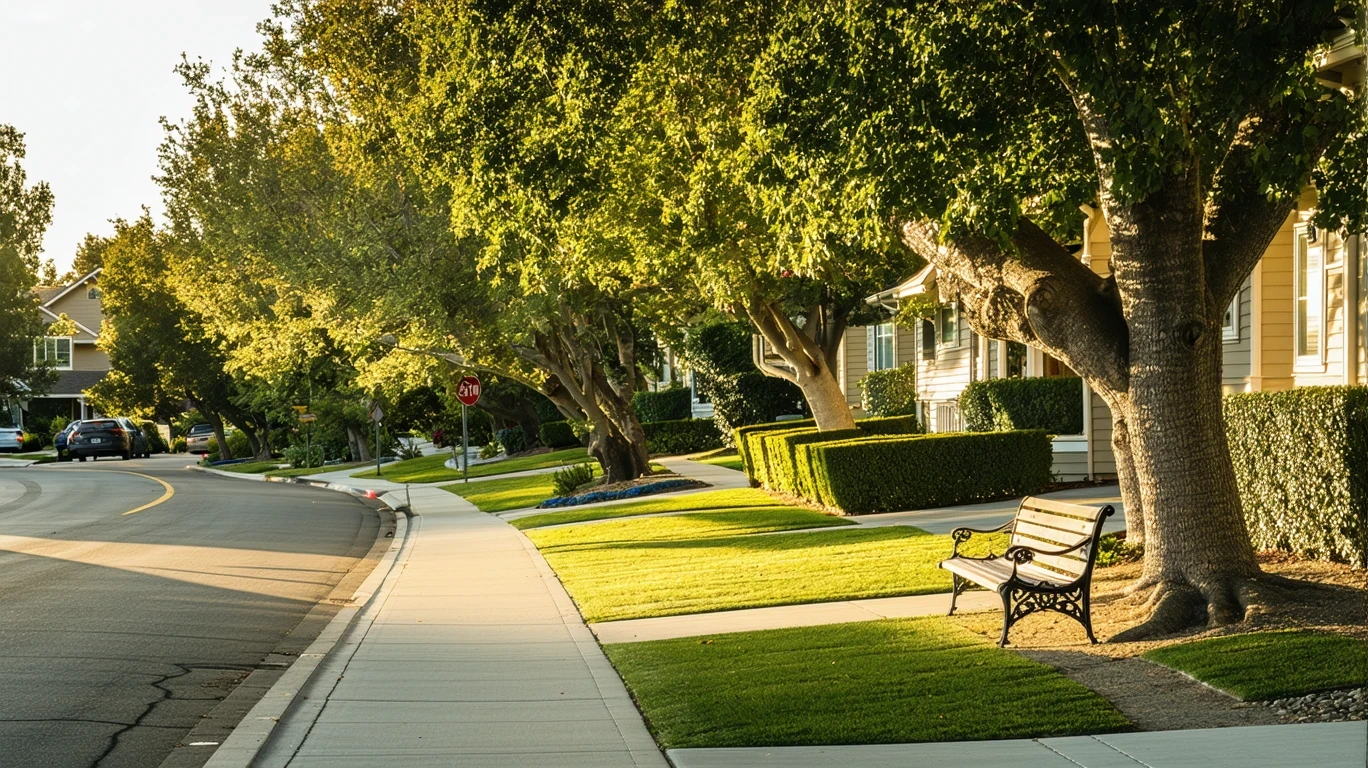
Morgan Hill and Santa Clara sit just 20 miles apart in Silicon Valley, yet the cost structure of daily life in each city diverges in ways that matter deeply for household budgets in 2026. Both cities attract tech workers, families, and professionals navigating California’s high-cost housing market, but the tradeoffs between them aren’t simply about higher or lower prices—they’re about where cost pressure concentrates, how predictable expenses feel month to month, and which households gain flexibility versus those who face compounding obligations. Morgan Hill offers more space, integrated parks, and walkable errands in pockets, while Santa Clara delivers proximity to job centers and shorter average commutes. The better choice depends less on total affordability and more on which cost drivers dominate your household’s priorities and which forms of friction—financial or logistical—you’re equipped to manage.
This comparison explains how housing entry barriers, transportation patterns, utility exposure, and daily errands behave differently in Morgan Hill versus Santa Clara. It’s designed for households deciding between suburban space with some walkability and urban-adjacent density with tighter commute access. Neither city is universally cheaper; each imposes distinct cost pressures that align with different income structures, work arrangements, and lifestyle needs.
Housing Costs
Housing dominates the cost experience in both cities, but the entry barrier and ongoing obligation differ sharply. Morgan Hill’s median home value sits at $1,066,800, while Santa Clara’s reaches $1,440,200—a gap that translates to a significantly higher down payment requirement and larger monthly mortgage obligation in Santa Clara. For buyers, this difference isn’t just about the purchase price; it affects property tax exposure, insurance premiums, and the baseline equity needed to enter the market. Families prioritizing space, yards, and access to parks may find Morgan Hill’s housing stock more aligned with their needs, even as both cities remain expensive by national standards.
Renters face a similar structural gap. Morgan Hill’s median gross rent stands at $2,249 per month, compared to Santa Clara’s $2,841. That $592 monthly difference compounds over a year, but the decision isn’t purely mathematical—it’s about what that rent buys. In Morgan Hill, renters may access larger units, more green space, and neighborhoods with strong family infrastructure (high playground and school density). In Santa Clara, renters trade higher monthly obligations for proximity to job centers, shorter commutes, and denser access to services. For dual-income tech workers prioritizing commute time over square footage, Santa Clara’s rent premium may feel justified. For families managing childcare logistics and seeking outdoor access, Morgan Hill’s lower rent and integrated parks offer more breathing room.
Housing type also shapes cost predictability. Single-family homes in Morgan Hill may come with HOA fees, landscaping costs, and maintenance obligations that renters avoid but owners must budget for. In Santa Clara, the prevalence of condos and townhomes introduces HOA fees that can bundle services like water, trash, and exterior upkeep—sometimes simplifying budgets, sometimes adding friction. First-time buyers in either city face steep entry costs, but those planning to stay long-term may find Morgan Hill’s lower baseline more sustainable, while those prioritizing career mobility and short commutes may accept Santa Clara’s higher housing costs as the price of proximity.
Housing takeaway: Families and households prioritizing space, parks, and lower entry barriers tend to find Morgan Hill’s housing structure more manageable, while tech workers with short commutes and tolerance for higher monthly obligations may prefer Santa Clara’s proximity. The difference isn’t about one city being cheaper—it’s about whether housing pressure shows up as a front-loaded entry barrier or an ongoing monthly squeeze, and which household type can absorb each form of cost.
Utilities and Energy Costs
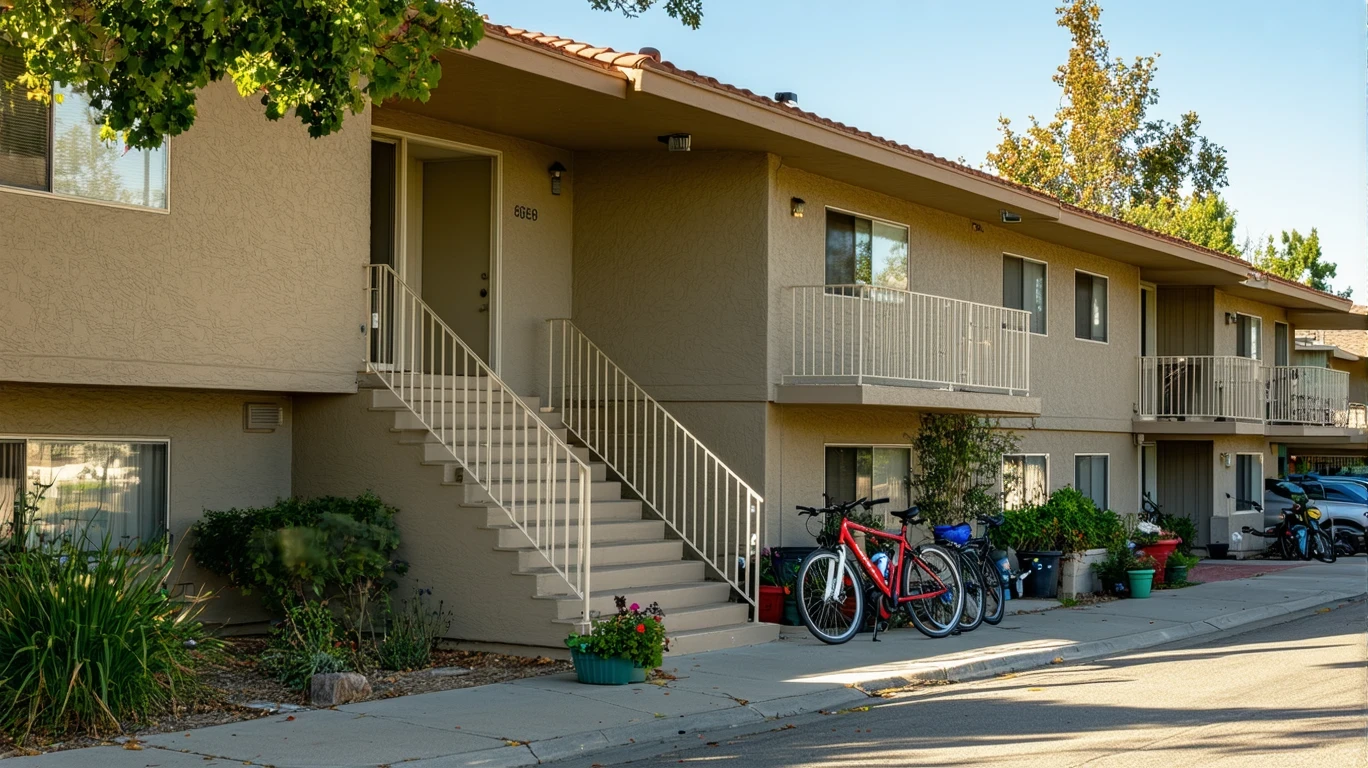
Utility costs in Morgan Hill and Santa Clara reflect similar regional pricing but diverge in how housing stock, climate exposure, and household size amplify baseline rates. Morgan Hill’s electricity rate sits at 34.71¢/kWh, slightly higher than Santa Clara’s 33.60¢/kWh—a modest difference that becomes more pronounced in larger homes with extended cooling seasons. Natural gas pricing follows a similar pattern: Morgan Hill’s rate of $23.78/MCF exceeds Santa Clara’s $21.94/MCF. For households in older, larger single-family homes, these rate differences compound with higher baseline usage, making utility bills more volatile in Morgan Hill during summer heat and winter heating months.
Climate and housing form shape utility exposure more than rates alone. Both cities experience warm, dry summers and mild winters, but Morgan Hill’s more suburban housing stock—larger homes, more single-family construction—tends to increase cooling and heating loads compared to Santa Clara’s denser mix of apartments and townhomes. Families in Morgan Hill managing 2,000+ square-foot homes may see utility bills spike during triple-digit summer heat, while Santa Clara renters in smaller units benefit from shared-wall insulation and lower square footage. Newer construction in both cities offers better insulation and energy efficiency, but older homes—more common in Morgan Hill’s established neighborhoods—introduce higher baseline usage and less predictable bills.
Household size and home age interact with utility costs in ways that affect budget predictability. Single adults and couples in Santa Clara’s apartments may experience stable, lower utility bills year-round, while families in Morgan Hill’s larger homes face more seasonal volatility. Time-of-use billing structures, common in California, reward households that can shift usage to off-peak hours—easier for remote workers and retirees, harder for families managing rigid schedules. Solar adoption, increasingly common in both cities, can offset electricity costs but requires upfront investment and long-term residency to break even.
Utility takeaway: Households in smaller, newer units in Santa Clara tend to experience more predictable utility costs, while families in larger, older homes in Morgan Hill face higher seasonal volatility. The difference isn’t about one city being cheaper—it’s about whether utility exposure is driven by square footage, housing age, or household size, and whether your schedule allows flexibility to manage time-of-use pricing.
Groceries and Daily Expenses
Grocery and daily spending pressure in Morgan Hill and Santa Clara reflects similar regional pricing but diverges in how access, convenience, and household habits shape where money goes. Both cities benefit from high food and grocery establishment density, but Morgan Hill’s broadly accessible errands infrastructure—supported by high food density and integrated parks—allows households to combine shopping trips with outdoor errands, reducing convenience spending creep. Santa Clara’s denser commercial corridors offer similar access but may encourage more frequent, smaller trips that add up through takeout, coffee runs, and impulse purchases.
Price sensitivity varies more by shopping strategy than by city. Big-box retailers, discount grocers, and warehouse clubs operate in both cities, giving households flexibility to manage costs through bulk buying and meal planning. Families managing larger grocery volumes may find Morgan Hill’s layout—where errands are broadly accessible but less concentrated—easier to navigate with a car, while singles and couples in Santa Clara may prefer walkable access to neighborhood stores, even if per-item prices run slightly higher. Prepared food and dining out introduce another layer of cost: Santa Clara’s proximity to tech campuses and denser restaurant corridors may normalize higher spending on convenience meals, while Morgan Hill’s more suburban rhythm encourages home cooking.
Household size and income sensitivity determine how grocery pressure feels. Families with kids managing weekly shopping trips benefit from Morgan Hill’s integrated parks and strong family infrastructure, which allow errands to double as outdoor time. Singles and dual-income couples in Santa Clara may tolerate higher per-meal costs in exchange for time savings and walkable access. Discount grocery options exist in both cities, but households willing to plan routes and buy in bulk can control costs regardless of location—the difference is whether your schedule and housing setup (storage space, kitchen size) support that strategy.
Grocery takeaway: Families managing larger volumes and prioritizing meal planning may find Morgan Hill’s layout and family infrastructure more supportive, while singles and couples valuing walkable convenience may prefer Santa Clara’s denser access. The difference isn’t about one city being cheaper—it’s about whether grocery costs are driven by prices, access friction, or convenience habits, and which household type can absorb each form of pressure.
Taxes and Fees
Property taxes, sales taxes, and local fees affect Morgan Hill and Santa Clara households differently depending on housing type, ownership status, and length of residency. Both cities sit in Santa Clara County, which means sales tax rates and county-level fees align closely, but property tax exposure diverges based on assessed home values. Morgan Hill’s lower median home value of $1,066,800 results in lower annual property tax bills compared to Santa Clara’s $1,440,200 median, even though the effective tax rate remains similar. For homeowners planning to stay long-term, this difference compounds year after year, making Morgan Hill’s baseline tax obligation more manageable for families prioritizing stability over proximity.
Renters don’t pay property taxes directly, but landlords pass those costs through in rent. Santa Clara’s higher property values likely contribute to its higher median rent of $2,841 per month compared to Morgan Hill’s $2,249, though other factors—demand, proximity to job centers, unit size—also play a role. Local fees such as trash collection, water, and sewer charges vary by provider and housing type. Single-family homeowners in Morgan Hill may pay separately for these services, while Santa Clara condo and townhome residents often see fees bundled into HOA dues, simplifying budgets but reducing transparency.
HOA fees introduce another layer of cost structure. In Morgan Hill, HOA fees may cover landscaping, shared amenities, and neighborhood maintenance, but single-family homeowners often manage these costs independently. In Santa Clara, denser housing stock means more HOA-governed properties, with fees that can range widely depending on amenities and building age. Households planning to stay several years should factor in how HOA fees, property taxes, and local service charges interact with housing type—predictable bundled fees may suit some budgets, while others prefer paying only for services used.
Taxes and fees takeaway: Homeowners in Morgan Hill face lower property tax exposure due to lower assessed values, while Santa Clara homeowners and renters absorb higher taxes and fees in exchange for proximity. The difference isn’t about one city being cheaper—it’s about whether tax and fee pressure is predictable and bundled or variable and itemized, and which structure aligns with your household’s planning horizon.
Transportation & Commute Reality
Transportation costs in Morgan Hill and Santa Clara diverge sharply based on commute patterns, car dependence, and transit viability. Santa Clara’s average commute time of 23 minutes reflects proximity to major Silicon Valley job centers, while Morgan Hill lacks comparable commute data but sits farther south, implying longer drives for workers commuting north to San Jose, Sunnyvale, or Mountain View. Gas prices compound this difference: Morgan Hill’s $5.34/gal rate exceeds Santa Clara’s $4.22/gal, adding friction for households making frequent long-distance trips. For dual-income tech workers with jobs in Santa Clara or nearby, the shorter commute and lower gas costs may offset higher housing expenses, while remote workers or those with flexible schedules may find Morgan Hill’s lower housing costs worth the added transportation exposure.
Transit and walkability shape how households experience transportation pressure. Morgan Hill benefits from rail service and notable bike infrastructure (high bike-to-road ratio), offering alternatives to driving for some errands and regional trips. However, the city’s walkable pockets suggest that car-free living remains difficult for most households. Santa Clara’s 30.8% long-commute percentage and low 4.7% work-from-home rate indicate that many residents still rely on cars despite shorter average commute times, though denser job proximity reduces daily mileage. Households in Morgan Hill managing errands, school drop-offs, and weekend activities may find the city’s broadly accessible food and grocery density reduces trip frequency, but a car remains essential.
Time versus money tradeoffs define the transportation decision. Families in Morgan Hill may spend more on gas and vehicle maintenance but gain time flexibility through less congested routes and integrated parks that combine errands with outdoor access. Singles and couples in Santa Clara may drive less frequently but face higher parking costs, denser traffic, and less flexibility to avoid peak hours. Remote workers and retirees prioritizing lower housing costs over commute proximity may find Morgan Hill’s structure more sustainable, while in-office workers with rigid schedules may value Santa Clara’s shorter commute times despite higher overall housing and living costs.
Cost Structure Comparison
Housing pressure dominates the cost experience in both Morgan Hill and Santa Clara, but the form of that pressure differs. Morgan Hill’s lower median home value and rent create a more manageable entry barrier for families and first-time buyers, while Santa Clara’s higher housing costs reflect proximity to job centers and shorter commutes. Renters in Morgan Hill gain space and access to parks at lower monthly cost, while Santa Clara renters trade higher rent for reduced transportation exposure and denser job access. The difference isn’t about one city being cheaper—it’s about whether housing pressure shows up as a front-loaded entry barrier or an ongoing monthly squeeze tied to proximity.
Utilities introduce more volatility in Morgan Hill due to larger housing stock and slightly higher electricity and natural gas rates. Families in single-family homes face seasonal spikes during cooling and heating months, while Santa Clara households in smaller, newer units experience more predictable bills. The difference matters most for households managing tight monthly budgets where utility volatility can disrupt cash flow, versus those with income buffers who can absorb seasonal variation.
Transportation patterns matter more in Santa Clara, where shorter commutes and lower gas prices reduce daily driving costs, while Morgan Hill’s longer implied commutes and higher gas prices increase exposure for workers traveling north. However, Morgan Hill’s rail service and bike infrastructure offer partial alternatives, and households with remote work or flexible schedules may avoid peak transportation costs entirely. For dual-income tech workers with in-office requirements, Santa Clara’s commute advantage may outweigh housing cost differences, while families prioritizing space and outdoor access may find Morgan Hill’s lower housing costs worth the added transportation friction.
Grocery and daily expenses behave similarly in both cities, with high food and grocery density supporting flexible shopping strategies. Morgan Hill’s broadly accessible errands infrastructure and integrated parks allow families to combine trips and reduce convenience spending, while Santa Clara’s denser commercial corridors may encourage more frequent, smaller purchases. Households sensitive to convenience spending creep may prefer Morgan Hill’s layout, while those valuing walkable access and time savings may accept Santa Clara’s structure.
The decision between Morgan Hill and Santa Clara depends on which costs dominate your household. Families prioritizing space, parks, and lower entry barriers tend to find Morgan Hill more sustainable, while tech workers with short commutes and tolerance for higher monthly obligations may prefer Santa Clara’s proximity. For households sensitive to transportation costs, Morgan Hill’s higher gas prices and longer commutes introduce friction, while those with flexible work arrangements may find the tradeoff manageable. Neither city is universally cheaper—the better choice depends on whether your household is more exposed to housing entry barriers, ongoing monthly obligations, transportation volatility, or time-versus-money tradeoffs.
How the Same Income Feels in Morgan Hill vs Santa Clara
Single Adult
For a single adult, housing becomes the first non-negotiable cost, and the $592 monthly rent difference between Morgan Hill and Santa Clara shapes how much flexibility remains for other expenses. In Morgan Hill, lower rent may allow more discretionary spending or savings, but higher gas prices and longer commutes introduce friction for workers traveling north. Santa Clara’s higher rent absorbs more of the budget upfront, but shorter commutes and lower transportation costs free up time and reduce vehicle wear. Flexibility exists in grocery strategy and convenience spending, but Morgan Hill’s layout rewards planning and bulk buying, while Santa Clara’s walkable density may encourage more frequent, smaller purchases that add up.
Dual-Income Couple
For dual-income couples, housing and transportation costs interact more tightly. In Morgan Hill, lower rent or mortgage payments create breathing room, but if both partners commute north, the combined transportation exposure—higher gas prices, longer drives—can erode that advantage. Santa Clara’s higher housing costs feel more stable when both partners work nearby, as shorter commutes reduce time cost and vehicle expenses. Flexibility exists in dining out and convenience spending, but couples in Santa Clara may normalize higher spending on takeout and services due to denser access, while those in Morgan Hill may find it easier to cook at home and manage errands in fewer trips. The role of commute friction versus housing cost becomes the primary tradeoff.
Family with Kids
For families, housing space and family infrastructure become non-negotiable first, and Morgan Hill’s lower entry barrier, integrated parks, and strong playground and school density offer more room to manage logistics. Higher utility costs in larger homes and transportation exposure for dual-commuter families introduce volatility, but the ability to combine errands with outdoor time reduces friction. In Santa Clara, higher housing costs squeeze budgets upfront, but shorter commutes and denser job proximity free up time for childcare and school logistics. Flexibility disappears faster in Santa Clara as housing, childcare, and convenience spending compound, while Morgan Hill’s structure allows families to trade time for lower monthly obligations and more predictable routines tied to space and outdoor access.
Decision Matrix: Which City Fits Which Household?
| Decision factor | If you’re sensitive to this… | Morgan Hill tends to fit when… | Santa Clara tends to fit when… |
|---|---|---|---|
| Housing entry + space needs | Down payment size, monthly obligation, yard access | You prioritize lower entry barriers and more square footage for families | You tolerate higher costs for proximity to job centers and shorter commutes |
| Transportation dependence + commute friction | Daily mileage, gas costs, time lost to driving | You work remotely or have flexible schedules that avoid peak commute exposure | You commute daily to nearby tech campuses and value time savings over gas costs |
| Utility variability + home size exposure | Seasonal bill spikes, square footage, older construction | You can absorb seasonal volatility in exchange for more space and outdoor access | You prefer smaller units with predictable bills and shared-wall insulation |
| Grocery strategy + convenience spending creep | Meal planning, bulk buying, takeout frequency | You plan trips, cook at home, and combine errands with outdoor time | You value walkable access and accept higher per-meal costs for time savings |
| Fees + friction costs (HOA, services, upkeep) | Predictability, bundled vs itemized costs, long-term residency | You prefer managing services independently and lower baseline property taxes | You accept bundled HOA fees and higher taxes in exchange for simplified budgets |
| Time budget (schedule flexibility, errands, logistics) | Childcare, school drop-offs, weekend errands | You manage family logistics and value integrated parks and strong school density | You prioritize short commutes and denser job access over space and outdoor time |
Lifestyle Fit
Morgan Hill and Santa Clara offer distinct lifestyle textures shaped by housing form, mobility infrastructure, and proximity to job centers. Morgan Hill’s walkable pockets, notable bike infrastructure, and integrated parks create a suburban environment where families can combine errands with outdoor time, supported by high playground and school density. The city’s rail service offers regional connectivity, but daily life still centers on car-based logistics for most households. Santa Clara’s shorter average commute of 23 minutes and denser job proximity appeal to tech workers prioritizing time over space, though the city’s 30.8% long-commute percentage suggests many residents still drive significant distances. Both cities benefit from broadly accessible food and grocery options, but Morgan Hill’s layout rewards planning and fewer trips, while Santa Clara’s denser commercial corridors encourage more frequent, walkable errands.
Recreation and outdoor access diverge sharply. Morgan Hill’s integrated parks and water features provide families with routine access to green space, supporting weekend activities and reducing the need for costly entertainment alternatives. Santa Clara’s denser urban form offers less park density but compensates with proximity to regional attractions, cultural venues, and dining options. Families managing childcare and school logistics may find Morgan Hill’s strong family infrastructure and outdoor access more aligned with daily routines, while singles and couples may prefer Santa Clara’s walkable density and shorter commutes. Climate in both cities supports year-round outdoor activity, though Morgan Hill’s more suburban layout offers more private outdoor space, while Santa Clara’s density favors shared parks and public amenities.
Lifestyle factors indirectly affect costs in both cities. Morgan Hill’s walkable pockets and bike infrastructure reduce some transportation exposure, though car dependence remains high for most households. Santa Clara’s shorter commutes and lower gas prices reduce daily driving costs, but denser living may normalize higher spending on dining out and convenience services. Newer housing stock in both cities lowers utility bills through better insulation, but Morgan Hill’s larger homes and older construction in some neighborhoods introduce higher baseline usage. The lifestyle fit depends less on amenities and more on whether your household prioritizes space, outdoor access, and lower entry costs or proximity, time savings, and denser job access.
Morgan Hill median household income: $152,199 per year (gross)
Santa Clara median household income: $165,352 per year (gross)
Frequently Asked Questions
Is Morgan Hill or Santa Clara cheaper for renters in 2026?
Morgan Hill’s median gross rent of $2,249 per month sits $592 below Santa Clara’s $2,841, creating a lower monthly obligation that compounds over a year. However, the decision isn’t purely about rent—it’s about what that rent buys. Morgan Hill offers more space, integrated parks, and strong family infrastructure, while Santa Clara delivers proximity to job centers and shorter commutes. Renters in Morgan Hill may save on housing but face higher gas prices and longer commutes, while Santa Clara renters trade higher rent for reduced transportation exposure and denser job access. The better choice depends on whether your household prioritizes lower monthly housing costs or proximity to work and services.
How do commute costs differ between Morgan Hill and Santa Clara in 2026?
Santa Clara’s average commute time of 23 minutes and gas price of $4.22/gal create lower daily transportation costs for workers with nearby jobs, while Morgan Hill’s higher gas price of $5.34/gal and longer implied commutes increase exposure for those traveling north. However, Morgan Hill’s rail service and notable bike infrastructure offer partial alternatives, and households with remote work or flexible schedules may avoid peak transportation costs entirely. The difference matters most for dual-income tech workers with in-office requirements, where Santa Clara’s commute advantage may outweigh housing cost differences, versus families with flexible work arrangements who can absorb Morgan Hill’s higher gas prices in exchange for lower housing costs.
Which city is better for families managing childcare and school logistics in 2026?
Morgan Hill’s strong family infrastructure—high playground and school density—and integrated parks allow families to combine errands with outdoor time, reducing friction in daily routines. Lower housing entry barriers and more space support families prioritizing yards and room to grow, though higher utility costs in larger homes and transportation exposure for dual-commuter families introduce volatility. Santa Clara’s higher housing costs and denser urban form squeeze budgets upfront, but shorter commutes free up time for childcare and school logistics. The better choice depends on whether your family prioritizes space, outdoor access, and lower entry costs or proximity to job centers and time savings, and whether your household can absorb higher monthly housing obligations in exchange for reduced commute friction.
Do utility costs vary significantly between Morgan Hill and Santa Clara in 2026?
Morgan Hill’s electricity rate of 34.71¢/kWh and natural gas price of $23.78/MCF sit slightly higher than Santa Clara’s 33.60¢/kWh and $21.94/MCF, but the difference becomes more pronounced in larger homes with extended cooling and heating seasons. Families in Morgan Hill managing 2,000+ square-foot single-family homes may see utility bills spike during summer heat and winter heating months, while Santa Clara renters in smaller, newer units benefit from shared-wall insulation and lower square footage. The difference isn’t about one city being cheaper—it’s about whether utility exposure is driven by square footage, housing age, or household size, and whether your schedule allows flexibility to manage time-of-use pricing.
How does grocery shopping and daily spending compare between Morgan Hill and Santa Clara in 2026?
Both cities benefit from high food and grocery establishment density, giving households flexible shopping strategies. Morgan Hill’s broadly accessible errands infrastructure and integrated parks allow families to combine shopping trips with outdoor errands, reducing convenience spending creep, while Santa Clara’s denser commercial corridors may encourage more frequent, smaller trips that add up through takeout and impulse purchases. Price sensitivity varies more by shopping strategy than by city—big-box retailers and discount grocers operate in both locations, allowing households to control costs through bulk buying and meal planning. The difference is whether your household’s schedule, housing setup, and habits support planning and fewer trips or favor walkable access and convenience, even if per-item costs run slightly higher.
Conclusion
Morgan Hill and Santa Clara present distinct cost structures that align with different household priorities in 2026. Morgan Hill’s lower housing entry barriers, integrated parks, and strong family infrastructure support families prioritizing space and outdoor access, while higher gas prices and longer commutes introduce friction for workers traveling north. Santa Clara’s higher housing costs reflect proximity to job centers and shorter commutes, reducing transportation exposure for dual-income tech workers but squeezing budgets upfront for renters and buyers. Neither city is universally cheaper—the decision depends on which costs dominate your household and which forms of friction you’re equipped to manage.
Families managing childcare logistics and seeking outdoor access may find Morgan Hill’s lower entry costs and broadly accessible errands infrastructure more sustainable, while singles and dual-income couples with in-office requirements may prefer Santa Clara’s proximity and time savings despite higher monthly obligations. Households with flexible work arrangements or remote jobs can absorb Morgan Hill’s higher gas prices in exchange for lower housing costs, while those with rigid commute schedules may find Santa Clara’s shorter commutes worth the added housing expense. The better choice emerges not from comparing totals but from understanding where cost pressure concentrates, how predictable expenses feel month to month, and which household type can absorb each city’s distinct tradeoffs.
How this article was built: In addition to public economic data, this article incorporates location-based experiential signals derived from anonymized geographic patterns—such as access density, walkability, and land-use mix—to reflect how day-to-day living actually feels in Morgan Hill, CA.