
Before signing a lease or closing on a home in Morgan Hill, most newcomers focus on rent or mortgage—but overlook three critical details: whether trash is bundled with water, how tiered pricing works for summer irrigation, and what electricity actually costs per kilowatt-hour in Santa Clara County. Those gaps turn into surprises when the first bills arrive.
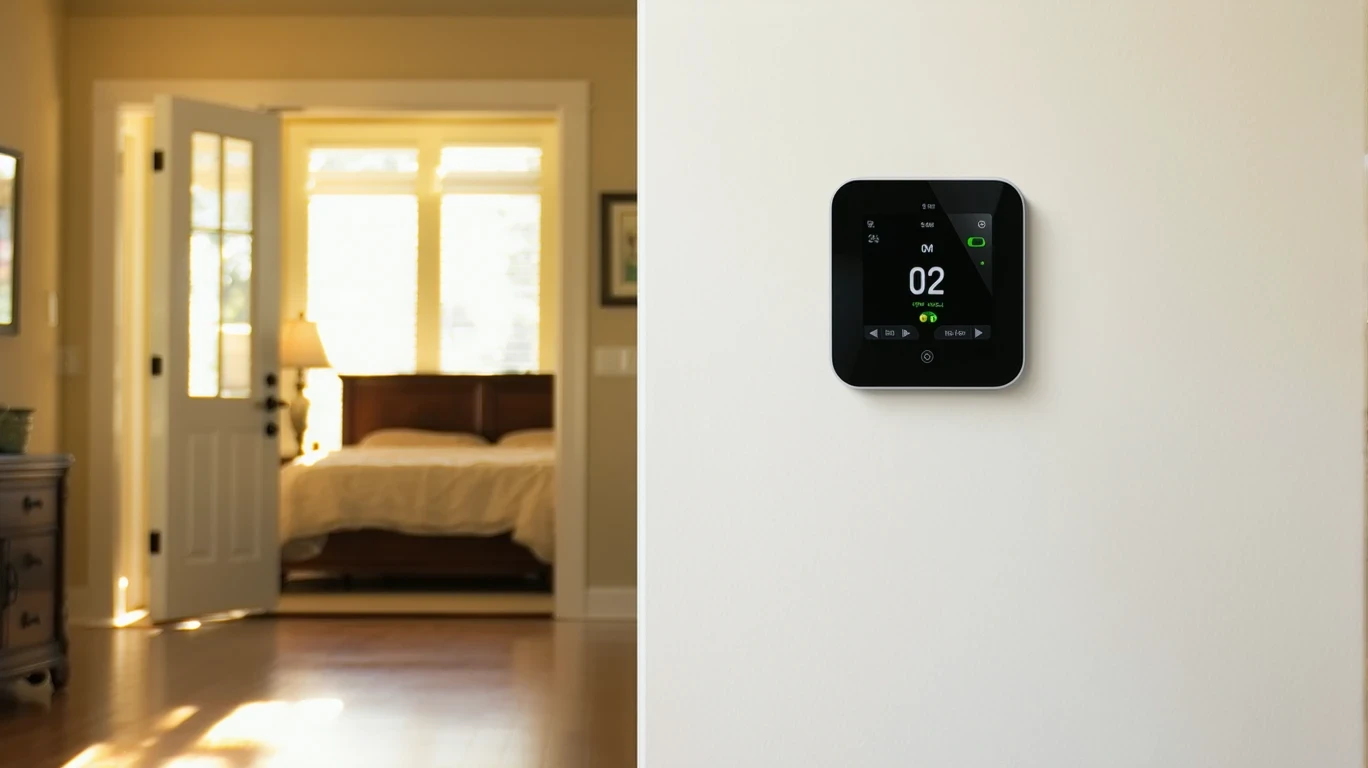
Understanding Utilities in Morgan Hill
Utilities cost in Morgan Hill reflects both the city’s position in Silicon Valley and California’s broader energy and water pricing structure. For most households, utilities represent the second-largest fixed expense after housing, typically consuming between 5% and 10% of monthly income depending on home size, efficiency, and seasonal usage patterns.
The core utility categories include electricity, water, natural gas, trash, and recycling. In Morgan Hill, electricity and natural gas are the most variable, driven by seasonal cooling and heating needs. Water costs are shaped by California’s tiered conservation pricing, which penalizes higher usage. Trash and recycling are often bundled with water service or included in HOA fees, depending on neighborhood and housing type.
For renters, especially those moving from apartments to single-family homes, the shift in utility responsibility can be significant. Apartments often include water, trash, and sometimes gas in the rent, leaving tenants responsible only for electricity. Single-family homes typically require tenants or owners to manage all utilities separately, adding both cost and administrative complexity. Understanding how these categories behave in Morgan Hill helps newcomers budget accurately and avoid seasonal bill shock.
Utilities at a Glance in Morgan Hill
The table below shows how core utility costs typically behave for a mid-size household in a single-family home in Morgan Hill. Where city-level prices are available in the data feed, they are shown directly. When exact figures are not provided, categories are described qualitatively to reflect how costs are structured and what drives variability.
| Utility | Cost Structure |
|---|---|
| Electricity | 34.71¢/kWh; usage-sensitive and tier-based |
| Water | Tiered pricing; usage-dependent with conservation mandates |
| Natural Gas | $23.78/MCF; winter-driven, heating-dependent |
| Trash & Recycling | Often bundled with water or included in HOA fees |
| Total | Seasonal variability driven by electricity and heating exposure |
This table reflects utility cost structure for a mid-size household in a single-family home in Morgan Hill during 2026. Where exact figures are not provided in the IndexYard data feed, categories are described directionally to reflect how costs behave rather than a receipt-accurate total.
Electricity is billed per kilowatt-hour and follows a tiered rate structure common across California. In Morgan Hill, the rate of 34.71¢/kWh applies after baseline allowances are exceeded. Usage spikes during warm months when air conditioning runs, and again during winter evenings when heating systems and lighting demands overlap. Homes with older HVAC systems or poor insulation face steeper seasonal swings.
Water costs in Morgan Hill are governed by tiered conservation pricing, meaning the more you use, the higher the per-unit rate climbs. Outdoor irrigation during dry summer months pushes many households into higher tiers. Even modest landscaping—lawns, vegetable gardens, or ornamental plants—can double water bills between April and October compared to winter baseline usage.
Natural gas is primarily a heating expense in Morgan Hill. The mild Mediterranean climate means most homes use gas intermittently during cooler months rather than continuously. Homes with gas water heaters, dryers, or stoves will see year-round baseline usage, but the largest bills arrive between December and February when overnight temperatures dip and heating systems cycle more frequently.
Trash and recycling services in Morgan Hill are typically bundled with water bills or covered through HOA fees in planned communities. Standalone single-family homes outside HOA governance usually receive a combined water-trash bill from the local service provider. Costs are relatively stable month-to-month, though some providers charge extra for bulky item pickup or additional bins.
Electricity is typically the most exposure-sensitive utility in Morgan Hill, driven more by climate and home efficiency than by base rates.
How Weather Impacts Utilities in Morgan Hill
Morgan Hill’s mild Mediterranean climate produces moderate utility exposure compared to regions with harsh winters or extreme summer heat. Current temperatures in the low 60s reflect the city’s temperate baseline, but seasonal shifts still drive meaningful cost variation. Warm, dry summers push cooling costs upward, while cool winter nights increase heating demand, though neither extreme dominates year-round budgets the way they do in desert or northern climates.
During summer months, daytime temperatures regularly reach the 80s and 90s, prompting households to run air conditioning from late morning through evening. Homes with south- or west-facing exposure, minimal shade, or older single-pane windows experience the highest cooling loads. Even in Morgan Hill’s relatively mild climate, a poorly insulated home can see electricity usage double between May and September compared to spring baseline levels.
Winter heating costs are shaped more by nighttime lows than daytime averages. While Morgan Hill rarely experiences freezing temperatures, overnight dips into the 40s and 50s trigger heating systems in homes without passive solar design or modern insulation. Natural gas usage climbs modestly during these months, but the seasonal swing is far less pronounced than in colder regions. Many Morgan Hill households experience noticeably higher electric bills during peak summer compared to spring, with natural gas playing a secondary but consistent role in winter months.
How to Save on Utilities in Morgan Hill
Reducing utility costs in Morgan Hill starts with understanding which expenses are usage-sensitive and which are fixed. Electricity and water respond directly to household behavior, while trash and recycling remain relatively stable. Focusing on the highest-variability categories—cooling, irrigation, and heating—yields the most meaningful reductions without requiring major lifestyle changes.
Timing and efficiency upgrades offer the most reliable savings levers. Many utility providers in California offer time-of-use billing programs that reward shifting usage to off-peak hours, such as running dishwashers or laundry after 9 p.m. Smart thermostats allow households to pre-cool homes during cheaper midday rates and coast through expensive evening hours. For water, replacing turf with drought-tolerant landscaping or installing drip irrigation systems reduces both usage and tier exposure during summer months.
- Enroll in time-of-use or budget billing programs to smooth seasonal swings and reduce peak-hour costs
- Install a programmable or smart thermostat to optimize heating and cooling cycles without manual adjustments
- Replace high-water-use landscaping with native or drought-tolerant plants to avoid tiered pricing penalties
- Seal windows, doors, and attic spaces to reduce heating and cooling loss, especially in older homes
- Upgrade to ENERGY STAR appliances when replacing washers, dryers, or water heaters to lower long-term usage
- Check for utility rebates on energy-efficient HVAC systems, water heaters, or insulation upgrades through local providers
- Plant shade trees on south- and west-facing sides of the home to reduce summer cooling loads naturally
🏆 Tip: Check if your provider in Morgan Hill offers rebates for energy-efficient AC units or heating systems. Many California utilities provide incentives that cover a portion of upgrade costs, and some offer free home energy audits to identify the highest-impact improvements.
FAQs About Utility Costs in Morgan Hill
Why do utility bills in Morgan Hill vary so much between summer and winter? Seasonal variation is driven primarily by cooling costs in summer and heating costs in winter, though Morgan Hill’s mild climate produces smaller swings than hotter or colder regions. Electricity usage spikes when air conditioning runs during warm months, while natural gas usage increases modestly during cooler months for heating.
Do HOAs in Morgan Hill usually include trash or water in their fees? Many planned communities and townhome developments in Morgan Hill bundle trash, water, and sometimes sewer into HOA fees, which simplifies billing but reduces direct control over usage-based costs. Single-family homes outside HOA governance typically receive separate bills for water and trash, often combined into one statement from the local service provider.
How much should a family of four budget for utilities in Morgan Hill each month? For illustrative context, a mid-size household using approximately 1,000 kWh of electricity per month at 34.71¢/kWh would face around $347 in electric costs before fees and taxes, with additional expenses for water, gas, and trash depending on usage and season. Actual bills vary significantly based on home size, efficiency, irrigation needs, and heating or cooling habits.
Does Morgan Hill offer incentives for solar panels or energy-efficient appliances? California provides state-level incentives for solar installations, and many local utility providers offer rebates for energy-efficient appliances, HVAC upgrades, and insulation improvements. Eligibility and rebate amounts vary by provider and program year, so checking directly with your utility company or visiting state energy program websites provides the most current information.
Are utilities in Morgan Hill generally cheaper or more expensive than the state average? Morgan Hill’s electricity rate of 34.71¢/kWh reflects California’s higher-than-national energy costs, driven by renewable energy mandates, grid infrastructure investments, and regional pricing structures. Water costs are similarly shaped by statewide conservation policies and tiered pricing, making California utilities more expensive than many other states but consistent with Silicon Valley and Bay Area norms.
How Utilities Fit Into the Cost Structure in Morgan Hill
Utilities in Morgan Hill function as a secondary but persistent cost driver, sitting below housing but above most discretionary spending categories. Unlike rent or mortgage payments, which remain fixed month-to-month, utilities introduce seasonal volatility that requires active management. Electricity and water are the most sensitive to household behavior, while natural gas and trash costs remain relatively predictable. For newcomers evaluating Morgan Hill Affordability: What’s Easy, What’s Expensive, understanding utility exposure helps clarify how much flexibility remains after housing costs are covered.
Households with high incomes relative to housing costs can absorb seasonal utility swings without adjusting behavior, but for families stretching to afford Morgan Hill’s elevated home prices or rents, summer cooling bills and winter heating costs can compress discretionary budgets. The difference between a well-insulated, energy-efficient home and an older, poorly sealed property can amount to hundreds of dollars annually, making housing quality a utility cost factor as much as a comfort issue.
For a complete picture of how utilities interact with other fixed and variable expenses—including groceries, transportation, and childcare—explore What a Budget Has to Handle in Morgan Hill. That resource breaks down how different household types allocate income across categories and where trade-offs typically emerge. Utilities alone don’t determine affordability, but they shape how much room remains for savings, discretionary spending, or unexpected expenses throughout the year.
How this article was built: In addition to public economic data, this article incorporates location-based experiential signals derived from anonymized geographic patterns—such as access density, walkability, and land-use mix—to reflect how day-to-day living actually feels in Morgan Hill, CA.