
Morgan Hill sits at the southern edge of Silicon Valley, where the Santa Clara Valley begins to open into orchard country. That geography shapes everything about housing here: you’re close enough to benefit from the region’s economic engine, but far enough south that the housing stock feels more suburban than urban. The result is a market where median home values reach $1,066,800 and median rent sits at $2,249 per month—figures that reflect tech-area premiums without the density or transit depth of San Jose proper.
What surprises newcomers isn’t just the price level—it’s the hidden ownership costs that don’t show up in listing prices. Property tax bills in Santa Clara County routinely exceed what buyers expect, even with Prop 13 protections, because the assessed values are so high to begin with. Mello-Roos districts and special assessments appear in newer developments, adding hundreds of dollars monthly. And HOA fees, while not universal, are common enough in planned communities that you can’t assume their absence. These aren’t one-time surprises—they’re permanent fixtures that reshape the true cost of ownership and make the rent-versus-buy calculation less straightforward than it appears.
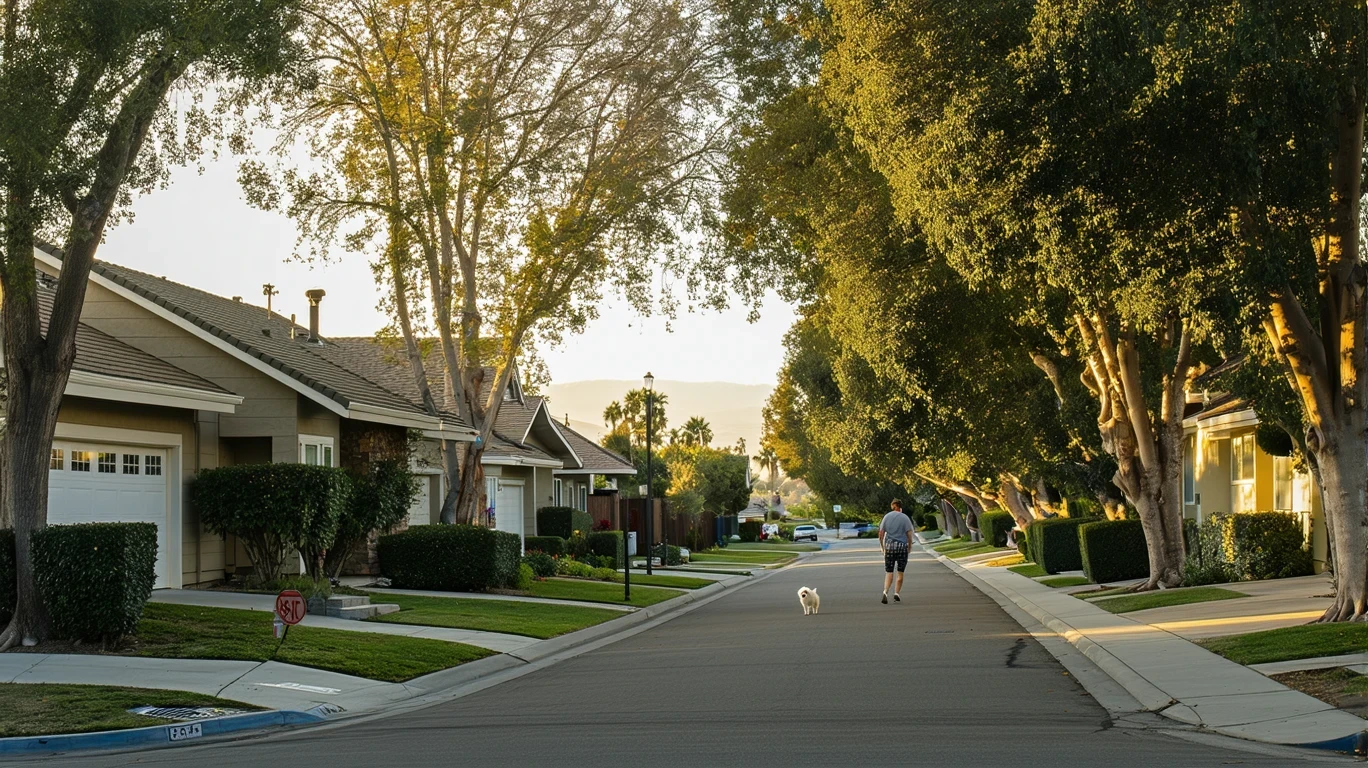
The Housing Market in Morgan Hill Today
Morgan Hill’s housing market operates under the gravitational pull of Silicon Valley employment, but its character is shaped by local development patterns and commute tolerance. The city grew rapidly in the 1990s and 2000s as tech workers sought larger lots and newer construction south of San Jose. That growth created neighborhoods with distinct cost profiles: older ranch homes near downtown, planned communities with HOAs and parks, and hillside properties with acreage and privacy.
The rail presence—Caltrain service connects Morgan Hill to the Peninsula and San Francisco—matters more than many suburban markets. It means the city attracts buyers who value transit access but still want single-family homes and yard space. That dual appeal keeps demand elevated even when interest rates rise, because the alternative—moving farther south to Gilroy or east to the Central Valley—means losing the rail connection entirely.
What differentiates Morgan Hill from other South Bay suburbs is the blend of accessibility and scale. Food and grocery density exceeds typical suburban thresholds, park access is well-distributed, and school and playground infrastructure supports family life without requiring a car for every errand. These aren’t luxuries—they’re structural features that reduce household friction and make the premium over more car-dependent suburbs feel justified to buyers who’ve experienced both.
Renting in Morgan Hill
At $2,249 per month, median rent in Morgan Hill reflects South Bay market pressure but remains below the peaks in Palo Alto, Mountain View, or even central San Jose. The rental stock skews toward single-family homes and townhomes rather than large apartment complexes, which means availability tightens quickly when tech hiring accelerates. Renters here are often in transition—new to the area, waiting for the right purchase opportunity, or prioritizing flexibility over equity.
The rental experience varies significantly by location within the city. Properties near downtown or within walking distance of Caltrain command premiums because they reduce car dependency for commuters. Rentals in planned communities may include HOA-managed amenities like pools and trails, but those costs are typically passed through to tenants indirectly. Older neighborhoods offer lower rents but may come with higher utility exposure due to less efficient construction and aging HVAC systems.
Rental volatility here follows Silicon Valley employment cycles more than local economic conditions. When tech companies expand hiring, Morgan Hill sees rent pressure from workers priced out of closer-in markets. When layoffs hit, the rental market softens faster than ownership because renters have more geographic flexibility. That cyclicality makes long-term rent planning difficult—lease renewals can bring significant increases during boom periods, while downturns create brief windows of negotiating leverage.
Owning a Home in Morgan Hill
Ownership in Morgan Hill means navigating a million-dollar entry point and the ongoing costs that come with it. At a median home value of $1,066,800, even a standard property tax rate generates annual bills well into five figures. Prop 13 limits assessment increases to 2% annually, which provides predictability for long-term owners but doesn’t reduce the initial shock of the tax burden. For buyers coming from states with lower home values or different tax structures, the first annual bill often triggers sticker shock.
HOA fees add another layer of cost complexity. They’re not universal—older neighborhoods typically lack them—but newer planned communities often carry monthly dues ranging from modest landscaping fees to several hundred dollars for amenities and common-area maintenance. These fees are not optional, and they can increase annually without the same constraints that limit property tax growth. Buyers who focus solely on mortgage affordability and skip the HOA analysis often find their monthly housing cost is several hundred dollars higher than expected.
Maintenance and upkeep costs in Morgan Hill are shaped by climate and housing age. The area experiences hot, dry summers and mild winters, which means air conditioning dominates utility bills seasonally and exterior paint, roofing, and landscaping require regular attention due to sun exposure. Homes built in the 1970s and 1980s may need HVAC replacement, window upgrades, or electrical panel updates—expenses that can reach tens of thousands and aren’t covered by HOAs even in communities that have them.
Ownership here also means exposure to California’s regulatory environment. Wildfire risk, while lower in the valley floor than in surrounding hills, still affects insurance availability and cost. Water restrictions during drought years limit landscaping choices and increase maintenance complexity. And seismic retrofitting, while not always required, becomes a consideration for older homes, particularly those on hillsides or with crawl spaces.
Apartment vs House in Morgan Hill — Cost Behavior Comparison
The cost structure of apartments versus houses in Morgan Hill differs in ways that reflect local climate, housing stock, and governance patterns. The table below includes only categories where the distinction is meaningful in this market:
| Expense Category | Apartment | House |
|---|---|---|
| Cooling Costs (Summer) | Lower per-unit exposure due to shared walls and smaller conditioned space | Higher due to larger square footage and sun exposure on all sides; central AC systems drive significant seasonal bills |
| Water & Landscaping | Typically included in rent or HOA; tenant has no direct exposure to drought surcharges or irrigation costs | Owner responsible for irrigation, drought-tolerant landscaping maintenance, and seasonal water cost spikes |
| Governance & Fees | HOA fees common in newer complexes; cover exterior maintenance, amenities, insurance; increases are frequent | HOA fees present in planned communities but absent in older neighborhoods; when present, cover common areas but not structure maintenance |
| Property Tax Exposure | Not directly paid by renter; landlord’s tax burden influences rent but is not itemized | Owner pays directly; annual bills reflect high assessed values and can exceed monthly rent equivalent in some cases |
| Exterior Maintenance | Managed by landlord or HOA; tenant has no direct cost but no control over timing or quality | Owner responsible for roof, paint, fencing, driveway; sun and heat accelerate wear and replacement cycles |
Methodology note: This comparison isolates categories where Morgan Hill’s climate (hot, dry summers), housing stock (mix of planned and older neighborhoods), and governance patterns (HOA prevalence in newer areas) create meaningful differences. Generic categories like insurance or trash service were excluded because they don’t vary significantly between housing types in this market. Utility differences reflect local rate structures and seasonal cooling demand, not national averages.
Utilities & Upkeep Differences
Utility exposure in Morgan Hill is driven primarily by summer cooling demand. At 34.71¢/kWh, electricity rates are well above national norms, and air conditioning use during extended heat stretches creates noticeable seasonal bill spikes. Apartments benefit from shared-wall insulation and smaller square footage, which reduces cooling load. Houses, particularly older single-story ranch styles with large windows and minimal insulation, can see summer electric bills that dominate monthly housing costs during peak months.
Natural gas, priced at $23.78/MCF, plays a smaller role due to mild winters. Heating demand is low compared to colder climates, and many homes use gas primarily for water heating and cooking. This creates a cost structure where electricity is the volatile component and gas remains relatively stable year-round.
Upkeep differences between apartments and houses are magnified by sun exposure and landscaping expectations. Houses require regular exterior paint refresh, roof inspections, and gutter maintenance—all accelerated by UV intensity and dry conditions. Landscaping costs vary widely depending on whether the property uses drought-tolerant native plants or maintains traditional lawns, which require irrigation and mowing. Apartments offload these responsibilities to landlords or HOAs, but tenants indirectly pay through rent or dues.
Water costs deserve specific attention. Morgan Hill, like much of California, faces periodic drought restrictions that limit outdoor watering and impose tiered pricing. Homeowners with large lots or older irrigation systems face both higher bills and the cost of retrofitting to comply with restrictions. Apartment dwellers are typically insulated from these swings, as water is either included in rent or managed collectively by the HOA.
Rent vs Buy: Long-Term Exposure in Morgan Hill
The rent-versus-buy decision in Morgan Hill isn’t primarily about monthly payment comparison—it’s about exposure to different types of cost volatility over time. Renters face lease renewal risk tied to Silicon Valley employment cycles. During hiring booms, annual rent increases can be sharp and unpredictable. During downturns, rent may stabilize or even decline, but that relief is temporary and doesn’t build equity. Renters also have no control over property improvements, HOA decisions, or landlord exit strategies, all of which can force unexpected moves.
Owners, by contrast, lock in their mortgage payment (if fixed-rate) and gain Prop 13 protection on property tax growth, which caps annual assessment increases. This creates long-term predictability on the largest components of housing cost. However, owners absorb all maintenance and repair risk, which increases as homes age. HVAC replacement, roof work, and seismic retrofitting can each cost tens of thousands, and there’s no landlord to call. HOA fees, where present, can increase annually without the same caps that limit tax growth, creating a slow upward drift in monthly obligations.
The structural difference is control versus flexibility. Ownership in Morgan Hill means committing to a high-cost market with the expectation that Prop 13 and fixed-rate financing will provide stability over decades. Renting means accepting cost uncertainty in exchange for the ability to leave when the market shifts or personal circumstances change. For households with stable dual incomes and long-term Silicon Valley employment, ownership offers a hedge against future rent inflation. For those earlier in their careers, in transition, or uncertain about staying in the region, renting avoids the risk of being locked into a million-dollar asset during a downturn.
One often-overlooked factor: transaction costs. Buying and selling in California involves significant closing costs, transfer taxes, and realtor commissions. Owners who move within five years often find that appreciation hasn’t offset these expenses, making ownership a net loss compared to renting. This isn’t a moral judgment—it’s a math reality that favors renting for anyone whose timeline is uncertain.
FAQs About Housing Costs in Morgan Hill
Why are home prices in Morgan Hill so high compared to nearby cities?
Morgan Hill combines Silicon Valley proximity with Caltrain access, family-oriented infrastructure, and lower density than San Jose. That mix attracts buyers who want suburban space without losing transit connections to Peninsula jobs. The rail link is a key differentiator—cities farther south or east lack it, which keeps demand concentrated here even when prices rise.
Do most homes in Morgan Hill have HOA fees?
HOA fees are common in planned communities and newer developments but largely absent in older neighborhoods near downtown. When present, they range from modest landscaping dues to several hundred dollars monthly for amenities and common-area maintenance. Buyers should verify HOA status early, as these fees are mandatory and can increase annually without Prop 13-style caps.
How does Morgan Hill’s rental market compare to San Jose?
Morgan Hill’s median rent of $2,249 per month is lower than central San Jose but reflects similar market pressures. The rental stock here skews toward single-family homes and townhomes rather than large apartment complexes, which means availability tightens quickly during tech hiring surges. Renters gain more space and access to family infrastructure but sacrifice some of the urban density and transit frequency found closer to downtown San Jose.
What drives utility costs higher in Morgan Hill homes versus apartments?
Houses face higher cooling costs due to larger square footage, sun exposure on all sides, and often older, less efficient HVAC systems. At 34.71¢/kWh, electricity rates make summer air conditioning the dominant utility expense. Apartments benefit from shared walls, smaller conditioned space, and newer construction standards, which reduce cooling load and create more predictable monthly bills.
Is buying in Morgan Hill worth it if I’m not sure I’ll stay long-term?
Ownership in Morgan Hill involves high transaction costs—closing fees, transfer taxes, and realtor commissions—that can take several years of appreciation to offset. If your timeline is under five years or your employment situation is uncertain, renting avoids the risk of being locked into a high-cost asset during a market downturn. Ownership makes more sense for households with stable dual incomes and a clear commitment to the region.
Making Housing Choices in Morgan Hill
Housing decisions in Morgan Hill come down to whether you’re prepared for the entry cost and ongoing obligations of ownership, or whether renting offers the flexibility and lower risk your situation requires. At a median home value of $1,066,800, ownership demands substantial down payment capacity, strong dual income, and a long-term commitment to the South Bay. The payoff is Prop 13 tax protection, fixed mortgage payments, and control over your living environment. The risk is absorbing all maintenance, HOA increases, and the transaction costs of eventual exit.
Renting at $2,249 per month keeps you exposed to lease renewal volatility and Silicon Valley employment cycles, but it preserves mobility and avoids the capital lock-in of ownership. For households in transition, early in their careers, or uncertain about long-term regional commitment, that tradeoff favors renting despite the lack of equity building.
The city’s infrastructure—accessible errands, strong family amenities, rail transit, and integrated green space—reduces the day-to-day friction that makes some suburban markets feel isolating. That livability supports both renters and owners, but it doesn’t eliminate the financial pressure of living in a tech-adjacent market. Understanding Morgan Hill Affordability: What’s Easy, What’s Expensive and how What a Budget Has to Handle in Morgan Hill plays out over time will clarify whether the housing cost structure here aligns with your income, timeline, and risk tolerance.
How this article was built: In addition to public economic data, this article incorporates location-based experiential signals derived from anonymized geographic patterns—such as access density, walkability, and land-use mix—to reflect how day-to-day living actually feels in Morgan Hill, CA.