
‘We moved to Morgan Hill for the schools, but stayed for the neighbors.’ That sentiment captures much of what defines life here: a South Bay suburb where family infrastructure runs deep, outdoor space feels abundant, and the tradeoff between small-town rhythm and Silicon Valley proximity shapes nearly every household decision.
Morgan Hill sits at the southern edge of the Silicon Valley metro, far enough from San Jose’s density to feel distinctly suburban, close enough that commuters treat it as a viable base. With a median household income of $152,199 per year and a median home value of $1,066,800, the city attracts established families and dual-income tech households willing to pay for space, safety, and a slower pace. But that same cost structure creates friction for renters, younger professionals, and anyone hoping suburban life comes with suburban pricing.
The Emotional Landscape of Morgan Hill
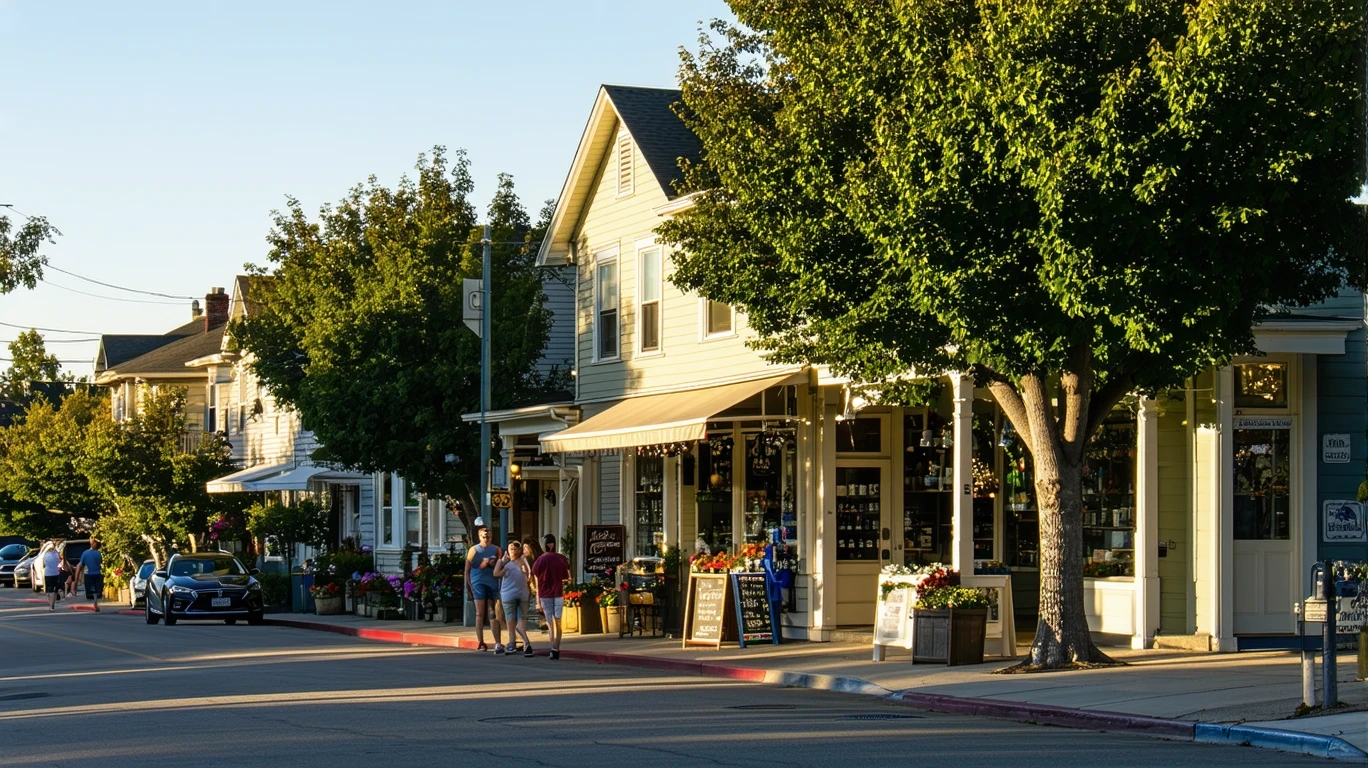
Morgan Hill’s vibe is defined by what it offers—and what it doesn’t. People who thrive here tend to value predictability, green space, and a strong sense of community investment. Playgrounds are plentiful, parks are well-maintained, and the street grid includes pockets where walking to grab groceries or coffee feels natural rather than heroic. Rail service connects residents to the broader region, and cycling infrastructure appears throughout parts of the city, giving households some flexibility in how they move.
But the city’s emotional tone also reflects tension. Growth is visible, both in new housing developments and in the steady arrival of families priced out of closer-in Peninsula cities. Long-time residents sometimes express protectiveness over the town’s identity, while newcomers navigate the gap between what they expected from a suburb and what Morgan Hill actually delivers. There’s pride in local schools and parks, but also fatigue around traffic, housing costs, and the feeling that the city is caught between small-town charm and inevitable densification.
For families with school-age children, Morgan Hill often feels like it fits. The infrastructure is there: playgrounds exceed density thresholds, schools are present in moderate concentration, and the overall environment supports the logistics of raising kids. For young professionals or creatives seeking walkable urban texture, nightlife, or spontaneous variety, the city can feel limiting. And for renters paying $2,249 per month or more, the cost-to-amenity equation doesn’t always add up emotionally, especially when car dependency remains the norm despite some walkable zones.
Social Media Buzz in Morgan Hill
On platforms like Facebook neighborhood groups and regional Reddit threads, Morgan Hill discussions tend to cluster around a few recurring themes: housing affordability (or lack thereof), school quality, traffic along major corridors, and the pace of development. The tone is rarely extreme—this isn’t a city that inspires viral outrage or effusive boosterism—but it does reveal a community negotiating change.
Common refrains include:
“It’s a great place to raise kids, but you need two solid incomes to make it work.”
“I love the parks and the slower vibe, but I miss having more to do without driving 20 minutes.”
“Traffic is getting worse, and it feels like every open lot is turning into another housing complex.”
There’s also a thread of protectiveness—long-time locals often push back when newcomers compare Morgan Hill unfavorably to denser or more walkable cities, reminding them that the suburban character is the point, not a flaw. But that defensiveness coexists with genuine concern about whether the city’s infrastructure, schools, and roads can keep pace with growth.
Local News Tone
Local coverage of Morgan Hill tends to frame the city through the lens of managed growth and community identity. Headlines and story angles often reflect ongoing debates about development, school funding, traffic mitigation, and how to preserve small-town character while accommodating new residents. The tone is rarely crisis-oriented, but it does convey a city in transition.
Typical topic buckets include:
- “Community Debates What Growth Should Look Like”
- “New Amenities Arrive as Town Identity Evolves”
- “Residents Weigh Convenience vs Quiet”
- “Schools and Parks Remain Central to Local Pride”
- “Traffic and Commute Times Shape Daily Routines”
The framing is generally civic and forward-looking, with an undertone of caution. There’s recognition that Morgan Hill is no longer a sleepy agricultural town, but also resistance to becoming “just another sprawl city.” The emotional center of local news is often about control: who gets to decide what the city becomes, and whether growth can happen without erasing what people moved here for.
Review-Based Public Perception
On Google, Yelp, and Nextdoor-style platforms, Morgan Hill earns praise for its parks, family-friendly atmosphere, and relative safety. People who wanted suburban comfort—wide streets, front yards, good schools—tend to feel satisfied. Those who expected more walkable variety, diverse dining, or vibrant street life often express mild disappointment.
Positive reviews highlight:
- Well-maintained parks and abundant outdoor space
- Strong sense of community and neighborly engagement
- Good schools and visible investment in family infrastructure
- Access to groceries and errands without needing to leave town
Critical or mixed reviews mention:
- High housing pressure relative to amenities and job proximity
- Limited nightlife, cultural venues, and dining variety
- Car dependency for most trips, despite some walkable pockets
- Traffic congestion during commute hours
- Newer planned areas can feel sterile or disconnected from older neighborhoods
The pattern is clear: Morgan Hill delivers well on suburban fundamentals but doesn’t offer the texture or spontaneity of denser, more urbanized environments. Expectation alignment is everything.
Comparison to Nearby Cities
| Dimension | Morgan Hill | Gilroy | San Jose |
|---|---|---|---|
| Overall Vibe | Family-focused suburb with growth tension | Agricultural roots, more affordable, quieter | Urban density, job center, transit-rich |
| Housing Tone | High cost, competitive, newer developments | More accessible, slower pace | Expensive, varied stock, urban tradeoffs |
| Walkability Feel | Pockets exist, but car still dominates | Limited, car-dependent | Strong in core areas, mixed elsewhere |
| Community Sentiment | Protective, cautiously optimistic | Relaxed, traditional | Diverse, fast-paced, transactional |
Morgan Hill occupies a middle ground. It’s more expensive and polished than Gilroy, but quieter and more suburban than San Jose. Families who want space and good schools but need reasonable access to Silicon Valley jobs often land here. Those prioritizing affordability over amenities may prefer Gilroy. Those who want urban texture, transit options, and walkable density will feel more at home in San Jose, despite the cost and intensity.
The choice isn’t about which city is “better”—it’s about which tradeoffs feel manageable. Morgan Hill works for households willing to pay for suburban comfort and family infrastructure. It frustrates those who expected more walkability, lower costs, or urban variety.
What Locals Are Saying
“We love the parks and the neighborhood feel, but the commute to San Jose is wearing on us. It’s doable, but it’s not easy.” — Family with young children
“I thought moving here would save us money compared to staying closer to the city. It didn’t. Rent is still brutal, and you need a car for everything.” — Young professional renting
“Morgan Hill has everything we need for the kids—playgrounds, schools, safe streets. We don’t miss the chaos of San Jose at all.” — Established family, homeowners
“It’s fine, but it’s not exciting. If you’re looking for nightlife or culture, you’ll be driving a lot.” — Remote worker in their 30s
“I’ve been here 20 years, and it’s changed a lot. More people, more traffic, more housing. I get why it’s happening, but it’s bittersweet.” — Long-time resident
“The bike paths are better than I expected, and I can actually get to the grocery store on foot from our neighborhood. That surprised me.” — Newcomer from denser city
“If you can afford it and you want a good place to raise a family, Morgan Hill delivers. But that ‘if you can afford it’ part is doing a lot of work.” — Dual-income household
Does Morgan Hill Feel Like a Good Fit?
Morgan Hill doesn’t try to be everything. It’s a suburb with strong family infrastructure, integrated green space, and pockets of walkability that make daily errands manageable for some households. It offers rail access to the broader region and enough grocery and food density that running errands doesn’t require long drives. For families with children, dual-income tech workers, and people who value outdoor space and community investment, the city often feels like it fits.
But it’s not a low-cost suburb, and it’s not an urban alternative. Day-to-day costs are high, housing is competitive, and car dependency remains the norm despite some infrastructure that supports walking and cycling. Renters and younger professionals often feel the squeeze between what they’re paying and what they’re getting. And anyone expecting vibrant street life, diverse nightlife, or spontaneous walkable variety will likely feel restless.
The city’s emotional center is about managed suburban comfort under growth pressure. People who moved here for safety, schools, and space tend to stay. People who expected affordability, urban texture, or easy car-free living tend to feel friction. The question isn’t whether Morgan Hill is happy—it’s whether the tradeoffs it offers align with what you actually need.
If you’re still weighing whether this city works for your situation, consider exploring what quality of life factors matter most and how they show up in daily routines here.
How this article was built: In addition to public economic data, this article incorporates location-based experiential signals derived from anonymized geographic patterns—such as access density, walkability, and land-use mix—to reflect how day-to-day living actually feels in Morgan Hill, CA.
The perspectives shown reflect commonly expressed local sentiment and recurring themes in public discussion, rather than individual accounts.