
What does it actually feel like to live in Media, PA? According to a recent sentiment survey, 74 out of 100 residents say they’re happy in Media — but that number only tells part of the story. The real question isn’t whether people are satisfied on average; it’s whether the specific tradeoffs that define life here match what you’re looking for. Media draws people who crave a walkable downtown, strong schools, and easy rail access to Philadelphia. But it also asks residents to accept higher costs, limited nightlife, and a healthcare landscape that requires planning. Understanding who thrives here — and who feels the friction — comes down to knowing what the town gives, and what it asks in return.
The Emotional Landscape of Media
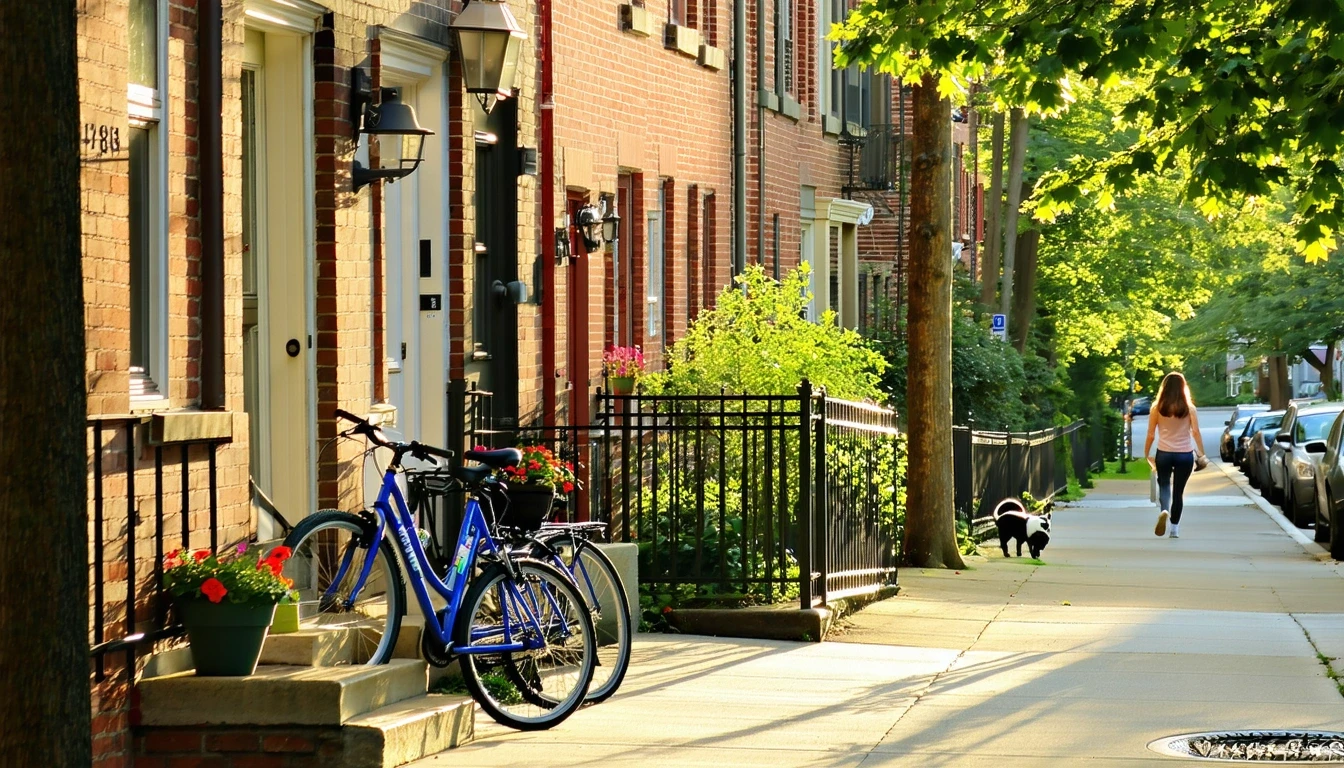
Media’s vibe is best described as “small-town pride meets suburban pragmatism.” People who love it here tend to value community texture over anonymity, walkability over sprawl, and local identity over generic convenience. The town’s compact, pedestrian-friendly downtown creates a rhythm that feels intentional: you can walk to coffee, pick up groceries on foot, and bump into neighbors at the farmers’ market. For families, the density of schools and playgrounds signals that this is a place built around raising kids. For commuters, the presence of regional rail means Philadelphia is accessible without full car dependency.
But that texture comes with tension. Media’s cost structure — with a regional price level 13% above the national baseline and median home values near $400,000 — means that affordability is a recurring theme in local conversation. Residents who prioritize walkability and community character tend to accept the premium. Those who expected suburban pricing with urban amenities often feel squeezed. The town’s limited hospital and clinic presence also surfaces regularly in discussion, particularly among older residents and families with young children who want comprehensive care close by.
In short, Media tends to work for people who see walkability, schools, and transit as worth paying for. It tends to frustrate people who need lower housing pressure, more healthcare infrastructure, or a faster pace of life.
What People Talk About Online
On platforms like Reddit, Facebook groups, and neighborhood forums, Media’s conversation tends to circle around a few recurring themes: downtown parking, school quality, development pressure, and the balance between preserving small-town character and accommodating growth. The tone is generally protective — residents care deeply about what makes Media distinct — but there’s also fatigue around the cost of maintaining that identity.
“I love that I can walk to everything downtown, but good luck finding street parking on a Saturday.”
“The schools are why we moved here, and they’ve been worth every penny — but every penny is the operative phrase.”
“It’s got charm, but it’s not cheap, and it’s not trying to be. You pay for the walkability and the train.”
Discussion about transit access is generally positive but nuanced. People appreciate the SEPTA Media Line for commuting to Philadelphia, but they also note that car ownership is still the norm for errands, weekend trips, and accessing healthcare outside town. The rail line is seen as a major asset, not a full replacement for driving.
There’s also a recurring thread about what Media isn’t: it’s not a nightlife destination, it’s not a place with deep dining variety, and it’s not a town where you can avoid planning ahead for medical care. Those gaps don’t bother everyone, but they do shape who feels at home here.
How Local Coverage Frames the Town
Local news and community coverage in Media tends to focus on identity preservation, civic engagement, and the tension between growth and character. Headlines and story angles often reflect these timeless themes:
- “Community Debates What Growth Should Look Like”
- “Families Drawn to Walkable Neighborhoods and Strong Schools”
- “Downtown Parking Remains a Flashpoint for Residents”
- “New Retail Arrives as Town Weighs Charm vs Convenience”
- “Residents Seek More Local Healthcare Options”
The framing is rarely celebratory or alarmist; instead, it tends to present Media as a town in ongoing negotiation with itself. There’s pride in what exists, but also acknowledgment that the cost structure and infrastructure gaps create real friction for certain households.
Review-Based Public Perception
On Google, Yelp, and Nextdoor-style platforms, Media’s public perception splits along expectation lines. People who moved here wanting a pedestrian-oriented town with good schools and rail access tend to leave positive reviews. People who expected lower costs, more dining variety, or comprehensive local healthcare tend to express disappointment.
Positive sentiment often highlights:
- Walkable downtown with local shops and restaurants
- Strong sense of community and civic engagement
- Excellent school infrastructure and playground access
- Convenient rail access to Philadelphia
- Abundant parks and green space woven into daily life
Common frustrations include:
- High housing costs relative to space and age of homes
- Limited hospital and urgent care options within town
- Parking challenges in the downtown core
- Modest nightlife and dining variety compared to urban centers
- Perception that the town caters primarily to families and commuters
Newer planned areas tend to draw families seeking modern layouts and low-maintenance living, while older pockets attract buyers who value character and proximity to downtown. Both groups generally appreciate the walkability and school access, but their tolerance for cost pressure and infrastructure tradeoffs varies widely.
How Media Compares to Nearby Towns
| Dimension | Media, PA | Swarthmore, PA | Glen Mills, PA |
|---|---|---|---|
| Overall Vibe | Walkable downtown, family-oriented, commuter-friendly | College-town intellectual, quieter, highly educated | Spacious suburban, car-dependent, newer development |
| Walkability | Strong pedestrian infrastructure, rail access | Compact and walkable near campus, limited elsewhere | Minimal pedestrian infrastructure, spread out |
| Cost Pressure | High home values, premium for walkability | Very high, driven by school district and college | High but more space per dollar |
| Family Appeal | Excellent schools, playgrounds, parks | Top-tier schools, quieter, less commercial | Good schools, larger lots, more driving required |
| Commuter Fit | Rail line to Philadelphia, walkable downtown | Rail access, but quieter and less commercial | Car-dependent, longer commutes |
Media sits between Swarthmore’s intellectual quiet and Glen Mills’ spacious car-oriented layout. If you want walkability and community texture with rail access, Media delivers that better than Glen Mills. If you want even quieter streets and are willing to sacrifice some commercial convenience, Swarthmore may feel like a better fit. If you prioritize yard space and modern layouts over walkability, Glen Mills offers more square footage per dollar. None of these towns is objectively better; they simply reward different priorities.
What Locals Are Saying
“We moved here for the schools and the ability to walk downtown. It’s expensive, but we knew that going in. The tradeoff has been worth it for us.”
“I love the community feel, but I wish there were more healthcare options in town. For anything beyond a pharmacy, I’m driving to Springfield or Riddle.”
“The train to Philly is a huge plus for my commute, but parking downtown on weekends is still a headache. You learn to plan around it.”
“It’s a great place to raise kids — tons of parks, good schools, safe streets. But if you’re looking for nightlife or a big dining scene, you’ll be disappointed.”
“I thought I’d save money moving to the suburbs, but Media’s not that kind of suburb. It’s walkable and charming, but it’s priced accordingly.”
“The farmers’ market, the local shops, the sense of place — it all feels intentional. But you do pay a premium for that intentionality.”
“I’ve been here for 20 years, and the town has changed, but it’s held onto what makes it special. That’s rare.”
Does Media Feel Like a Good Fit?
Media’s emotional profile is defined by a clear set of tradeoffs. This is a town that rewards people who value walkability, strong schools, integrated parks, and rail access to Philadelphia — and who are willing to accept higher costs and limited local healthcare in exchange. It tends to work well for families who prioritize pedestrian-friendly neighborhoods and school infrastructure, and for commuters who want small-town character without full car dependency.
It tends to frustrate people who need lower day-to-day costs, comprehensive local medical facilities, or the variety and pace of urban life. The town’s identity is rooted in community texture and intentional design, not affordability or convenience at scale.
If you’re deciding whether Media feels right, the question isn’t whether people here are happy on average. It’s whether the specific things this town offers — walkability, schools, parks, rail access, local identity — align with what you’re looking for, and whether the things it doesn’t offer — lower costs, hospital access, nightlife variety — are tradeoffs you’re willing to make. For some households, that alignment is immediate. For others, the friction is real. Understanding which side you’re on is the most useful thing you can know before making the move.
To explore how these tradeoffs play out in practice, consider reading about what ‘enough’ actually means in Media, or dive into the details of what you get and what you give up in the local housing market.
How this article was built: In addition to public economic data, this article incorporates location-based experiential signals derived from anonymized geographic patterns—such as access density, walkability, and land-use mix—to reflect how day-to-day living actually feels in Media, PA.
The perspectives shown reflect commonly expressed local sentiment and recurring themes in public discussion, rather than individual accounts.