
Media’s housing market operates at a premium that reflects more than just square footage. With a median home value of $397,800 and median rent at $1,389 per month, the entry cost here is shaped by a rare combination: walkable infrastructure, rail access to Philadelphia, and family-oriented density that most suburbs don’t deliver. This isn’t a bedroom community where you drive everywhere—it’s a place where the pedestrian-to-road ratio exceeds high thresholds, food and grocery density supports daily errands without a car, and school and playground availability meets the needs of families who want their kids to walk to both. That structural difference shows up in housing prices, and it changes how ownership and renting behave over time.
The housing decision in Media isn’t just about monthly cost—it’s about whether you’re paying for convenience you’ll actually use, and whether the premium for that convenience makes sense against your household’s logistics. Rail service means some residents can skip the second car. Integrated park access and broadly accessible errands mean less time spent coordinating trips. But limited healthcare access—no hospital or clinics detected locally—means medical needs require travel, and that’s a friction point ownership can’t solve. Understanding how these factors interact with rent volatility, tax exposure, and maintenance unpredictability is what separates a sustainable housing choice from one that becomes a financial strain.
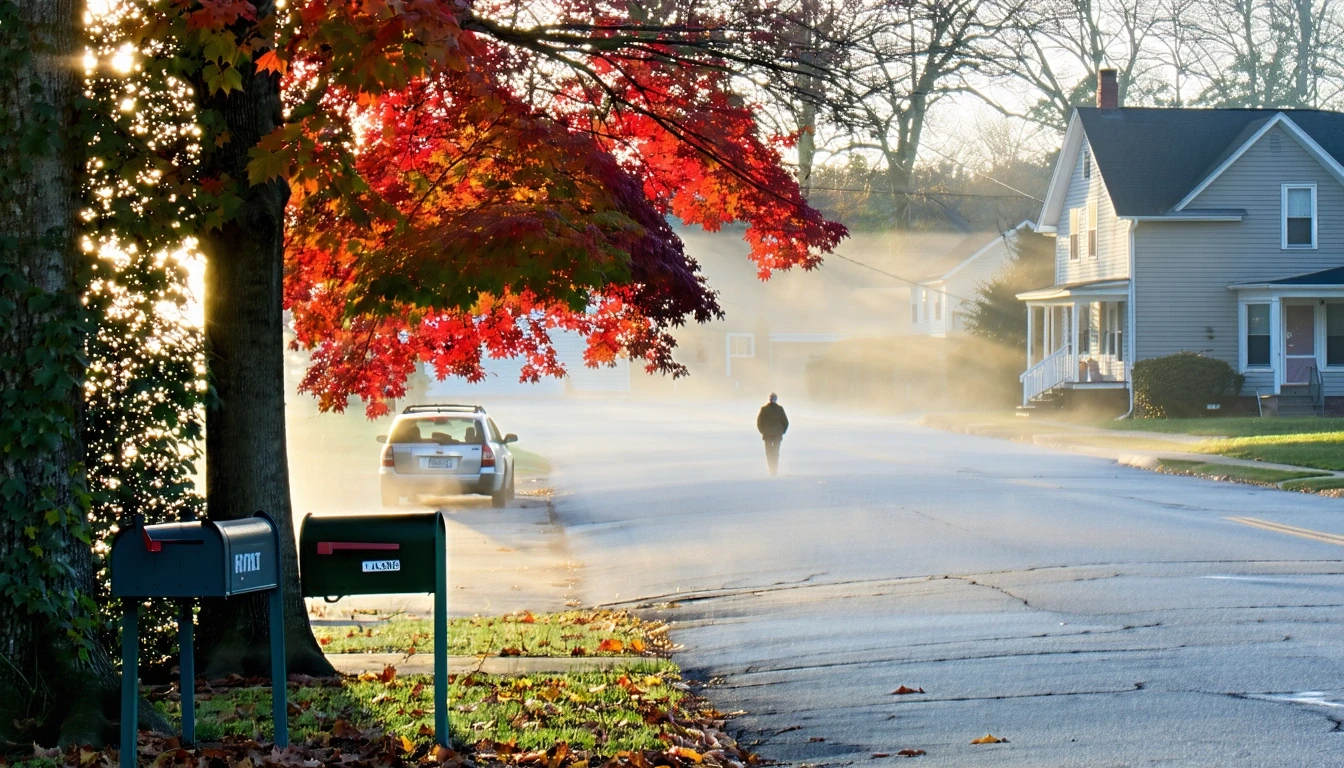
The Housing Market in Media Today
Media’s housing market is defined by its position as a county seat with genuine walkability and direct rail access to Philadelphia, a combination that commands a price. The $397,800 median home value reflects demand from households willing to pay more to avoid the car-dependent logistics that define most suburban markets. This isn’t a commuter town where you drive to everything—pedestrian infrastructure here is substantial enough that daily errands, school drop-offs, and park access don’t require constant vehicle use. That reduces the hidden time cost of suburban life, and buyers pay for that reduction upfront.
What newcomers often misunderstand is that Media’s premium isn’t just about proximity to Philadelphia. It’s about the internal structure of the town itself. Food and grocery establishments exceed high-density thresholds, meaning you’re not driving to a single supermarket hub—options are distributed. Schools and playgrounds are dense enough that families can function without shuttling kids everywhere. The rail line provides an alternative to highway commuting, which matters when gas sits at $4.16 per gallon and rush-hour reliability is uncertain. These aren’t amenities you can add later; they’re embedded in the built environment, and that’s what the housing cost reflects.
The rental market, at $1,389 per month median, operates under similar pressure. That figure represents baseline access to the same infrastructure advantages—walkability, transit, errand density—without the tax and maintenance exposure of ownership. For households earning the median income of $85,951 per year, rent consumes a smaller share of gross income than in many transit-accessible markets, but it’s still a fixed cost that rises with lease renewals and offers no equity accumulation. The tradeoff isn’t just financial—it’s about whether you’re in a position to absorb ownership’s volatility in exchange for long-term cost control.
Renting in Media
Renting in Media gives you immediate access to the town’s structural advantages without the capital requirement or tax exposure of ownership. At $1,389 per month, you’re paying for the ability to walk to errands, use rail transit, and live in a place where family logistics don’t require constant driving. For households testing the market or uncertain about long-term plans, that’s a functional entry point. But rental cost behavior here is shaped by the same demand pressure that drives home values—landlords know the infrastructure premium is real, and lease renewals reflect that.
The rental experience in Media varies significantly by proximity to the downtown core and rail station. Units within walking distance of State Street or the SEPTA station command higher rents because they maximize the car-optional advantage. You’re not just paying for the apartment—you’re paying to avoid the friction of driving to groceries, commuting, and weekend errands. For renters who work in Philadelphia and want to skip car ownership entirely, that premium makes sense. For renters who still need a car for healthcare, shopping outside town, or family obligations, the rent advantage shrinks because you’re still carrying vehicle costs on top of housing.
Availability is another pressure point. Media’s housing stock includes older homes converted to rentals, newer apartment buildings near transit, and single-family rentals in surrounding blocks. Turnover is relatively low because tenants who value walkability and rail access tend to stay, which means competitive units don’t sit vacant long. If you’re relocating on a tight timeline, expect limited inventory and faster decision cycles than in car-dependent suburbs where rental supply is higher.
For renters, the long-term cost question is whether lease increases will outpace income growth. Media’s rental market isn’t insulated from regional pressure—proximity to Philadelphia, limited new construction, and sustained demand from young professionals and small families all push rents upward over time. Renters here are trading ownership’s tax and maintenance unpredictability for lease renewal volatility, and that tradeoff works best for households with income mobility or plans to relocate within a few years.
Owning a Home in Media
Owning a home in Media means converting the $397,800 median purchase price into long-term cost predictability, but it also means absorbing the exposures that renters avoid: property taxes, maintenance tied to housing age and climate, and governance structures that vary by neighborhood. Ownership here isn’t just about monthly payments—it’s about whether you can handle the volatility that comes with Pennsylvania’s property tax system, older housing stock, and the seasonal strain of heating and cooling in a climate with cold winters and warm, humid summers.
Property taxes in Media are set by a combination of borough, county, and school district levies, and while the specific rate isn’t provided in available data, Delaware County’s tax structure generally reflects the cost of maintaining services in a small, densely developed borough. Taxes here aren’t static—they respond to school funding needs, infrastructure maintenance, and assessed value adjustments. Owners should expect taxes to be a significant recurring cost, one that rises independently of mortgage payoff and can’t be deferred. Unlike rent, which you can escape by moving, property taxes follow the property and increase over time based on factors outside your control.
Maintenance exposure in Media is shaped by the town’s housing stock, much of which predates modern energy efficiency standards. Older homes here often mean higher heating costs during Pennsylvania winters, where natural gas at $14.21 per MCF becomes a dominant expense from November through March. Cooling costs are less extreme but still noticeable during summer humidity. Roof, HVAC, and window replacement cycles hit harder in older homes, and those costs arrive unpredictably. Ownership means you’re responsible for all of it, and there’s no landlord to absorb the $8,000 furnace replacement or the $15,000 roof job.
Governance varies depending on whether you’re buying a single-family home, a townhouse with an HOA, or a property in a neighborhood with deed restrictions. Some developments include HOA fees that cover landscaping, snow removal, or shared amenities, while others leave all upkeep to the owner. The absence of HOA data in the available feed means buyers need to verify governance structure property-by-property, because those fees—and the rules that come with them—can significantly alter the ownership experience.
The ownership advantage in Media is control and stability. Once you’ve locked in a fixed mortgage, your principal and interest don’t change, and you’re insulated from the lease renewal pressure that renters face. You’re paying for the right to stay as long as you want, to modify the property, and to build equity in a market where walkability and transit access are unlikely to lose value. But that stability only works if you can absorb the tax increases, maintenance surprises, and opportunity cost of capital tied up in the down payment.
Apartment vs House in Media — Cost Behavior Comparison
| Expense Category | Apartment | House |
|---|---|---|
| Heating exposure | Lower; shared walls reduce heat loss during cold Pennsylvania winters | Higher; standalone structure with greater surface area exposed to cold; natural gas heating dominant expense November–March |
| Cooling exposure | Moderate; upper units may trap heat during humid summer months | Moderate to high; depends on insulation quality and HVAC efficiency in older housing stock |
| Maintenance responsibility | Landlord or HOA handles roof, HVAC, exterior; tenant handles interior only | Owner responsible for all systems, roof, siding, driveway, yard; older homes increase frequency and cost of repairs |
| Walkability advantage | Maximized if located near State Street or rail station; car-optional errands and commute reduce vehicle costs | Variable; single-family homes farther from downtown core may require car for errands despite town’s overall walkable infrastructure |
| Yard and exterior upkeep | None; no lawn, snow removal, or exterior painting | Ongoing; lawn care, snow removal, gutter cleaning, exterior painting required; time and cost burden year-round |
| Property tax exposure | Indirect; landlord pays but passes cost through rent over time | Direct; owner pays borough, county, and school district taxes annually; increases occur independently of mortgage payoff |
Why these categories differ in Media: The comparison above reflects Media’s specific conditions—cold winters that make heating a primary cost driver, older housing stock that increases maintenance frequency, and walkable infrastructure that reduces the car-dependency penalty for apartments near transit. Categories like utilities and property taxes appear because Pennsylvania’s climate and tax structure create meaningful differences in how apartments and houses behave financially. Generic categories that don’t vary meaningfully in Media (like internet or trash service) are excluded because they don’t help differentiate the two housing types here.
Utilities & Upkeep Differences
Utility and maintenance costs in Media behave differently depending on housing type, and the differences are driven by climate exposure and housing age, not just square footage. Pennsylvania’s cold winters make heating the dominant utility expense for houses, where standalone structures lose heat faster than apartments with shared walls. Natural gas at $14.21 per MCF powers most heating systems, and a typical single-family home can expect heating to be a noticeable cost from November through March. Apartments, especially those in multi-unit buildings, benefit from thermal buffering—heat loss is lower when you’re surrounded by other occupied units, and that translates to lower gas bills during the coldest months.
Electricity at 20.19¢/kWh is above the national baseline, and summer cooling adds seasonal pressure, though it’s less intense than heating exposure. For illustrative context, a household using 1,000 kWh per month would see a bill around $202 before fees and taxes. Apartments with central air and good insulation handle summer heat more efficiently than older houses with window units or undersized HVAC systems. The difference isn’t dramatic, but it’s consistent enough to matter over a full year.
Maintenance exposure in houses is tied to Media’s older housing stock. Roofs, HVAC systems, and water heaters in homes built before 2000 are closer to replacement cycles, and those costs arrive without warning. A furnace failure in January isn’t optional—you’re paying for the repair or replacement immediately. Apartments shift that risk to the landlord or HOA, and while you’re indirectly paying for it through rent or fees, you’re not facing the lump-sum cash outlay or the decision fatigue of choosing contractors and managing repairs.
Exterior upkeep—lawn care, snow removal, gutter cleaning, driveway sealing—is a house-specific cost that doesn’t exist for apartment renters. In Media, where winters bring snow and ice, keeping walkways clear isn’t optional, and if you’re not doing it yourself, you’re paying someone else. That’s a recurring cost that compounds with the time burden of coordinating service or doing the work yourself.
Rent vs Buy: Long-Term Exposure in Media
The rent-versus-buy decision in Media isn’t about which option costs less in year one—it’s about which cost structure aligns with your household’s ability to absorb volatility and your timeline for staying. Renting offers predictability within the lease term and flexibility to leave, but it exposes you to lease renewal increases that you can’t control. Buying offers long-term cost stability on the mortgage itself, but it transfers all tax, maintenance, and system replacement risk to you, and those costs don’t follow a predictable schedule.
Renters in Media are insulated from property tax increases, roof replacements, and HVAC failures, but they’re exposed to the landlord’s cost-recovery cycle. When taxes rise or operating costs increase, those expenses eventually appear in rent adjustments. The advantage is that you see the increase annually and can choose to move if it’s unsustainable. The disadvantage is that you’re always subject to the landlord’s pricing decisions, and in a market where demand for walkable, transit-accessible housing is strong, lease renewals tend to trend upward.
Owners in Media lock in their mortgage payment (assuming a fixed-rate loan), which means the largest component of housing cost becomes predictable. But property taxes, insurance, and maintenance are not fixed. Taxes rise with school funding needs and assessed value changes. Maintenance costs increase as the home ages and systems wear out. A house that feels affordable in year one can become a financial strain in year five if multiple systems fail simultaneously or if tax increases outpace income growth. Ownership works best for households with emergency reserves and income stability, because the volatility is real and unavoidable.
The long-term advantage of ownership in Media is that you’re paying toward an asset in a market where walkability, rail access, and family infrastructure are unlikely to lose value. The structural advantages that drive the $397,800 median home value—pedestrian density, transit, errand accessibility—are embedded in the built environment and can’t be replicated easily in competing suburbs. That creates some insulation against value erosion, though it doesn’t eliminate the risk of market downturns or the opportunity cost of capital tied up in the home.
Renters avoid that capital lock-in and retain the flexibility to relocate for job changes, family needs, or cost relief. If Media’s rental market becomes unsustainable, you can leave at lease end. If you’re an owner and costs spike, your options are limited—you’re either absorbing the increase or selling into whatever market conditions exist at that moment. The decision comes down to whether you value flexibility and lower short-term risk (renting) or long-term control and equity accumulation (buying), and whether your household can handle the volatility that comes with ownership.
How Day-to-Day Living Shapes Housing Costs in Media
Housing costs in Media don’t exist in isolation—they’re experienced through the daily logistics the town’s infrastructure either simplifies or complicates. Because Media has walkable pockets with high pedestrian-to-road ratios and food and grocery density that exceeds high thresholds, households here can run errands, get to school, and access parks without defaulting to the car for every trip. That reduces the hidden cost of suburban life: the time and fuel spent coordinating trips, the need for multiple vehicles, and the planning burden of living somewhere that requires driving to function.
For families, the strong infrastructure—high school and playground density—means kids can walk to both, and parents aren’t spending afternoons shuttling between activities and home. The integrated park access throughout town means outdoor time doesn’t require a weekend drive to a regional facility. These aren’t luxuries; they’re structural efficiencies that reduce the operational cost of running a household, and they’re part of what the housing premium pays for.
Rail transit to Philadelphia changes the calculus for commuters. Households that can rely on SEPTA for work trips can consider going down to one car, which eliminates a $400–$600 monthly vehicle cost (payment, insurance, fuel, maintenance). That savings doesn’t show up in the rent or mortgage figure, but it’s a real offset that makes Media’s housing cost more sustainable for some households than a cheaper suburb where two cars are non-negotiable.
The tradeoff is healthcare access. With no hospital or clinics detected locally, medical needs require travel, and that’s a friction point that neither renting nor owning solves. Families with young children, aging parents, or chronic health needs will make more trips outside town for care, and that adds time and transportation cost back into the equation. It’s a reminder that what drives expenses in Media isn’t just the rent or mortgage—it’s how the town’s infrastructure aligns with your household’s specific logistics.
How this article was built: In addition to public economic data, this article incorporates location-based experiential signals derived from anonymized geographic patterns—such as access density, walkability, and land-use mix—to reflect how day-to-day living actually feels in Media, PA.
FAQs About Housing Costs in Media
Is renting or buying more common in Media, PA?
Media has a mix of renters and owners, with ownership more common among families seeking long-term stability and renters concentrated near the downtown core and rail station. The choice often depends on whether a household values flexibility and lower short-term risk (renting) or long-term cost control and equity building (owning). Both options provide access to the same walkable infrastructure and transit, but ownership requires absorbing property tax and maintenance volatility that renters avoid.
How much does walkability actually save on transportation costs in Media?
Walkability in Media reduces the need for a second vehicle for households that can rely on rail transit for commuting and walk to daily errands. Eliminating one car removes monthly payments, insurance, fuel, and maintenance—costs that can total $400–$600 per month. The savings depend on whether your work, school, and errands align with the town’s pedestrian and transit infrastructure, but for households that fit that profile, the transportation offset is significant enough to make higher housing costs more sustainable.
What drives property tax increases in Media, PA?
Property taxes in Media are set by borough, county, and school district levies, and they rise in response to school funding needs, infrastructure maintenance, and assessed value adjustments. Owners should expect taxes to increase over time independently of mortgage payoff, and those increases are not optional or deferrable. The specific rate isn’t provided in available data, but Delaware County’s tax structure reflects the cost of maintaining services in a small, densely developed borough.
Are older homes in Media more expensive to maintain?
Yes. Much of Media’s housing stock predates modern energy efficiency standards, which means higher heating costs during Pennsylvania winters and more frequent HVAC, roof, and window replacement cycles. Older homes also tend to have outdated insulation, which increases both heating and cooling exposure. Buyers should budget for system replacements and energy upgrades as part of the long-term cost of ownership, because those expenses arrive unpredictably and can’t be deferred.
Does Media’s housing premium hold value over time?
Media’s housing premium is tied to structural advantages—walkability, rail access, family infrastructure, and errand density—that are embedded in the built environment and difficult to replicate in competing suburbs. Those features create sustained demand, which provides some insulation against value erosion. However, no housing market is immune to broader economic downturns, interest rate changes, or regional shifts in employment patterns. The premium reflects current demand for a specific lifestyle, and that demand has proven durable, but it’s not a guarantee of future appreciation.
Making Housing Choices in Media
Housing costs in Media reflect what the town delivers: walkable infrastructure, rail access, and family-oriented density that reduce the logistical friction of suburban life. The $397,800 median home value and $1,389 median rent aren’t arbitrary—they’re the market’s response to a built environment that lets households function with less driving, fewer vehicles, and more control over daily errands. Whether that premium makes sense depends on whether your household can use those advantages and whether you’re positioned to absorb the volatility that comes with ownership or the lease renewal pressure that comes with renting.
Renters in Media get immediate access to the town’s structural benefits without the capital requirement or tax exposure of owning, but they trade long-term cost control for flexibility. Owners lock in mortgage predictability and build equity, but they absorb property tax increases, maintenance surprises, and the opportunity cost of capital. The decision isn’t about which option is cheaper—it’s about which cost structure aligns with your income stability, timeline, and tolerance for financial unpredictability.
For households considering Media, the housing decision should start with logistics: how you’ll commute, where your kids will go to school, how often you’ll need a car, and whether limited local healthcare access creates a burden. The infrastructure advantages here are real, but they don’t eliminate all friction, and the housing cost only makes sense if the town’s layout matches how your household actually operates. Understanding monthly expenses beyond rent or mortgage—utilities, transportation, healthcare travel—is what separates a sustainable choice from one that becomes a financial strain. If you’re planning a move and need to coordinate logistics, timing, and cost, [see our 2025 moving company picks](https://indexyard.com/best-moving-companies-guide/) to compare options that fit your timeline and budget.