
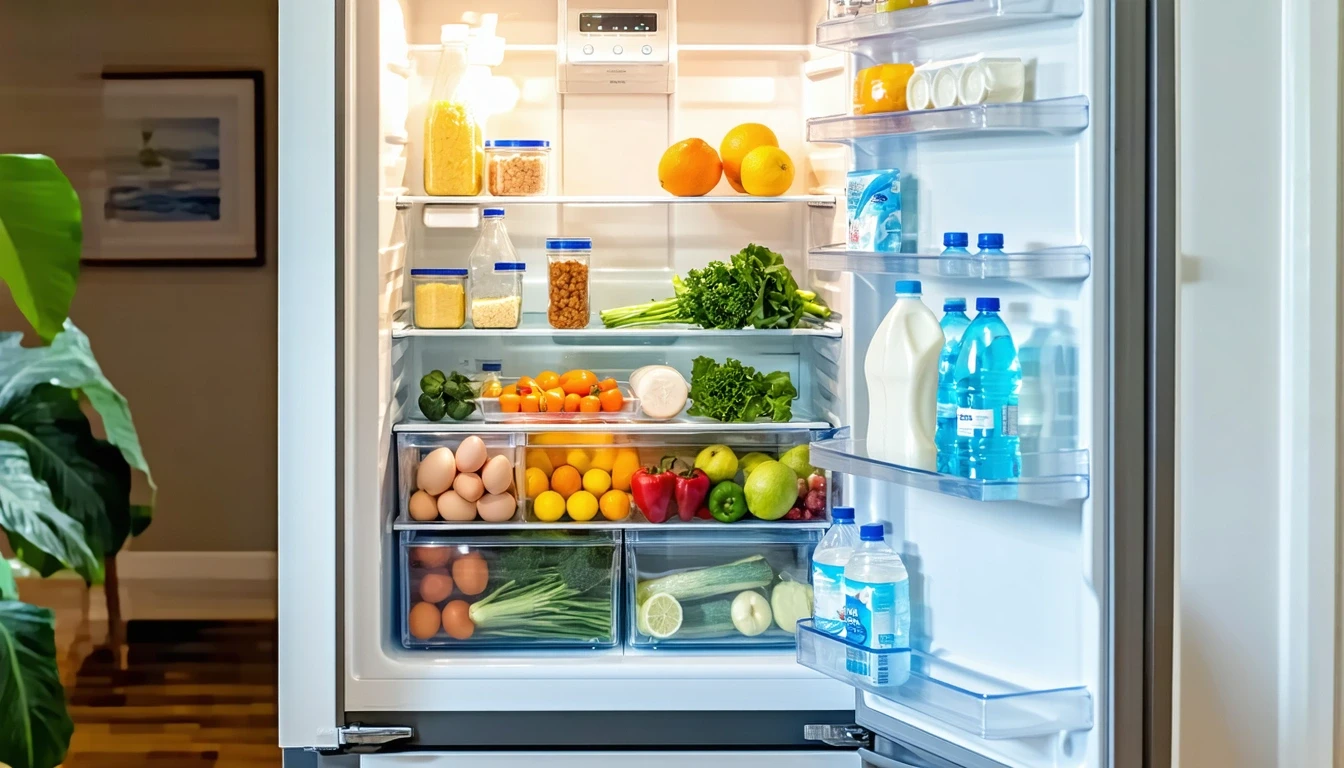
How Grocery Costs Feel in Leawood
Grocery prices in Leawood, KS tend to run slightly below the national baseline, shaped by the city’s position in a region where food distribution networks are efficient and competition among retailers remains strong. The Bureau of Economic Analysis regional price parity index for the area sits at 93, meaning that overall costs—including groceries—typically track about 7% below the U.S. average. For households accustomed to higher-cost metros, that difference registers as meaningful relief at checkout. For families moving from lower-cost rural areas or smaller Midwestern towns, Leawood’s grocery environment may feel closer to parity, particularly if shopping habits tilt toward premium or specialty stores.
Who notices grocery costs most in Leawood depends heavily on household composition and income positioning. Singles and couples without children often find that food represents a manageable share of monthly expenses, especially when median household income in the city reaches $174,779 per year. Larger families, particularly those with teenagers or multiple young children, face sharper pressure. Volume matters: buying for four or five people amplifies every per-unit price difference, and staples like milk, eggs, bread, and ground beef move from occasional purchases to weekly necessities. Families also tend to carry more produce, snacks, and proteins, categories where price variation across store tiers becomes most visible.
Grocery affordability in Leawood isn’t just about prices—it’s about the interaction between what items cost and what households earn. The city’s high median income creates a cushion that many residents rely on, but it also means that newcomers from lower-income backgrounds or single-earner households may feel grocery costs more acutely, even if absolute prices sit below national averages. The experience of affordability is relative, and in a city where housing costs run high, grocery spending can become one of the few categories where households feel they have direct control.
Grocery Price Signals (Illustrative)
The following prices illustrate how staple items tend to compare locally—not a full shopping list. These figures are derived estimates based on national baselines adjusted by regional price parity; they are not observed local prices and should be used only to understand category-level cost positioning, not to predict a specific store receipt or weekly total.
| Item | Price |
|---|---|
| Bread (per pound) | $1.72/lb |
| Cheese (per pound) | $4.35/lb |
| Chicken (per pound) | $1.91/lb |
| Eggs (per dozen) | $2.33/dozen |
| Ground beef (per pound) | $6.27/lb |
| Milk (per half-gallon) | $3.74/half-gallon |
| Rice (per pound) | $1.00/lb |
These prices reflect moderate positioning relative to national averages. Ground beef, a protein staple for many families, sits in a range that feels neither bargain-priced nor premium. Eggs and milk—two of the most price-sensitive items for households with children—track close to what shoppers in similar metros experience. Bread and rice remain affordable anchors, the kind of items that allow families to stretch meals without significant cost pressure. Cheese, often a discretionary add or a recipe ingredient, carries a per-pound cost that can add up quickly for households buying in volume or opting for specialty varieties.
What these prices don’t capture is the variation across store formats. A half-gallon of milk at a discount grocer may come in well under $3.74, while the same item at a premium or organic-focused market could exceed $5. The illustrative figures above represent a middle band, useful for understanding relative cost pressure but not predictive of any single shopping trip. Households that prioritize organic, local, or specialty items will see higher totals. Those willing to shop sales, buy store brands, and visit multiple retailers can often land below these benchmarks.
Store Choice & Price Sensitivity
Grocery price pressure in Leawood varies significantly by store tier, and understanding that variation is essential for managing food costs effectively. Discount grocers—chains that emphasize private-label products, limited selection, and no-frills store layouts—offer the lowest per-unit prices on staples like bread, eggs, milk, and canned goods. These stores appeal to budget-conscious families, singles managing tight margins, and anyone prioritizing cost control over brand loyalty or shopping experience. The tradeoff is typically reduced variety, fewer specialty items, and a shopping environment that feels more utilitarian than curated.
Mid-tier grocers occupy the middle ground, balancing competitive pricing on everyday staples with broader selection, name-brand availability, and more polished store environments. These stores often run weekly promotions, loyalty programs, and digital coupons that allow shoppers to capture discounts without sacrificing convenience. For many Leawood households, mid-tier grocers represent the default choice—familiar, accessible, and flexible enough to accommodate both budget-conscious and convenience-driven shopping. Families with mixed priorities—some staples bought on price, others chosen for quality or preference—tend to gravitate here.
Premium grocers, including organic-focused chains and upscale markets, cater to households willing to pay more for perceived quality, sourcing transparency, or specialty products. Prices on basics like milk, eggs, and produce can run 30% to 50% higher than discount alternatives, and the gap widens further for prepared foods, artisanal items, and organic-certified products. For high-income households in Leawood, the premium tier offers convenience, curation, and alignment with dietary preferences or values-based purchasing. For others, it represents occasional shopping—picking up specific items not available elsewhere—rather than a primary grocery destination.
Store choice also intersects with access and time. Households with flexibility—those who can visit multiple stores, compare prices, and plan around sales—experience grocery costs differently than those constrained by schedule, transportation, or proximity. In Leawood, where food and grocery establishment density exceeds typical thresholds and options are broadly accessible, most residents have the structural ability to shop across tiers. Whether they do so depends on income, household size, priorities, and the time cost of managing multiple stops.
What Drives Grocery Pressure Here
Income plays the most direct role in shaping how grocery costs feel in Leawood. With a median household income of $174,779 per year, many residents experience food spending as a manageable, even minor, share of total outlays. For these households, grocery decisions are driven more by preference, convenience, and quality than by strict budget constraints. The ability to absorb price increases—whether from inflation, seasonal shifts, or store choice—reduces the friction that lower-income households face. But income distribution matters: not every household in Leawood earns near the median, and for those on fixed incomes, single earners, or families with high housing costs, grocery spending can represent one of the few flexible categories where cuts are possible.
Household size amplifies grocery pressure in predictable ways. A single adult or couple can often absorb price variation without restructuring habits. A family of four or five, especially with school-aged children or teenagers, faces compounding volume: more milk, more eggs, more produce, more snacks, more proteins. Every per-unit price difference scales with quantity, and categories that seem minor for small households—like cheese, deli meat, or fresh fruit—become significant line items. Families also face less flexibility in timing: meals happen daily, and staples run out on schedules that don’t always align with sales cycles or discount opportunities.
Regional distribution and access patterns also influence grocery costs, though often in ways that aren’t immediately visible. Leawood benefits from proximity to Kansas City’s broader metro distribution networks, which support competitive pricing and frequent restocking. The city’s density of food and grocery establishments means that most residents can reach multiple store formats without long drives, reducing the time cost of comparison shopping and allowing households to split trips across discount, mid-tier, and specialty retailers. That access doesn’t guarantee lower costs, but it does create optionality—a structural advantage that translates into real savings for households willing to act on it.
Seasonal variability affects grocery costs in Leawood, though the impact is more about category shifts than dramatic price swings. Summer brings lower prices on local produce and fresh vegetables, while winter elevates costs for out-of-season items and increases reliance on frozen or canned alternatives. Protein prices fluctuate with supply conditions, holiday demand, and national market trends, but these shifts tend to be gradual rather than sudden. Households that cook seasonally, buy in bulk during low-price windows, and substitute flexibly across proteins can smooth out much of this variability. Those with rigid meal plans or strong brand preferences feel the swings more directly.
Practical Ways People Manage Grocery Costs
The most effective strategy for managing grocery costs in Leawood is shopping across store tiers strategically. Households that buy shelf-stable staples—rice, pasta, canned goods, dry beans—at discount grocers, then fill in fresh produce, proteins, and specialty items at mid-tier or premium stores, often achieve the best balance of cost and quality. This approach requires planning and the willingness to make multiple stops, but it allows families to capture the lowest per-unit prices on high-volume items while preserving choice and variety where it matters most.
Buying store brands instead of name-brand equivalents reduces costs across nearly every category, often without noticeable quality differences. Private-label products—especially for staples like milk, eggs, bread, butter, and canned vegetables—typically cost 15% to 30% less than national brands and are often produced by the same manufacturers. For households managing tight grocery budgets, switching to store brands on even half of their regular purchases can create meaningful monthly savings. The tradeoff is minimal for most staples; it becomes more personal for items where taste, texture, or brand loyalty matters.
Planning meals around sales and seasonal availability helps households reduce costs without sacrificing nutrition or variety. Proteins, in particular, fluctuate in price week to week, and buying chicken, ground beef, or pork when discounted—then freezing portions for later use—smooths out expense and reduces reliance on higher-priced convenience options. Produce costs drop when items are in season locally, and building meals around what’s abundant and affordable rather than fixed recipes allows families to adapt to price conditions without feeling restricted.
Using loyalty programs, digital coupons, and cashback apps adds another layer of savings, particularly at mid-tier grocers that invest heavily in customer retention. These tools don’t require extreme couponing or hours of planning; most programs integrate directly into store apps and apply discounts automatically at checkout. For households already shopping at participating stores, the incremental savings—typically 5% to 10% per trip—accumulate over time and require minimal behavior change. The key is consistency: using the tools regularly rather than sporadically.
Reducing food waste also functions as a cost-management strategy, though it’s often overlooked. Buying only what will be used, storing perishables properly, and repurposing leftovers into new meals prevents households from effectively paying twice for the same food. For families with children, where preferences shift and portions vary, waste can represent a significant hidden cost. Simple habits—like planning meals before shopping, freezing surplus ingredients, and using older produce in soups or smoothies—help households get full value from what they buy.
Groceries vs Eating Out (Directional)
The tradeoff between cooking at home and eating out shapes grocery spending in ways that aren’t always obvious. Households that cook most meals at home experience grocery costs as a primary food expense, with restaurant spending reserved for occasional convenience or social outings. For these families, grocery totals run higher, but per-meal costs remain lower than dining out equivalents. The time investment is significant—meal planning, shopping, cooking, and cleanup all require hours each week—but the cost control and nutritional flexibility often justify the effort, particularly for larger households where restaurant meals would multiply quickly.
Households that eat out frequently, whether for convenience, preference, or time constraints, experience grocery costs differently. Their grocery spending may appear lower in absolute terms, but total food costs—groceries plus dining—often run significantly higher. The convenience of prepared meals comes with a markup that can be two to three times the cost of cooking the same dish at home. For singles and couples with high incomes and demanding schedules, that tradeoff may feel worthwhile. For families trying to manage overall expenses, frequent restaurant meals can become one of the largest discretionary drains on the budget.
The balance between groceries and dining out also reflects lifestyle fit and priorities. Some households view cooking as a valued routine, a way to control ingredients, teach children, or align with dietary goals. Others see it as a chore, one that competes with work, childcare, and other demands. In Leawood, where median incomes are high and food establishment density supports both grocery shopping and dining options, households have the structural flexibility to choose. The financial implication is clear: cooking at home reduces per-meal costs and increases control, while eating out trades money for time and convenience.
FAQs About Grocery Costs in Leawood (2026)
Is it cheaper to shop in bulk in Leawood? Bulk purchasing can reduce per-unit costs on shelf-stable staples like rice, pasta, canned goods, and household items, particularly at warehouse clubs or discount grocers. The savings are most meaningful for larger households that can use volume before expiration and have storage space to accommodate bulk packaging.
Which stores in Leawood are best for low prices? Discount-tier grocers typically offer the lowest prices on everyday staples, while mid-tier stores balance competitive pricing with broader selection and frequent promotions. Households that shop across multiple store formats—buying high-volume staples at discount stores and filling in fresh or specialty items elsewhere—often achieve the best overall cost control.
How much more do organic items cost in Leawood? Organic products generally carry a premium over conventional equivalents, with the gap widest for produce, dairy, and proteins. The exact difference varies by item and store tier, but households prioritizing organic options should expect meaningfully higher grocery totals, particularly at premium or specialty-focused retailers.
How do grocery costs for two adults in Leawood tend to compare to nearby cities? Leawood’s grocery costs track slightly below national averages due to regional price parity, and the city’s competitive retail environment supports access to multiple store tiers. Compared to higher-cost metros, Leawood offers modest relief; compared to smaller towns or rural areas, prices may feel closer to parity depending on store choice and shopping habits.
How do households in Leawood think about grocery spending when cooking at home? Many households view grocery spending as a controllable expense, one where store choice, meal planning, and strategic shopping can create meaningful savings compared to dining out. For families, cooking at home reduces per-meal costs and allows greater control over ingredients and nutrition, though it requires consistent time investment and planning.
Do grocery prices in Leawood change much from season to season? Seasonal variation affects certain categories more than others. Fresh produce costs drop when items are locally abundant, while out-of-season or imported items carry higher prices. Protein costs fluctuate with supply conditions and holiday demand, but these shifts tend to be gradual rather than sudden, and households that shop flexibly can adapt without significant disruption.
How does household size affect grocery costs in Leawood? Household size amplifies every per-unit price difference. Singles and couples can often absorb price variation without restructuring habits, while families with children face compounding volume across staples like milk, eggs, bread, and proteins. Larger households benefit most from strategic store choice, bulk purchasing, and meal planning around sales.
How Groceries Fit Into the Cost of Living in Leawood
Grocery costs in Leawood represent a meaningful but secondary expense category compared to housing, which dominates household budgets in the city. With a median home value of $592,700 and median gross rent of $1,872 per month, housing absorbs a far larger share of income than food spending for most residents. Utilities, transportation, and other fixed costs layer on top, leaving groceries as one of the few categories where households retain direct, week-to-week control. That flexibility makes grocery spending an important lever for managing overall financial pressure, particularly for families trying to balance high housing costs with other priorities.
For a complete picture of how groceries interact with other expenses—and how food spending fits into a realistic monthly budget—readers should consult the dedicated Monthly Budget article for Leawood. That resource breaks down the full cost structure, including housing, utilities, transportation, and discretionary spending, and provides the context needed to understand where grocery costs sit relative to total outlays. Grocery prices matter, but they don’t exist in isolation, and understanding the broader financial landscape is essential for making informed decisions about moving to or living in Leawood.
Managing grocery costs effectively in Leawood comes down to understanding the interaction between store choice, household size, income positioning, and shopping habits. The city’s below-average regional price parity and competitive retail environment create structural advantages, but those advantages only translate into savings for households willing to shop strategically, plan meals, and adapt to price signals. For high-income households, grocery spending may feel minor and largely discretionary. For others, particularly larger families or those managing tight budgets, groceries represent one of the few expense categories where intentional behavior—choosing the right stores, buying strategically, reducing waste—can create meaningful financial breathing room.
How this article was built: In addition to public economic data, this article incorporates location-based experiential signals derived from anonymized geographic patterns—such as access density, walkability, and land-use mix—to reflect how day-to-day living actually feels in Leawood, KS.