
Leawood’s housing market reflects a clear choice: this is a place built for households who prioritize space, schools, and suburban infrastructure over urban density or entry-level pricing. The median home value of $592,700 positions Leawood well above typical suburban markets in the Kansas City metro, even as the region’s overall cost structure runs below the national baseline. That gap—between what housing costs here and what everything else costs—defines the financial tradeoff newcomers face.
What makes Leawood distinct isn’t just the price tag. The city’s layout combines low-density residential blocks with pockets of walkable infrastructure and broadly accessible grocery and retail options. Parks are woven throughout, schools and playgrounds meet density thresholds that signal intentional family planning, and the pedestrian-to-road ratio exceeds what you’d expect in a typical car-oriented suburb. This isn’t accidental. Leawood’s housing stock is expensive because it delivers a specific package: quiet streets, green space, strong schools, and the ability to run errands on foot in certain areas—all within commuting range of Kansas City employment centers.
For renters, the picture is narrower. Median gross rent sits at $1,872 per month, but rental housing represents a smaller share of the overall stock. That scarcity limits choice and keeps upward pressure on rent, even as ownership dominates the market. Renters here are often in transition—relocating for work, testing the metro before buying, or prioritizing flexibility over equity. The rental experience in Leawood is shaped less by affordability than by availability: finding the right unit, in the right location, at a price that doesn’t stretch beyond what ownership would cost elsewhere.
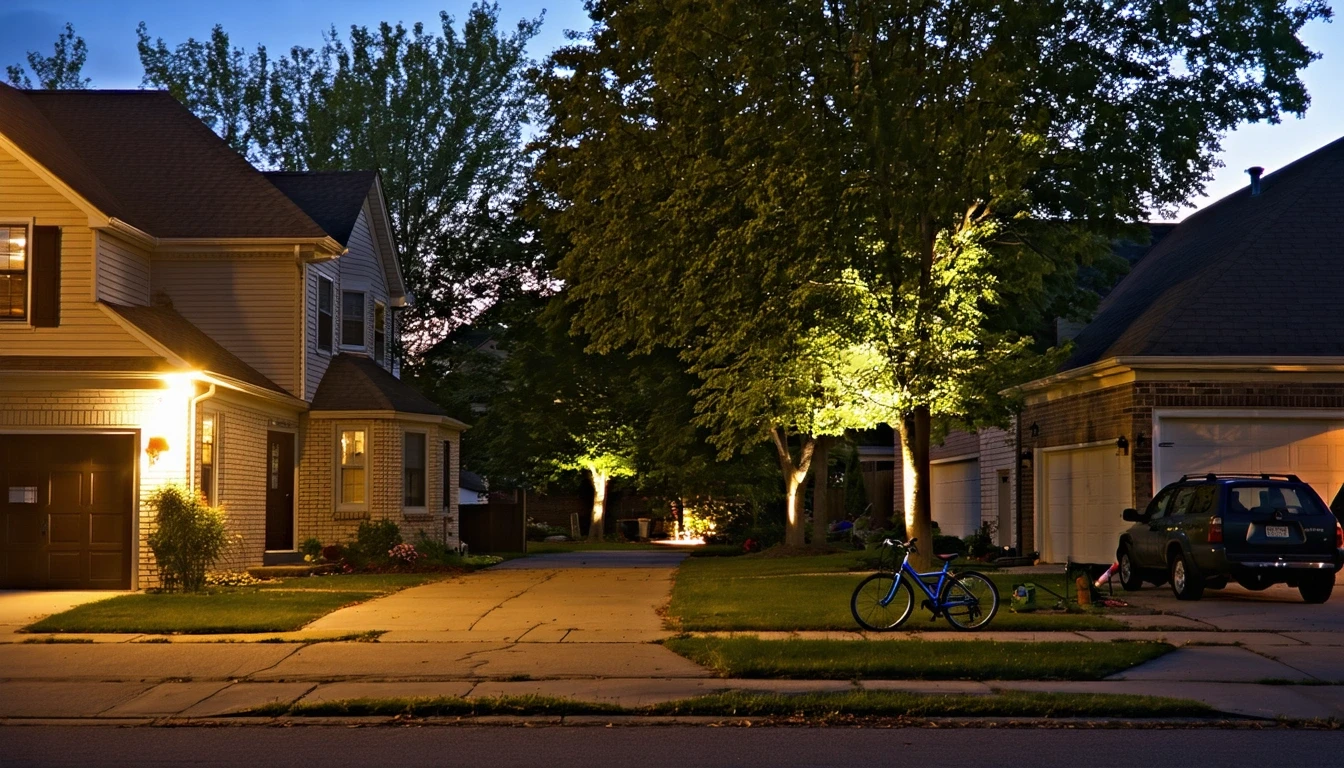
The Housing Market in Leawood Today
Leawood’s housing market is driven by income concentration and infrastructure investment. With a median household income of $174,779 per year, the city attracts buyers who can absorb premium pricing in exchange for low-density living, top-tier schools, and proximity to both green space and commercial corridors. The housing stock skews toward single-family homes on larger lots, with mixed building heights in certain pockets where townhomes and low-rise multifamily buildings appear.
What newcomers often misunderstand is the relationship between Leawood’s home values and the region’s broader cost structure. The Kansas City metro runs about 7% below the national price level, meaning groceries, utilities, and most services cost less here than in peer metros. But housing pressure in Leawood doesn’t follow that pattern. Home values reflect demand for a specific suburban product: space, schools, parks, and commute access without the density or constraints of urban neighborhoods. That demand is localized and income-dependent, which is why Leawood’s housing costs diverge sharply from the metro’s overall affordability profile.
The market also benefits from Leawood’s position as an established, built-out suburb. There’s limited room for large-scale new construction, which keeps inventory tight and supports pricing even when broader metro trends soften. Buyers here aren’t chasing the lowest cost per square foot—they’re paying for a known quantity: governance, schools, parks, and a residential environment that’s been stable for decades.
Renting in Leawood
Renting in Leawood is less common than owning, and that shapes the rental experience in practical ways. At $1,872 per month median gross rent, you’re paying for access to the same infrastructure and location advantages that drive ownership costs—schools, parks, errands accessibility—but without the equity or long-term cost predictability that ownership provides.
Rental availability tends to cluster near commercial corridors and mixed-use pockets where multifamily buildings fit the zoning. These areas benefit from Leawood’s higher-than-expected walkability in certain zones: grocery stores, pharmacies, and retail are broadly accessible, and the pedestrian-to-road ratio supports foot traffic in ways that reduce car dependency for daily errands. That’s a meaningful convenience in a suburban market where most comparable cities require a car for every trip.
But rental inventory is limited, and turnover is slow. Leawood’s housing stock is dominated by owner-occupied single-family homes, so renters face fewer choices and less negotiating power. Rent increases tend to track demand rather than operating costs, and because the rental pool is small, landlords can hold firm on pricing. For renters who value flexibility or aren’t ready to commit to a $592,700 purchase, Leawood offers access—but at a cost that reflects scarcity, not abundance.
Owning a Home in Leawood
Ownership in Leawood is the dominant housing model, and it comes with exposures that extend well beyond the purchase price. At a median home value of $592,700, buyers are taking on not just a mortgage but also property taxes, insurance, maintenance, and—in many neighborhoods—homeowners association fees and covenants that govern everything from landscaping to exterior modifications.
Property taxes in Kansas are structured at the county level, and Johnson County’s rates reflect the revenue needed to fund schools, infrastructure, and services in one of the state’s wealthiest areas. While the specific mill levy isn’t provided here, buyers should expect annual tax bills that represent a significant share of ownership costs—often more than insurance and maintenance combined. Unlike rent, which can rise annually, property taxes are subject to assessment cycles and voter-approved levies, meaning they can shift in ways that aren’t tied to your household budget or income growth.
Maintenance exposure in Leawood is shaped by the housing stock and climate. Homes here are typically single-family structures with yards, driveways, and HVAC systems that must handle both hot, humid summers and cold winter stretches. Cooling costs dominate the summer months, heating costs rise in winter, and systems age faster under that seasonal swing. Roof, siding, and foundation work are periodic but unavoidable, and because lot sizes are larger, landscaping and exterior upkeep require either time or contractor expense.
HOAs are common in newer subdivisions and add another layer of cost and governance. Fees vary widely depending on amenities—some cover only basic landscaping and entrance maintenance, others include pools, clubhouses, or private parks. The tradeoff is predictability: HOA-managed neighborhoods tend to maintain property values and aesthetic consistency, but they also limit owner autonomy and add a recurring cost that doesn’t build equity.
What ownership in Leawood buys, beyond the physical structure, is control and stability. You’re locking in a housing cost structure that’s more predictable than renting, even if taxes and maintenance introduce variability. You’re gaining access to the city’s strong family infrastructure—schools that meet density thresholds, playgrounds distributed throughout residential areas, and parks that exceed regional norms for accessibility. And you’re positioning yourself in a market where home values have historically held firm, supported by income concentration and limited new supply.
Apartment vs House in Leawood — Cost Behavior Comparison
| Expense Category | Apartment | House |
|---|---|---|
| Cooling & Heating Exposure | Lower; shared walls reduce surface area, landlord often controls system efficiency | Higher; standalone structure with full exposure to hot summers and cold winters, owner responsible for system upgrades |
| Maintenance Responsibility | Landlord handles HVAC, roof, exterior; tenant handles interior only | Owner handles all systems, roof, siding, foundation, and yard work or contractor costs |
| Outdoor Space & Upkeep | Minimal or shared; no lawn care or landscaping costs | Private yard requires mowing, seasonal cleanup, and ongoing landscaping; larger lots mean higher time or cost burden |
| Governance & Fees | Rent is all-in or includes trash/water; no HOA exposure | Property taxes, insurance, and HOA fees (where applicable) add recurring costs beyond mortgage |
| Access to Family Infrastructure | Same access to schools, parks, and playgrounds; location determines walkability to errands | Same access; ownership often prioritizes proximity to top-rated schools and larger parks |
Why these categories differ in Leawood: The city’s climate creates a noticeable seasonal swing in heating and cooling costs, and single-family homes bear the full exposure. Leawood’s housing stock is dominated by owner-occupied houses on larger lots, which shifts maintenance and outdoor upkeep from landlord to owner. HOAs are common in subdivisions, adding governance and fees that apartments avoid. Family infrastructure—schools, parks, playgrounds—is strong citywide, so the difference between renting and owning is less about access and more about cost structure and control. Categories like water, trash, and internet were excluded because they don’t vary meaningfully by housing type in this market; most apartments bundle them, and most houses pay them separately, but the cost behavior is similar.
Utilities & Upkeep Differences
Utility and maintenance costs in Leawood are shaped by the city’s climate and housing stock. Summers bring heat and humidity that push cooling systems hard, while winters require consistent heating through stretches of cold weather. That seasonal swing means HVAC systems cycle more aggressively than in milder climates, which accelerates wear and drives up both energy use and replacement costs over time.
For apartment renters, utility exposure is lower by design. Shared walls reduce heating and cooling load, and landlords typically control system efficiency and replacement schedules. Many apartment leases bundle water, trash, and sometimes gas, which simplifies budgeting even if it doesn’t always lower costs. The tradeoff is lack of control: you can’t upgrade insulation, replace an aging HVAC unit, or install a programmable thermostat without landlord approval.
Homeowners face the full cost and responsibility. Electricity rates in the area run 14.29¢/kWh, and natural gas is priced at $12.56/MCF, but the real driver of utility bills is usage intensity. A standalone house with full sun exposure, older windows, or an aging HVAC system will see noticeable swings between summer and winter bills. Cooling dominates in July and August, heating takes over from December through February, and shoulder seasons offer little relief if the system is inefficient.
Maintenance exposure is also higher for houses. Roofs, siding, and foundations all face weathering from seasonal temperature swings and occasional severe storms. Yards require mowing, seasonal cleanup, and irrigation during dry stretches. Driveways and walkways crack and settle over time. These aren’t monthly costs, but they’re recurring and unavoidable, and they add up in ways that renting doesn’t expose you to.
What makes Leawood different from other suburban markets is the size and quality of the housing stock. Larger homes on bigger lots mean more square footage to heat and cool, more roof to replace, and more yard to maintain. The upside is space and privacy; the downside is that every system, every surface, and every seasonal cycle costs more to manage than it would in a smaller home or a denser neighborhood.
Rent vs Buy: Long-Term Exposure in Leawood
The choice between renting and owning in Leawood isn’t primarily about monthly cost—it’s about exposure, control, and how your housing costs behave over time. Renters face annual lease renewals that can reset pricing based on market conditions, landlord strategy, or turnover costs. There’s no cap, no predictability, and no equity accumulation. What you gain is flexibility: the ability to leave without selling, avoid maintenance costs, and shift housing spending up or down as your income or priorities change.
Owners lock in a different risk profile. The purchase price is fixed, and if financed, the mortgage payment is stable for the loan term. But property taxes, insurance, and maintenance all vary over time, driven by assessed values, claim history, and the age of the home’s systems. These costs don’t follow your income—they follow the property, the jurisdiction, and the calendar. What ownership buys is control: you can upgrade systems, improve efficiency, and benefit from any appreciation in home value. You’re also insulated from the rental market’s volatility, which in a tight market like Leawood can mean significant cost stability over a decade or more.
The long-term tradeoff comes down to predictability versus flexibility. Renters avoid the risk of a major roof replacement or HVAC failure, but they also absorb rent increases without the ability to offset them through equity or tax treatment. Owners take on those system risks and the burden of managing them, but they gain a housing cost structure that’s more stable and—if the market holds—potentially wealth-building. In Leawood, where home values are high and rental inventory is limited, ownership is the default path for households with the income and stability to manage it. Renting works for those in transition, but it’s rarely the long-term cost-minimizing choice.
FAQs About Housing Costs in Leawood
Why are home prices in Leawood so much higher than the rest of the Kansas City metro?
Leawood’s home values reflect demand for a specific suburban product: low-density residential neighborhoods with strong schools, extensive park access, and proximity to commercial corridors that support walkable errands in certain areas. The city’s income concentration—median household income of $174,779—creates a buyer pool that can absorb premium pricing. Limited new construction and a built-out footprint keep inventory tight, which supports values even when broader metro trends soften.
Is renting in Leawood a viable long-term option?
Renting in Leawood works well for households in transition or those prioritizing flexibility, but it’s less common and less cost-predictable than ownership. Median gross rent of $1,872 per month reflects scarcity rather than abundance—rental housing is a smaller share of the stock, and turnover is slow. Rent increases are driven by market demand, and because inventory is limited, landlords hold pricing power. For long-term residents, ownership typically offers more stability and control.
What drives utility costs higher in Leawood compared to apartments?
Single-family homes in Leawood face full exposure to seasonal temperature swings—hot, humid summers and cold winter stretches—which drives cooling and heating costs higher than in apartments with shared walls. Larger square footage, standalone structures, and owner responsibility for system efficiency all contribute. Apartments benefit from reduced surface area and landlord-controlled HVAC, which lowers usage intensity even if per-unit rates are the same.
How does Leawood’s walkability affect housing costs?
Leawood’s higher-than-expected pedestrian infrastructure in certain pockets—combined with broadly accessible grocery and retail options—reduces the need for a car for every errand, which lowers household logistics costs and adds convenience. That walkability is part of what buyers and renters are paying for: the ability to live in a suburban setting without complete car dependency for daily tasks. It’s a feature that distinguishes Leawood from more isolated suburban markets and supports the premium pricing.
What should first-time buyers know about the Leawood housing market?
First-time buyers face a high entry threshold in Leawood. The $592,700 median home value requires substantial income, savings, and financing capacity, even in a region where overall living costs run below the national average. Buyers should also budget for property taxes, insurance, and maintenance costs that extend well beyond the mortgage. The market rewards households who prioritize schools, parks, and suburban infrastructure over affordability or urban density. If those aren’t your priorities, other parts of the Kansas City metro may offer better value.
Making Housing Choices in Leawood
Housing costs in Leawood are high, but they’re high for reasons that matter to the households who choose to live here. The $592,700 median home value isn’t an accident—it reflects demand for space, schools, parks, and a suburban environment that still supports walkable errands and accessible daily services in key areas. The $1,872 median rent reflects scarcity and the cost of accessing that same infrastructure without committing to ownership.
For families with school-age children, high incomes, and a preference for low-density living, Leawood delivers. The city’s strong family infrastructure—schools, playgrounds, and parks that exceed regional density norms—justifies the premium for households who prioritize those features. The ability to walk to groceries or pharmacies in certain neighborhoods adds convenience that many suburban markets can’t match. And the income concentration means you’re surrounded by neighbors who’ve made the same tradeoff: paying more for housing to get more from the environment.
For renters, cost-sensitive buyers, or households prioritizing urban amenities, Leawood is a harder fit. Rental inventory is limited, ownership requires significant financial capacity, and the suburban layout—despite pockets of walkability—still assumes car ownership for commuting and many activities. The city’s value proposition is clear, but it’s not universal. Understanding how housing costs behave here, and what they buy, is the first step in deciding whether Leawood’s tradeoffs align with your priorities.
How this article was built: In addition to public economic data, this article incorporates location-based experiential signals derived from anonymized geographic patterns—such as access density, walkability, and land-use mix—to reflect how day-to-day living actually feels in Leawood, KS.