
A household earning $75,000 can rent a two-bedroom apartment in La Vergne and still feel financially squeezed—not because the rent is unaffordable on paper, but because the car dependency, the summer cooling bills, and the time spent commuting to Nashville quietly erode what’s left. Another household at the same income, with different expectations about space, convenience, and flexibility, might feel entirely comfortable. The difference isn’t the budget. It’s how daily life is structured and what tradeoffs feel tolerable.
La Vergne sits in the Nashville metro, close enough to benefit from regional job growth but far enough that most residents drive—often long distances—to work, errands, and social life. The median household income here is $77,531 per year, and the median rent is $1,603 per month. Those numbers suggest a manageable ratio, but they don’t capture the texture of living here: the need to own a car, the summer heat that drives up electricity use, the limited walkable infrastructure, and the time cost of getting anywhere that isn’t on a commercial corridor.
This article doesn’t calculate a “required income” for La Vergne. Instead, it explains who tends to feel comfortable here, who struggles, and why—so you can judge whether your income and expectations actually fit.
What “Living Comfortably” Means in La Vergne
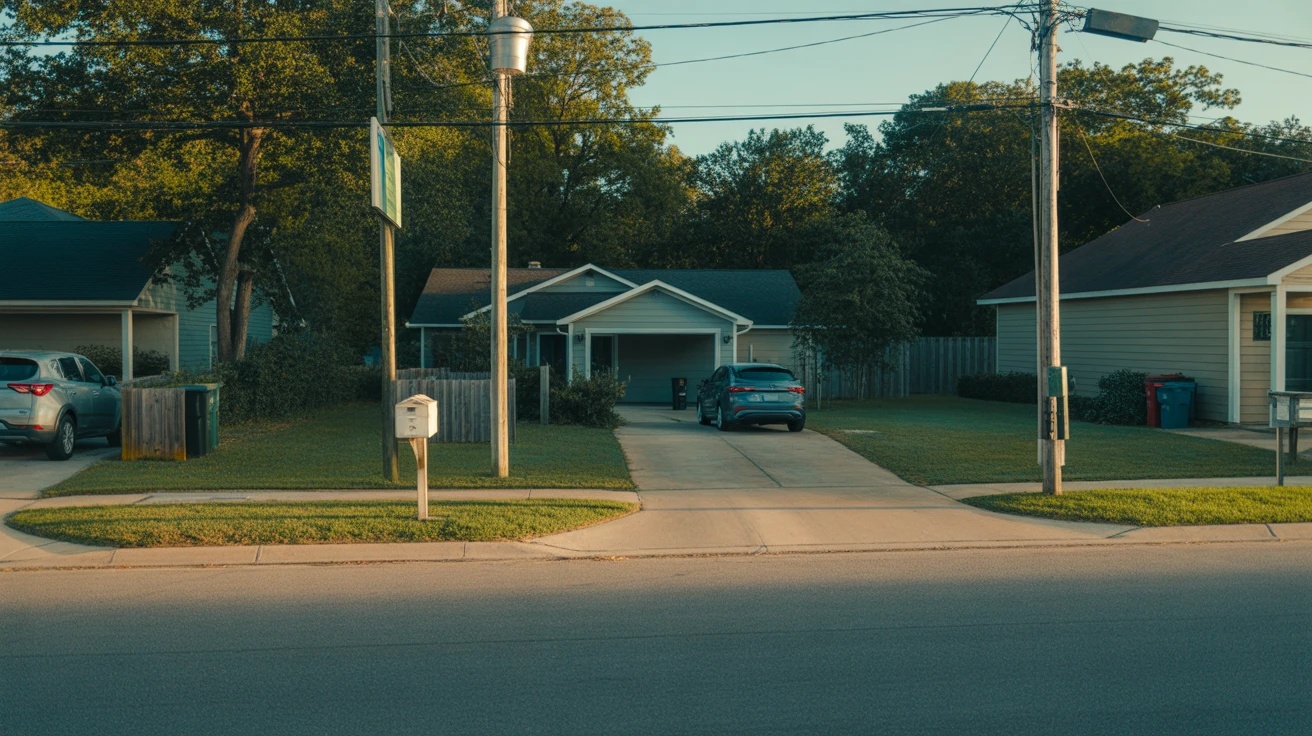
Comfort in La Vergne isn’t about luxury. It’s about having enough margin that you’re not constantly negotiating between paying rent on time, filling the gas tank, and keeping the air conditioning on during July. It means being able to choose a place to live based on what you want, not just what you can afford. It means your commute is a known cost, not a source of monthly anxiety.
For most people, comfort also means having some control over time. La Vergne is a place where 53.0% of workers have what the Census defines as a long commute, and only 12.4% work from home. That means the majority of households are spending significant time in the car, and that time compounds. It’s not just the fuel cost—it’s the wear on the vehicle, the mental load, and the shrinking window for anything else.
Comfort here also means being able to absorb seasonal swings. Electricity rates are 12.87¢/kWh, and cooling a home through a Tennessee summer isn’t optional. Households that feel comfortable are the ones who can run the AC without checking the thermostat obsessively, who can handle an unexpectedly high utility bill without rearranging other expenses.
Finally, comfort is contextual. A single adult might feel fine in a one-bedroom apartment near a bus line, even if walkable errands are limited. A family with two kids might feel trapped in the same income bracket, needing more space, better school access, and a second car.
Where Income Pressure Shows Up First
Housing is the first place most people feel the squeeze. The median rent of $1,603 per month is manageable for a household earning around $77,000, but it leaves less room than it appears. Rent alone takes up roughly 25% of gross monthly income at that level, which is within traditional affordability guidelines—but only if nothing else goes wrong.
The pressure intensifies because La Vergne’s housing stock is largely low-rise and spread out. There aren’t many walkable, compact neighborhoods where you can trade space for convenience. Most rentals and homes assume car ownership, and that assumption has a cost. Owning a vehicle, insuring it, fueling it at $3.59 per gallon, and maintaining it adds up quickly, especially when the average commute is 30 minutes and many people drive farther.
Utilities add another layer of volatility. Summers in Tennessee are long and hot, and cooling costs dominate household budgets from May through September. Households that are already stretched on housing and transportation often find that a high utility month tips them into overdraft or forces them to defer other spending.
For families, the pressure compounds. La Vergne has limited family infrastructure—school density and playground density both fall below typical thresholds, meaning parents often have to drive kids to activities, appointments, and school events. That’s more time, more fuel, and more logistical complexity. Families also need more space, which pushes them toward higher rents or home purchases, and they’re more likely to need a second vehicle.
The result is that households at similar income levels experience very different financial realities depending on their size, flexibility, and expectations.
How the Same Income Feels Different by Household
A single adult earning $50,000 gross annually might feel reasonably comfortable in La Vergne. Rent for a one-bedroom apartment is manageable, and if they work locally or have a predictable commute, transportation costs stay contained. The main friction points are social and logistical: La Vergne isn’t a place where you can walk to dinner or meet friends without planning. Errands cluster along commercial corridors, so even routine tasks require driving. But financially, the pressure is moderate.
A couple without children, earning a combined $75,000, often has more breathing room. They can split rent and transportation costs, and they have more flexibility to choose where they live based on commute tradeoffs. If one partner works from home or has a short commute, the household can absorb the cost of the other partner driving farther. They’re also more likely to feel comfortable in a smaller space, which keeps housing costs lower. The main challenge is time: if both partners are commuting, the household loses significant hours each week to driving.
A family with two kids, earning $85,000, faces compounding pressure despite a higher income. They need a larger home or apartment, which pushes rent or mortgage costs higher. They almost certainly need two vehicles, which doubles transportation expenses. School and childcare logistics require more driving, more planning, and more time. Utility bills are higher because the household is larger and the space is bigger. And because La Vergne has limited parks, playgrounds, and walkable family amenities, even weekend activities often require a drive.
The same income doesn’t produce the same experience. Comfort depends on household size, flexibility, and how much time and logistical complexity you’re willing to absorb.
The Comfort Threshold (Qualitative)
There’s a point where financial pressure eases—not because you’re wealthy, but because you have enough margin that monthly expenses stop dictating every decision. In La Vergne, that threshold isn’t a number. It’s a set of conditions.
You’ve crossed the comfort threshold when you can choose your housing based on what you want, not just what you can afford. When you can absorb a high utility month without panic. When your commute is a known cost, not a variable that threatens your budget. When you can say yes to an unplanned expense—a car repair, a medical bill, a school event—without rearranging everything else.
For most households, this threshold also means having some savings. Not a lot, but enough that a single bad month doesn’t spiral. It means being able to think about the future—whether you’ll stay in La Vergne, whether you’ll buy a home, whether you’ll change jobs—without feeling trapped by immediate financial constraints.
Households below this threshold are functional but fragile. They’re paying their bills, but they’re one surprise away from stress. Households above it have options. They can negotiate tradeoffs—more space versus shorter commute, newer car versus lower monthly payment—without feeling like every choice is a risk.
The threshold is higher for families than for single adults, and it’s higher for anyone who values walkability, convenience, or time over space and driving. La Vergne rewards households that are comfortable with car dependency, longer commutes, and planning ahead for errands. It’s harder on households that need spontaneity, walkable access, or tightly packed daily logistics.
Why Online Cost Calculators Get La Vergne Wrong
Most cost-of-living calculators will tell you that La Vergne is affordable. They’ll add up rent, utilities, transportation, and groceries, produce a monthly total, and compare it to your income. The math will look fine. But the math doesn’t explain why people feel surprised after moving here.
The problem is that calculators treat all costs as equivalent. They assume that if you can afford the rent, you can afford the lifestyle. But in La Vergne, the cost structure is shaped by time and logistics as much as by dollars. A household that can technically afford the rent might still feel financially strained because they’re spending more on transportation than expected, or because the time cost of commuting and errands reduces their ability to manage other parts of life.
Calculators also assume that housing, transportation, and utilities are independent variables. In reality, they’re deeply connected. If you choose cheaper housing farther from work, your transportation costs rise. If you choose housing closer to Nashville to shorten your commute, your rent rises. If you try to save on cooling costs by keeping the thermostat high, you’re trading money for comfort in a climate where summer heat is relentless.
Finally, calculators don’t account for infrastructure. They don’t tell you that La Vergne has limited walkable errands, that family amenities are sparse, or that most daily tasks require a car. They don’t explain that the regional price parity index of 97 suggests costs slightly below the national average, but that the savings are unevenly distributed—you’ll pay less for housing than in Nashville, but you’ll spend more time and money getting anywhere.
The result is that people arrive expecting affordability and discover friction. The budget works, but the lifestyle doesn’t feel as easy as the numbers suggested.
How to Judge Whether Your Income Fits La Vergne
Instead of asking “Can I afford La Vergne?” ask yourself these questions:
How sensitive are you to housing tradeoffs? La Vergne offers relatively affordable rent and home prices compared to Nashville, but most housing assumes car ownership and longer commutes. If you need walkable access to daily errands, or if you’re used to urban density, you’ll feel the limitations quickly. If you’re comfortable driving everywhere and planning ahead, the tradeoff works.
Can you absorb seasonal utility swings? Cooling costs dominate the summer months, and electricity rates are moderate but not low. If a $50 or $100 spike in your utility bill would force you to cut other spending, you’re too close to the edge. Comfort in La Vergne requires enough margin to handle seasonal volatility without stress.
Is time or money your limiting factor? La Vergne saves you money compared to Nashville, but it costs you time. The average commute is 30 minutes, and more than half of workers have long commutes. If your income is tight but your time is flexible, that tradeoff might work. If you’re already stretched thin on time—especially if you’re managing family logistics—the time cost compounds quickly.
How much flexibility do you expect month to month? La Vergne works well for households with predictable expenses and stable income. It’s harder on households that need financial flexibility—people with variable income, irregular work schedules, or frequent unplanned expenses. The infrastructure here assumes you can plan ahead, own a car, and absorb some volatility. If you can’t, the friction adds up.
Do you value spontaneity or routine? La Vergne rewards routine. Errands cluster along commercial corridors, so you learn where things are and plan accordingly. Social life requires driving and coordination. If you thrive on spontaneity—walking to a coffee shop, running a quick errand on foot, meeting friends without planning—you’ll feel the limitations. If you’re comfortable with routine and planning, the structure works.
Your income matters, but these questions matter more. La Vergne can work well for some households—but only if expectations match reality.
FAQs About Living Comfortably in La Vergne
Is $60,000 a year enough to live comfortably in La Vergne?
For a single adult or a couple without children, $60,000 gross annually can work, especially if you’re comfortable with car dependency and modest housing. You’ll have enough margin to cover rent, transportation, and utilities, but not much room for surprises. For a family, $60,000 is tight—you’ll be managing tradeoffs constantly, and any unexpected expense will strain the budget.
How does La Vergne compare to living in Nashville?
La Vergne is less expensive than Nashville, particularly for housing. Rent and home prices are lower, and the regional price parity index suggests costs slightly below the national average. But you’re trading money for time and convenience. Most people who live in La Vergne commute to Nashville for work, and the time cost is significant. You’ll also have less walkable access to restaurants, entertainment, and services. The savings are real, but so are the tradeoffs.
Do you need two cars to live in La Vergne?
Most households need at least one car, and many families need two. La Vergne has bus service, but transit options are limited, and most daily errands require driving. If both adults in a household work, or if you have children with school and activity schedules, a second car often becomes necessary. That’s a significant cost—insurance, fuel, maintenance—and it’s one that many people underestimate when they move here.
What’s the biggest surprise people face after moving to La Vergne?
The time cost. People expect to save money compared to Nashville, and they do. But they don’t always expect how much time they’ll spend in the car—commuting, running errands, managing family logistics. The infrastructure here assumes you’ll drive everywhere, and that assumption shapes daily life in ways that aren’t obvious until you’re living it.
Can you live in La Vergne without a car?
It’s difficult. Bus service exists, but it’s limited, and most housing, jobs, and services are spread out in ways that assume car ownership. A small number of people manage by working locally, using rideshares, and planning carefully, but it’s not the norm. If you’re considering La Vergne without a car, you’ll need to be very intentional about where you live and work, and you’ll still face significant limitations.
How this article was built: In addition to public economic data, this article incorporates location-based experiential signals derived from anonymized geographic patterns—such as access density, walkability, and land-use mix—to reflect how day-to-day living actually feels in La Vergne, TN.