
Budgeting Smarter in La Vergne
How far does $4,000/month actually go? In La Vergne, the answer depends less on what you earn and more on how costs stack—and which ones you can control. Understanding the monthly budget in La Vergne means recognizing that this city doesn’t punish you with extreme housing prices or utility rates, but it does demand careful attention to the friction costs that accumulate after move-in. With median gross rent at $1,603 per month and median household income at $77,531 per year, the numbers suggest modest pressure—but newcomers consistently underestimate how transportation exposure, seasonal utility swings, and administrative fees layer onto the baseline.
What catches people off guard isn’t a single shocking bill. It’s the realization that La Vergne’s budget structure rewards planning and punishes autopilot spending. The city sits in a moderate cost environment (regional price parity index of 97, slightly below the national baseline), but the 53.0% long commute percentage signals that many households face meaningful transportation costs. Meanwhile, food and grocery options cluster along corridors rather than spreading evenly, which means errands require intentional routing rather than spontaneous stops. The budget here isn’t oppressive—it’s just less forgiving of disorganization than it first appears.
A Simple Budget Map: How Costs Behave by Household Type
The table below illustrates how cost behavior and exposure differ by household type in La Vergne. It does not estimate what each household spends, but rather describes the stability, volatility, and control dynamics within each category.
| Category | Jasmine (single renter) | Sam & Elena (couple) | Ortiz family (2 kids, owners) |
|---|---|---|---|
| Housing (Rent or Mortgage) | Fixed monthly; $1,603 median rent provides baseline stability | Shared fixed cost; mortgage or rent split reduces per-person exposure | Mortgage fixed but property tax and insurance add volatility; median home value $248,300 |
| Utilities | Seasonal; electricity at 12.87¢/kWh means moderate summer AC exposure in smaller space | Efficiency-sensitive; shared thermostat and appliance load smooth costs | Size-sensitive; larger home amplifies heating (natural gas $11.31/MCF) and cooling loads across seasons |
| Food (Groceries + Eating Out) | Flexible but corridor-clustered; errands require routing, limits spontaneous top-ups | Shared planning reduces per-person cost; bulk buying viable with storage | Volume-driven; four-person household magnifies grocery frequency and waste sensitivity |
| Transportation | Commute-dependent; 30-minute average, 53% long commute rate, gas at $3.59/gal | Exposure-driven; two commuters double fuel and maintenance footprint unless schedules align | Commute-dependent plus kid logistics; school, activities, and errands layer onto work travel |
| Fees / Friction Costs | Minimal admin; trash, water/sewer often bundled or landlord-managed | Moderate; renters face fewer fees, owners begin encountering HOA or service contracts | Admin-heavy; HOA dues, lawn service, HVAC maintenance, trash coordination add episodic costs |
| Discretionary (life + surprises) | Flexible; solo discretionary compressed by fixed rent share | Shared discretionary; two incomes create buffer if both employed | Discretionary-compressed; kid expenses (activities, clothing, school) claim flexible dollars first |
| What Changes This Most | Commute distance and apartment efficiency | Whether both partners commute and housing choice (rent vs own) | Commute footprint, home size, and kid activity intensity |
Methodology: This guide uses only city-level figures provided in the IndexYard data feed for 2026. Where exact category totals aren’t provided, categories are described directionally to show budget behavior rather than a receipt-accurate total.
The Real Cost Drivers in La Vergne
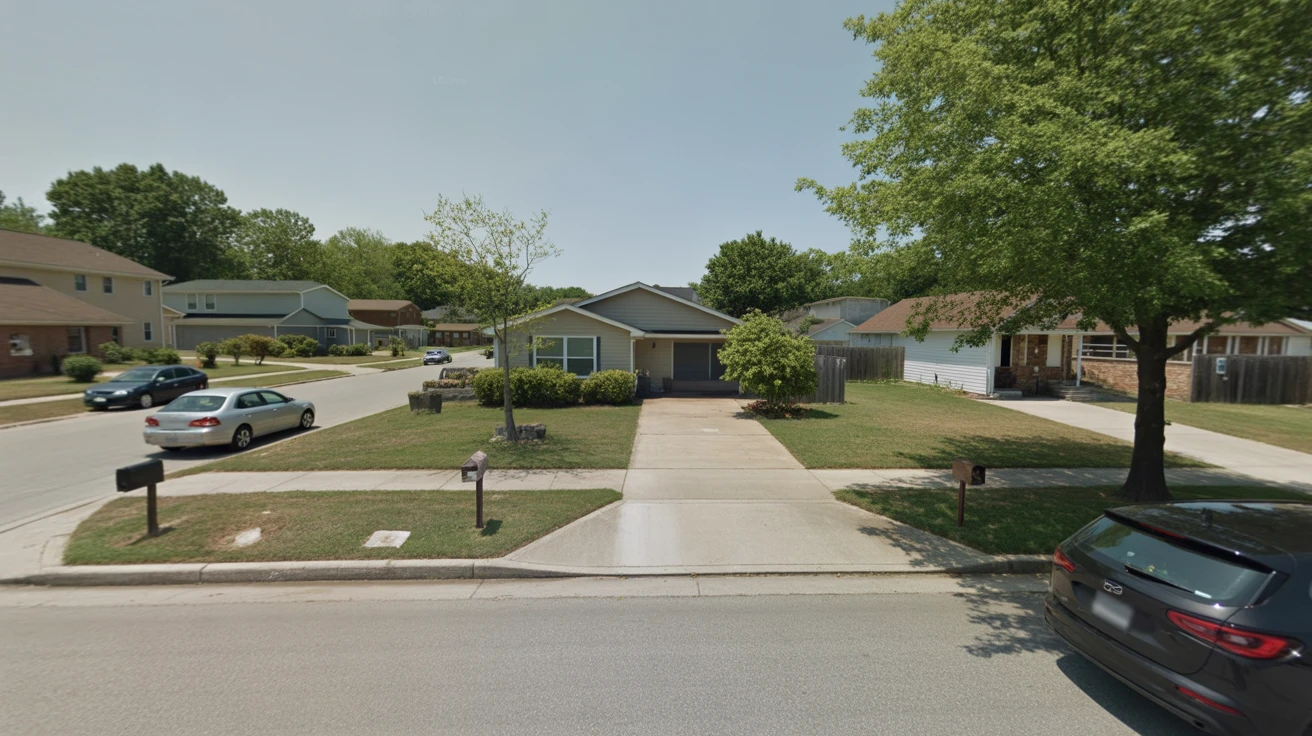
In La Vergne, the budget stress point is rarely one big bill—it’s the stack of small “friction” costs that show up after move-in. Housing anchors the budget: renters face a median of $1,603 per month, while owners navigate mortgage payments on a median home value of $248,300, plus property tax and insurance volatility that renters avoid. But housing is predictable. What shifts month-to-month is the interaction between transportation, utilities, and the errands infrastructure.
Transportation exposure in La Vergne is material. With an average commute of 30 minutes and 53.0% of workers facing long commutes, many households depend on personal vehicles. Gas sits at $3.59/gal, and assuming a standard work schedule and typical commuter distance of 25 miles round trip at 25 MPG, illustrative monthly fuel cost for one commuter runs roughly $78 (for context, before tolls or maintenance). Couples with two commuters double that exposure unless schedules or carpooling align. The city offers bus service, but the infrastructure supports car dependency as the baseline. Walkable pockets exist—pedestrian-to-road ratio exceeds high thresholds in parts of the city—but food and grocery options cluster along corridors rather than distributing evenly, which means errands require intentional routing rather than convenient detours.
Utilities add seasonal texture. Electricity rates of 12.87¢/kWh sit in a moderate band nationally, but La Vergne’s climate drives extended cooling seasons with hot, humid summers. Assuming typical household usage of 1,000 kWh/month, illustrative electricity cost runs around $129 monthly (for context, before fees). Heating months bring natural gas exposure at $11.31/MCF; assuming 1 MCF/month during heating season, that adds roughly $11 monthly in winter (illustrative, before distribution charges). Larger homes amplify both cooling and heating loads, while renters in smaller units face lower absolute costs but less control over efficiency upgrades. The variability isn’t extreme, but it’s enough to compress discretionary spending during peak months if not anticipated.
Common friction costs in La Vergne include:
- HOA or association dues: Many subdivisions carry monthly fees covering lawn maintenance, common area upkeep, or trash service; structures vary widely.
- Trash and recycling: Billing structures differ by housing type; renters often see this bundled, while owners may contract separately or pay via HOA.
- Water and sewer: Typically billed separately for owners; renters may see this included in rent or charged as a flat monthly fee.
- Parking and permits: Generally not a major cost factor in La Vergne’s low-rise, car-oriented layout.
- Seasonal upkeep: HVAC servicing before summer and winter, lawn care during growing season, and occasional storm prep (humidity and heat stress systems).
The insight: La Vergne doesn’t hit you with one overwhelming expense, but it does require you to track the small, recurring charges that don’t appear on a lease summary or mortgage estimate. Households that budget only for rent, utilities, and groceries routinely underestimate by the time they add transportation fuel, trash service, internet, and the episodic costs of maintaining a car-dependent lifestyle in a low-rise, spread-out city.
How Households Keep the Budget Under Control (Without Living Like a Monk)
Keeping a monthly budget functional in La Vergne isn’t about deprivation—it’s about controlling exposure to the categories that swing month-to-month. The households that avoid budget stress don’t necessarily earn more; they structure their spending to minimize volatility and maximize predictability. That means choosing housing within a tolerable commute radius, timing errands to cluster stops along existing routes, and using seasonal utility swings as a planning signal rather than a surprise.
Transportation is the most controllable variable for many households. Commute distance directly determines fuel spend, and because 53.0% of workers face long commutes, small changes in route or schedule produce measurable relief. Carpooling, even part-time, cuts per-person fuel costs and reduces vehicle wear. Timing errands to align with commute paths reduces redundant trips, which matters in a city where grocery and food options cluster along corridors rather than distributing evenly. Remote work, where viable, eliminates commute exposure entirely; 12.4% of workers in La Vergne work from home, a figure that reflects both opportunity and limitation.
Utilities respond to behavior more than most people expect. Running the thermostat a few degrees warmer in summer and cooler in winter reduces electricity and natural gas draw without requiring equipment upgrades. Larger homes face size-driven exposure, but even renters in smaller units benefit from closing vents in unused rooms, using fans to circulate air, and shifting high-energy tasks (laundry, dishwashing) to off-peak hours when possible. The goal isn’t to suffer through temperature extremes—it’s to reduce the margin by which peak-month bills exceed baseline, smoothing the budget across the year.
Practical tactics that work in La Vergne:
- Cluster errands geographically: Plan grocery, pharmacy, and retail stops along a single corridor to avoid redundant driving.
- Track fuel spend weekly: Small changes in commute frequency or route become visible faster, allowing mid-month adjustments.
- Pre-fund seasonal utility spikes: Set aside a small amount monthly during moderate-cost months to cover summer AC or winter heating peaks.
- Negotiate or bundle services: Internet, trash, and lawn care often allow for annual contracts or bundled pricing that reduces per-month cost.
- Use grocery price anchors: Track a few staple items (eggs at $2.42/dozen, milk at $3.91/half-gallon, ground beef at $6.54/lb) to detect when a store’s pricing shifts and adjust shopping location accordingly.
- Maintain your car proactively: Regular oil changes, tire pressure checks, and air filter replacements reduce fuel consumption and prevent expensive emergency repairs.
- Leverage walkable pockets when possible: Parts of La Vergne support pedestrian activity; if you live or work near one, short errands on foot reduce fuel burn and vehicle wear.
- Review recurring subscriptions quarterly: Streaming services, app subscriptions, and auto-renewing memberships quietly claim discretionary dollars; periodic audits recover budget margin.
How Day-to-Day Living Actually Works in La Vergne
Understanding La Vergne’s budget structure requires recognizing how the city’s physical layout shapes daily behavior. This isn’t a place where you walk out your door and stumble into a grocery store or grab transit on a whim. Food and grocery options exist, but they cluster along commercial corridors rather than distributing evenly across neighborhoods. That means errands require intentional planning: you don’t make spontaneous stops, you batch trips. If you forget an ingredient or need a last-minute item, it’s a deliberate drive, not a five-minute detour.
The city offers bus service, which provides a baseline transit option, but the pedestrian-to-road ratio tells a more textured story. In parts of La Vergne, walkable infrastructure exceeds typical suburban thresholds—sidewalks, crossings, and pedestrian paths create pockets where walking is viable for short trips. But those pockets don’t eliminate car dependency; they reduce it selectively. If you live near one of these areas and work nearby, you might walk to a coffee shop or a park. If your commute stretches 30 minutes and your grocery store sits two miles away on a commercial strip, you’re driving. The infrastructure supports both realities, but the default is still car-first.
For families, this structure adds logistical weight. School drop-offs, activity pickups, and errands don’t chain together easily when destinations scatter across low-rise, car-oriented development. Both school density and playground density fall below thresholds, meaning families often drive to access these resources rather than walking. Clinics are present for routine healthcare, but there’s no hospital in the immediate area, so serious medical needs require travel. The result isn’t hardship—it’s friction. Every task requires a vehicle, a plan, and time. Households that thrive here build routines that minimize redundant trips and accept that convenience costs either time or fuel.
FAQs About Monthly Budgets in La Vergne (2026)
Is $4,000 per month enough to live in La Vergne?
It depends on household size and commute exposure. A single renter paying $1,603 in rent has meaningful margin for utilities, transportation, and discretionary spending. A family of four faces higher housing costs (mortgage on a median home value of $248,300), larger utility bills, and compounded transportation exposure if both adults commute. The number works for some households and compresses others.
What’s the biggest budget surprise in La Vergne?
Transportation. The 53.0% long commute rate means many households underestimate fuel and vehicle maintenance costs. Gas at $3.59/gal adds up quickly when commutes stretch beyond 25 miles round trip, and the car-dependent layout means most errands require driving. Households that budget only for rent and utilities routinely find transportation claiming more discretionary dollars than expected.
How much do utilities actually swing between seasons in La Vergne?
Electricity rates of 12.87¢/kWh and natural gas at $11.31/MCF sit in moderate bands, but seasonal usage drives the variability. Extended cooling seasons push summer bills higher, while winter heating adds natural gas exposure. Larger homes amplify both swings. The volatility isn’t extreme, but it’s enough to compress discretionary spending during peak months if not anticipated.
Are there affordable grocery options in La Vergne?
La Vergne Grocery Pressure: Where Costs Add Up shows that food and grocery options cluster along corridors rather than spreading evenly. Prices for staples like eggs ($2.42/dozen), milk ($3.91/half-gallon), and ground beef ($6.54/lb) reflect moderate regional pricing, but the corridor-clustered layout means you’ll drive to shop. Batching trips and comparing prices across stores reduces per-item cost, but convenience requires either proximity or planning.
How does La Vergne compare to nearby cities for monthly budget pressure?
La Vergne’s regional price parity index of 97 sits slightly below the national baseline, meaning costs run modestly lower than the national average. Median rent of $1,603 and median household income of $77,531 suggest moderate pressure, but the 53.0% long commute rate and car-dependent layout shift budget weight toward transportation. Households comparing nearby cities should evaluate commute distance, La Vergne Housing Pressure: Availability, Competition, Compromises, and whether walkable pockets align with daily needs.
Planning Your Next Step
The monthly budget in La Vergne hinges on three drivers: housing (predictable but significant), transportation (variable and commute-dependent), and utilities (seasonal but manageable). The city doesn’t punish you with extreme costs, but it does reward households that plan routes, track fuel spend, and anticipate seasonal swings. Renters face lower administrative friction; owners navigate property tax, insurance, and maintenance volatility. Families absorb compounded transportation and logistics exposure; singles and couples control more variables.
If you’re planning a move or evaluating whether your current budget holds, start with housing tradeoffs—rent versus own, proximity to work, and access to walkable pockets. Then model your commute: How Transportation Works in La Vergne clarifies how car dependency, bus service, and pedestrian infrastructure interact. Finally, map your errands footprint using grocery pressure to understand whether your routine aligns with corridor-clustered retail or requires constant driving.
La Vergne’s budget isn’t a trap—it’s a structure. The households that struggle are the ones that assume convenience and discover friction. The households that thrive are the ones that build routines around the city’s actual layout, control the variables they can, and accept the ones they can’t. If you know what drives your costs and where your margin lives, the budget works. If you’re guessing, it compresses fast.
How this article was built: In addition to public economic data, this article incorporates location-based experiential signals derived from anonymized geographic patterns—such as access density, walkability, and land-use mix—to reflect how day-to-day living actually feels in La Vergne, TN.