
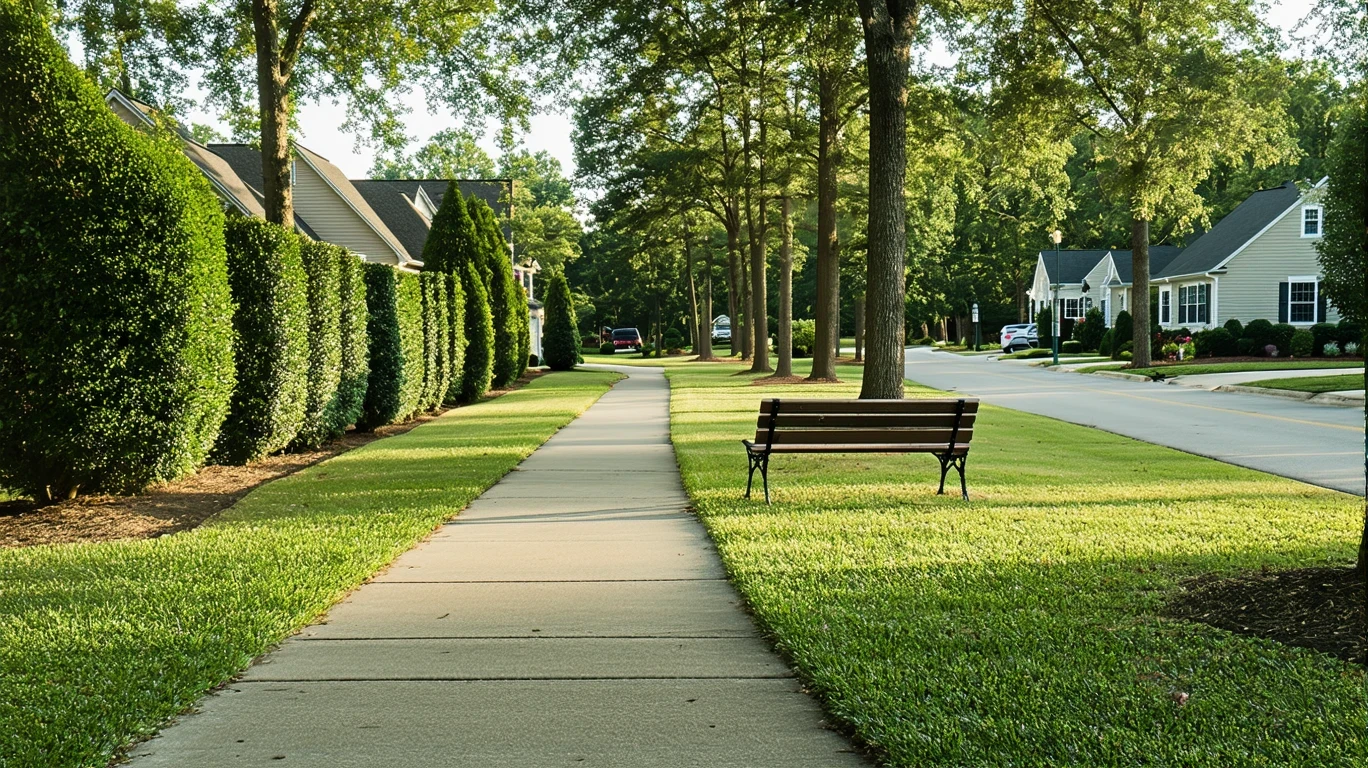
Which city gives you more for your money? For families and professionals weighing a move within the Atlanta metro, Kennesaw and Smyrna sit close enough on the map to share a commute zone—but far enough apart in cost structure to change how the same paycheck feels. Both cities offer strong family infrastructure, access to parks, and a mix of residential and commercial development. The decision between them isn’t about finding the cheaper option overall; it’s about understanding where cost pressure shows up, which expenses dominate your household, and whether you’re more exposed to housing entry barriers, ongoing transportation friction, or day-to-day errand logistics in 2026.
Kennesaw and Smyrna attract similar household types—young families, dual-income couples, and professionals seeking suburban stability near Atlanta—but the cities distribute financial pressure differently. Kennesaw offers a lower entry point for homeownership and moderate rent, but households face longer commutes and must plan around grocery and errand access concentrated along corridors. Smyrna presents higher upfront housing costs but delivers stronger errand accessibility, bus service, and hospital presence, reducing friction in daily logistics. The better fit depends on whether your household prioritizes predictable access and convenience or tolerates planning complexity in exchange for lower initial housing exposure.
This comparison explains how housing, utilities, groceries, transportation, and fees behave differently in each city, and which households feel those differences most acutely. It does not calculate total cost of living or declare a winner. Instead, it clarifies the tradeoffs that matter when the same income must stretch across different cost structures.
Housing Costs: Entry Barriers vs Ongoing Obligations
Housing costs in Kennesaw and Smyrna reflect different market pressures and household access strategies. Kennesaw’s median home value sits at $262,000, while Smyrna’s reaches $380,100—a structural difference that changes who can enter the ownership market and what ongoing obligations follow. Kennesaw’s lower entry threshold opens homeownership to households with smaller down payments or tighter debt-to-income ratios, while Smyrna’s higher valuation concentrates ownership among households with stronger equity positions or dual incomes. The gap isn’t just about price; it’s about which households can access single-family homes, how much flexibility remains after the mortgage payment, and whether appreciation potential offsets higher initial exposure.
Rental markets in both cities serve different needs. Kennesaw’s median gross rent stands at $1,673 per month, while Smyrna’s reaches $1,553 per month. Kennesaw’s rental stock tends toward larger units and single-family rentals in neighborhoods farther from commercial corridors, appealing to families prioritizing space and school access. Smyrna’s rental market includes more apartments and townhomes near mixed-use areas, where grocery density and transit stops reduce car dependency. Renters in Kennesaw may find more square footage per dollar but face longer drives to work and errands. Renters in Smyrna trade some space for walkable access to daily needs and bus routes, lowering transportation friction even as base rent remains competitive.
For first-time buyers, Kennesaw’s lower home values reduce the cash required at closing and shrink monthly mortgage obligations, leaving more room for utilities, transportation, and savings. Families seeking three-bedroom homes with yards will find Kennesaw’s inventory more accessible without stretching into higher price bands. Smyrna’s higher entry costs appeal to households already holding equity from a prior sale or those prioritizing proximity to healthcare, denser grocery options, and established transit infrastructure. Long-term owners in Smyrna may benefit from stronger price stability tied to urban amenities, while Kennesaw homeowners accept more variability in exchange for lower baseline exposure. The housing decision hinges on whether your household is more constrained by upfront capital or ongoing cash flow, and whether you value space and entry affordability over embedded access and convenience.
Housing takeaway: Kennesaw favors households sensitive to entry barriers and those prioritizing larger homes and family-oriented neighborhoods, even if it means longer commutes and errand planning. Smyrna fits households willing to absorb higher purchase prices in exchange for embedded errand accessibility, transit presence, and healthcare proximity. Renters face a similar tradeoff: Kennesaw offers more space; Smyrna offers more friction reduction in daily logistics.
Utilities and Energy Costs: Predictability vs Seasonal Swings
Utility costs in Kennesaw and Smyrna behave similarly in structure but differ slightly in rates and exposure depending on housing type and household size. Kennesaw’s electricity rate sits at 14.46¢/kWh, while Smyrna’s stands at 14.42¢/kWh—a negligible difference that won’t meaningfully change monthly bills for identical usage. Natural gas pricing shows more separation: Kennesaw’s rate is $15.63/MCF, compared to Smyrna’s $18.94/MCF. For households relying on gas heating during winter months, Smyrna introduces modestly higher exposure, particularly in older single-family homes with less efficient HVAC systems. The difference matters most for larger homes where heating demand scales with square footage and insulation quality.
Both cities experience hot, humid summers that drive extended cooling seasons, making air conditioning the dominant utility cost from May through September. Households in single-family homes—more common in Kennesaw’s housing stock—face higher baseline cooling exposure than apartment dwellers in Smyrna’s denser developments, where shared walls and smaller footprints reduce per-unit energy demand. Kennesaw’s larger homes and yards appeal to families but translate into higher summer electricity bills and more volatile seasonal swings. Smyrna’s mix of low-rise apartments and townhomes offers more predictable utility costs for smaller households, though single-family homeowners in Smyrna still encounter the same cooling pressure as their Kennesaw counterparts.
Utility cost exposure varies significantly by household size and housing form. Single adults in Smyrna apartments may see stable, manageable bills year-round, with minimal heating needs and moderate cooling loads. Families in Kennesaw’s three- and four-bedroom homes experience sharper seasonal peaks, particularly if the home was built before modern efficiency standards took hold. Older construction in both cities—common in established neighborhoods—introduces higher baseline usage and less insulation, amplifying the impact of rate differences. Newer builds reduce volatility but remain sensitive to household behavior: leaving thermostats low in summer or high in winter, running multiple appliances, or cooling unused rooms all push bills higher regardless of city.
Utility takeaway: Kennesaw and Smyrna share similar electricity exposure, but Smyrna’s higher natural gas rates add modest pressure for households heating larger homes in winter. Families in single-family homes face more volatility in both cities due to cooling dominance and square footage. Apartment dwellers in Smyrna enjoy more predictable utility costs, while Kennesaw homeowners accept seasonal swings in exchange for more living space. The primary driver isn’t the city—it’s housing type, home age, and household size.
Groceries and Daily Expenses: Access Density vs Planning Burden
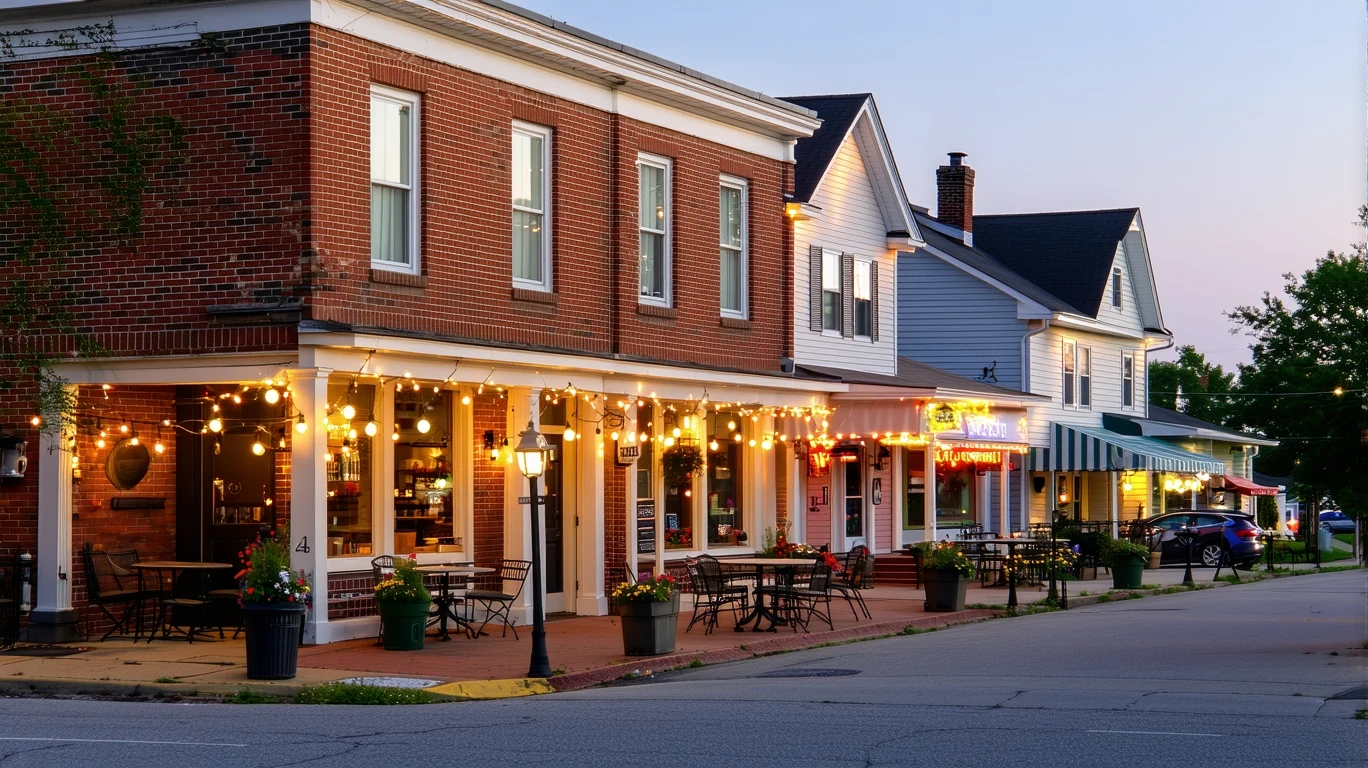
Grocery and daily expense pressure in Kennesaw and Smyrna differs less in price than in access structure and convenience friction. Both cities sit within the same regional price environment, so staple costs—bread, milk, eggs, chicken—track closely across stores. The meaningful difference lies in how densely grocery options cluster and whether households can run errands on foot, by transit, or must drive and consolidate trips. Smyrna’s food and grocery density exceeds high thresholds, meaning multiple supermarkets, discount grocers, and specialty stores sit within short driving or walking distance of most residential areas. Kennesaw’s grocery landscape concentrates along commercial corridors, requiring more intentional trip planning and longer drives for households living in purely residential pockets.
For families managing weekly grocery runs, Smyrna’s denser layout reduces the time cost of shopping and allows for mid-week top-ups without major logistical friction. Kennesaw households often batch errands into fewer, longer trips, which can lower impulse spending but increases reliance on a vehicle and adds commute-like time to routine tasks. Single adults and couples in Smyrna benefit from proximity to quick-service dining, coffee shops, and prepared food options, which can increase convenience spending if not managed intentionally. Kennesaw’s corridor-clustered access means fewer spontaneous stops but also fewer temptations to spend on takeout or premium grocery items outside planned shopping.
Price sensitivity plays out differently depending on household size and shopping habits. Larger families prioritize bulk buying and discount chains, which both cities support through big-box retailers and warehouse clubs. Smyrna’s broader accessibility means families can comparison-shop across multiple stores without adding significant drive time, potentially capturing better per-unit pricing on staples. Kennesaw households may rely more heavily on a single primary grocer, reducing flexibility but simplifying routines. Smaller households—particularly those working long hours—often value convenience over per-item savings, making Smyrna’s dense errand infrastructure a friction reducer even if it doesn’t lower grocery prices directly.
Groceries takeaway: Smyrna fits households that prioritize errand accessibility and time efficiency, even if denser options introduce more convenience spending temptation. Kennesaw works for families comfortable with planned, batched shopping trips and willing to drive farther to consolidate errands. Price differences between the cities are minimal; the real tradeoff is between access density and planning burden, and whether your household values spontaneous flexibility or disciplined routine.
Taxes and Fees: Structural Obligations Beyond Rent and Mortgage
Taxes and recurring fees in Kennesaw and Smyrna add layers of cost that vary by housing type, ownership status, and length of residence. Property taxes in both cities fund schools, infrastructure, and services, but the effective burden depends on assessed home value and millage rates set by local jurisdictions. Kennesaw’s lower median home value translates into lower absolute property tax bills for equivalent housing types, reducing ongoing obligations for homeowners. Smyrna’s higher valuations increase annual property tax exposure, particularly for single-family homes, though the gap narrows for renters whose landlords pass through only a portion of that cost indirectly.
Both cities participate in Georgia’s state sales tax structure, so consumption-based taxes on goods and services remain consistent across the metro. Local fees—trash collection, water, sewer, stormwater management—vary by provider and housing type. Single-family homeowners in both cities typically pay these fees separately, while apartment and townhome renters often see them bundled into rent or HOA dues. Kennesaw’s housing stock includes more single-family developments with HOA fees covering landscaping, amenities, and shared infrastructure, which can add predictability but also rigidity to monthly obligations. Smyrna’s mix of low-rise apartments and older neighborhoods without HOAs offers more variability: some households avoid fees entirely, while others in managed communities face similar structures to Kennesaw.
Homeowners planning to stay several years in Smyrna face higher cumulative property tax exposure due to elevated home values, though appreciation potential may offset that burden if the market remains stable. Kennesaw homeowners enjoy lower baseline tax obligations, leaving more room for discretionary spending or savings. Renters in both cities feel tax pressure indirectly through rent pricing, but the impact is diffused and harder to isolate. Long-term residents benefit from Georgia’s homestead exemptions, which cap assessment increases and reduce volatility, but the initial tax basis still reflects purchase price—favoring Kennesaw entrants with lower starting valuations.
Taxes and fees takeaway: Kennesaw homeowners face lower property tax exposure due to lower median home values, reducing ongoing obligations and improving cash flow predictability. Smyrna homeowners accept higher tax bills tied to elevated valuations, which may be justified by stronger amenity access and potential appreciation. Renters in both cities see minimal direct difference, though Smyrna’s higher home values can indirectly push rents upward in owner-occupied rental stock. The primary driver is ownership status and home value, not city-specific tax policy.
Transportation & Commute Reality
Transportation costs and commute friction differ between Kennesaw and Smyrna in ways that extend beyond fuel prices. Kennesaw’s average commute time sits at 29 minutes, with 44.6% of workers facing long commutes and only 12.7% working from home. This pattern reflects the city’s role as a bedroom community where most residents drive to jobs elsewhere in the metro. Smyrna lacks specific commute data in the feed, but its denser errand accessibility, bus service, and hospital presence suggest a more mixed commute profile, with some residents working locally and others commuting outward. The structural difference isn’t just time—it’s predictability, fuel exposure, and whether your household can reduce car dependency for non-work trips.
Fuel costs in Kennesaw stand at $3.71/gal, compared to Smyrna’s $2.71/gal—a notable gap that amplifies transportation exposure for households driving long distances daily. Kennesaw’s longer average commute and higher long-commute percentage mean more households burn fuel five days a week, making the per-gallon difference meaningful over time. Smyrna’s lower gas price reduces per-trip costs, and its bus service offers an alternative for some commuters, though coverage and frequency determine whether transit is practical for specific routes. Households in Smyrna can also reduce driving for errands due to higher grocery and service density, lowering total miles driven even if work commutes remain car-dependent.
Car dependency shapes household budgets beyond fuel. Kennesaw’s layout and commute patterns mean most households need at least one reliable vehicle, and dual-income families often require two. Maintenance, insurance, registration, and depreciation compound over time, particularly for households driving 15,000+ miles annually. Smyrna’s bus presence and walkable errand pockets allow some households—particularly single adults or couples without children—to operate with one vehicle or rely on transit for secondary trips. The time cost of commuting also matters: Kennesaw’s 29-minute average and high long-commute share mean less flexibility for errands, childcare pickups, or evening activities, indirectly increasing reliance on convenience spending or outsourced services.
Transportation takeaway: Kennesaw households face higher fuel costs and longer commutes, increasing both cash and time exposure for car-dependent routines. Smyrna’s lower gas prices, bus service, and denser errand access reduce transportation friction, particularly for households that can consolidate trips or use transit for non-work travel. The tradeoff isn’t just dollars per gallon—it’s whether your household can absorb commute time and fuel volatility, or whether proximity and transit options justify higher housing entry costs.
Cost Structure Comparison
Housing pressure dominates the cost experience in both Kennesaw and Smyrna, but the nature of that pressure differs. Kennesaw’s lower home values and moderate rents reduce entry barriers and ongoing obligations, fitting households prioritizing space, family infrastructure, and lower baseline exposure. Smyrna’s higher home values front-load cost into ownership entry but deliver embedded access to groceries, healthcare, and transit, reducing friction in daily logistics. Renters face a similar split: Kennesaw offers more square footage; Smyrna offers more convenience and lower transportation dependency.
Utilities introduce modest differences, with Smyrna’s higher natural gas rates adding exposure for households heating larger homes in winter. Both cities share hot, humid summers that drive extended cooling seasons, but Kennesaw’s housing stock skews toward larger single-family homes, amplifying seasonal volatility. Apartment dwellers in Smyrna enjoy more predictable utility costs due to smaller footprints and shared walls. The primary driver isn’t the city—it’s housing type, home age, and household size.
Transportation patterns matter more in Kennesaw, where longer commutes, higher fuel costs, and car-dependent errands compound over time. Smyrna’s lower gas prices, bus service, and denser grocery access reduce both cash and time costs for households that can leverage proximity. For families managing tight schedules, Smyrna’s friction reduction may outweigh the higher housing entry barrier. For households prioritizing lower baseline obligations and willing to plan around commute and errand logistics, Kennesaw’s structure fits better.
Groceries and daily expenses track similarly in price across both cities, but Smyrna’s broader accessibility reduces trip frequency and planning burden. Kennesaw households batch errands into fewer, longer drives, which can lower impulse spending but increases reliance on a vehicle. Taxes and fees follow home values: Kennesaw homeowners face lower property tax exposure; Smyrna homeowners accept higher obligations tied to elevated valuations. The better choice depends on which costs dominate your household—upfront housing capital, ongoing transportation friction, or daily logistics complexity—and whether you value predictability, access, or lower baseline exposure.
How the Same Income Feels in Kennesaw vs Smyrna
Single Adult
For a single adult, housing becomes the first non-negotiable cost, and Kennesaw’s lower rent and home values leave more room for discretionary spending or savings. Flexibility exists in transportation—driving farther for work and errands is manageable when schedules are simpler—but Kennesaw’s car dependency means maintaining a reliable vehicle and absorbing fuel costs at higher per-gallon rates. Smyrna’s denser errand access and bus service reduce friction for someone working locally or willing to consolidate trips, and lower gas prices ease commute exposure even if rent remains competitive.
Dual-Income Couple
A dual-income couple in Kennesaw benefits from lower housing entry costs, freeing capital for furnishings, travel, or retirement contributions. Commute friction becomes more pronounced when both partners drive long distances daily, and the time cost of errands compounds when grocery and service access requires planning. Smyrna’s higher home values tighten upfront budgets, but embedded access to groceries, healthcare, and transit reduces the need for two-car logistics and lowers ongoing transportation exposure. Flexibility disappears faster in Smyrna if housing stretches the budget, but predictability improves when daily routines don’t require constant driving.
Family with Kids
Families in Kennesaw prioritize space, school access, and lower baseline housing costs, accepting longer commutes and car-dependent errands as tradeoffs. Non-negotiable costs include reliable transportation for both parents, higher utility bills in larger homes, and time spent coordinating pickups, activities, and shopping trips. Smyrna’s higher housing entry barrier tightens budgets upfront, but proximity to parks, playgrounds, schools, and healthcare reduces logistical complexity and time pressure. Flexibility exists in Kennesaw through lower monthly obligations; predictability improves in Smyrna through denser access and shorter errand loops, even as housing dominates the cost structure in both cities.
Decision Matrix: Which City Fits Which Household?
| Decision factor | If you’re sensitive to this… | Kennesaw tends to fit when… | Smyrna tends to fit when… |
|---|---|---|---|
| Housing entry + space needs | You need lower upfront costs or prioritize square footage and yards | You value lower home values and moderate rents that reduce entry barriers and baseline obligations | You can absorb higher purchase prices in exchange for embedded access and potential appreciation |
| Transportation dependence + commute friction | You drive long distances daily or need predictable fuel exposure | You accept longer commutes and higher fuel costs in exchange for lower housing pressure | You benefit from lower gas prices, bus service, and denser errand access that reduce total miles driven |
| Utility variability + home size exposure | You want predictable bills or live in a larger home with seasonal swings | You manage cooling-dominated summers in single-family homes with moderate natural gas exposure | You face slightly higher gas heating costs but benefit from smaller footprints in apartments or townhomes |
| Grocery strategy + convenience spending creep | You value time efficiency or prefer batched, planned shopping trips | You consolidate errands into fewer trips along commercial corridors and avoid impulse spending | You prioritize dense grocery access and mid-week flexibility even if proximity tempts convenience purchases |
| Fees + friction costs (HOA, services, upkeep) | You want lower property taxes or predictable recurring obligations | You benefit from lower home values that reduce annual property tax exposure | You accept higher taxes tied to elevated valuations in exchange for amenity access and stability |
| Time budget (schedule flexibility, errands, logistics) | You need to minimize coordination complexity or reduce driving for daily tasks | You tolerate longer drives and planning burden in exchange for lower baseline housing costs | You value shorter errand loops, hospital proximity, and transit options that reduce logistical friction |
Lifestyle Fit: How Place Structure Shapes Daily Routines
Kennesaw and Smyrna both offer strong family infrastructure, with schools and playgrounds meeting density thresholds and parks integrated throughout residential areas. Kennesaw’s pedestrian infrastructure concentrates in pockets, supporting walkability in specific neighborhoods but requiring cars for most errands and commutes. Smyrna’s mixed pedestrian-to-road ratio and bus service create more opportunities for non-car trips, particularly for households living near commercial corridors or transit stops. Both cities blend residential and commercial land use, but Smyrna’s broader grocery and service accessibility reduces the friction of running errands without a vehicle, while Kennesaw’s corridor-clustered layout demands more intentional trip planning.
Healthcare access differs meaningfully between the cities. Kennesaw offers clinics and pharmacies for routine care, but hospital services require travel to neighboring areas. Smyrna’s hospital presence provides emergency and inpatient care locally, reducing stress for families managing chronic conditions, pregnancies, or aging parents. For households prioritizing proximity to comprehensive medical facilities, Smyrna’s infrastructure lowers logistical complexity and time costs. Kennesaw’s clinic-based model works for healthy households with predictable healthcare needs but introduces friction when urgent or specialized care becomes necessary.
Outdoor access in both cities exceeds high thresholds, with parks and water features integrated into neighborhoods. Kennesaw’s green space supports family recreation and weekend activities, though reaching trailheads or larger parks often requires driving. Smyrna’s park density and walkable pockets allow more spontaneous outdoor access, particularly for households with young children or those seeking daily exercise routines without car dependency. Both cities reflect low-rise to mixed building heights, preserving suburban character while supporting denser development near commercial nodes. The lifestyle tradeoff isn’t about amenities—it’s about whether your household values lower housing costs and accepts car-dependent logistics, or prioritizes embedded access and friction reduction even as upfront housing exposure increases.
Quick fact: Kennesaw’s 29-minute average commute and 44.6% long-commute share reflect its role as a bedroom community, while Smyrna’s bus service and denser errands accessibility reduce car dependency for some households.
Quick fact: Smyrna’s hospital presence and high-confidence healthcare access signal lower friction for families managing medical needs, while Kennesaw’s clinic-based model serves routine care but requires travel for emergencies.
Common Questions About Kennesaw vs Smyrna in 2026
Where do housing costs hit harder for first-time buyers in Kennesaw vs Smyrna in 2026?
Smyrna’s median home value of $380,100 creates a higher entry barrier, requiring larger down payments and stronger income documentation. Kennesaw’s $262,000 median home value opens ownership to households with smaller savings or tighter debt ratios, reducing upfront capital pressure and leaving more room for furnishings, moving costs, or emergency reserves.
How does transportation exposure differ between Kennesaw and Smyrna for daily commuters in 2026?
Kennesaw’s 29-minute average commute, 44.6% long-commute share, and $3.71/gal fuel costs increase both time and cash exposure for car-dependent households. Smyrna’s $2.71/gal gas price, bus service, and denser errand access reduce per-trip costs and allow some households to consolidate driving or use transit for non-work travel.
Which city feels more predictable for utility bills in Kennesaw vs Smyrna in 2026?
Electricity rates track closely (14.46¢/kWh in Kennesaw, 14.42¢/kWh in Smyrna), but Smyrna’s higher natural gas price ($18.94/MCF vs $15.63/MCF) adds modest exposure for households heating larger homes in winter. Apartment dwellers in Smyrna enjoy more predictable bills due to smaller footprints, while single-family homeowners in both cities face seasonal cooling volatility.
How does grocery accessibility shape daily routines in Kennesaw vs Smyrna in 2026?
Smyrna’s high food and grocery density allows mid-week shopping, quick top-ups, and errand consolidation without long drives. Kennesaw’s corridor-clustered grocery access requires more planning and batched trips, which can reduce impulse spending but increases car dependency and time spent coordinating errands.
Which households benefit most from Smyrna’s higher housing costs in 2026?
Households prioritizing embedded access to groceries, healthcare, and transit benefit from Smyrna’s structure, particularly dual-income couples or families managing tight schedules who value friction reduction over lower baseline housing costs. Single adults working locally or relying on bus service also gain from Smyrna’s denser layout and lower fuel exposure.
Conclusion
Kennesaw and Smyrna distribute cost pressure differently, and the better fit depends on which expenses dominate your household and whether you prioritize lower entry costs or embedded access. Kennesaw’s lower home values, moderate rents, and family-oriented neighborhoods appeal to households willing to manage longer commutes, car-dependent errands, and planning complexity in exchange for reduced baseline housing obligations. Smyrna’s higher housing entry barrier is offset by denser grocery access, bus service, hospital presence, and lower fuel costs, fitting households that value friction reduction, time efficiency, and proximity to daily needs even as upfront capital requirements increase.
Neither city offers a universal advantage. Kennesaw fits households sensitive to housing entry barriers, prioritizing space and lower ongoing obligations, and comfortable with car-dependent logistics. Smyrna fits households willing to absorb higher purchase prices or competitive rents in exchange for walkable errands, transit options, and comprehensive healthcare access. The decision hinges on whether your household is more constrained by upfront capital, ongoing transportation exposure, or daily logistics complexity—and whether you value predictability through access or flexibility through lower baseline costs. Both cities support families, professionals, and dual-income couples; the tradeoff is structural, not categorical.
How this article was built: In addition to public economic data, this article incorporates location-based experiential signals derived from anonymized geographic patterns—such as access density, walkability, and land-use mix—to reflect how day-to-day living actually feels in Kennesaw and Smyrna.