

Kennesaw and Marietta sit just miles apart in metro Atlanta, sharing the same regional economy, climate, and utility providers—yet the cost experience in each city follows a different structure. Both cities attract families, commuters, and professionals looking for suburban access to Atlanta’s job market, but the pressure points diverge quickly. Kennesaw tends to draw households prioritizing newer housing stock and family-oriented infrastructure, while Marietta offers a more established urban fabric with transit options and hospital access. The decision between them in 2026 isn’t about which city costs less overall—it’s about which cost pressures a household can absorb and which tradeoffs align with daily logistics.
Meet the Chens, a dual-income couple with one young child, debating whether to rent in Kennesaw or Marietta. Both cities feel accessible from their Atlanta workplaces, but they’re trying to understand where their money will go each month and what flexibility they’ll retain. Kennesaw offers lower home prices if they decide to buy later, but rent runs higher now. Marietta’s home values are steeper, but rent is lower, and the presence of bus service could reduce their second-car dependency. They’re not looking for the “cheaper” option—they’re looking for the structure that fits how they actually live.
This comparison explains how housing, utilities, transportation, groceries, and daily logistics create different cost textures in Kennesaw and Marietta, and which households feel those differences most acutely.
Housing Costs
Housing is where Kennesaw and Marietta diverge most visibly, not in total cost but in where the pressure concentrates. Kennesaw’s median home value sits at $262,000, while Marietta’s reaches $376,400—a substantial gap that shapes the entry barrier for buyers. For households planning to purchase, Kennesaw offers a lower threshold to ownership, making it more accessible for first-time buyers or families stretching toward a down payment. Marietta’s higher home values reflect its more established neighborhoods, older housing stock, and proximity to commercial corridors, but that premium translates directly into higher upfront costs and larger mortgage obligations.
Renters face the opposite pattern. Kennesaw’s median gross rent stands at $1,673 per month, compared to Marietta’s $1,372 per month. That difference—over $300 monthly—creates more ongoing cash flow pressure in Kennesaw for households not yet ready to buy. Marietta’s lower rent may reflect a larger supply of older apartment stock or multifamily buildings closer to transit and commercial areas, where rents haven’t climbed as steeply as in Kennesaw’s newer developments. For renters prioritizing monthly flexibility, Marietta’s structure offers more breathing room, while Kennesaw’s higher rent may come with newer construction, more space, or family-oriented complexes.
The housing tradeoff between these cities is fundamentally about timing and household strategy. Buyers sensitive to entry costs will find Kennesaw more accessible, while renters managing tight monthly budgets may prefer Marietta’s lower ongoing obligation. Families planning to stay long-term and build equity may absorb Kennesaw’s higher rent as a temporary step toward ownership, while households uncertain about tenure or prioritizing liquidity may find Marietta’s rental market less constraining. Neither city is universally cheaper—each concentrates housing pressure at a different point in the household lifecycle.
| Housing Type | Kennesaw | Marietta | Pressure Point |
|---|---|---|---|
| Median Home Value | $262,000 | $376,400 | Entry barrier higher in Marietta |
| Median Gross Rent | $1,673/month | $1,372/month | Ongoing obligation higher in Kennesaw |
For the Chens, this split is clarifying. If they rent for two more years while saving for a down payment, Marietta’s lower rent preserves more monthly cash flow. But if they’re ready to buy soon, Kennesaw’s lower home values make ownership more attainable without stretching their budget. The housing decision hinges on whether they’re optimizing for now or later.
Utilities and Energy Costs
Utility costs in Kennesaw and Marietta operate under nearly identical rate structures—both cities pay 14.46¢/kWh for electricity—but the exposure households experience depends more on housing type, size, and age than on the rate itself. Natural gas pricing differs slightly, with Kennesaw at $15.63/MCF and Marietta at $16.56/MCF, but this gap matters primarily during heating months and only for homes relying on gas furnaces. The real driver of utility pressure in both cities is Georgia’s long cooling season, where air conditioning dominates summer bills and creates the most volatility for households in larger or older homes.
Kennesaw’s housing stock skews newer, with more single-family homes built in the past two decades. Newer construction often includes better insulation, more efficient HVAC systems, and tighter building envelopes, which can reduce baseline cooling and heating loads. However, larger homes—common in Kennesaw’s family-oriented developments—still carry higher absolute usage even when efficient, simply due to square footage. Marietta’s older housing stock, including mid-century homes and aging apartment complexes, may experience higher per-square-foot energy use, but smaller unit sizes in multifamily buildings can offset that inefficiency. Renters in Marietta’s older apartments may face unpredictable summer spikes, while Kennesaw homeowners in larger houses face predictable but higher baseline usage year-round.
Household size and daily patterns also shape utility exposure differently in each city. Single adults or couples in Marietta’s smaller rental units may see lower absolute bills despite older infrastructure, while families in Kennesaw’s larger homes will feel the impact of cooling multiple bedrooms, running larger appliances, and managing higher water heating loads. The tradeoff isn’t about which city has cheaper utilities—it’s about whether a household is more exposed to inefficiency (older homes) or scale (larger homes). Kennesaw households gain predictability through newer construction but absorb higher baseline costs; Marietta households may experience more volatility but lower absolute exposure in smaller spaces.
For the Chens, utility costs will depend heavily on what they rent or buy. A newer townhome in Kennesaw might cost more to cool due to size, but the bill will be predictable and manageable with a programmable thermostat. An older duplex in Marietta might cost less in absolute terms but could spike unexpectedly during heat waves if the HVAC system is aging or the insulation is thin. Neither city offers a clear utility advantage—the difference is whether the household prioritizes predictability or minimizing baseline exposure.
Groceries and Daily Expenses
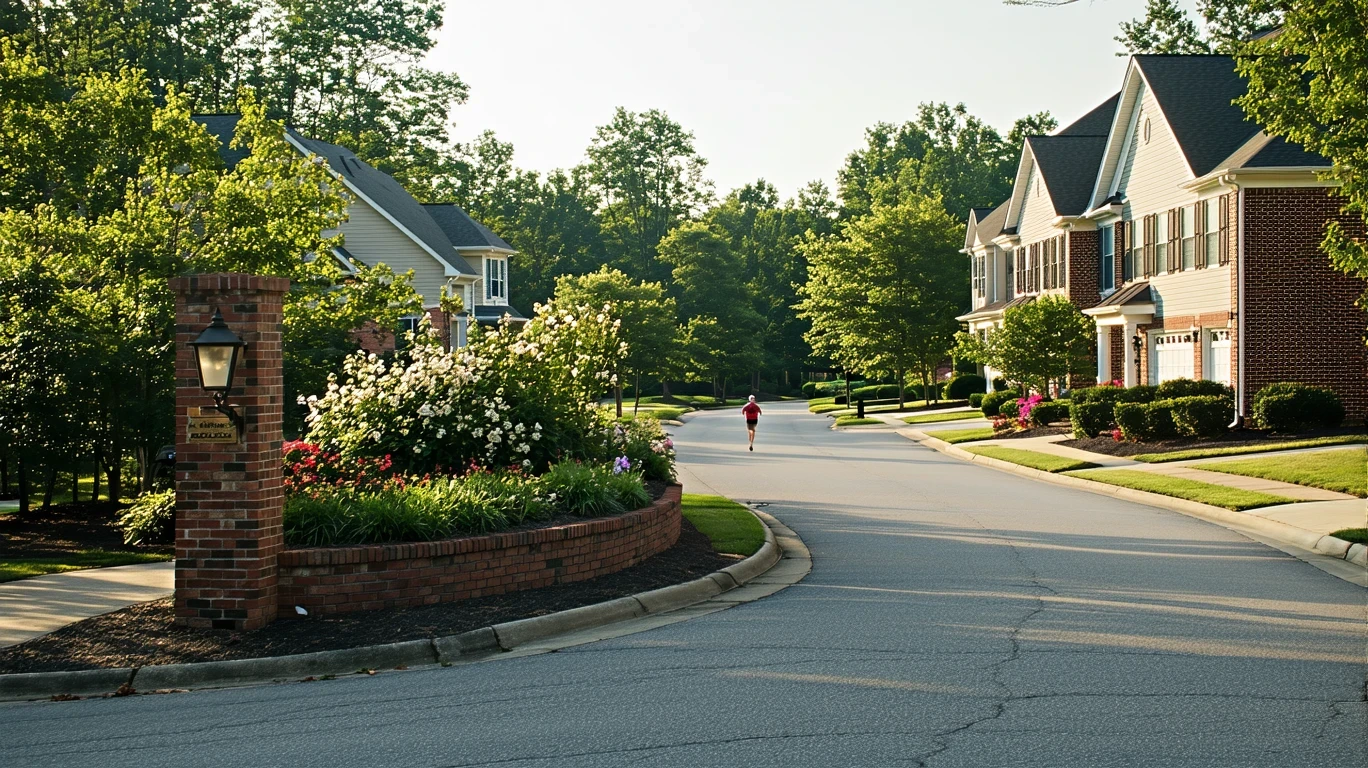
Grocery and everyday spending pressure in Kennesaw and Marietta follows similar pricing structures—both cities sit in metro Atlanta’s broader retail market—but the accessibility of options and the friction involved in running errands creates different cost textures. Both cities show corridor-clustered food and grocery access, meaning that stores and restaurants concentrate along major commercial corridors rather than being evenly distributed throughout neighborhoods. This pattern affects how often households drive, how much they spend on convenience purchases, and whether they can easily comparison-shop or batch errands.
Kennesaw’s grocery landscape includes big-box retailers and chain supermarkets clustered near major intersections, which supports bulk buying and price comparison but requires car trips for most households. The city’s layout favors families who can plan weekly shopping trips and store larger volumes at home, reducing per-unit costs but increasing upfront transportation and time investment. Marietta’s more established commercial corridors offer similar chain access but also include more neighborhood-scale stores, ethnic grocers, and smaller format shops that allow for more frequent, smaller trips. This structure can reduce the need for bulk storage and may lower spoilage for smaller households, but it also creates more opportunities for convenience spending—grabbing takeout, stopping for coffee, picking up a few items at higher per-unit prices.
Dining out and prepared food access also differs in texture. Marietta’s denser commercial corridors and proximity to older retail districts mean more casual dining, fast-casual chains, and independent restaurants within short drives or even walking distance from some neighborhoods. Kennesaw’s newer development pattern concentrates restaurants in shopping centers and along highway corridors, making dining out a more deliberate trip rather than a spontaneous stop. For households prone to convenience spending, Marietta’s accessibility can quietly increase monthly food costs through frequent small purchases, while Kennesaw’s structure imposes more friction that may reduce impulse spending but requires more planning discipline.
Single adults and couples may find Marietta’s accessibility more convenient, allowing them to grab groceries on the way home or pick up dinner without a dedicated trip. Families managing larger grocery volumes will likely prefer Kennesaw’s big-box access and the ability to stock up less frequently, even if it means more driving. The cost pressure isn’t about which city has cheaper groceries—it’s about whether a household’s natural habits align with bulk planning (Kennesaw) or frequent flexibility (Marietta), and whether convenience access becomes a cost driver or a time saver.
Taxes and Fees
Property taxes, local fees, and recurring municipal costs in Kennesaw and Marietta follow similar county-level structures, but the differences emerge in how those costs interact with housing type, tenure, and household services. Both cities sit in Cobb County, which sets the baseline property tax framework, but individual city millage rates, special service districts, and HOA prevalence create different ongoing obligations. Homeowners in both cities will face property taxes tied to assessed home values, meaning Marietta’s higher median home values translate into higher absolute tax bills for buyers, even if the effective rate is similar. Kennesaw’s lower home values reduce that baseline obligation, but newer subdivisions often come with mandatory HOA fees that bundle landscaping, amenities, and sometimes trash or water services.
Renters are insulated from direct property tax exposure, but landlords pass those costs through in rent pricing, and the structure of fees still affects household budgets indirectly. Marietta’s older rental stock may include fewer HOA-managed properties, meaning fewer bundled fees but also more variability in what’s included in rent—some landlords cover water and trash, others don’t. Kennesaw’s newer rental communities often bundle more services into rent or charge separate amenity fees, which can increase transparency but also reduce flexibility. For renters comparing offers, Marietta’s market may require more careful reading of lease terms to understand total monthly obligations, while Kennesaw’s bundled approach makes costs more predictable but harder to unbundle.
Long-term residents and recent movers experience tax and fee pressure differently in each city. Homeowners who bought in Marietta years ago may benefit from assessment caps or slower appreciation in older neighborhoods, keeping tax growth moderate even as home values rise. New buyers in Marietta face immediate exposure to current assessed values, which are substantially higher. Kennesaw’s newer housing stock means fewer legacy homeowners with capped assessments, so recent buyers and long-term residents face more similar tax burdens. However, Kennesaw’s HOA fees—often $50 to $150 monthly depending on the neighborhood—add a recurring cost that doesn’t exist in Marietta’s older, non-HOA neighborhoods.
The tradeoff is between predictability and control. Kennesaw’s HOA fees bundle services and maintain neighborhood standards, but they’re mandatory and can increase annually. Marietta’s lower prevalence of HOAs gives homeowners more control over landscaping and exterior maintenance costs, but it also means more variability in upkeep expenses and fewer shared amenities. For households planning to stay several years, Kennesaw’s structure offers predictability; for households wanting to minimize fixed obligations, Marietta’s older neighborhoods offer more flexibility.
Transportation & Commute Reality
Transportation costs and commute friction differ between Kennesaw and Marietta not because of gas prices—both cities pay nearly identical rates, with Kennesaw at $3.71/gal and Marietta at $3.65/gal—but because of how daily travel patterns, transit access, and car dependency shape household logistics. Kennesaw documents an average commute time of 29 minutes, with 44.6% of workers experiencing long commutes, suggesting that many residents travel significant distances to reach Atlanta job centers or other metro employment hubs. Only 12.7% of Kennesaw workers report working from home, meaning the vast majority depend on cars for daily commuting. Marietta lacks comparable commute data in the current feed, but the presence of bus service indicates at least some transit infrastructure that could reduce car dependency for certain trip types.
Kennesaw’s commute patterns reflect a suburban structure where most households own at least one vehicle, and many families operate two cars to manage work, school, and errands independently. The 29-minute average commute is manageable, but the high percentage of long commutes—nearly half of workers—suggests that many residents face 45-minute to hour-long drives during peak periods. This creates ongoing fuel costs, vehicle wear, and time pressure that compounds when both adults in a household commute in opposite directions. The lack of transit options means that every trip—work, groceries, medical appointments, school pickups—requires a car, and households without flexibility in their schedules will feel that constraint more acutely.
Marietta’s bus service, while limited to local routes rather than rail, introduces a different calculus for some households. Commuters working near bus lines or within Marietta’s denser commercial corridors may reduce their reliance on a second vehicle, lowering insurance, maintenance, and parking costs. However, bus service in suburban Atlanta typically serves a narrow set of routes and schedules, so it’s not a universal substitute for car ownership—it’s a supplemental option that works for specific commute patterns. Households with flexible schedules, single-destination commutes, or willingness to combine bus and car trips may find Marietta’s transit access valuable, while those commuting to dispersed job sites or managing complex household logistics will still depend primarily on cars.
The transportation tradeoff between Kennesaw and Marietta is less about fuel costs and more about time, flexibility, and car dependency. Kennesaw households should expect to own and operate at least one vehicle per working adult, with commute times that are predictable but often long. Marietta households may find opportunities to reduce car dependency slightly, particularly for local errands or specific commute routes, but transit won’t eliminate the need for vehicle ownership. For the Chens, the question is whether bus access in Marietta could allow them to delay buying a second car, or whether Kennesaw’s layout and their work locations make two cars inevitable regardless of city.
How Daily Life Actually Works: Errands, Access, and Household Logistics
The structure of daily life in Kennesaw and Marietta—how people move through their neighborhoods, run errands, and manage household logistics—differs in ways that don’t show up in price comparisons but shape how time and money interact. Both cities show walkable pockets, meaning that pedestrian infrastructure exists in certain areas but isn’t evenly distributed, and both exhibit corridor-clustered errands accessibility, where grocery stores, pharmacies, and restaurants concentrate along major roads rather than being embedded in residential neighborhoods. These patterns mean that most households in both cities rely on cars for daily tasks, but the friction involved—how far you drive, how often, and whether you can combine trips—varies based on neighborhood location and household composition.
Kennesaw’s layout reflects newer suburban development, with residential subdivisions set back from commercial corridors and connected primarily by collector roads feeding into larger arterials. This creates a clear separation between where people live and where they shop, meaning that even short errands—picking up milk, dropping off dry cleaning, grabbing takeout—typically require a car trip of several miles. The upside is that once you’re on the road, big-box stores, chain restaurants, and service providers cluster together, making it easy to batch errands into a single outing. The downside is that spontaneous trips are less convenient, and households without a car during the day face real constraints. Families with young children may find this structure manageable if they can plan weekly shopping trips, but single adults or couples with unpredictable schedules may feel the friction of needing to drive for every small task.
Marietta’s older, more established street grid includes some neighborhoods where corner stores, small grocers, or cafes sit within walking distance, and the presence of bus service along certain corridors adds another layer of accessibility for non-drivers. However, “walkable pockets” doesn’t mean the entire city is pedestrian-friendly—it means that certain areas near downtown Marietta or along commercial strips offer more mixed-use access, while other neighborhoods remain car-dependent. Households who prioritize proximity to these pockets may gain the ability to walk to a coffee shop or catch a bus to a medical appointment, reducing the need to drive for every trip. But those benefits are location-specific, and renters or buyers outside those areas will experience Marietta much like Kennesaw: car-required, corridor-clustered, and planned around batched errands.
Family infrastructure also shapes daily logistics differently in each city. Kennesaw shows strong family infrastructure, with both school density and playground density meeting thresholds, meaning that families with young children will likely find elementary schools, parks, and playgrounds accessible within their neighborhoods. This reduces the need to drive long distances for after-school activities or weekend recreation, and it supports the kind of neighborhood-based social life that many families prioritize. Marietta’s family infrastructure signal is present but not strong—school density meets thresholds, but playground density is less robust—suggesting that families may need to drive slightly farther for certain amenities or rely more on private facilities. For households with multiple children or tight after-school schedules, Kennesaw’s stronger family infrastructure may reduce daily driving and logistical complexity.
Healthcare access introduces another practical difference. Marietta has a hospital present, meaning that emergency care, specialist appointments, and inpatient services are available locally without needing to drive to another city. Kennesaw shows routine local healthcare—clinics and pharmacies are present—but lacks a hospital, so households managing chronic conditions, planning for childbirth, or concerned about emergency access will need to factor in travel time to nearby facilities. For healthy households, this difference may be negligible; for families with young children, elderly relatives, or ongoing medical needs, Marietta’s hospital presence reduces friction and provides peace of mind.
The experiential difference between Kennesaw and Marietta isn’t about walkability versus car dependence—it’s about degrees of friction and where households spend their time managing logistics. Kennesaw offers strong family infrastructure and newer, more predictable layouts, but it requires more driving and more planning for daily tasks. Marietta offers slightly more accessibility in certain pockets, hospital access, and bus service that may reduce car dependency for some households, but those benefits are unevenly distributed and require choosing the right neighborhood. Neither city eliminates the need for a car, but the texture of daily life—how often you drive, how far, and what you can accomplish without a car—differs enough to matter for households sensitive to time, convenience, or mobility constraints.
Cost Structure Comparison
Housing pressure dominates the cost experience in both Kennesaw and Marietta, but it shows up at different points in the household lifecycle. Kennesaw concentrates pressure in ongoing rental obligations, with median rent exceeding Marietta’s by over $300 monthly, while Marietta concentrates pressure at the entry point for buyers, with median home values more than $100,000 higher than Kennesaw’s. Renters managing tight monthly budgets will feel Kennesaw’s higher rent immediately, while buyers stretching toward a down payment will face a steeper climb in Marietta. Neither city offers universal housing affordability—each creates a different barrier depending on whether the household is renting or buying, and whether they’re optimizing for monthly cash flow or long-term equity.
Utilities introduce similar exposure in both cities due to identical electricity rates and Georgia’s long cooling season, but the predictability versus volatility tradeoff depends on housing type rather than city. Kennesaw’s newer housing stock tends to offer more predictable energy performance, with better insulation and efficient HVAC systems reducing surprises, but larger single-family homes carry higher baseline usage. Marietta’s older housing stock may experience more volatility, particularly in aging apartments or mid-century homes with less efficient systems, but smaller unit sizes can keep absolute bills lower. Households sensitive to unpredictable spikes may prefer Kennesaw’s newer construction, while those prioritizing lower baseline costs may find Marietta’s smaller spaces more manageable.
Daily living costs—groceries, dining out, and convenience spending—follow similar pricing in both cities, but the accessibility of options and the friction involved in running errands creates different spending patterns. Kennesaw’s layout favors bulk shopping and planned trips, which can reduce per-unit costs but requires discipline and storage space. Marietta’s denser commercial corridors and more accessible neighborhood stores make frequent, smaller trips easier, which can reduce waste but also increase convenience spending if households aren’t careful. For families who plan weekly shopping trips and cook at home, Kennesaw’s structure supports lower costs; for single adults or couples who value spontaneous access, Marietta’s convenience may come with higher monthly grocery bills.
Transportation patterns matter more in Kennesaw, where documented long commutes and lack of transit options mean that most households will operate at least one car per working adult, absorbing fuel, insurance, and maintenance costs as fixed obligations. Marietta’s bus service introduces some flexibility for households whose commute patterns align with available routes, potentially allowing them to delay or avoid a second vehicle. However, transit coverage is limited, and most Marietta households will still depend primarily on cars. The difference is whether a household has any opportunity to reduce car dependency—Marietta offers that possibility for some, Kennesaw does not.
The better choice depends on which costs dominate the household’s decision framework. Households sensitive to monthly cash flow may prefer Marietta’s lower rent, even if home values are higher. Households prioritizing homeownership accessibility may prefer Kennesaw’s lower entry point, even if rent is steeper now. Families with young children may value Kennesaw’s stronger family infrastructure and park access, while households managing medical needs may prioritize Marietta’s hospital presence. The decision is less about price and more about predictability, timing, and which logistical frictions a household can absorb.
How the Same Income Feels in Kennesaw vs Marietta
Single Adult
For a single adult, housing becomes the first non-negotiable cost, and Marietta’s lower median rent preserves more monthly flexibility for discretionary spending, savings, or debt repayment. Kennesaw’s higher rent tightens the budget immediately, leaving less room for dining out, entertainment, or building an emergency fund. Transportation costs remain similar in both cities since a single adult will need one car regardless, but Marietta’s bus service may reduce parking costs or allow occasional car-free days if the commute aligns. Grocery costs depend more on habits than location—Kennesaw’s bulk-shopping structure rewards planning, while Marietta’s accessibility can quietly increase spending through convenience purchases. The flexibility difference comes down to whether the household can absorb Kennesaw’s higher rent without sacrificing other priorities.
Dual-Income Couple
For a dual-income couple, the housing tradeoff sharpens: Marietta’s lower rent frees up cash flow for saving toward a down payment, while Kennesaw’s lower home values make ownership more attainable once they’re ready to buy. Transportation pressure doubles if both partners commute in different directions, and Kennesaw’s lack of transit options makes two cars nearly inevitable. Marietta’s bus service may allow one partner to reduce car dependency if their job is accessible by transit, delaying the need for a second vehicle and lowering insurance and maintenance costs. Utility costs will depend on whether they rent a smaller apartment or a larger townhome, with Kennesaw’s newer construction offering more predictability and Marietta’s older stock introducing more volatility. The couple’s flexibility hinges on whether they’re optimizing for now—lower rent, potential one-car living—or later—lower home prices, stronger family infrastructure.
Family with Kids
For a family with children, non-negotiable costs expand to include school proximity, park access, healthcare availability, and the logistical complexity of managing multiple schedules. Kennesaw’s stronger family infrastructure—both schools and playgrounds meeting density thresholds—reduces the need to drive long distances for after-school activities or weekend recreation, saving time and fuel. Marietta’s hospital presence becomes more valuable for families managing pediatric care, planning for emergencies, or expecting another child, reducing the friction of accessing specialists or urgent care. Housing costs create opposing pressures: Kennesaw’s higher rent strains monthly budgets, but Marietta’s higher home values make ownership feel out of reach. Grocery costs rise with household size, and Kennesaw’s bulk-shopping access supports larger weekly hauls, while Marietta’s convenience may lead to more frequent, smaller trips that add up. The family’s flexibility depends on whether they can absorb Kennesaw’s higher rent and car dependency in exchange for family infrastructure, or whether Marietta’s hospital access and lower rent outweigh the need to drive farther for parks and schools.
Decision Matrix: Which City Fits Which Household?
| Decision Factor | If You’re Sensitive to This… | Kennesaw Tends to Fit When… | Marietta Tends to Fit When… |
|---|---|---|---|
| Housing entry + space needs | Down payment size, monthly rent flexibility, or long-term equity building | You’re ready to buy soon and need a lower entry point, or you prioritize newer construction and family-sized layouts | You’re renting for now and need lower monthly obligations, or you’re willing to absorb higher home values for established neighborhoods |
| Transportation dependence + commute friction | Car ownership costs, commute time predictability, or transit access for non-drivers | You accept two-car dependency and prioritize predictable commute routes, even if longer | Your commute aligns with bus routes, or you value the option to reduce car dependency for certain trips |
| Utility variability + home size exposure | Seasonal bill spikes, energy efficiency, or predictability in monthly costs | You prefer newer construction with predictable energy performance, even if baseline usage is higher due to home size | You’re renting a smaller unit and prioritize lower absolute bills, even if older infrastructure introduces more volatility |
| Grocery strategy + convenience spending creep | Per-unit pricing, bulk storage capacity, or impulse spending on takeout and small trips | You plan weekly shopping trips, cook at home frequently, and have space to store bulk purchases | You value spontaneous access to stores and restaurants, even if convenience increases monthly spending |
| Fees + friction costs (HOA, services, upkeep) | Mandatory monthly fees, bundled services, or control over maintenance spending | You prefer predictable HOA fees that bundle landscaping and amenities, even if they’re non- |