
Understanding what you’ll spend on utilities in Irving helps you plan a realistic household budget and avoid seasonal bill shock. Electricity, water, natural gas, and trash service form the backbone of monthly utility expenses, and each behaves differently depending on your home type, usage habits, and the time of year.
Understanding Utilities in Irving
Utility expenses in Irving represent the second-largest recurring cost for most households after housing. Unlike rent or a mortgage payment, utility bills fluctuate month to month based on weather, household size, and how efficiently your home uses energy and water. For families moving to Irving or budgeting for the first time, knowing how these costs are structured—and what drives them up or down—makes it easier to manage cash flow and identify opportunities to save.
In Irving, the core utility categories include electricity, water, natural gas, and trash and recycling service. Electricity typically dominates spending, especially during the extended cooling season when triple-digit summer heat pushes air conditioning systems into overdrive. Water is usually billed on a tiered structure, meaning higher usage triggers higher per-unit rates. Natural gas serves primarily heating needs during mild winters, and trash service is often bundled with water bills or included in homeowners association fees. Apartment renters may find some utilities included in their lease, while single-family homeowners carry the full responsibility for all accounts.
For newcomers, one of the biggest adjustments is understanding that utility costs in Irving are exposure-driven rather than fixed. A household that keeps the thermostat at 68°F in July will face a very different electricity bill than one that tolerates 76°F. Similarly, a home with mature shade trees, updated insulation, and a programmable thermostat will spend less than an older property with single-pane windows and an aging HVAC system. The structure of your home and the choices you make inside it shape your monthly totals more than the base rates themselves.
Utilities at a Glance in Irving
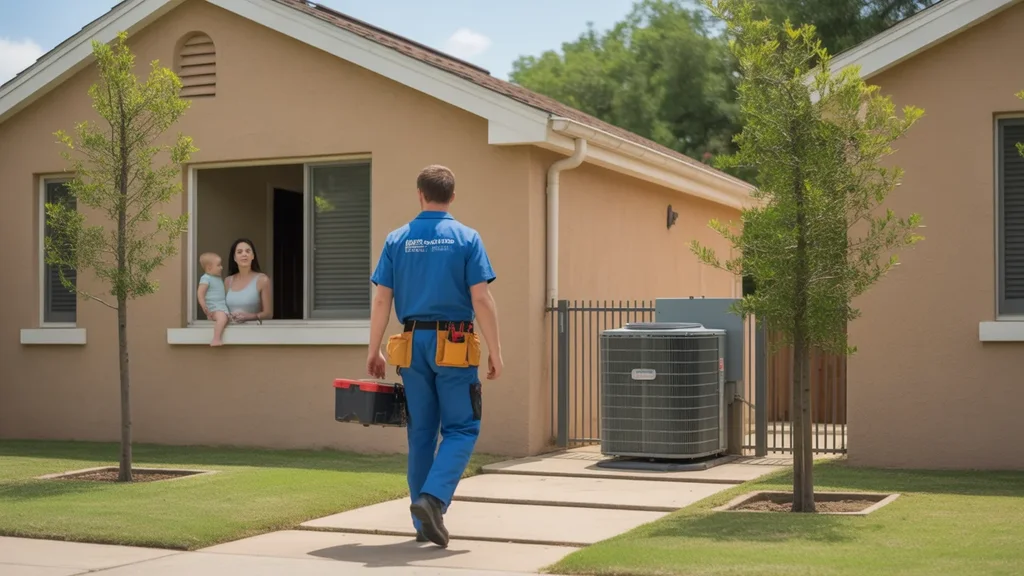
The table below shows how core utility costs typically behave for a mid-size household in a single-family home in Irving. Where city-level prices are available in the data feed, they are shown directly. When exact figures are not provided, categories are described qualitatively to reflect how costs are structured and what drives variability.
| Utility Category | Cost Structure in Irving |
|---|---|
| Electricity | 15.69¢/kWh; usage-sensitive and climate-driven |
| Water | Tiered pricing; usage-dependent |
| Natural Gas | $19.31/MCF; winter-driven, heating-dependent |
| Trash & Recycling | Often bundled with water or HOA fees |
| Total | Seasonal variability driven by electricity and heating |
This table reflects utility cost structure for a mid-size household in a single-family home in Irving during 2026. Where exact figures are not provided in the IndexYard data feed, categories are described directionally to reflect how costs behave rather than a receipt-accurate total.
Electricity is billed per kilowatt-hour at 15.69¢/kWh in Irving, and monthly totals swing dramatically with seasonal cooling and heating demand. For illustrative context, a household using 1,000 kWh in a month—typical for a mid-size home during moderate weather—would see roughly $157 in electricity charges before fees and taxes. During peak summer months, usage can climb well above that baseline as air conditioning runs continuously through triple-digit afternoons.
Water costs in Irving follow a tiered rate structure common across Texas municipalities. The more you use, the higher the per-unit price climbs. Households with irrigation systems, pools, or large families face steeper bills during dry summer months. Many providers bundle water, sewer, and stormwater fees into a single statement, so the line items can add up quickly even when base water consumption stays modest.
Natural gas is priced at $19.31 per thousand cubic feet (MCF) and is used primarily for heating, water heaters, and cooking. Irving’s mild winters mean heating demand stays relatively low compared to northern climates, but January and February bills will still reflect increased usage. For context, a household using 1 MCF per month during winter heating season would see roughly $19 in natural gas charges before fees and taxes. Homes with electric heat or all-electric appliances may not carry a natural gas account at all.
Trash and recycling service is typically bundled with water bills or covered by homeowners association fees in planned communities. Standalone trash service, when billed separately, usually runs as a flat monthly fee. The structure varies by neighborhood and provider, so it’s worth confirming what’s included when you set up service or review your lease.
Electricity is typically the most exposure-sensitive utility in Irving, driven more by climate and home efficiency than by base rates.
How Weather Impacts Utilities in Irving
Irving’s climate creates a clear seasonal pattern in utility spending. Summer heat dominates the annual cost curve, with electricity bills spiking as air conditioning systems work overtime to counter triple-digit temperatures and high humidity. Cooling season in Irving stretches from May through September, with July and August representing peak exposure months. Households in poorly insulated homes or those with aging HVAC systems see the steepest increases, sometimes doubling or tripling their spring baseline.
Winter months bring a different cost profile. Natural gas usage rises modestly as heating systems kick in during cold snaps, but Irving’s mild winters mean heating demand stays far below what households in the Midwest or Northeast experience. A stretch of freezing nights in January might push natural gas usage up temporarily, but the season overall remains manageable. Homes relying on electric heat will see their electricity bills rise instead, though rarely to the extent of summer cooling costs.
Spring and fall offer the most predictable utility months in Irving. Moderate temperatures reduce both heating and cooling demand, and many households experience noticeably lower electric bills during these shoulder seasons compared to peak summer. Water usage can tick up in spring as lawns green up and irrigation systems activate, but the overall cost structure stabilizes. One regional quirk worth noting: Irving’s position in North Texas means occasional severe weather—ice storms, heavy rain—can temporarily disrupt service or create short-term demand spikes, though these events are infrequent.
How to Save on Utilities in Irving
Reducing utility costs in Irving starts with understanding which expenses you can control and which reflect structural realities of your home. The biggest savings opportunities center on electricity, since cooling dominates annual spending. Programmable thermostats allow you to raise the temperature when no one is home and cool the house just before you return, cutting runtime without sacrificing comfort. Shade trees planted on the south and west sides of a home reduce direct sun exposure, lowering indoor temperatures naturally and easing the load on your air conditioner.
Insulation upgrades and weatherstripping around doors and windows prevent conditioned air from escaping, which helps stabilize indoor temperatures and reduces the frequency of HVAC cycles. Many local providers in Irving offer rebates for energy-efficient AC units, and some run off-peak billing programs that reward households for shifting usage to evenings or weekends. Solar panel incentives exist at both the state and federal level, and while upfront costs remain significant, the long-term reduction in electricity exposure can be substantial for homeowners planning to stay in place.
For water savings, consider:
- Installing low-flow showerheads and faucet aerators to reduce consumption without changing daily routines
- Adjusting irrigation schedules to early morning or late evening to minimize evaporation
- Fixing leaks promptly—toilets and outdoor faucets are common culprits
- Choosing drought-tolerant landscaping to reduce lawn watering needs
- Monitoring your water bill for unexpected usage spikes that signal hidden leaks
🏆 Tip: Check if your provider in Irving offers rebates for energy-efficient AC units or heating systems—many utilities run seasonal promotions that offset upgrade costs.
FAQs About Utility Costs in Irving
Why are utility bills so high in Irving during summer?
Irving’s extended cooling season and triple-digit summer heat force air conditioning systems to run almost continuously, which drives electricity usage—and bills—well above spring or fall levels. Homes with poor insulation or older HVAC units see the steepest increases.
What is the average monthly electric bill for an apartment in Irving compared to a single-family home?
Apartments typically see lower electricity costs because shared walls reduce heat gain and loss, and square footage is smaller. Single-family homes, especially older ones with less efficient systems, face higher bills due to greater exposure and larger conditioned space.
Do HOAs in Irving usually include trash or water in their fees?
Many planned communities and townhome developments in Irving bundle trash, recycling, and sometimes water or sewer service into monthly HOA fees. Single-family homes in older neighborhoods typically handle these utilities separately.
Does Irving offer incentives for solar panels or energy-efficient appliances?
Federal tax credits apply to solar panel installations nationwide, and Texas offers property tax exemptions for solar energy systems. Some local electricity providers also run rebate programs for energy-efficient appliances and HVAC upgrades, though availability varies by provider.
How does seasonal weather affect monthly utility bills in Irving?
Summer heat creates the highest electricity bills due to constant air conditioning demand, while mild winters produce modest increases in natural gas or electric heating costs. Spring and fall bring the lowest and most stable utility totals as both heating and cooling needs drop.
How Utilities Fit Into the Cost Structure in Irving
Utilities in Irving function as a volatility driver rather than a fixed expense. Electricity dominates seasonal swings, with summer months creating the highest exposure and spring or fall offering relief. Water costs depend on household size and outdoor irrigation habits, while natural gas remains a secondary factor tied to winter heating. Trash and recycling fees, often bundled, add a small but predictable monthly charge. Together, these categories form a significant share of monthly expenses, but their behavior differs sharply from rent or mortgage payments—utilities respond directly to how you live, not just where you live.
For households planning a move to Irving or trying to stabilize their budget, understanding utility cost structure helps identify which levers you control. Upgrading insulation, planting shade trees, and adjusting thermostat settings all reduce electricity exposure without requiring a lifestyle overhaul. Monitoring water usage and fixing leaks prevents tiered pricing from escalating bills unnecessarily. And choosing a home with efficient systems—or budgeting for upgrades—can shift your annual utility total by hundreds of dollars compared to an older, less efficient property.
Utilities don’t exist in isolation. They interact with housing choices, commute patterns, and household routines to shape your overall financial pressure in Irving. A longer commute might mean less time at home running the air conditioner, while a work-from-home schedule increases daytime electricity usage. Renters in apartments with included water and trash face fewer variables, while single-family homeowners juggle multiple accounts and seasonal swings. For a fuller picture of how utilities fit alongside housing, transportation, and other recurring costs, explore IndexYard’s related resources on Irving’s overall cost landscape and household budget breakdowns.
How this article was built: In addition to public economic data, this article incorporates location-based experiential signals derived from anonymized geographic patterns—such as access density, walkability, and land-use mix—to reflect how day-to-day living actually feels in Irving, TX.
—