
“I thought I could skip the car payment and just take the train,” says a commuter who moved to Gloucester Township two years ago. “That worked great—until I needed groceries on a Tuesday night or had to pick up my kid from practice. Now I drive everywhere except my actual commute.”
That tension captures the transportation reality in Gloucester Township. Rail service exists, and in certain corridors it works well. But for most daily life—errands, appointments, family logistics—the car remains essential. Understanding where transit actually helps, and where it falls short, is critical to making Gloucester Township work on your terms.
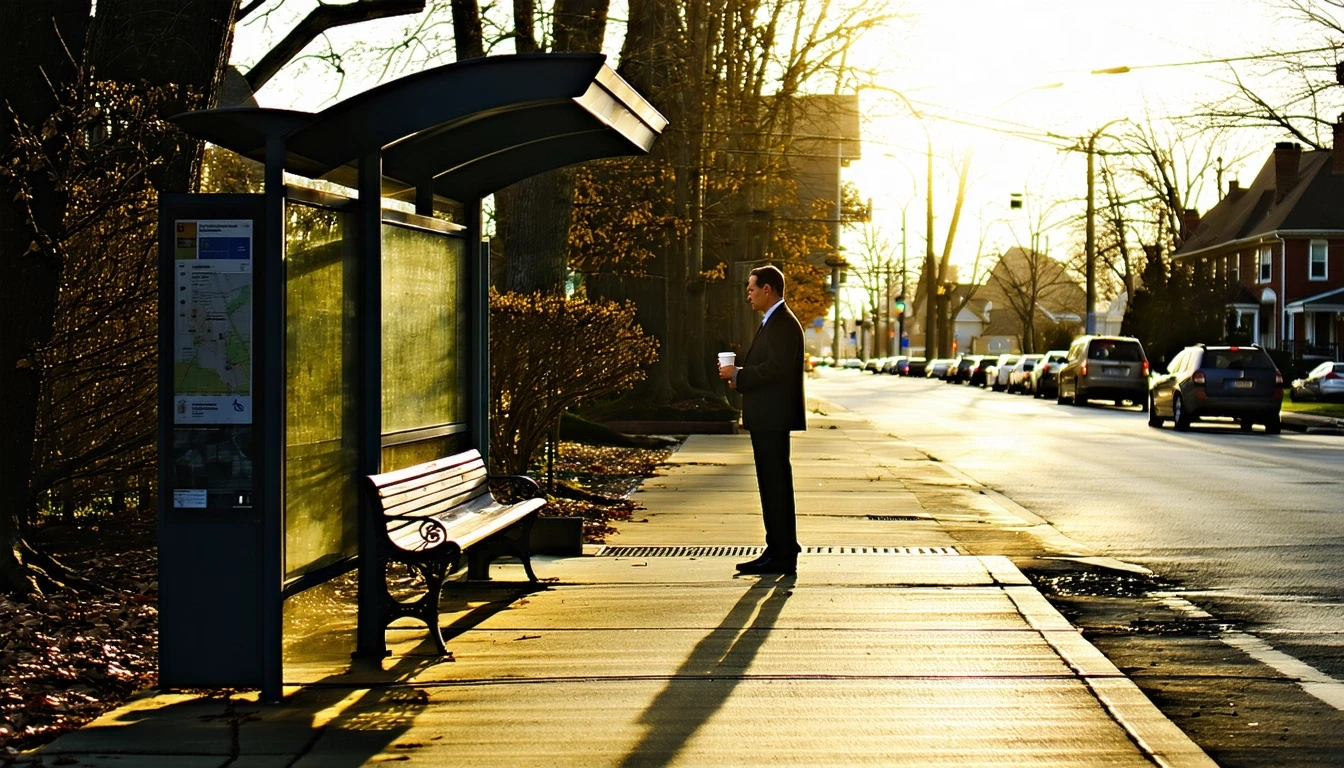
How People Get Around Gloucester Township
Gloucester Township is primarily car-oriented. Most residents drive for groceries, errands, school runs, and social activities. The township’s layout—moderate density, mixed building heights, and food and grocery options concentrated along commercial corridors rather than distributed evenly—means that even short trips often require a vehicle.
That said, rail transit is present, and for residents living near stations or along transit corridors, it provides a real alternative for work commutes, particularly to Philadelphia. The pedestrian-to-road ratio in parts of the township exceeds typical suburban thresholds, creating pockets where walking to a station or bus stop is practical. But these pockets are geographically limited. Outside of them, sidewalks may exist, but destinations are spread out, and transit coverage thins quickly.
Newcomers often underestimate how much daily life in Gloucester Township depends on driving. Even if your commute is covered by rail, your household logistics—picking up prescriptions, getting to a pediatrician, running weekend errands—will almost certainly require a car. The township’s structure supports transit for specific trips, not as a replacement for car ownership.
Public Transit Availability in Gloucester Township
Public transit in Gloucester Township often centers around systems such as NJ Transit and the PATCO Speedline, though coverage varies by area. Rail service is the strongest transit option, connecting residents to Philadelphia and other regional employment centers. For commuters working in Center City Philadelphia or along the PATCO corridor, rail can be a reliable, predictable option that removes the friction of highway traffic and parking costs.
Bus service is also present, but its role is more limited. Buses tend to serve specific corridors and connect to rail hubs, rather than providing comprehensive coverage across the township. If you live near a bus route that aligns with your commute or errands, it can work. If you don’t, the time cost and transfer burden make it impractical for daily use.
Transit works best in Gloucester Township when your origin and destination are both near stations or high-frequency corridors. It works poorly—or not at all—for trips that require multiple transfers, late-night travel, or access to areas outside the transit network. The township’s land use is mixed, with both residential and commercial areas present, but that mixing happens along corridors, not evenly distributed. If you’re not on a corridor, transit access drops sharply.
Driving & Car Dependence Reality
For most households in Gloucester Township, driving is not optional. Errands are corridor-clustered rather than neighborhood-scaled, meaning even routine tasks—picking up groceries, dropping off dry cleaning, getting to a pharmacy—require a car. Schools, playgrounds, and parks are present and meet density thresholds, but getting to them on foot or by transit is only practical for families living in specific pockets of the township.
Parking is generally abundant and free, which reduces one friction point common in denser cities. But that abundance reflects the township’s car-first design. Sprawl is moderate, not extreme, but the layout still assumes vehicle access. Commute flexibility is high for drivers—you can leave early, stay late, make stops on the way home—but low for transit users, who are locked into schedules and limited by coverage gaps.
The tradeoff is control versus cost exposure. Driving gives you full control over timing, routing, and multi-stop trips. But it also exposes you to fuel prices (currently $3.34 per gallon), maintenance, insurance, and depreciation. Transit limits your flexibility but removes those variable costs from your daily calculus. In Gloucester Township, most households absorb the cost exposure because the control and coverage are non-negotiable.
Commuting Patterns & Daily Mobility
Commuting in Gloucester Township tends to follow one of two patterns: single-destination rail commuters who work in Philadelphia, and multi-stop car commuters who work locally or in nearby suburbs. The first group benefits significantly from rail access. The second group has no practical alternative to driving.
For rail commuters, the structure is predictable. You drive or walk to the station, take the train to your workplace, and reverse the trip at the end of the day. This works well for traditional 9-to-5 schedules and jobs located near transit hubs. It works poorly for shift work, jobs in suburban office parks, or roles that require site visits or client meetings throughout the day.
For car commuters, the pattern is more variable. Some drive short distances to local employers. Others commute to neighboring townships or across state lines. The lack of comprehensive transit coverage means that even short commutes—under 10 miles—often require a car, because the origin or destination (or both) isn’t served by transit.
Daily mobility beyond commuting reinforces car dependence. Dropping kids at school, picking up takeout, getting to a doctor’s appointment, meeting friends for dinner—all of these tasks are easier, faster, and more flexible by car. Transit might cover your commute, but it won’t cover your life.
Who Transit Works For — and Who It Doesn’t
Transit in Gloucester Township works best for single adults or couples without children who live near a rail station and work in Philadelphia. If your daily routine is home-to-work-to-home, and both endpoints are transit-accessible, you can realistically minimize or eliminate car dependence for commuting.
Transit works less well—but still occasionally—for renters in corridor areas who can walk to a station and whose errands align with transit routes. These households often own a car but use it selectively, relying on rail for commuting and driving for everything else.
Transit does not work well for families with school-age children, households with multiple jobs or irregular schedules, or residents living outside the transit corridors. The logistics of getting kids to school and activities, managing grocery runs, and handling medical appointments require the flexibility and coverage that only a car provides. Even families living near rail stations typically own at least one vehicle for non-commute trips.
Renters closer to transit hubs may find it easier to reduce car dependence than those in peripheral neighborhoods, but “reduce” is the operative word. Full elimination is rare. Homeowners, who tend to be located in lower-density residential areas farther from transit, almost universally rely on cars for daily life.
Transportation Tradeoffs in Gloucester Township
Choosing between transit and driving in Gloucester Township is not about affordability in isolation—it’s about predictability, control, and coverage.
Transit offers predictability. Your commute time is fixed, and you’re insulated from traffic variability and fuel price swings. But you sacrifice control. You can’t leave early, make an unplanned stop, or adjust your route. And coverage is limited—if your destination isn’t on the network, transit isn’t an option.
Driving offers control and comprehensive coverage. You can go anywhere, anytime, and chain multiple stops into a single trip. But you absorb exposure to fuel costs, maintenance, and the time cost of traffic. You also lose the ability to use commute time for reading, working, or resting.
In Gloucester Township, the tradeoff usually resolves in favor of driving, because the township’s structure—corridor-clustered errands, moderate density, mixed land use concentrated along specific routes—makes transit a partial solution at best. For the subset of residents whose lives align with the transit network, rail can remove a significant friction point. For everyone else, the car is the default, and the only question is how much you’ll drive.
FAQs About Transportation in Gloucester Township (2026)
Is public transit usable for daily commuting in Gloucester Township?
Yes, if you live near a rail station and work in Philadelphia or along a transit corridor. Rail service is present and provides a reliable option for single-destination commutes. For jobs outside the transit network, or for commutes requiring multiple stops, transit is not practical.
Do most people in Gloucester Township rely on a car?
Yes. The township’s layout and the geographic distribution of services make driving essential for most households. Even residents who use transit for commuting typically own a car for errands, family logistics, and non-work travel.
Which areas of Gloucester Township are easiest to live in without a car?
Areas near rail stations and along high-density corridors offer the best chance of reducing car dependence. But “reducing” is not the same as eliminating. Even in these areas, most households find that a car is necessary for grocery shopping, medical appointments, and family activities.
How does commuting in Gloucester Township compare to nearby cities?
Gloucester Township offers rail access to Philadelphia, which is a significant advantage over more car-dependent suburbs. But compared to denser urban areas with comprehensive transit networks, Gloucester Township still requires a car for most daily activities. The tradeoff is lower housing costs and more space, in exchange for higher transportation dependence.
Can I avoid owning a car if I work from home in Gloucester Township?
It’s difficult. Even without a commute, errands, healthcare, and social activities are spread across the township and require a car to access efficiently. Some households manage with a single car instead of two, but going entirely car-free is rare and requires significant lifestyle compromise.
How Transportation Fits Into the Cost of Living in Gloucester Township
Transportation in Gloucester Township is not just a line item—it’s a structural factor that shapes where you can live, how you spend your time, and what tradeoffs you’re willing to accept. If you can align your life with the rail network, you gain predictability and remove some cost exposure. If you can’t, you absorb the full cost and complexity of car ownership, but you also gain the flexibility and coverage that make daily life manageable.
For a fuller picture of how transportation costs interact with housing, utilities, and other expenses, see the Monthly Spending in Gloucester Township: The Real Pressure Points article. That breakdown will help you understand how mobility decisions ripple through your household budget and where you have room to adjust.
The key is to be honest about your actual needs—not what you wish were true, but what your daily life requires. Gloucester Township offers real transit options for specific use cases. For everyone else, the car is the foundation, and the question is how to manage that dependence without letting it dictate every other decision.
How this article was built: In addition to public economic data, this article incorporates location-based experiential signals derived from anonymized geographic patterns—such as access density, walkability, and land-use mix—to reflect how day-to-day living actually feels in Gloucester Township, NJ.
—