
A couple earning $75,000 gross can feel stretched in Gloucester Township if they’re trying to own a home, run two cars, and keep up with utility swings. A single professional at $55,000 might feel comfortable renting near the rail line, skipping car ownership, and keeping errands simple. The difference isn’t the paycheck—it’s how expectations, household size, and daily logistics align with what Gloucester Township actually costs and how it’s structured.
This article explains how income pressure and comfort actually work here, helping you judge whether your earnings and lifestyle expectations fit—without producing a magic number or a monthly budget you’re supposed to hit.
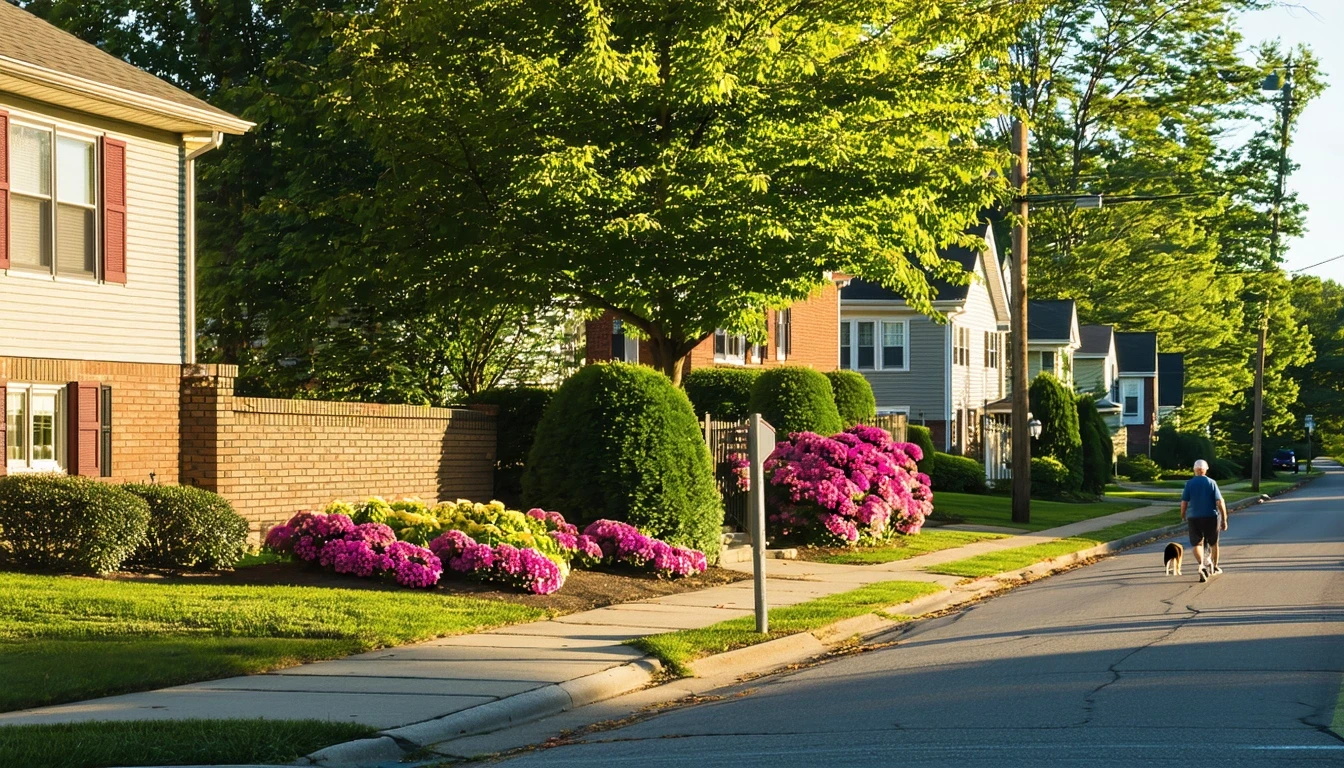
What “Living Comfortably” Means in Gloucester Township
Comfort in Gloucester Township isn’t about hitting a specific income threshold. It’s about whether your earnings let you make choices without constant tradeoffs. Can you absorb a high summer electric bill without rearranging other spending? Can you choose housing based on space and location rather than just affordability? Can you get to work, run errands, and manage family logistics without every trip feeling like a planning exercise?
Gloucester Township sits in the Philadelphia metro area with a regional price level slightly above the national baseline (RPP index of 104). The median household income is $71,756 per year, which suggests many households here are managing, but it doesn’t tell you whether you’ll feel comfortable. That depends on what you expect from daily life.
Comfort here means having enough margin that seasonal utility swings don’t dictate behavior, housing pressure doesn’t force you into a location or size you don’t want, and transportation works without burning time or money you can’t spare. It’s not about luxury—it’s about predictability and control.
Where Income Pressure Shows Up First
In Gloucester Township, income pressure tends to surface in three areas: housing tradeoffs, utility volatility, and transportation logistics.
Housing costs split depending on whether you rent or own. The median gross rent is $1,400 per month, which is manageable for households earning above the median but tight for single earners or those with irregular income. Ownership is more affordable by price—median home value is $165,900—but that figure doesn’t include property taxes, insurance, or maintenance, all of which add recurring pressure. Families often face a choice: own a home with space but accept higher fixed costs, or rent with more flexibility but less control over renewals and rent adjustments.
Utility costs create seasonal volatility. Electricity rates here are 22.98¢/kWh, which is above typical national rates, and natural gas is priced at $14.40 per MCF. Summer cooling and winter heating both drive bills higher during peak months. Households that can absorb a $50–$80 swing without stress feel more comfortable than those budgeting to the dollar.
Transportation pressure depends on how you move around. Gloucester Township has rail service, which changes the calculus for commuters who work in Philadelphia or other regional job centers. But daily errands remain corridor-clustered, meaning grocery runs, pharmacy stops, and routine shopping often require a car and planning. Walkable pockets exist, but they don’t eliminate car dependency for most households. Gas prices are $3.34 per gallon, and for families running multiple cars or long commutes, fuel costs add up quickly.
For families, logistics complexity eases somewhat due to strong school and playground infrastructure. The presence of hospitals and pharmacies also reduces healthcare access friction. But these advantages don’t eliminate cost—they just reduce the time and uncertainty that often accompany managing a household.
How the Same Income Feels Different by Household
Income pressure isn’t uniform. Households at similar earnings levels experience very different financial realities depending on size, expectations, and daily patterns.
Single adults often find Gloucester Township manageable if they’re willing to rent and live near transit. A gross monthly income around $4,500–$5,000 can cover rent, utilities, food, and transportation if car ownership is optional or minimal. Rail access makes it possible to work regionally without owning a vehicle, though errands still require planning or occasional ride services. The challenge comes if you want to own a home or need a car for work—fixed costs rise quickly, and flexibility shrinks.
Couples without children benefit from shared fixed costs and dual income. Rent or mortgage becomes more affordable relative to earnings, and transportation can be strategic—one car instead of two, or splitting commutes. Utility bills feel less volatile when split. Comfort arrives earlier for couples because margin grows faster. A combined gross income around $70,000–$80,000 often provides enough cushion to handle seasonal swings, save modestly, and avoid constant tradeoffs.
Families face the most pressure. Housing space needs increase, transportation becomes less flexible due to school and activity schedules, and utility usage rises. Even with strong family infrastructure reducing logistics burden, the cost structure tightens. Families earning near or below the median often feel stretched, especially if they’re trying to own a home, run two cars, and manage childcare. Comfort for families typically requires income well above the median—not because Gloucester Township is unusually expensive, but because the fixed costs of family life accumulate quickly.
The Comfort Threshold (Qualitative)
Comfort in Gloucester Township isn’t a number—it’s a transition point where financial behavior changes. You know you’ve crossed it when:
- Utility bills stop dictating whether you adjust the thermostat
- Housing decisions are based on preference, not just affordability
- Transportation becomes a choice rather than a constraint
- Unexpected expenses (car repair, medical bill) don’t require rearranging other spending
- Saving becomes plausible, not aspirational
For single adults, this threshold often arrives when gross monthly income exceeds rent by a 3:1 ratio and transportation is either minimal or predictable. For couples, it comes when combined income allows one partner’s earnings to cover fixed costs while the other’s provides margin. For families, it requires enough income that housing, transportation, and utilities together don’t consume more than half of gross earnings—and even then, comfort depends on whether childcare or other family costs are in play.
The key insight: comfort isn’t about earning more than your neighbors. It’s about earning enough that day-to-day costs don’t force you into decisions you wouldn’t otherwise make.
Why Online Cost Calculators Get Gloucester Township Wrong
Most cost-of-living calculators will tell you Gloucester Township is “affordable” or “slightly above average,” and they’ll spit out a number—something like “a single person needs $50,000” or “a family needs $85,000.” These figures are worse than useless because they obscure the actual decision.
Calculators assume everyone rents the median apartment, drives the average commute, and uses utilities at a standard rate. But in Gloucester Township, your experience depends heavily on whether you own or rent, whether you use rail transit or drive everywhere, whether you live in a walkable pocket or a car-dependent area, and whether you’re managing a household or living solo.
A single adult who rents near transit, works regionally, and keeps errands simple can live comfortably on far less than a family trying to own a home, run two cars, and manage school logistics. The calculator gives both households the same target, which means it’s wrong for both.
People feel surprised after moving because they trusted a total instead of understanding the structure. Gloucester Township’s costs aren’t extreme, but they’re specific. If your lifestyle assumptions don’t match how the place actually works, you’ll feel pressure no matter what you earn.
How to Judge Whether Your Income Fits Gloucester Township
Instead of asking “Is my income enough?”, ask these questions:
- How sensitive are you to housing tradeoffs? If you need to own a home with space, your fixed costs will be higher. If you’re comfortable renting or living in a smaller space near transit, your income goes further.
- Can you absorb seasonal utility swings? If a $60 spike in your electric bill during summer or winter creates stress, you’re operating without enough margin.
- Is time or money your limiting factor? Rail access helps if you work regionally, but errands still require planning or a car. If you value convenience over cost, you’ll need a vehicle and the income to support it.
- How much flexibility do you expect month to month? If you want to save, travel, or handle surprises without rearranging spending, you need income that exceeds fixed costs by a meaningful margin—not just a few hundred dollars.
- Are you managing a household or living solo? Family logistics are easier here due to strong infrastructure, but costs still multiply. If you’re planning for children, your income needs to cover not just higher expenses but also reduced flexibility.
These questions won’t give you a number, but they’ll tell you whether Gloucester Township’s cost structure aligns with how you actually live.
FAQs About Living Comfortably in Gloucester Township
Is $60,000 a year enough to live comfortably in Gloucester Township?
It depends entirely on household size and expectations. A single adult earning $60,000 gross can live comfortably if they rent, keep transportation minimal, and don’t face major debt. A family at that income will feel significant pressure, especially if trying to own a home and run multiple cars.
Do I need a car to live in Gloucester Township?
Not necessarily, but most households find car ownership necessary. Rail service exists and works well for regional commutes, but daily errands remain corridor-clustered. Walkable pockets exist, but they don’t eliminate the need for a vehicle unless you’re willing to plan heavily or rely on ride services.
How much do utilities really cost here?
Electricity rates are 22.98¢/kWh, which is above typical national rates, and natural gas is $14.40 per MCF. Actual bills depend on usage, but expect meaningful swings during summer cooling and winter heating months. Households that can absorb $50–$80 monthly swings without stress are better positioned.
Is Gloucester Township more affordable than nearby areas?
Gloucester Township’s housing costs are moderate compared to closer-in Philadelphia suburbs, but the regional price level is slightly above the national baseline. Whether it feels affordable depends on what you’re comparing it to and what tradeoffs you’re willing to make. It’s not a bargain, but it’s not extreme either.
What income level do most families need to feel comfortable here?
There’s no universal answer, but families earning significantly above the median ($71,756) tend to report less financial stress. Comfort for families typically requires enough income that housing, transportation, and utilities together don’t consume more than half of gross earnings, and even then, childcare or other costs can tighten margins quickly.
How this article was built: In addition to public economic data, this article incorporates location-based experiential signals derived from anonymized geographic patterns—such as access density, walkability, and land-use mix—to reflect how day-to-day living actually feels in Gloucester Township, NJ.
Gloucester Township can work well for some households—but only if expectations match reality. If your income provides enough margin to handle the place’s specific cost structure and your lifestyle aligns with how transportation, errands, and housing actually function here, you’ll likely feel comfortable. If not, no amount of budgeting will close the gap.