
“It’s not flashy, but it works—good schools, easy highway access, and you’re not spending every dollar just to exist. You trade walkability for breathing room.” That sentiment, shared across local discussion boards, captures the essence of life in Gloucester Township. This isn’t a place people move to for nightlife or a charming main street. It’s a place people choose when they want suburban predictability, family infrastructure, and access to Philadelphia without the price tag or intensity of closer-in options.
The emotional tone here is pragmatic satisfaction mixed with mild restlessness. Families tend to feel rewarded: the schools are solid, parks and playgrounds are plentiful, and there’s a hospital nearby. But those seeking spontaneous errands, walkable neighborhoods, or a strong sense of place identity often feel something’s missing. Gloucester Township works best for people who’ve made peace with car dependency and planning ahead—and who value space, safety, and savings over texture and convenience.
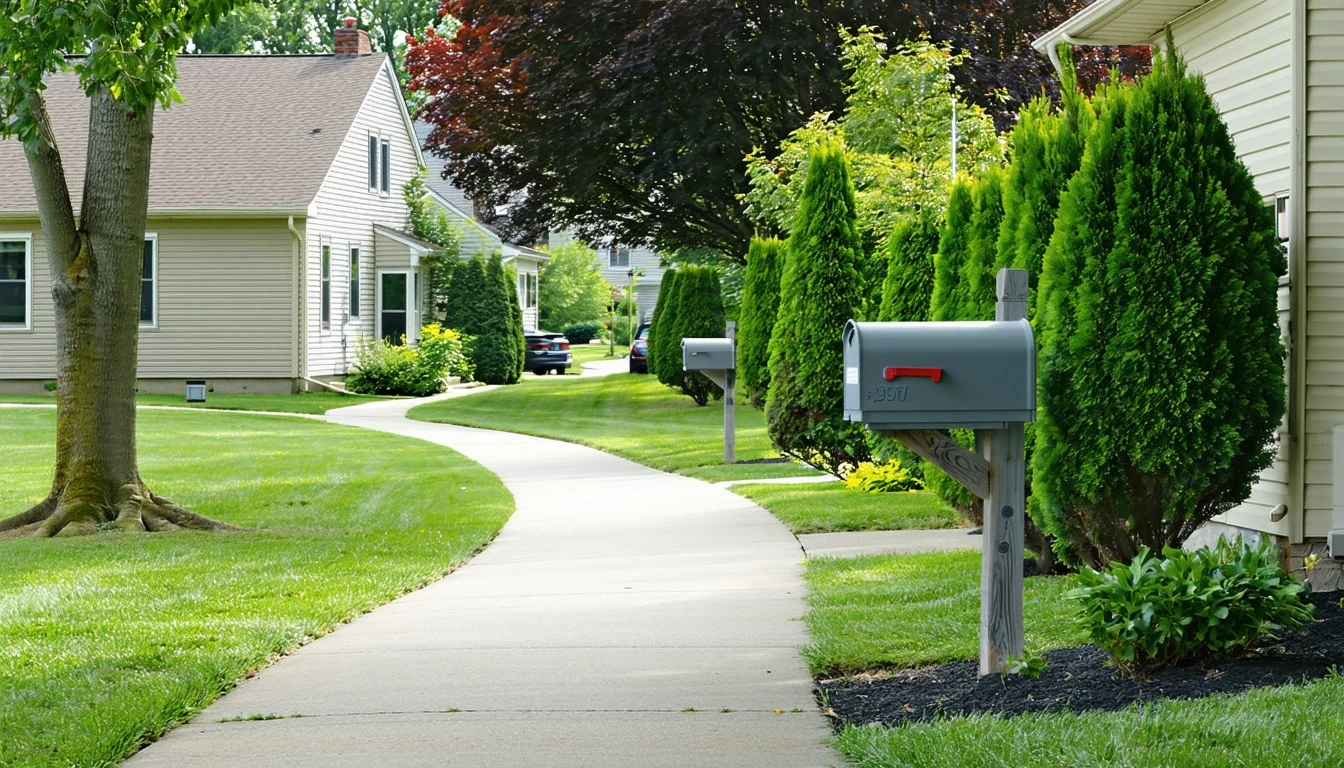
What the Conversation Sounds Like Online
In cities like Gloucester Township, locals often describe the vibe as comfortable but low-key. Social media discussion tends to center on practical concerns: school quality, traffic on major corridors, where to grab dinner, and whether new development is improving convenience or just adding congestion. There’s pride in affordability and family-friendliness, but also a recurring theme of wishing for more local character.
“It’s a great place to raise kids, but you’re driving everywhere. There’s no ‘town center’ feeling—it’s all plazas and parking lots.”
“We moved here from closer to Philly and don’t regret it. More house, better schools, and yeah, we drive more, but it’s worth it.”
“I miss being able to walk to a coffee shop or just wander around. Here, every errand is a trip.”
The tone is rarely angry, but there’s a consistent thread of acceptance: people know what they signed up for. The frustration, when it appears, is less about dissatisfaction and more about tradeoff fatigue—especially for those who didn’t fully anticipate how much day-to-day costs are shaped by driving, planning, and the lack of walkable alternatives.
How Local Coverage Frames the Township
Local news and community updates tend to focus on growth, infrastructure, and identity evolution. Coverage reflects a township in transition—no longer purely residential, but not yet a destination. Headlines and stories often circle around these themes:
- “New Retail and Dining Options Arrive Along Major Corridors”
- “Residents Weigh Convenience Against Quiet Suburban Character”
- “School District Investments Draw Families to the Area”
- “Traffic and Development Spark Conversation About Future Growth”
- “Community Celebrates Local Parks and Family-Friendly Amenities”
The framing is generally optimistic but cautious. There’s recognition that the township is adding amenities and improving access, but also concern that growth might erode the low-key, residential feel that attracted people in the first place. The emotional undertone is protective: people want progress, but they don’t want to lose what makes Gloucester Township feel manageable and safe.
What Reviews and Public Perception Reveal
On platforms like Google, Yelp, and neighborhood forums, Gloucester Township earns steady praise for what it delivers: affordability, safety, and strong family infrastructure. Parents consistently highlight the quality of schools and the availability of parks and playgrounds. The hospital presence also draws positive mention, especially from families and older residents who value not having to travel far for medical care.
But the complaints are just as consistent. Walkability is the most common frustration. People moving from denser areas or expecting neighborhood-scale errands often feel disappointed. The corridor-clustered layout means grocery stores, restaurants, and services exist, but they’re spread out and require intentional trips. There’s no serendipity, no “I’ll just pop over” convenience.
“Everything you need is here, but you’re always in the car. It gets old.”
“Great for families, but if you’re young and want things to do, you’ll be heading into Philly or Cherry Hill.”
“It’s quiet, clean, and affordable. That’s exactly what we wanted, and we got it.”
Newer planned areas tend to draw more positive sentiment for their cohesion and amenities, while older pockets are described as more varied—sometimes charming, sometimes dated. But across the board, the emotional experience hinges on expectation alignment. If you wanted suburban ease and space, you’re likely content. If you wanted texture, walkability, or a strong sense of place, you’re likely restless.
How Gloucester Township Compares to Nearby Options
| Dimension | Gloucester Township | Cherry Hill | Voorhees |
|---|---|---|---|
| Overall Vibe | Quiet, family-focused, car-dependent | More commercial energy, busier corridors | Similar suburban feel, slightly more upscale |
| Walkability | Limited, pockets only | Slightly better near town center | Also limited, similar layout |
| Affordability | Strong value for space | Higher prices, more amenities | Comparable, some premium pockets |
| Family Appeal | High—schools, parks, safety | High, more dining and retail variety | High, similar family infrastructure |
| Sense of Place | Low—functional, not distinctive | Moderate—more recognizable identity | Low—similar suburban neutrality |
Gloucester Township sits in the middle of a suburban tradeoff spectrum. Cherry Hill offers more retail variety, dining options, and a slightly stronger identity, but at a higher cost and with more traffic. Voorhees feels similar to Gloucester Township in layout and family appeal, with some areas leaning more upscale. If you prioritize value and quiet, Gloucester Township delivers. If you want more texture and convenience—even within a suburban framework—Cherry Hill might feel more rewarding. If you’re drawn to a slightly more polished suburban aesthetic, Voorhees could be a better match.
Voices from Different Life Stages
“We moved here when our first kid started school, and it’s been exactly what we needed. The parks are great, the neighborhood feels safe, and we’re not stretching every month just to stay afloat.”
“I work remotely and honestly, the lack of walkable coffee shops or coworking spaces is tough. I end up driving to Cherry Hill or into Philly just to feel less isolated.”
“Retired here five years ago. It’s quiet, the healthcare access is solid, and we’re close enough to family without being on top of each other. No complaints.”
“As a single person in my late twenties, this place feels… empty. It’s fine if you have a family and a yard, but there’s not much for me here socially.”
“We looked at places closer to the city, but the housing tradeoffs were brutal. Here, we got space, a good school district, and we’re still only 20 minutes from Philly when we want it.”
“It’s not exciting, but it’s stable. That’s what we were looking for, and that’s what we got.”
“I wish there was more to do locally. It feels like every weekend, we’re driving somewhere else to actually enjoy ourselves.”
Does Gloucester Township Feel Like a Good Fit?
Gloucester Township doesn’t try to be everything. It’s a place built around family infrastructure, affordability, and access to Philadelphia—not around walkability, nightlife, or a vibrant downtown. The emotional experience here is shaped by how well your priorities align with that reality.
This tends to work for families who want strong schools, safe neighborhoods, and space without financial strain. It works for commuters who value rail access to the city and don’t mind driving locally. It works for people who’ve decided that predictability and quiet matter more than spontaneity and texture.
This tends to frustrate people who expected neighborhood-scale walkability, those who want a strong sense of place, and younger professionals seeking social energy and variety. It also frustrates anyone who underestimated how much car dependency shapes daily life—and lifestyle requirements.
If you’re considering Gloucester Township, the question isn’t whether it’s “happy” or “good.” The question is whether the tradeoffs it offers—space and value in exchange for convenience and character—match what you actually need from a place. For many families, the answer is yes. For others, the restlessness sets in quickly.
How this article was built: In addition to public economic data, this article incorporates location-based experiential signals derived from anonymized geographic patterns—such as access density, walkability, and land-use mix—to reflect how day-to-day living actually feels in Gloucester Township, NJ.
The perspectives shown reflect commonly expressed local sentiment and recurring themes in public discussion, rather than individual accounts.