
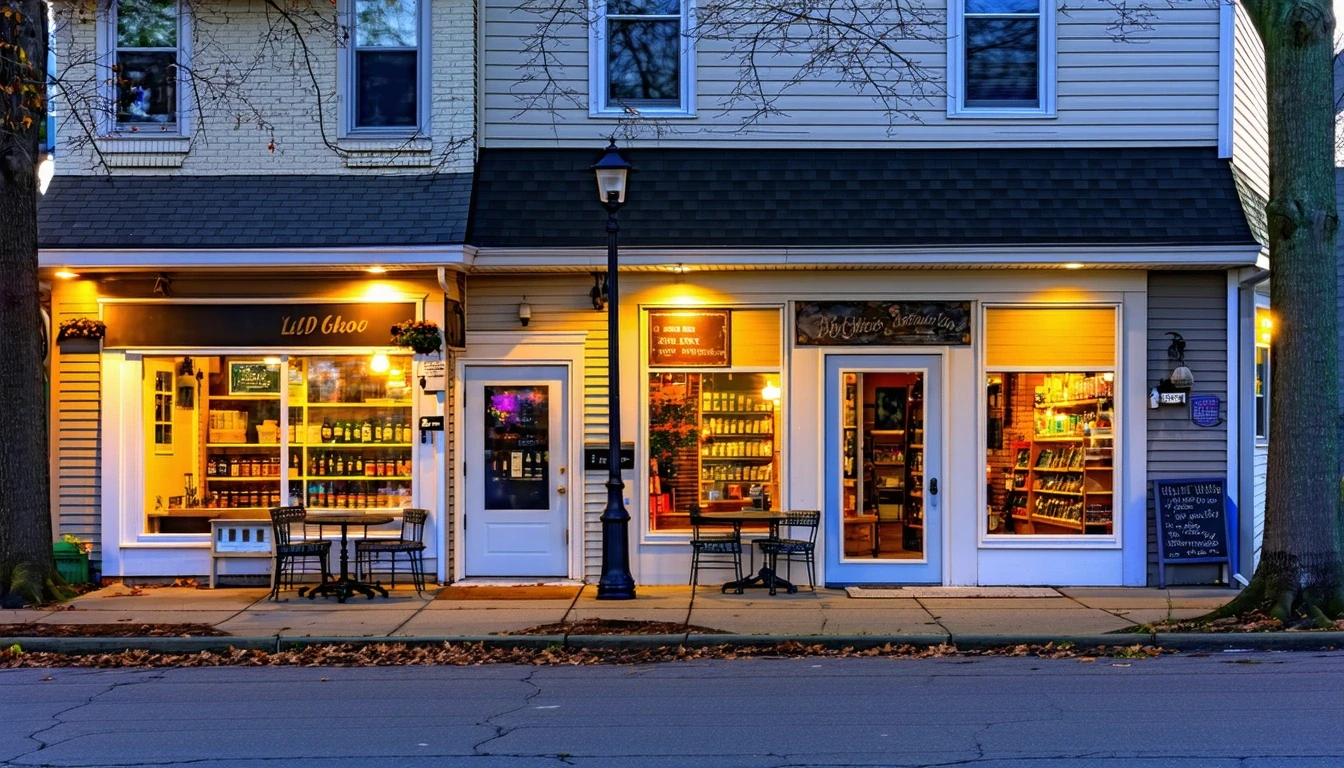
Apartment vs House: Monthly Cost Behavior in Gloucester Township
| Expense Category | Apartment | House |
|---|---|---|
| Base Housing Cost | $1,400/month median rent | Mortgage varies by down payment and rate; median home value $165,900 |
| Property Taxes | Included in rent | Paid directly; New Jersey’s structure creates meaningful annual exposure |
| Heating (Winter) | Often included or minimal due to shared walls and smaller square footage | Full exposure; Mid-Atlantic winters require consistent heating across detached structure |
| Cooling (Summer) | Lower due to reduced exterior surface area | Higher due to full sun exposure on roof and all walls; humid summers increase runtime |
| Exterior Maintenance | Landlord responsibility | Owner responsibility; aging suburban housing stock requires roof, siding, and drainage upkeep |
| Water/Sewer | Typically included in rent | Billed separately; lawn irrigation and larger household size increase usage |
Methodology note: This table includes only cost categories that behave differently in Gloucester Township due to climate (heating and cooling seasons), housing stock age (maintenance exposure), and New Jersey’s property tax structure. Generic categories like insurance are excluded because the difference is not locally distinctive. No category was included unless it reflects a structural difference in how apartments and houses function here.
The Housing Market in Gloucester Township Today
Gloucester Township sits within the Philadelphia metro area with a median home value of $165,900—a figure that stands out for its accessibility compared to closer-in suburbs and urban cores. That price point reflects the township’s position as an established suburban community with a mix of housing ages, lot sizes, and building types. Rail access connects residents to the broader metro without requiring proximity to the most expensive corridors, and the presence of both walkable pockets and car-oriented blocks means housing options span a wider range than the “typical suburb” label suggests.
What newcomers often misunderstand is that Gloucester Township’s housing market isn’t shaped by a single development era or housing type. The mixed building heights and land-use patterns create variety: older single-family homes on larger lots, townhouse clusters, and apartment complexes that serve different household stages. This isn’t a place where all housing looks the same or costs the same. The median figures mask meaningful variation depending on proximity to the rail line, school access, and whether a property sits in one of the more walkable pockets or a car-dependent edge.
The regional price parity index of 104 indicates costs run slightly above the national baseline, but that premium is modest compared to metro-area peers. For buyers, the tradeoff is clear: lower entry prices come with exposure to New Jersey’s property tax structure and the maintenance demands of an aging housing stock. For renters, median gross rent of $1,400 per month reflects moderate pressure—not cheap, but not prohibitive for households earning near the township’s median income of $71,756 per year.
Renting in Gloucester Township
Renting in Gloucester Township means navigating a market shaped by proximity to Philadelphia, rail access, and a housing stock that includes both older garden-style complexes and newer developments. At $1,400 per month for median gross rent, the cost reflects the township’s position as a suburban option with transit connectivity—less expensive than urban cores or inner-ring suburbs, but not as low as more distant or car-dependent alternatives.
Rental availability tends to cluster along commercial corridors and near the rail line, where errands accessibility and transit viability make car-lite living more feasible. These areas attract renters who prioritize convenience and commute access over space. Further from these nodes, rental options thin out, and the housing stock skews toward single-family homes that rarely enter the rental market. This geographic concentration means renters face a narrower set of choices than buyers, and competition for units near transit or walkable pockets can be sharper than the median figure suggests.
The rental experience in Gloucester Township also reflects the township’s infrastructure: strong family amenities (schools and playgrounds meet density thresholds), hospital presence, and a mix of residential and commercial land use. Renters benefit from these without bearing the direct cost of property taxes or exterior maintenance, but they also absorb landlords’ expectations of those expenses through rent levels. Lease renewals tend to track regional rental pressure, which in turn follows employment patterns in the Philadelphia metro and the township’s 5.0% unemployment rate.
For renters weighing Gloucester Township against nearby alternatives, the decision hinges on whether rail access and corridor-clustered errands justify the rent level, or whether a car-dependent location further out offers better space for the same monthly cost. The township’s walkable pockets and transit presence create value for some households, but that value isn’t uniformly distributed across all rental stock.
Owning a Home in Gloucester Township
Owning a home in Gloucester Township starts with a median value of $165,900, a figure that opens the door for first-time buyers and households priced out of closer-in suburbs. But that entry price is only the beginning of the ownership cost structure. In New Jersey, property taxes represent a significant and ongoing expense, and while the exact rate isn’t provided here, the state’s tax framework means owners should expect this to be one of the largest recurring costs after the mortgage itself. Unlike rent, which bundles many expenses into a single monthly figure, ownership separates them—taxes, insurance, utilities, and maintenance all arrive as distinct bills with different rhythms and volatilities.
The township’s housing stock skews older, with many single-family homes built decades ago. This creates predictable maintenance exposure: roofs age, siding weathers, HVAC systems reach end-of-life, and drainage systems require attention. Buyers purchasing at the median price point should budget not just for the mortgage, but for the reality that older suburban homes demand regular upkeep. Deferred maintenance doesn’t disappear—it compounds. The mixed building heights and land-use patterns mean some neighborhoods offer newer construction or townhouse options with lower exterior maintenance burdens, but the dominant housing type remains the detached single-family home on a modest lot.
Ownership in Gloucester Township also means direct exposure to utility costs. Electricity rates of 22.98¢/kWh and natural gas prices of $14.40/MCF translate into seasonal bills shaped by the Mid-Atlantic climate. Summers bring humidity and extended cooling demand; winters require consistent heating but rarely reach the extremes seen further north or inland. For illustrative context, a typical household using 1,000 kWh per month would face roughly $230 in electricity costs before fees and taxes, with higher usage during peak summer months. Heating months might add natural gas costs of around $14 to $20 per month for moderate usage, though actual bills vary widely based on home size, insulation, and thermostat settings.
The ownership experience differs from renting in control and predictability. Owners can improve insulation, upgrade HVAC efficiency, or adjust landscaping to manage costs, but they also absorb the full impact of tax increases, insurance adjustments, and emergency repairs. Renters delegate those decisions and risks to landlords, paying a premium for that simplicity. In Gloucester Township, where home values remain accessible but ongoing costs require active management, ownership fits households who value stability and control over convenience and flexibility.
Utilities & Upkeep Differences
Utility and maintenance costs in Gloucester Township don’t just differ between apartments and houses—they differ because of how the township’s climate, housing stock, and infrastructure interact with building type. The Mid-Atlantic location means both heating and cooling matter, but neither dominates the annual budget the way they might in more extreme climates. Summers are warm and humid, driving air conditioning use across several months. Winters require consistent heating, but the region doesn’t face the prolonged deep freezes that push natural gas consumption to its highest levels. This seasonal balance means both apartment and house dwellers face utility exposure, but the intensity and controllability differ.
Apartments benefit from shared walls, smaller square footage, and reduced exterior surface area. Heating costs stay lower because neighboring units provide passive warmth, and cooling costs drop because fewer walls face direct sun. Many apartment complexes in Gloucester Township include water and sewer in the rent, further simplifying the cost structure. When utilities aren’t included, the bills still tend to run below those of single-family homes due to the physics of shared construction. Maintenance is the landlord’s problem, meaning tenants avoid the cost and complexity of roof repairs, siding replacement, or HVAC system failures.
Houses, by contrast, face full exposure. A detached single-family home in Gloucester Township heats and cools the entire building envelope with no benefit from adjacent units. Roofs absorb summer sun, increasing cooling loads. Basements and crawl spaces introduce moisture management challenges common to the region. Older housing stock—which dominates the township—often lacks modern insulation standards, meaning HVAC systems work harder to maintain comfort. Exterior maintenance isn’t optional: roofs last 20 to 30 years, siding weathers, gutters clog, and driveways crack. These aren’t surprises, but they are costs that apartment renters never see.
Water and sewer bills for houses also reflect larger households, lawn irrigation, and the absence of the economies of scale that apartment complexes enjoy. Garbage collection, which may be bundled into apartment rent, becomes a separate line item for homeowners. The cumulative effect isn’t that houses always cost more—it’s that houses expose owners to more variables, more decisions, and more volatility. Apartments simplify and stabilize; houses offer control at the cost of complexity.
Rent vs Buy: Long-Term Exposure in Gloucester Township
The rent-versus-buy decision in Gloucester Township isn’t a math problem with a single answer—it’s a tradeoff between different kinds of exposure over time. Renters face the risk of lease renewals that track regional rental pressure, which in the Philadelphia metro can shift with employment patterns, interest rates, and housing supply. A $1,400 monthly rent today doesn’t guarantee the same figure next year, and renters have limited control over that trajectory. But renters also avoid property tax increases, insurance adjustments, and the unpredictable costs of aging housing stock. When the HVAC system fails or the roof needs replacement, it’s the landlord’s problem, not the tenant’s emergency.
Owners, by contrast, lock in the mortgage portion of their housing cost—assuming a fixed-rate loan—but everything else remains variable. Property taxes in New Jersey adjust over time, and while the mechanisms and frequency aren’t detailed here, the state’s tax structure means owners should expect this expense to grow. Insurance premiums shift with regional risk assessments, claim patterns, and replacement cost estimates. Maintenance and repairs follow the age and condition of the home, not the owner’s budget cycle. A furnace doesn’t wait for a convenient month to fail, and a roof doesn’t leak on a schedule.
The difference in long-term exposure comes down to control versus simplicity. Owners can improve energy efficiency, appeal tax assessments, shop for better insurance rates, and choose when to invest in upgrades versus repairs. Renters can’t make those decisions, but they also don’t have to. When the market softens or a better opportunity appears, renters can move without selling a home, paying transfer taxes, or negotiating repairs with a buyer. Owners build equity as they pay down the mortgage and benefit if home values rise, but they also absorb the full cost if values stagnate or fall.
In Gloucester Township, where home values start at an accessible median of $165,900 but ongoing costs require active management, ownership fits households who value predictability in their mortgage payment and control over their living environment. Renting fits those who prioritize flexibility, want to avoid maintenance complexity, or aren’t ready to absorb the volatility that comes with property taxes, insurance, and aging suburban housing stock. Neither choice is universally better—each fits different household stages, risk tolerances, and priorities.
FAQs About Housing Costs in Gloucester Township
How does Gloucester Township’s housing cost compare to nearby areas?
Gloucester Township’s median home value of $165,900 positions it as a more accessible option within the Philadelphia metro, particularly compared to closer-in suburbs or urban cores. The regional price parity index of 104 indicates costs run slightly above the national baseline, but the gap is modest. Renters pay a median of $1,400 per month, which reflects the township’s transit access and infrastructure without reaching the premium levels of denser or more central locations.
What drives the biggest cost differences between renting and owning in Gloucester Township?
The largest differences stem from property taxes, maintenance exposure, and utility structure. Renters bundle most costs into a single monthly payment and avoid direct responsibility for repairs, tax increases, or insurance adjustments. Owners face each of these as separate, variable expenses. In Gloucester Township, where housing stock skews older and New Jersey’s property tax framework creates ongoing exposure, ownership requires more active cost management than renting.
Are utilities higher in Gloucester Township than in other parts of New Jersey?
Electricity rates of 22.98¢/kWh and natural gas prices of $14.40/MCF place Gloucester Township within the state’s typical range, though New Jersey’s energy costs run above the national average overall. The Mid-Atlantic climate means both heating and cooling contribute to annual utility bills, but neither season reaches the extremes that drive costs to their highest levels. Actual bills depend more on home size, insulation, and household behavior than on rate differences across New Jersey municipalities.
Does Gloucester Township’s rail access affect housing costs?
Yes, proximity to the rail line influences both home values and rent levels. Properties near transit nodes tend to command a premium because they reduce car dependency and improve access to the broader Philadelphia metro. The township’s walkable pockets and corridor-clustered errands accessibility concentrate near these areas, creating localized demand. Buyers and renters farther from the rail line often find lower prices, but they also face greater reliance on personal vehicles for commuting and errands.
What should first-time buyers know about Gloucester Township’s housing market?
First-time buyers benefit from the township’s accessible median home value, but they should prepare for the full cost structure of ownership in New Jersey. Property taxes represent a significant ongoing expense, and the older housing stock means maintenance and repair costs will arise. Buyers should budget beyond the mortgage payment and consider how proximity to transit, schools, and walkable amenities affects both daily convenience and long-term value. The township offers variety in housing types and neighborhoods, so the right fit depends on household priorities and tolerance for car dependency.
Making Housing Choices in Gloucester Township
Housing costs in Gloucester Township reflect a suburban market with accessible entry prices, meaningful infrastructure, and the complexity that comes with New Jersey’s property tax structure and aging housing stock. At $165,900 for a median home and $1,400 for median rent, the township offers options for households at different stages—but neither renting nor owning is simple or cheap. The decision depends on whether a household values the control and equity-building potential of ownership, or the flexibility and maintenance-free structure of renting.
The township’s rail access, walkable pockets, and strong family infrastructure create localized advantages that affect both cost and convenience. Proximity to transit and corridor-clustered errands reduces car dependency for some residents, while others in more car-oriented blocks face different tradeoffs. The mixed building heights and land-use patterns mean housing options span apartments, townhouses, and single-family homes, each with distinct cost behaviors shaped by Gloucester Township’s climate, infrastructure, and regional position.
For more context on where your money goes in Gloucester Township beyond housing, or to understand how monthly spending breaks down across categories, IndexYard’s other guides provide the detail needed to make informed decisions. Housing is the largest cost for most households, but it’s not the only one—and understanding the full picture matters when choosing where and how to live.
How this article was built: In addition to public economic data, this article incorporates location-based experiential signals derived from anonymized geographic patterns—such as access density, walkability, and land-use mix—to reflect how day-to-day living actually feels in Gloucester Township, NJ.