
When Maya opened her first full utility bill after moving into a Germantown townhome, she stared at the line items in confusion: electricity, water, gas, trash, stormwater—each with its own charge, some fixed, some wildly different from the previous month. She’d budgeted for rent and groceries, but hadn’t anticipated how much the invisible infrastructure of daily life would add to her monthly obligations.
Understanding Utilities in Germantown
Utility expenses in Germantown represent the second-largest recurring cost for most households after housing, yet they’re often the least predictable. Unlike rent or a mortgage payment, which remain stable month to month, utilities fluctuate with weather, household behavior, and seasonal demand. For families settling into single-family homes or renters adjusting to their first apartment, understanding how these charges behave is essential to avoiding budget surprises.
In Germantown, the typical utility bundle includes electricity, water and sewer, natural gas (where available), and trash and recycling services. Some townhomes and condos fold certain services—particularly trash collection and water—into homeowners association fees, while single-family homeowners usually manage each account separately. Apartment renters may find water included in their lease, but electricity almost always falls to the tenant. The structure matters as much as the rates: a household that pays separately for each service has more control over usage, but also more exposure to seasonal swings.
For those moving from other parts of the country, Germantown’s Mid-Atlantic climate introduces a particular cost rhythm. Summers are hot and humid, driving air conditioning loads that can double or triple electric bills during peak months. Winters are moderate but still require heating, especially during cold snaps. The result is a U-shaped cost curve: higher bills in July and January, lower bills in April and October. Understanding this pattern helps households budget for the peaks rather than being caught off guard when the first summer bill arrives.
Utilities at a Glance in Germantown
The table below shows how core utility costs typically behave for a mid-size household in a single-family home in Germantown. Where city-level prices are available in the data feed, they are shown directly. When exact figures are not provided, categories are described qualitatively to reflect how costs are structured and what drives variability.
| Utility | Cost Structure |
|---|---|
| Electricity | 20.61¢/kWh; usage-sensitive, seasonal exposure |
| Water | Tiered pricing; usage-dependent, billed with sewer |
| Natural Gas | $15.96/MCF; winter-driven, heating-dependent |
| Trash & Recycling | Often bundled with water or HOA; varies by provider |
| Total | Seasonal variability driven by electricity and heating |
This table reflects utility cost structure for a mid-size household in a single-family home in Germantown during 2026. Where exact figures are not provided in the IndexYard data feed, categories are described directionally to reflect how costs behave rather than a receipt-accurate total.
Electricity is billed per kilowatt-hour at 20.61¢/kWh in Germantown, making it the most exposure-sensitive utility. Costs rise sharply during summer cooling season and dip in spring and fall when windows can stay open. Homes with electric heat face year-round volatility, while those using gas furnaces see electricity costs flatten in winter. The rate itself is moderate, but total bills hinge on household size, insulation quality, and thermostat discipline.
Water and sewer charges in Germantown typically follow tiered pricing structures, where the per-gallon rate increases as usage climbs. Families with irrigation systems, multiple bathrooms, or older fixtures can push into higher tiers during summer months. Sewer fees are often calculated as a percentage of water usage, effectively doubling the cost of each gallon consumed. Unlike electricity, water bills don’t swing wildly with the seasons unless outdoor watering is a factor.
Natural gas is priced at $15.96 per thousand cubic feet (MCF) and serves primarily heating systems, water heaters, and gas ranges. In Germantown, gas bills peak between December and February, when furnaces run daily, and drop to near-minimum service charges in summer. Households without gas service rely entirely on electricity for heating, which shifts the seasonal cost burden but doesn’t eliminate it.
Trash and recycling services vary widely depending on whether a home is part of an HOA, served by county collection, or billed separately by a private hauler. Some Germantown neighborhoods include these fees in water bills, while others charge a flat monthly rate. The cost is generally stable and predictable, making it the least volatile line item in the utility budget.
Electricity is typically the most exposure-sensitive utility in Germantown, driven more by climate and home efficiency than by base rates.
How Weather Impacts Utilities in Germantown
Germantown sits in the humid subtropical zone of the Mid-Atlantic, where summers bring extended heat and high humidity, and winters deliver cold snaps that demand consistent heating. This climate pattern creates two distinct cost peaks each year. In July and August, air conditioning dominates electricity usage as households fight both temperature and moisture. A poorly insulated home or an aging HVAC system can push summer electric bills well above what the same household pays in April or October.
Winter heating costs depend heavily on fuel type. Homes heated with natural gas see their gas bills climb sharply between December and February, while electric heating shifts that burden to the electricity account. Germantown’s winters are not severe by Midwest standards, but they’re persistent enough that heating systems run daily for several months. The result is a noticeable but manageable increase in total utility spending during the coldest stretch.
Spring and fall offer the most relief, with mild temperatures that allow households to rely on natural ventilation rather than mechanical heating or cooling. Many Germantown residents experience noticeably lower electric bills during these shoulder seasons compared to peak summer. The difference isn’t just comfort—it’s financial breathing room that can be redirected toward other expenses or saved for the next seasonal surge.
How to Save on Utilities in Germantown
Reducing utility costs in Germantown starts with understanding which expenses are fixed and which respond to behavior. Trash and basic water service fees are largely static, but electricity and gas bills fluctuate with usage, making them the best targets for cost control. Small changes—adjusting the thermostat by a few degrees, running dishwashers and laundry during off-peak hours, or sealing air leaks around windows—can reduce exposure without requiring major investments.
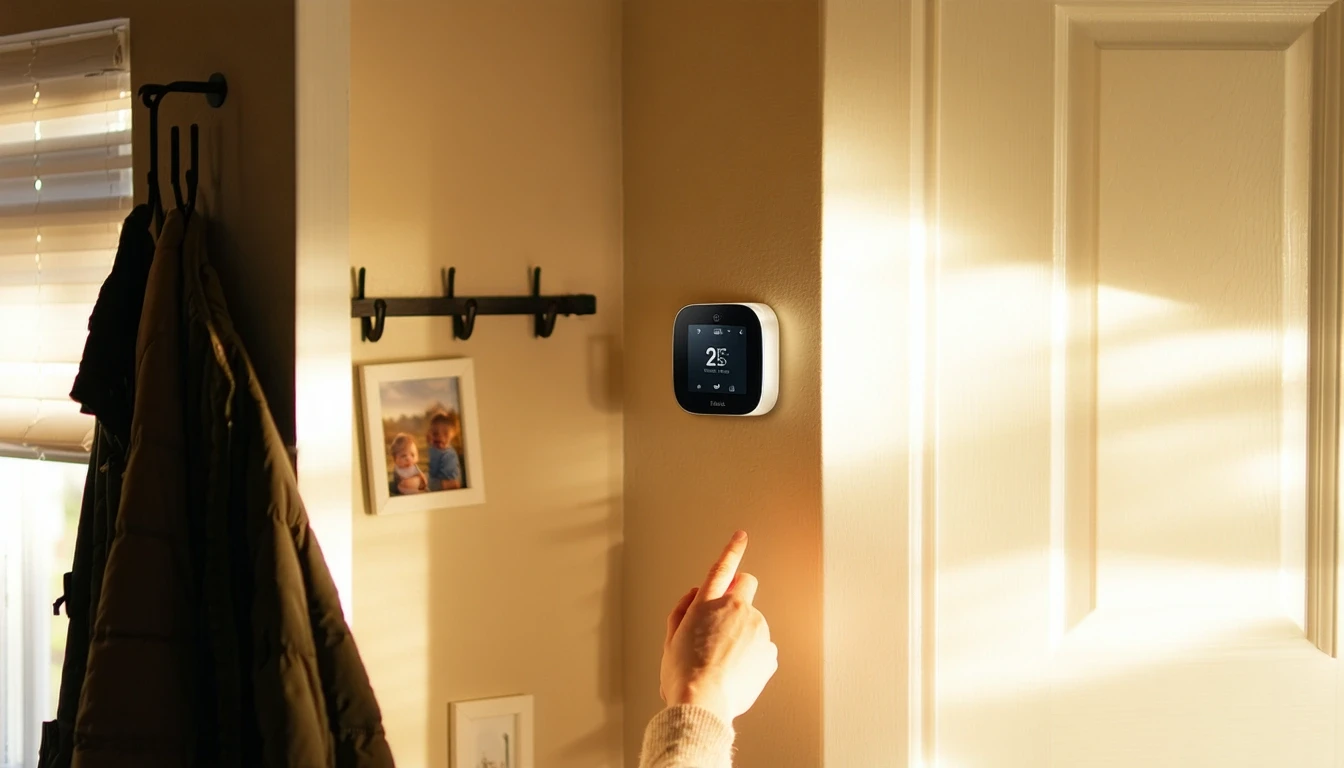
For households willing to invest upfront, energy efficiency upgrades deliver long-term savings. Programmable or smart thermostats allow precise control over heating and cooling schedules, reducing waste when no one is home. Insulation improvements, particularly in attics and crawl spaces, lower the load on HVAC systems year-round. Replacing older appliances with Energy Star models cuts both electricity and water usage, though the payback period depends on how heavily the appliances are used.
- Enroll in budget billing programs offered by local providers to smooth out seasonal swings into predictable monthly payments
- Check for Maryland state and federal solar incentives if considering rooftop panels; Germantown’s latitude supports viable solar generation
- Install smart thermostats that learn household patterns and adjust heating and cooling automatically
- Plant shade trees on south- and west-facing sides of the home to reduce summer cooling loads naturally
- Seal ductwork and insulate attics to prevent conditioned air from escaping before it reaches living spaces
- Replace incandescent bulbs with LEDs to cut lighting costs by up to 75% over the bulb’s lifetime
- Run dishwashers and washing machines with full loads during off-peak hours if your provider offers time-of-use rates
- Inspect water fixtures for leaks; a dripping faucet or running toilet can waste hundreds of gallons per month
🏆 Tip: Check if your provider in Germantown offers rebates for energy-efficient AC units or heating systems. Many Maryland utilities run seasonal incentive programs that cover part of the upgrade cost, shortening the payback window and reducing long-term exposure to rate increases.
FAQs About Utility Costs in Germantown
Why are utility bills so high in Germantown during summer?
Germantown’s hot, humid summers force air conditioners to run longer and work harder to remove both heat and moisture from indoor air. Homes with older HVAC systems, poor insulation, or south-facing windows without shading see the steepest increases, sometimes doubling their spring bills.
Do HOAs in Germantown usually include trash or water in their fees?
Many townhome and condo associations in Germantown bundle trash collection and sometimes water service into monthly HOA dues, simplifying billing but reducing direct control over usage-based costs. Single-family homeowners typically manage these accounts separately, paying the provider directly.
How much should a family of four budget for utilities in Germantown each month?
Budgeting depends on home size, fuel type, and seasonal timing, but families should plan for higher electricity costs during summer and elevated gas or electric heating bills in winter. Reviewing the first full year of bills provides the best baseline for future planning, since where money goes varies with household behavior and home efficiency.
Does Germantown offer incentives for solar panels or energy-efficient appliances?
Maryland provides state-level solar incentives, including tax credits and net metering programs that allow homeowners to sell excess generation back to the grid. Some local utilities also offer rebates for high-efficiency HVAC systems, water heaters, and appliances, though availability and amounts change periodically.
Are trash and recycling billed separately in Germantown or included with water service?
It depends on the neighborhood and service provider. Some areas receive county-managed collection included in property taxes, others pay a separate monthly fee to a private hauler, and some HOA communities bundle it into association dues. New residents should confirm the arrangement with their landlord, HOA, or county office.
How Utilities Fit Into the Cost Structure in Germantown
Utilities represent a significant but manageable share of household expenses in Germantown, sitting between housing and transportation in most budgets. Unlike rent or mortgage payments, which remain fixed, utility costs respond to both external conditions—weather, rate changes—and internal decisions about usage and efficiency. This makes them a key lever for households looking to control spending without relocating or changing jobs.
The interaction between utilities and other costs matters more than the absolute dollar amounts. A household that chooses a larger home to accommodate a growing family will face higher heating, cooling, and water bills, even if the base rates stay constant. Similarly, a home farther from work may reduce commuting costs if it allows remote work, but the tradeoff often includes higher utility exposure due to increased square footage. Understanding these dynamics helps households evaluate where your money goes and make informed decisions about housing, location, and lifestyle.
For new movers and long-time residents alike, utilities are best understood as a variable cost with predictable seasonal patterns. By tracking usage over a full year, identifying the primary drivers—cooling in summer, heating in winter—and targeting efficiency improvements where they’ll have the most impact, households can reduce volatility and redirect savings toward other priorities. Germantown’s infrastructure supports this approach: providers offer budget billing, rebate programs, and time-of-use rates that reward strategic planning.
Explore more about how utilities interact with housing, transportation, and overall affordability in Germantown by visiting IndexYard’s full cost-of-living hub for the area. Whether you’re planning a move, negotiating a lease, or evaluating a home purchase, understanding the full picture helps you make decisions with confidence.
How this article was built: In addition to public economic data, this article incorporates location-based experiential signals derived from anonymized geographic patterns—such as access density, walkability, and land-use mix—to reflect how day-to-day living actually feels in Germantown, MD.