
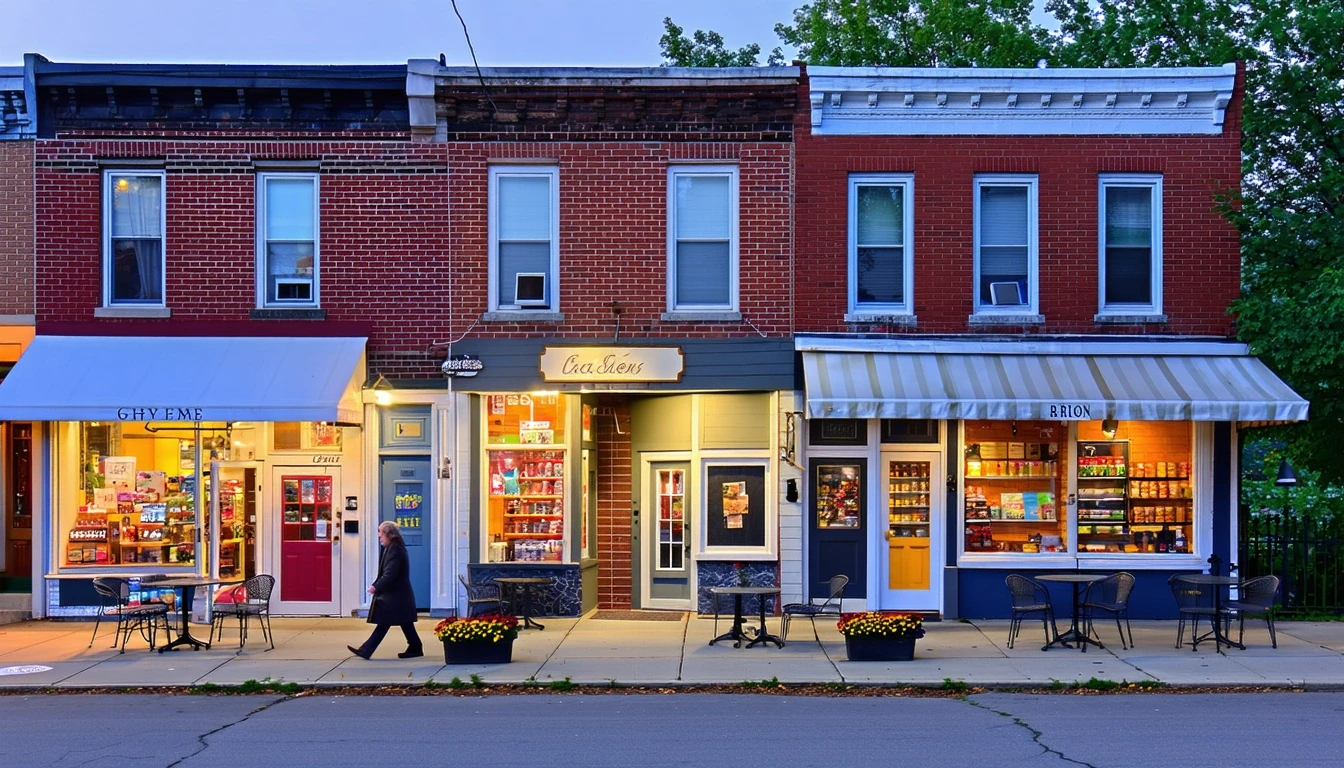
Most people assume Gaithersburg costs more across the board because home values run higher—but that’s only part of the story. In 2026, choosing between Germantown and Gaithersburg isn’t about finding the “cheaper” city. It’s about understanding where cost pressure shows up, how predictable it is, and which household type feels it most. Both cities sit in Montgomery County, share the same metro transit network, and face identical utility rates. Yet the way costs concentrate—and the daily friction they create—differs in ways that matter more than median income alone suggests.
Germantown and Gaithersburg attract similar demographics: dual-income professionals, young families, and commuters working in the broader Washington, D.C. metro. But Germantown offers a lower entry point for homeownership and hospital access within city limits, while Gaithersburg delivers denser grocery options, more integrated parks, and a more vertical building profile that supports walkable errands in certain neighborhoods. The decision hinges on whether your household prioritizes front-loaded housing savings or ongoing convenience and access—and whether you’re more exposed to healthcare needs, school infrastructure, or the daily logistics of errands and green space.
This comparison explains how the same gross monthly income feels different depending on which costs dominate your household, which tradeoffs you control, and where friction turns into real money or time. No city wins universally. The better fit depends on what you can’t compromise on—and what you’re willing to plan around.
Housing Costs
Germantown’s median home value sits at $393,700, while Gaithersburg’s reaches $472,800—a gap that reshapes the entire housing decision for buyers. That difference doesn’t just affect monthly mortgage obligations; it changes down payment requirements, property tax exposure, and the types of homes available at each price tier. In Germantown, the lower entry point opens access to single-family homes for households that might face condo or townhome options in Gaithersburg at the same budget level. For first-time buyers or families prioritizing yard space and separation from neighbors, Germantown’s housing stock offers more flexibility before stretching into higher price bands.
Renters see a much narrower gap. Germantown’s median gross rent stands at $1,908 per month, compared to Gaithersburg’s $1,925 per month—a difference that matters less than availability and housing type. Both cities lean heavily on apartments and townhome rentals, but Gaithersburg’s more vertical building character means denser apartment clusters near transit and commercial corridors, which can improve walkable access to errands. Germantown’s rental market skews slightly toward townhomes and garden-style complexes, which may offer more space but require more intentional planning for grocery runs and daily logistics. For renters prioritizing convenience over square footage, Gaithersburg’s layout reduces friction. For renters prioritizing space and separation, Germantown delivers more options at similar monthly cost.
The housing pressure in each city concentrates differently depending on household type. Single adults and couples without kids may find Gaithersburg’s apartment-dense neighborhoods more practical for reducing car dependency and shortening errands loops, even if home purchase feels further out of reach. Families with kids face a starker tradeoff: Germantown’s lower home values make ownership more accessible, but Gaithersburg’s school density and park integration create a stronger family infrastructure once you’re in. Long-term owners in Germantown benefit from lower initial property tax bases, while Gaithersburg homeowners accept higher front-loaded costs in exchange for denser amenities and shorter daily travel distances within the city.
| Housing Type | Germantown | Gaithersburg |
|---|---|---|
| Median Home Value | $393,700 | $472,800 |
| Median Gross Rent | $1,908/month | $1,925/month |
| Typical Entry Housing | Single-family, townhomes | Apartments, condos, townhomes |
Housing takeaway: Germantown fits households prioritizing lower entry barriers and single-family access, especially first-time buyers or families willing to trade denser amenities for affordability. Gaithersburg fits households prioritizing walkable errands, apartment living near transit, and integrated parks, even if it means accepting higher home values and front-loaded ownership costs. Renters see minimal monthly difference, but Gaithersburg’s building form supports car-light living more naturally in certain neighborhoods.
Utilities and Energy Costs

Both Germantown and Gaithersburg face identical utility rate structures: 20.61¢/kWh for electricity and $15.96/MCF for natural gas. Because both cities sit in the same climate zone with similar seasonal heating and cooling demands, the primary driver of utility cost differences isn’t the rates—it’s housing type, home age, and square footage. Germantown’s housing stock skews toward single-family homes and townhomes, many built in suburban expansion phases that prioritized space over energy efficiency. Gaithersburg’s more vertical building character means more apartment units and newer mid-rise construction, which tends to insulate better and share heating/cooling loads across units.
For single-family homeowners, Germantown’s larger average home sizes amplify utility exposure during peak summer cooling months and winter heating periods. Older HVAC systems, larger conditioned square footage, and detached construction all push usage higher compared to apartment dwellers in Gaithersburg’s denser neighborhoods. Families in Germantown managing 2,000+ square-foot homes face more volatile seasonal swings, while couples or singles in Gaithersburg apartments benefit from shared walls, smaller footprints, and landlord-managed efficiency upgrades. The rate is the same, but the consumption pattern diverges based on what you’re heating, cooling, and maintaining.
Renters in both cities experience less direct control over utility efficiency, but Gaithersburg’s apartment-heavy rental market often includes water, trash, and sometimes gas in monthly rent—reducing bill complexity and volatility. Germantown renters in townhomes or single-family rentals more often pay utilities separately, which increases exposure to seasonal spikes and requires more active budget planning. Homeowners in both cities can pursue efficiency upgrades, programmable thermostats, and insulation improvements, but Germantown’s older housing stock may require more upfront investment to achieve the same baseline efficiency that newer Gaithersburg construction delivers out of the gate.
Utility takeaway: Germantown households in single-family homes face higher seasonal volatility and larger conditioned spaces, making utility costs less predictable and more sensitive to home age and maintenance. Gaithersburg households in apartments or newer construction experience more stable, lower baseline usage, with less exposure to extreme seasonal swings. Families prioritizing space accept higher utility exposure in Germantown; singles and couples prioritizing predictability benefit from Gaithersburg’s denser, newer housing forms.
Groceries and Daily Expenses
Grocery and daily spending pressure in Germantown and Gaithersburg differs more in access friction than in price levels. Both cities fall within the same regional price parity index (102), meaning baseline grocery costs track closely. But Gaithersburg’s food and grocery density exceeds high thresholds, creating broadly accessible options that reduce the need to drive long distances or plan multi-stop trips. Germantown’s grocery infrastructure clusters along corridors, meaning some neighborhoods enjoy walkable access while others require intentional car trips to reach full-service supermarkets or discount grocers.
For single adults and couples, Gaithersburg’s denser food establishment layout supports more spontaneous grocery runs, quick meal pickups, and access to specialty or prepared food options without crossing town. Germantown households in corridor-adjacent neighborhoods experience similar convenience, but those in residential pockets farther from commercial strips face longer drives and fewer last-minute options. This doesn’t necessarily raise per-item costs, but it increases the time cost of grocery shopping and the likelihood of relying on convenience stores or takeout when planning falls short—both of which quietly inflate monthly food spending.
Families managing larger grocery volumes feel this difference more acutely. Gaithersburg’s broader grocery accessibility means more competitive pricing across multiple stores within short distances, giving families flexibility to comparison-shop or split trips between discount grocers and specialty markets. Germantown families often consolidate grocery trips to reduce driving, which can mean fewer opportunities to chase sales or avoid premium pricing at the nearest option. Dining out and convenience spending also diverge: Gaithersburg’s denser restaurant and cafe presence increases temptation and accessibility, which can drive up discretionary food spending for households with less rigid budgets. Germantown’s more dispersed layout naturally limits impulse dining, but it also reduces options for quick, affordable meals when cooking feels like too much effort.
Grocery takeaway: Gaithersburg fits households prioritizing grocery flexibility, walkable food access, and competitive pricing across multiple nearby stores, though denser dining options may increase discretionary spending. Germantown fits households willing to plan grocery trips intentionally and drive to access full-service supermarkets, with less temptation for impulse dining but more reliance on car-based errands. Families with rigid grocery budgets may find Gaithersburg’s density helpful; families prioritizing fewer trips and less dining temptation may prefer Germantown’s layout.
Taxes and Fees
Property taxes in both Germantown and Gaithersburg follow Montgomery County’s assessment and millage structure, but the difference in median home values creates divergent tax obligations for homeowners. Gaithersburg’s higher median home value of $472,800 means a larger assessed base compared to Germantown’s $393,700, translating to higher annual property tax bills even at identical rates. For long-term homeowners, this gap compounds over years of ownership, making Gaithersburg’s front-loaded housing cost extend into ongoing tax exposure. Germantown homeowners benefit from lower assessments, which reduces both initial tax obligations and the rate at which taxes grow as property values appreciate.
Renters in both cities don’t pay property taxes directly, but landlords pass those costs through in monthly rent—and the nearly identical median gross rents ($1,908 in Germantown vs. $1,925 in Gaithersburg) suggest that tax differences get absorbed into overall rent structures rather than creating visible monthly gaps. However, renters in Gaithersburg’s denser apartment buildings may see more bundled fees (trash, water, parking) included in rent, while Germantown renters in townhomes or single-family rentals more often pay utilities and services separately. This doesn’t raise total costs, but it shifts predictability: Gaithersburg renters face fewer surprise bills, while Germantown renters manage more line items and seasonal variability.
HOA fees and special assessments also behave differently depending on housing type. Gaithersburg’s more vertical building character and denser condo/townhome developments often come with higher HOA fees that cover shared amenities, landscaping, and building maintenance. Germantown’s single-family-heavy housing stock means fewer mandatory HOA fees for detached homes, though townhome and planned communities still carry monthly obligations. Homeowners prioritizing autonomy and lower recurring fees may find Germantown’s housing mix more flexible, while those valuing bundled services and shared amenities may accept Gaithersburg’s higher HOA costs as part of the convenience package.
Tax and fee takeaway: Germantown homeowners face lower property tax exposure due to lower home values, with more single-family options that avoid mandatory HOA fees. Gaithersburg homeowners accept higher property taxes and more frequent HOA obligations in exchange for denser amenities and bundled services. Renters see minimal monthly difference, but Gaithersburg’s bundled fee structures reduce bill complexity, while Germantown’s separate utility billing increases variability and planning burden.
Transportation & Commute Reality
Both Germantown and Gaithersburg offer rail transit access, but commute patterns and car dependency diverge in ways that reshape daily time and fuel costs. Germantown’s average commute clocks in at 33 minutes, with 53.6% of workers facing long commutes and 17.1% working from home. Gaithersburg’s average commute runs shorter at 30 minutes, with 47.0% facing long commutes and 14.3% working from home. The three-minute average difference may seem minor, but it reflects Gaithersburg’s denser commercial corridors and closer proximity to major employment nodes within Montgomery County, reducing the need for extended highway drives or multi-leg transit trips.
Gas prices sit nearly identical—$4.10/gal in Germantown vs. $4.08/gal in Gaithersburg—so fuel cost differences come down to how much you drive, not what you pay per gallon. Germantown’s corridor-clustered errands accessibility and lower walkability in residential pockets mean more households rely on cars for daily logistics, even if they use transit for work commutes. Gaithersburg’s broadly accessible food and grocery density, combined with more walkable pockets near rail stations, allows some households to reduce car trips for errands and short-distance needs. For single adults or couples living near Gaithersburg’s denser nodes, a car may shift from essential to optional for weekend errands, while Germantown households across most neighborhoods treat car ownership as non-negotiable.
Transit viability matters more for households trying to avoid two-car ownership or reduce parking costs. Both cities have rail service, but Gaithersburg’s more vertical building character and mixed-use presence near stations create more opportunities to live within walking distance of transit and daily needs. Germantown’s rail access exists, but residential neighborhoods often sit farther from stations, requiring park-and-ride lots or feeder bus connections that add time and complexity. For dual-income couples where one partner works locally and the other commutes into D.C., Gaithersburg’s layout supports more flexible one-car arrangements, while Germantown’s spread pushes most households toward two vehicles.
Transportation takeaway: Germantown fits households already committed to car ownership and longer commutes, with lower housing costs offsetting higher transportation time and fuel usage. Gaithersburg fits households prioritizing shorter commutes, walkable errands near transit, and the possibility of reducing car dependency in denser neighborhoods. Families with two working adults may find Gaithersburg’s layout reduces the need for a second vehicle, while Germantown’s structure assumes car access for nearly all daily logistics.
Cost Structure Comparison
Housing dominates the cost experience in both cities, but the pressure shows up differently. Germantown’s lower median home value of $393,700 reduces the front-loaded barrier to ownership—down payments, closing costs, and initial property tax assessments all start lower. Gaithersburg’s $472,800 median pushes buyers into higher mortgage obligations and property tax exposure from day one. For first-time buyers or families stretching to afford single-family homes, Germantown’s entry point matters more than Gaithersburg’s denser amenities. But for households prioritizing walkable errands, integrated parks, and shorter commutes, Gaithersburg’s higher housing cost buys ongoing convenience that reduces daily friction and car dependency.
Utilities introduce similar seasonal volatility in both cities due to identical rates, but Germantown’s single-family-heavy housing stock amplifies exposure. Larger homes, older construction, and detached layouts mean higher baseline usage and less predictable bills during peak heating and cooling months. Gaithersburg’s more vertical building character and newer apartment stock insulate households from extreme swings, creating more stable monthly utility obligations. Families in Germantown managing 2,000+ square-foot homes face higher ongoing energy costs than couples in Gaithersburg apartments, even at the same rate per kilowatt-hour.
Daily living and groceries shift from a price question to an access question. Gaithersburg’s broadly accessible food and grocery density means fewer long drives, more competitive pricing across nearby stores, and less reliance on convenience spending when planning falls short. Germantown’s corridor-clustered grocery infrastructure works well for households near commercial strips but requires more intentional trip planning for those in residential pockets. This doesn’t necessarily raise per-item costs, but it increases the time cost of errands and the likelihood of impulse takeout or convenience store markups when quick options aren’t nearby.
Transportation patterns reinforce these differences. Gaithersburg’s shorter average commute (30 minutes vs. 33 minutes) and denser walkable pockets near rail reduce car dependency for some households, especially singles and couples living near transit. Germantown’s longer commutes and more car-reliant errands structure mean most households need reliable vehicle access, which adds fuel, insurance, and maintenance costs that Gaithersburg households in denser neighborhoods may avoid or reduce. For dual-income couples, Gaithersburg’s layout supports more flexible one-car arrangements, while Germantown’s spread assumes two vehicles for most families.
The decision isn’t about which city costs less overall—it’s about which cost structure fits your household’s priorities. Households sensitive to front-loaded housing costs and willing to plan around car-based errands may prefer Germantown’s lower entry point and single-family access. Households prioritizing daily convenience, walkable amenities, and reduced car dependency may accept Gaithersburg’s higher home values in exchange for lower ongoing friction. For families with kids, the tradeoff sharpens: Germantown offers more affordable ownership but limited family infrastructure, while Gaithersburg delivers stronger park integration and school density at a higher price.
How the Same Income Feels in Germantown vs Gaithersburg
Single Adult
For a single adult, housing becomes the first non-negotiable cost, and the gap between Germantown’s lower rents in townhomes and Gaithersburg’s apartment-dense neighborhoods near transit reshapes flexibility. In Gaithersburg, walkable errands and shorter commutes reduce the need for a car in certain neighborhoods, freeing up budget that would otherwise go to fuel, insurance, and parking. In Germantown, car ownership shifts from optional to required, and grocery trips require more planning, which increases time cost even if per-item prices stay similar. Flexibility exists in Gaithersburg through proximity and density; in Germantown, it exists through lower housing entry points that leave more room for discretionary spending elsewhere.
Dual-Income Couple
For a dual-income couple, the decision hinges on whether both partners commute or one works locally. Gaithersburg’s shorter average commute and denser errands accessibility reduce the friction of managing two schedules, and the possibility of one-car living becomes more realistic near transit nodes. Germantown’s lower home values reduce front-loaded costs, but the longer commutes and car-reliant errands structure mean most couples need two vehicles, which adds ongoing fuel, maintenance, and insurance obligations. Predictability lives in Gaithersburg’s bundled apartment fees and walkable layout; in Germantown, it lives in lower property taxes and more single-family space, with the tradeoff of higher transportation time and cost.
Family with Kids
For a family with kids, non-negotiable costs expand to include school proximity, park access, and healthcare availability. Germantown offers hospital presence within city limits and lower home values that make single-family ownership more accessible, but school and playground density fall below thresholds, requiring more driving to access family amenities. Gaithersburg’s integrated parks, higher school density, and broadly accessible groceries reduce daily logistics friction, but the higher median home value front-loads more cost into mortgage and property taxes. Flexibility disappears faster in Gaithersburg due to higher housing entry barriers, but once in, the density of family infrastructure reduces the ongoing time cost of managing kids’ needs. In Germantown, flexibility exists in lower ownership costs, but the daily friction of driving to parks, schools, and errands adds hidden time and fuel expenses that tighten schedules even when budgets look stable.
Decision Matrix: Which City Fits Which Household?
| Decision factor | If you’re sensitive to this… | Germantown tends to fit when… | Gaithersburg tends to fit when… |
|---|---|---|---|
| Housing entry + space needs | You prioritize lower down payments, single-family access, or long-term property tax savings | You’re a first-time buyer or family willing to trade denser amenities for affordability and yard space | You prioritize walkable apartment living near transit and accept higher front-loaded ownership costs for convenience |
| Transportation dependence + commute friction | You want shorter commutes, walkable errands, or the option to reduce car dependency | You’re already committed to car ownership and longer commutes, and lower housing costs offset transportation time and fuel usage | You live near transit nodes, work locally, or want to avoid two-car ownership through denser walkable infrastructure |
| Utility variability + home size exposure | You want predictable monthly bills and lower seasonal swings in heating and cooling costs | You accept higher utility volatility in exchange for larger single-family homes and more square footage | You prefer apartment living or newer construction that insulates you from extreme seasonal utility spikes |
| Grocery strategy + convenience spending creep | You want walkable grocery access, competitive pricing across nearby stores, or fewer long drives for errands | You’re willing to plan grocery trips intentionally and drive to access full-service supermarkets with less dining temptation | You prioritize spontaneous errands, walkable food options, and competitive grocery density even if it increases dining-out temptation |
| Fees + friction costs (HOA, services, upkeep) | You want to avoid mandatory HOA fees or prefer managing services separately for more control | You prioritize single-family homes with fewer bundled fees and more autonomy over maintenance and services | You value bundled HOA services, shared amenities, and predictable monthly fees that reduce surprise costs |
| Time budget (schedule flexibility, errands, logistics) | You want to minimize daily driving, reduce errands friction, or live closer to family infrastructure like parks and schools | You have schedule flexibility to plan longer trips and prioritize lower housing costs over proximity to daily amenities | You need integrated parks, shorter errands loops, and denser family infrastructure to reduce daily logistics complexity |
Lifestyle Fit
Germantown and Gaithersburg share the same metro region, but the texture of daily life diverges in ways that indirectly affect costs. Germantown’s layout favors car-based mobility, with walkable pockets concentrated near commercial corridors but most residential neighborhoods requiring intentional driving for errands, recreation, and healthcare. The city offers hospital access within its boundaries, which reduces travel time for families managing chronic conditions or emergency needs, but school and playground density fall below thresholds, meaning families often drive to access youth sports, parks, or after-school activities. This structure works well for households that already own cars and prioritize yard space and single-family separation over walkable convenience.
Gaithersburg’s more vertical building character and broadly accessible grocery and food density create denser nodes where errands, dining, and transit align within shorter distances. Parks integrate more thoroughly across neighborhoods, and school density reaches moderate levels, reducing the need for long drives to access family infrastructure. For households with young kids or dual-income couples managing tight schedules, Gaithersburg’s layout compresses daily logistics into smaller geographic loops, which saves time and fuel even if housing costs run higher. The tradeoff: less yard space, more shared walls, and higher likelihood of HOA fees that bundle services but reduce autonomy.
Recreation and outdoor access also differ structurally. Germantown’s park density sits in the moderate range, with water features present but fewer high-density green spaces within walking distance of residential areas. Gaithersburg’s park density exceeds high thresholds, meaning more neighborhoods enjoy nearby trails, playgrounds, and open space without requiring car trips. For families prioritizing outdoor time and active lifestyles, Gaithersburg’s integrated green space reduces the friction of getting kids outside, while Germantown’s parks require more planning and driving. Singles and couples without kids may not feel this difference as acutely, but it reshapes weekend routines and the hidden time cost of maintaining an active lifestyle.
Quick fact: Germantown offers hospital access within city limits, reducing healthcare travel time for families managing ongoing medical needs.
Quick fact: Gaithersburg’s park density exceeds high thresholds, creating more walkable access to green space and outdoor recreation across residential neighborhoods.
Frequently Asked Questions
Is Germantown or Gaithersburg cheaper for renters in 2026?
Renters see nearly identical median gross rents—$1,908/month in Germantown vs. $1,925/month in Gaithersburg—so the monthly cost difference is minimal. The real distinction lies in housing type and bundled services: Gaithersburg’s apartment-dense neighborhoods often include water, trash, and parking in rent, reducing bill complexity, while Germantown’s townhome-heavy rental market more often requires separate utility payments. Renters prioritizing walkable errands and transit proximity may find Gaithersburg’s layout more practical, while those prioritizing space and lower entry-level rents may prefer Germantown’s options.
Which city has lower home prices, Germantown or Gaithersburg, in 2026?
Germantown’s median home value of $393,700 sits substantially lower than Gaithersburg’s $472,800, making Germantown more accessible for first-time buyers or families prioritizing single-family homes with yard space. This gap affects down payments, property tax assessments, and monthly mortgage obligations, giving Germantown a clear advantage for households sensitive to front-loaded housing costs. However, Gaithersburg’s higher home values correspond with denser amenities, shorter commutes, and more walkable infrastructure, which may offset the higher entry cost for households prioritizing daily convenience over ownership affordability.
Do Germantown and Gaithersburg have the same utility rates in 2026?
Yes, both cities face identical utility rates: 20.61¢/kWh for electricity and $15.96/MCF for natural gas. The difference in utility costs comes from housing type, home size, and construction age, not the rates themselves. Germantown’s single-family-heavy housing stock means larger conditioned spaces and more seasonal volatility, while Gaithersburg’s more vertical building character and newer apartment construction reduce baseline usage and insulate households from extreme swings. Families in older, larger homes in Germantown face higher utility exposure than couples in newer Gaithersburg apartments, even at the same rate.
Which city is better for families with kids, Germantown or Gaithersburg, in 2026?