
Is Germantown expensive to live in? Germantown is considered moderately priced in 2026, with a median home value of $393,700 and median rent of $1,908 per month. The value proposition depends heavily on housing entry cost versus transportation exposure—rail access and commute pattern determine whether the city feels affordable or stretched.
Budgeting for a move means understanding not just what things cost, but which costs dominate your monthly pressure and which ones you can control. In Germantown, the answer isn’t uniform: housing is the unavoidable anchor, but transportation can swing from negligible to significant depending on where you work and how you get there. Utility bills follow seasonal rhythms rather than flat baselines, and grocery costs sit slightly above the national average without creating daily sticker shock. The city’s cost structure rewards those who can leverage rail transit and work flexibility, while penalizing long car commutes and families stretched across multiple daily errands.
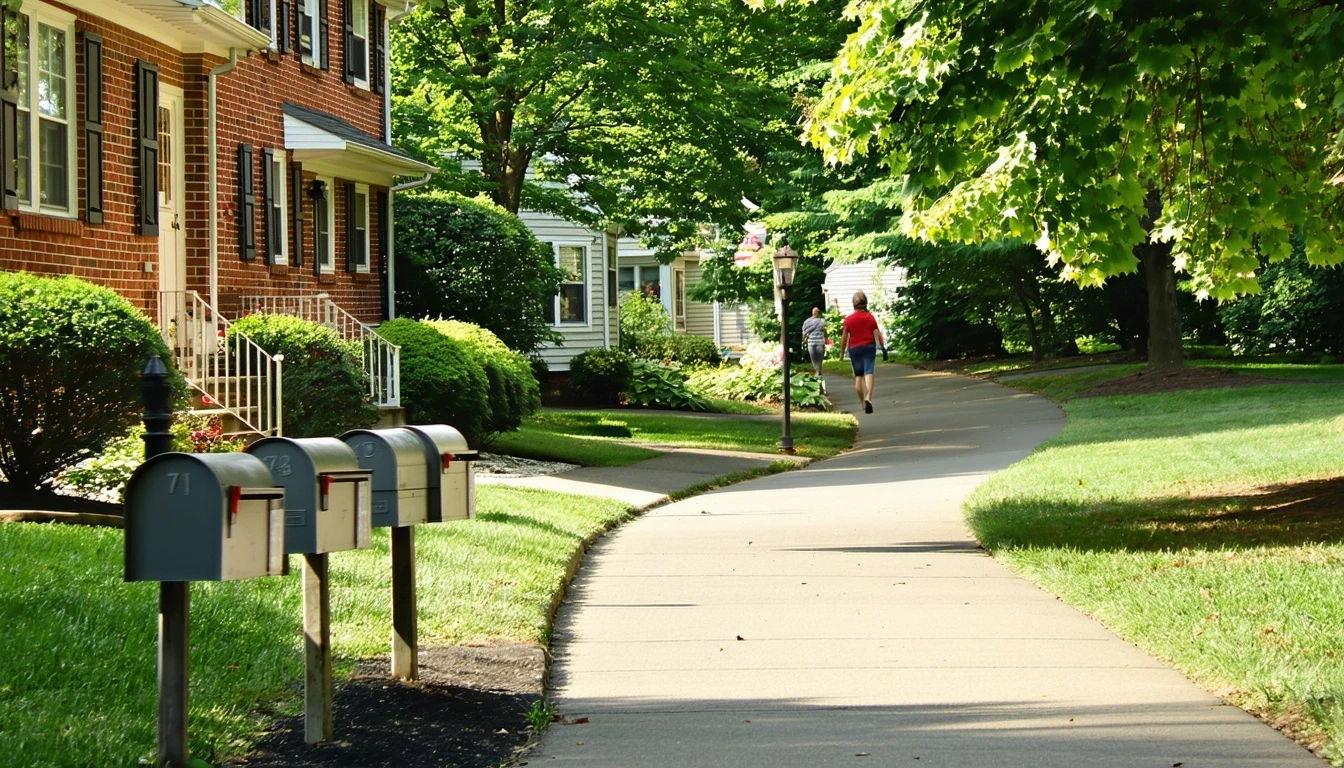
Overall Cost of Living Snapshot
Germantown’s regional price parity index sits at 102, meaning the overall cost of goods and services runs about 2% above the national baseline. That modest premium doesn’t tell the full story—housing and transportation create the real cost texture here, while groceries and utilities add moderate, predictable pressure. The city functions as a commuter suburb within the Washington, DC metro area, which shapes both opportunity and expense: median household income reaches $109,268 per year, but over half of workers (53.6%) face long commutes, and only 17.1% work from home. The unemployment rate of 2.7% signals a tight labor market, but job access often requires either a lengthy drive or strategic use of the area’s rail service.
The primary cost driver is housing entry—whether buying at nearly $400,000 or renting at nearly $2,000 per month. The secondary driver is transportation, which splits the population into distinct exposure groups: those who commute by rail or work remotely face minimal ongoing costs, while those driving 25+ miles daily absorb significant fuel, maintenance, and time costs. Utility volatility is real but manageable, driven by winter heating rather than summer cooling. Grocery costs run slightly elevated but don’t create the same budget swings as housing or commuting.
Driver verdict: Housing dominates upfront and monthly cost structure. Transportation exposure varies wildly based on commute mode and distance—rail access and remote work suppress costs, while long car commutes magnify them. Surprises come from the gap between walkable pockets near commercial corridors and car-dependent residential zones, and from winter natural gas bills that can spike unexpectedly during cold snaps.
Housing Costs (Primary Driver)
Housing is the unavoidable anchor in Germantown’s cost equation. The median home value of $393,700 reflects the city’s position within the DC metro orbit—close enough to access regional employment and infrastructure, but far enough that prices haven’t reached inner-suburb levels. For buyers, this means a substantial down payment and mortgage commitment, with property taxes and insurance adding ongoing pressure. The median gross rent of $1,908 per month positions Germantown as a moderately priced rental market, neither a bargain nor a luxury tier, but a reflection of demand from commuters, federal employees, and families seeking more space than closer-in options provide.
The renting versus owning calculus here hinges on timeline and transportation strategy. Renters gain flexibility and avoid maintenance exposure, which matters in a city where job mobility and commute changes are common. Owners build equity and lock in a fixed housing cost against a backdrop of rising rents, but they also absorb property tax adjustments, repair costs, and the risk that a job change could turn a manageable commute into an unsustainable one. The city’s land use mix—residential zones interspersed with commercial corridors—means that location within Germantown significantly affects both housing cost and daily convenience. Proximity to rail stations, grocery clusters, and walkable pockets commands a premium, while car-dependent edges offer lower entry costs but higher transportation exposure.
Conclusion: Germantown is a buying market for those with stable, long-term employment in the DC metro area and the capital to enter at nearly $400,000. It’s a transitional rental market for those testing commute viability, building savings, or uncertain about long-term regional attachment. The city rewards those who can align housing location with transit access and punishes those who treat it as interchangeable suburban space.
| Housing Type | Cost Anchor | What That Buys You |
|---|---|---|
| Median Home Purchase | $393,700 | Equity-building, fixed monthly housing cost, exposure to maintenance and property tax adjustments, requires substantial down payment |
| Median Rental | $1,908/month | Flexibility, no maintenance risk, no equity, exposure to annual rent increases, easier exit if commute becomes unsustainable |
Utilities & Energy Risk
Utility costs in Germantown follow a seasonal rhythm rather than a flat monthly baseline. Electricity rates sit at 20.61¢ per kWh, which is elevated compared to many U.S. markets but not extreme within the Mid-Atlantic region. For illustrative context, a household using around 1,000 kWh per month would face roughly $206 in electricity charges before fees and taxes—a moderate baseline that rises during summer air conditioning use but doesn’t dominate the budget the way housing or transportation do.
Natural gas, priced at $15.96 per MCF (roughly equivalent to 100 therms), introduces more volatility. Winter heating months drive the highest gas consumption, and cold snaps can push usage well above typical levels, creating bill spikes that catch households off guard. The risk isn’t catastrophic, but it’s real: a household that budgets for summer utility minimums will face meaningfully higher bills from December through February. The city’s climate—hot, humid summers and cold winters—means both heating and cooling matter, but heating exposure tends to create sharper swings because gas prices and consumption both vary with weather intensity.
Risk classification: Moderate. Utility costs won’t break a budget on their own, but winter gas bills can swing unpredictably, and electricity costs remain steady but elevated. Households that manage thermostat discipline, improve insulation, or time high-energy tasks strategically can reduce exposure, but the baseline cost structure remains tied to regional rates and climate realities.
Groceries & Daily Costs
Grocery costs in Germantown run slightly above the national average, consistent with the city’s regional price parity index of 102. The pressure isn’t severe—staples like bread, eggs, milk, and chicken cost modestly more than in lower-cost regions, but not enough to create daily sticker shock. The bigger factor is access friction: grocery density is corridor-clustered, meaning that some households enjoy convenient access to multiple stores, while others face longer drives or reliance on a single nearby option. This doesn’t just affect time—it affects the ability to comparison shop, buy in bulk, or take advantage of sales, all of which influence real grocery spending more than per-item pricing.
For households located near commercial corridors with high grocery density, daily errands feel manageable and costs stay predictable. For those in car-dependent residential pockets, grocery trips become bundled tasks rather than quick stops, and the temptation to rely on convenience stores or takeout increases when time is tight. The city’s walkable pockets and notable bike infrastructure help some residents reduce reliance on driving for errands, but the overall pattern is corridor-dependent: access quality varies significantly by neighborhood, and that variation shapes both cost and convenience.
The practical impact: grocery costs add moderate, steady pressure—not a primary budget driver, but enough to notice over time, especially for larger households or those without easy access to competitive grocery clusters.
Transportation Reality
Transportation is where Germantown’s cost structure diverges sharply based on individual circumstances. The average commute is 33 minutes, but that average masks a critical split: 53.6% of workers face long commutes, while 17.1% work from home. For those commuting by car over typical distances—say, 25 miles round trip at 25 MPG with gas priced at $4.10 per gallon—fuel alone runs over $4 per workday, before accounting for maintenance, insurance, tolls, or parking. Over a month, that’s a recurring exposure that rivals or exceeds utility costs, and it’s largely non-negotiable once a job and housing location are set.
The city’s rail service changes the equation for those who can access it. Rail commuters avoid fuel costs, reduce vehicle wear, and gain predictable travel time, though they trade control and flexibility. The presence of rail infrastructure—confirmed with high confidence—means that Germantown isn’t purely car-dependent, but access to rail isn’t uniform across the city. Households near stations enjoy a structural cost advantage; those in car-dependent zones face compounding transportation exposure, especially if they own multiple vehicles or have irregular schedules that make transit impractical.
Bike infrastructure is notable throughout parts of the city, offering a low-cost option for short trips and errands, but it doesn’t replace car or rail for most commutes given the distances involved. The walkable pockets identified in the city support some car-free errands, but the overall pattern is mixed: transportation costs range from negligible (remote workers, rail commuters) to substantial (long car commutes, multi-vehicle households), and that range is the defining variable in whether Germantown feels affordable or stretched.
Transportation as recurring exposure: Unlike housing, which is a fixed anchor, transportation costs fluctuate with gas prices, vehicle age, and commute frequency. A job change, a second vehicle, or a shift from remote to in-office work can transform transportation from a minor line item into a major budget pressure. The city’s structure rewards those who can minimize car dependency and punishes those who can’t.
Cost Exposure Profiles
In Germantown, cost exposure is shaped more by structural choices—where you live within the city, how you commute, and whether you own or rent—than by income alone. The dominant exposures are housing entry cost, transportation mode and distance, and utility seasonality. These don’t affect all households equally; instead, they create distinct exposure profiles based on how daily life is organized.
Low-exposure situations: Rail commuters who live near stations and work in the DC metro area face minimal transportation costs and predictable travel time. Remote workers eliminate commuting costs entirely and gain flexibility in housing location, allowing them to prioritize lower rent or mortgage payments over proximity to transit. Households located near commercial corridors with high grocery density reduce both time and fuel spent on errands, and those in walkable pockets can handle many daily tasks on foot or by bike. Renters avoid maintenance shocks and property tax adjustments, and they retain the flexibility to relocate if a commute becomes unsustainable or rent increases sharply.
High-exposure situations: Long car commutes—affecting over half of workers—create recurring fuel, maintenance, and time costs that compound monthly and escalate with gas price volatility. Families needing proximity to schools and playgrounds face limited options, as school and playground density both fall below typical thresholds, forcing tradeoffs between housing cost and access to family infrastructure. Single-vehicle households with irregular schedules can’t rely on rail and face compounded pressure if one partner has a long commute and the other needs the car for errands. Homeowners absorb property tax changes, maintenance surprises, and the risk that a job change could strand them with an unmanageable commute. Winter gas bills spike unpredictably during cold snaps, and households that budget based on summer minimums face shortfalls when heating costs surge.
The city’s mixed urban form—residential zones interspersed with commercial corridors, walkable pockets alongside car-dependent edges—means that location within Germantown determines which exposures dominate. Proximity to rail, grocery clusters, and walkable infrastructure reduces ongoing costs and increases resilience to price shocks. Distance from those resources magnifies transportation and time costs, and it limits the ability to adapt when circumstances change. The cost structure here isn’t about whether Germantown is expensive in the abstract; it’s about whether your specific housing location, commute pattern, and household logistics align with the city’s infrastructure or fight against it.
Frequently Asked Questions
Is Germantown more affordable than nearby cities in the DC metro area in 2026? Germantown tends to be moderately priced compared to closer-in DC suburbs, offering lower housing entry costs than places like Bethesda or Rockville, but higher costs than more distant exurbs. The tradeoff is commute length versus housing price—Germantown sits in the middle, where you pay less for space but more for transportation if you work closer to the city center.
What does a typical cost profile look like in Germantown? Housing dominates, whether renting near $2,000 per month or buying near $400,000. Transportation comes second, varying widely based on commute mode—rail users face minimal costs, while long car commuters absorb significant fuel and maintenance expenses. Utilities add moderate seasonal pressure, with winter gas bills creating the largest swings, and groceries run slightly elevated but predictable.
Do utilities cost more in Germantown than nearby areas? Electricity rates at 20.61¢ per kWh are elevated compared to national averages but typical for the Mid-Atlantic region. Natural gas prices follow regional patterns, with winter heating creating the most volatility. Utility costs aren’t the primary differentiator between Germantown and nearby cities—housing and transportation matter more.
What costs tend to surprise newcomers in Germantown? Winter natural gas bills often surprise households that budget based on summer minimums, as cold snaps drive sharp consumption increases. Transportation costs also catch people off guard—commutes that look manageable on a map can become expensive and time-consuming in practice, especially for those who assumed they could rely on walkability or transit everywhere in the city.
Are property taxes higher in Germantown than in nearby Maryland cities? Property tax rates vary by county and municipality within Maryland, and Germantown sits in Montgomery County, which has its own tax structure. Without specific tax rate data in hand, it’s safest to verify current rates directly, but Montgomery County generally runs higher than more rural Maryland counties and comparable to other inner-ring DC suburbs.
How much does commuting by car versus rail change monthly costs in Germantown? A long car commute—say, 25 miles round trip daily—can cost over $80 per month in fuel alone at current gas prices, before maintenance, insurance, or parking. Rail commuters avoid fuel costs entirely and reduce vehicle wear, though they pay transit fares and sacrifice schedule flexibility. The gap between the two modes can easily exceed $100 per month, and it widens if gas prices rise or a second vehicle becomes necessary.
Is Germantown a good value for families in 2026? Germantown offers space and moderate housing costs compared to closer-in suburbs, but family infrastructure—schools and playgrounds—is limited relative to the city’s size. Families gain affordability on housing but face tradeoffs in school proximity, extracurricular access, and the convenience of walkable family amenities. The value depends on whether you prioritize space and cost over immediate access to family-oriented infrastructure.
How does grocery access affect cost in Germantown? Grocery costs run slightly above the national average, but access friction matters more than per-item pricing. Households near commercial corridors with high grocery density can comparison shop and buy in bulk, keeping costs down. Those in car-dependent zones face longer drives, less choice, and higher temptation to rely on convenience options, all of which push real spending higher even if shelf prices are similar.
How this article was built: In addition to public economic data, this article incorporates location-based experiential signals derived from anonymized geographic patterns—such as access density, walkability, and land-use mix—to reflect how day-to-day living actually feels in Germantown, MD.
—