
Is Germantown the kind of place you grow roots—or just pass through? The answer depends less on what Germantown has and more on what you’re willing to navigate to get it. This Montgomery County suburb offers an unusual mix: rail transit access rare among Washington DC bedroom communities, pockets of genuine walkability, and solid infrastructure—but also long commutes, uneven convenience depending on where you land, and a family amenity landscape that doesn’t quite match the affluence of the housing market. The people who thrive here tend to be those who value the tradeoff of Metro access and relative breathing room over the texture of daily spontaneity. The people who feel restless are often those who expected either full suburban ease or urban vitality, and found Germantown delivers neither completely.
What It Feels Like to Live Here
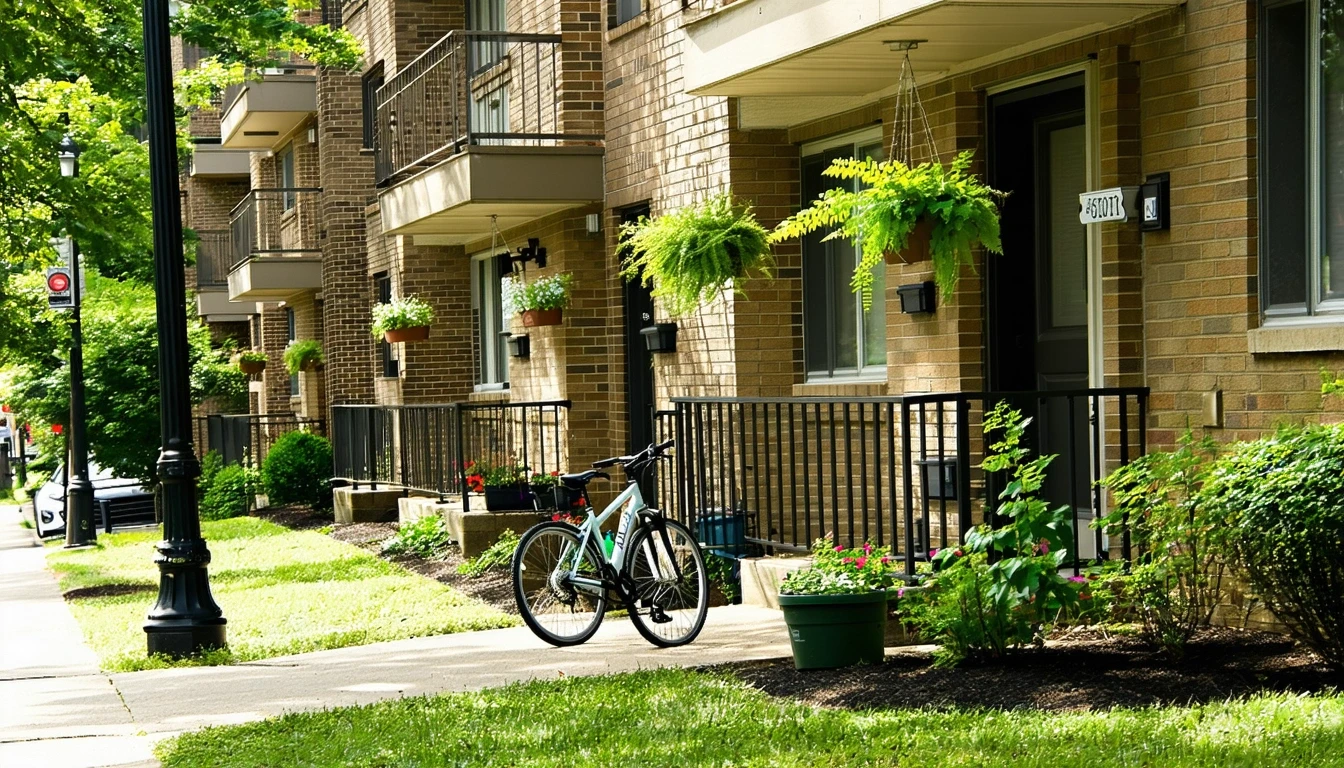
Germantown’s emotional tone is shaped by its in-between identity. It’s not a sleepy exurb—rail service and notable bike infrastructure signal intentional connectivity. But it’s also not a walkable town center where errands unfold on foot. Instead, the experience is corridor-clustered: grocery density is high, but concentrated along specific routes, meaning convenience depends heavily on which part of Germantown you call home. Some blocks feel connected, with pedestrian infrastructure that exceeds typical suburban ratios. Others feel isolated, requiring a car for nearly everything.
This unevenness creates a recurring theme in local sentiment: appreciation mixed with mild frustration. People who live near the Metro or along well-served corridors often describe Germantown as surprisingly functional and accessible. Those in quieter pockets—especially families expecting the school density and playground availability common in comparable suburbs—tend to feel the gaps more acutely. The city’s building character is mixed, blending low-rise residential areas with mid-height development, and land use includes both residential and commercial zones. But that mix doesn’t always translate into walkable daily life; it often just means you drive to different types of places.
What keeps people here is usually the combination of rail access to DC jobs and housing that feels more attainable than Bethesda or Arlington. What wears on people over time is the realization that suburban space comes with suburban friction—and that Germantown’s amenities, while present, require more intentionality to access than the price point might suggest.
Social Media Buzz in Germantown
Conversations in local Facebook groups and regional subreddits tend to circle around a few recurring themes: commute strategies, where to find the “good” grocery stores, school concerns, and the evolving identity of the area as development continues. The tone is rarely celebratory or defensive—it’s more practical and transactional, with residents sharing tips on navigating what can feel like a logistically complex place.
Commonly expressed sentiments include:
- “The Metro makes DC doable, but you’re still looking at over half an hour each way—and that’s before delays.”
- “Some parts of Germantown feel really walkable, others you’re completely car-dependent. It’s weird how much it varies block to block.”
- “For what we’re paying in rent, I expected more parks and better school access. It’s fine, but it doesn’t feel like a family paradise.”
There’s also a thread of ambivalence about growth. Newer residents often appreciate the expanding retail and dining options; longtime locals sometimes express fatigue with traffic, density, and the sense that Germantown is becoming “just another suburb” rather than a distinct community. The bike infrastructure gets mentioned occasionally—usually with surprise that it exists, but skepticism about whether it’s practical given how spread out everything feels.
Local News Tone
Coverage of Germantown tends to frame the city through the lens of growth, infrastructure, and regional positioning within Montgomery County. Headlines and story angles often reflect tension between development and identity, access and congestion, promise and delivery. You’ll see recurring topic buckets like:
- “Transit-Oriented Development Expands Near Metro Station”
- “Residents Weigh Convenience Against Increased Density”
- “School Capacity Concerns as Housing Growth Continues”
- “New Retail Corridors Aim to Reduce Commute Dependency”
- “Community Debates What Suburban Character Should Look Like”
The framing is rarely negative, but it’s also rarely triumphant. Instead, it reflects a place in transition—one where the infrastructure is catching up to the population, where amenities are arriving but unevenly, and where the question of “what kind of place is Germantown becoming?” remains open. For prospective movers, this suggests a city that’s functional and improving, but not yet settled into a clear, cohesive identity.
Review-Based Public Perception
On platforms like Google Reviews, Yelp, and neighborhood apps, Germantown’s public perception reflects the same unevenness that defines the lived experience. Praise tends to focus on specific strengths: the presence of a hospital, the grocery options along major corridors, the Metro station, and the relative affordability compared to closer-in DC suburbs. Complaints tend to focus on expectation mismatches—people who assumed suburban pricing would come with suburban ease, or that proximity to DC would mean urban-style walkability.
Common positive themes:
- “Great access to everything you need—Costco, Target, good Asian grocery stores—all within a few miles.”
- “The Metro is a lifesaver. I can get to work without sitting in Beltway traffic.”
- “Feels safe, quiet, and practical. Not exciting, but that’s kind of the point.”
Common critiques:
- “You really need a car here, even though some areas look walkable on a map.”
- “For families, the school situation feels more strained than I expected given the income levels.”
- “It’s fine if you’re just sleeping here and commuting out, but there’s not much local culture or street life.”
Newer planned areas tend to get slightly higher marks for walkability and amenity access, while older pockets are described as quieter but more isolated. The overall sentiment is pragmatic satisfaction rather than enthusiasm—a place that works well enough for people whose priorities align with what it offers, and feels limiting for those who need something different.
Comparison to Nearby Cities
| Aspect | Germantown | Rockville | Gaithersburg |
|---|---|---|---|
| Overall Vibe | Suburban with selective connectivity, transit-oriented pockets | More established, denser town center, stronger civic identity | Sprawling, car-dependent, more uniform suburban feel |
| Walkability | Uneven—high in pockets, low elsewhere | Stronger in downtown core, tapers quickly | Mostly car-dependent throughout |
| Transit Access | Metro rail present, notable bike infrastructure | Multiple Metro stations, better regional connectivity | Metro rail present but fewer walkable connections |
| Family Appeal | Limited school/playground density relative to housing costs | Stronger school reputation, more established family infrastructure | Similar family infrastructure, slightly lower cost pressure |
| Errands & Amenities | Corridor-clustered, high grocery density but location-dependent | More centralized, easier spontaneous access | Strip-mall dominant, requires driving but predictable |
Germantown sits between Rockville’s more cohesive urbanism and Gaithersburg’s straightforward suburban sprawl. If you value Metro access and want some walkability without paying Rockville prices, Germantown makes sense—but you’ll trade civic texture and school density for that savings. If you want pure suburban ease and don’t care about rail transit, Gaithersburg may feel more predictable. If you want a genuine downtown feel and are willing to pay for it, Rockville delivers more consistently. Germantown works best for people who can be selective about where they live within the city, and who prioritize commute access over hyperlocal richness.
What Locals Are Saying
“I moved here from DC because I wanted a yard and a parking spot, and the Metro meant I didn’t have to give up my job. It’s not charming, but it’s functional, and that’s what I needed.”
— Young professional, renting near the Metro station
“We thought Germantown would be a great place to raise kids—good schools, parks, safe neighborhoods. The safety is there, but the school and park density just isn’t what we expected for what we’re paying. We’re making it work, but we’re also looking at other options.”
— Family with two young children, homeowners
“Honestly, I love it here. I bike to the grocery store, walk to the park, and take the Metro when I need to. But I also know I’m in one of the better-connected parts of Germantown. Friends a few miles away have a completely different experience.”
— Remote worker, lives in a walkable pocket
“It’s a commuter town. People are polite, but there’s not much community feel. Everyone’s either working or driving somewhere. If you’re looking for a place to just be, this might not be it.”
— Retiree, longtime resident
“The bike lanes surprised me—I didn’t expect that in a suburb. I use them sometimes, but the distances are still long, and not everything connects. It’s a nice gesture, but it doesn’t replace needing a car.”
— Newcomer from a more urban area
“For the price, I expected more. The rent is high, the commute is long, and the amenities are fine but not amazing. I’m here because it’s what I could afford near DC, not because I love the place.”
— Renter, works in downtown DC
“Germantown gets a bad rap, but I think it’s improving. More restaurants, better grocery options, the Metro makes everything easier. It’s not perfect, but it’s moving in the right direction.”
— Homeowner, optimistic about growth
Does Germantown Feel Like a Good Fit?
Germantown doesn’t ask you to fall in love with it—it asks you to decide whether its specific tradeoffs align with your specific needs. This tends to work for DC commuters who want rail access without urban density, people who can afford to be selective about which part of Germantown they live in, and households comfortable with a mix of walkable moments and car-dependent errands. It tends to frustrate families expecting robust school and playground infrastructure, people who want consistent walkability across all daily needs, and anyone hoping for vibrant street life or a strong sense of local community.
The city’s strengths—Metro access, hospital presence, high grocery density, notable bike infrastructure—are real, but they don’t distribute evenly across the geography or the resident experience. If you’re considering Germantown, the most important question isn’t “Is it a good place?” but “Does the part of Germantown I can access match what I actually need day-to-day?” The people who feel at home here are usually those who’ve answered that question honestly and found alignment. The people who feel stuck are often those who assumed suburban comfort would be automatic, or that proximity to DC would mean urban convenience.
If you’re still weighing whether Germantown fits your life, it may help to explore your monthly budget in Germantown to understand where money goes in practice, or dig into what ‘enough’ actually means in terms of quality of life and daily logistics. And if housing tradeoffs are shaping your decision, understanding what drives costs here can clarify whether the price matches the experience you’re actually buying.
How this article was built: In addition to public economic data, this article incorporates location-based experiential signals derived from anonymized geographic patterns—such as access density, walkability, and land-use mix—to reflect how day-to-day living actually feels in Germantown, MD.
The perspectives shown reflect commonly expressed local sentiment and recurring themes in public discussion, rather than individual accounts.