
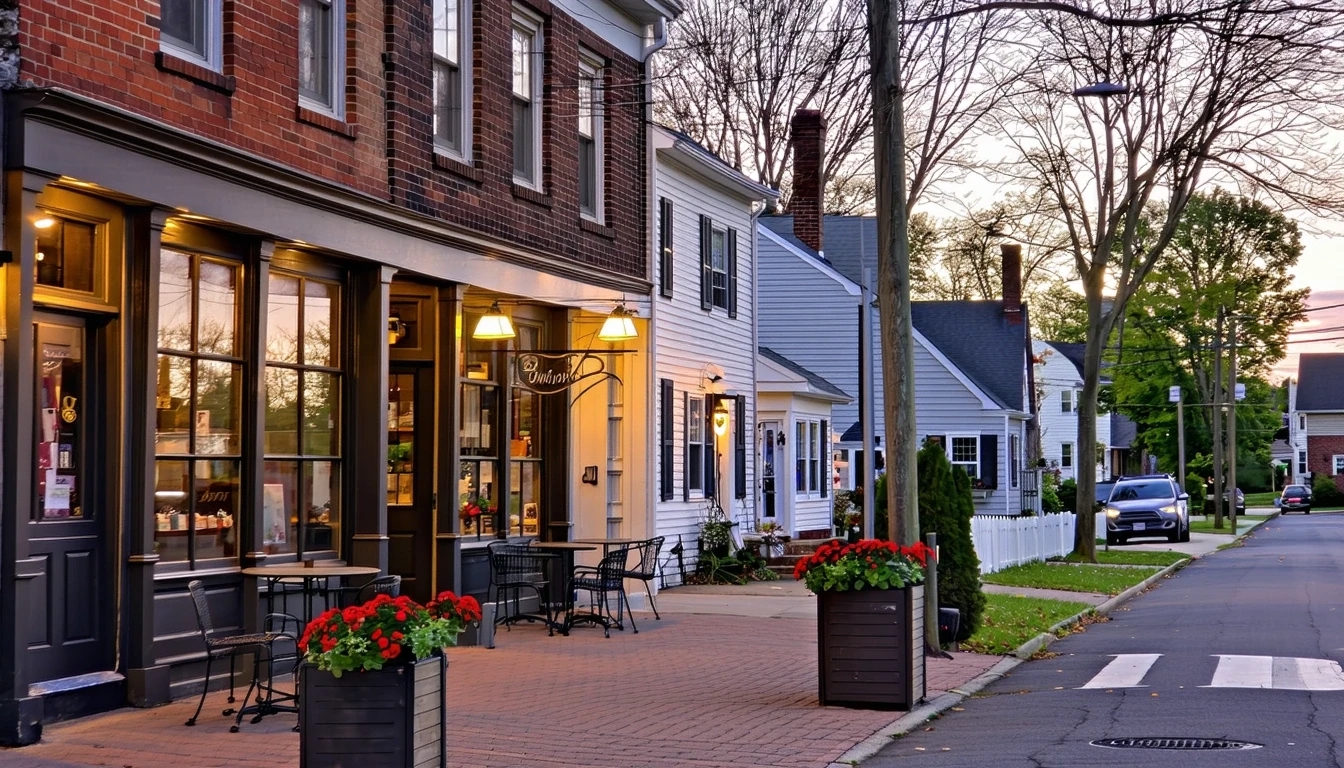
Which city gives you more for your money? Germantown and Rockville sit just miles apart in Montgomery County, Maryland, sharing the same metro area, the same utility providers, and the same access to Washington, D.C. Yet the cost experience in each city feels distinctly different—not because one is universally cheaper, but because cost pressure concentrates in different places depending on how you live. Both cities offer rail transit, walkable pockets, and cycling infrastructure, but Germantown presents a lower housing entry barrier while Rockville delivers broader daily accessibility and more integrated parks. For households deciding between them in 2026, the choice hinges less on total spending and more on which costs dominate your household’s priorities: front-loaded housing obligations, day-to-day errands friction, or long-term predictability.
The decision isn’t about finding the “affordable” option—it’s about understanding where your money goes and what you get in return. Germantown’s median home value sits at $393,700, with median rent at $1,908 per month, while Rockville’s housing market commands $623,800 for homeownership and $2,167 per month for rent. That gap shapes everything: how much flexibility remains after housing, how sensitive you are to grocery or utility swings, and whether your household can absorb volatility or needs predictability. This article breaks down where your money goes in each city—not to declare a winner, but to explain which households feel cost pressure more acutely in Germantown versus Rockville, and why.
Both cities share a regional price parity index of 102, meaning the baseline cost environment is nearly identical. Electricity runs 20.61¢/kWh in both places, natural gas costs $15.96/MCF, and gas prices hover at $4.10/gal. The unemployment rate stands at 2.7% in both cities, and median household incomes—$109,268 in Germantown, $122,470 in Rockville—reflect the professional workforce common to Washington suburbs. What differs is how housing costs, daily logistics, and household structure interact with those shared fundamentals to create distinct cost experiences.
Housing Costs: Entry Barrier vs. Ongoing Obligation
Housing is where Germantown and Rockville diverge most sharply, and that difference cascades through every other cost category. Germantown’s median home value of $393,700 represents a substantially lower entry barrier than Rockville’s $623,800, a gap that affects not just down payments and mortgage approval thresholds, but also property tax exposure, insurance premiums, and the psychological weight of long-term obligation. For first-time buyers or households stretching to enter homeownership, Germantown’s housing market offers more breathing room—not because homes are universally smaller or less desirable, but because the median price point sits within reach of more household income profiles without requiring dual high earners or significant financial reserves.
Renters face a similar structural difference. Germantown’s median gross rent of $1,908 per month creates less ongoing pressure than Rockville’s $2,167 per month, a gap that compounds over time and determines how much flexibility remains for utilities, groceries, transportation, and discretionary spending. That difference isn’t just about the monthly check—it’s about volatility exposure. Renters in Rockville face higher baseline obligations, meaning any rent increase, utility spike, or unexpected expense hits harder because there’s less cushion. Germantown renters start with more budget flexibility, which translates to greater resilience when costs shift.
The housing stock in each city also shapes cost behavior in ways that aren’t visible in median values alone. Rockville’s more vertical building character—evidenced by higher average building levels—suggests a greater concentration of apartments and condos, which can offer lower entry points than single-family homes but may come with HOA fees, shared utility structures, or less control over maintenance timing. Germantown’s mixed building profile indicates a broader range of housing types, from townhomes to single-family detached homes, giving households more options to match housing form to budget priorities. For families prioritizing yard space or garage storage, Germantown’s housing mix may offer more accessible options; for singles or couples prioritizing walkability and lower maintenance, Rockville’s denser housing forms may reduce friction even if rent runs higher.
Housing cost takeaway: Germantown fits households where housing entry barrier and ongoing obligation dominate the decision—first-time buyers, single-income families, or renters seeking maximum budget flexibility after housing. Rockville fits households willing to absorb higher housing costs in exchange for broader daily accessibility, integrated parks, and a more vertical urban form that supports walkable errands. The difference isn’t about affordability in the abstract; it’s about whether your household can handle front-loaded housing pressure or needs lower baseline obligations to maintain financial control.
Utilities and Energy Costs: Same Rates, Different Exposure
Germantown and Rockville share identical utility rate structures—20.61¢/kWh for electricity and $15.96/MCF for natural gas—which means differences in utility costs come down to usage patterns, housing stock, and household behavior rather than price advantages. In the Washington, D.C. metro area, summers bring extended cooling seasons with warm, humid conditions that push air conditioning usage for months, while winters require moderate heating as temperatures dip but rarely sustain extreme cold. Both cities experience the same seasonal exposure, but how that translates into actual utility bills depends on home size, insulation quality, and whether you’re in an apartment with shared walls or a detached single-family home.
Germantown’s mixed building character and broader housing stock mean utility exposure varies widely depending on what you rent or own. Older single-family homes with less efficient insulation face higher heating and cooling loads, while newer townhomes or apartments benefit from shared walls and modern construction standards that reduce baseline usage. Rockville’s more vertical profile suggests a higher concentration of multi-unit buildings, which typically experience lower per-household utility costs due to reduced exterior surface area and shared thermal mass. For households in Rockville apartments, summer cooling bills may feel more predictable and less volatile than for Germantown residents in older detached homes, even though the rate per kilowatt-hour is identical.
Household size and daily routines also shape utility cost behavior in ways that interact with housing form. A family of four in a three-bedroom single-family home will run higher baseline electricity usage—multiple bathrooms, larger kitchen appliances, more laundry cycles—than a single adult or couple in a one-bedroom apartment, regardless of city. But in Germantown, where single-family homes are more accessible at lower price points, families may face higher utility volatility because they’re occupying larger, older housing stock. In Rockville, families able to afford the higher housing entry barrier may end up in newer construction with better efficiency, reducing utility exposure even as rent or mortgage runs higher. The tradeoff isn’t about which city has cheaper utilities—it’s about whether your housing choice locks you into higher baseline usage or gives you control over consumption.
Utility cost takeaway: Households in older, larger homes experience more utility volatility and higher seasonal swings, particularly during summer cooling months. Germantown’s lower housing costs may lead households into single-family homes with higher utility exposure, while Rockville’s apartment-heavy stock offers more predictable utility bills but at the cost of higher rent. Families prioritizing space and willing to manage seasonal utility swings may prefer Germantown’s housing options; households prioritizing predictability and lower maintenance may find Rockville’s multi-unit buildings reduce utility friction even as housing costs rise.
Groceries and Daily Expenses: Access vs. Planning
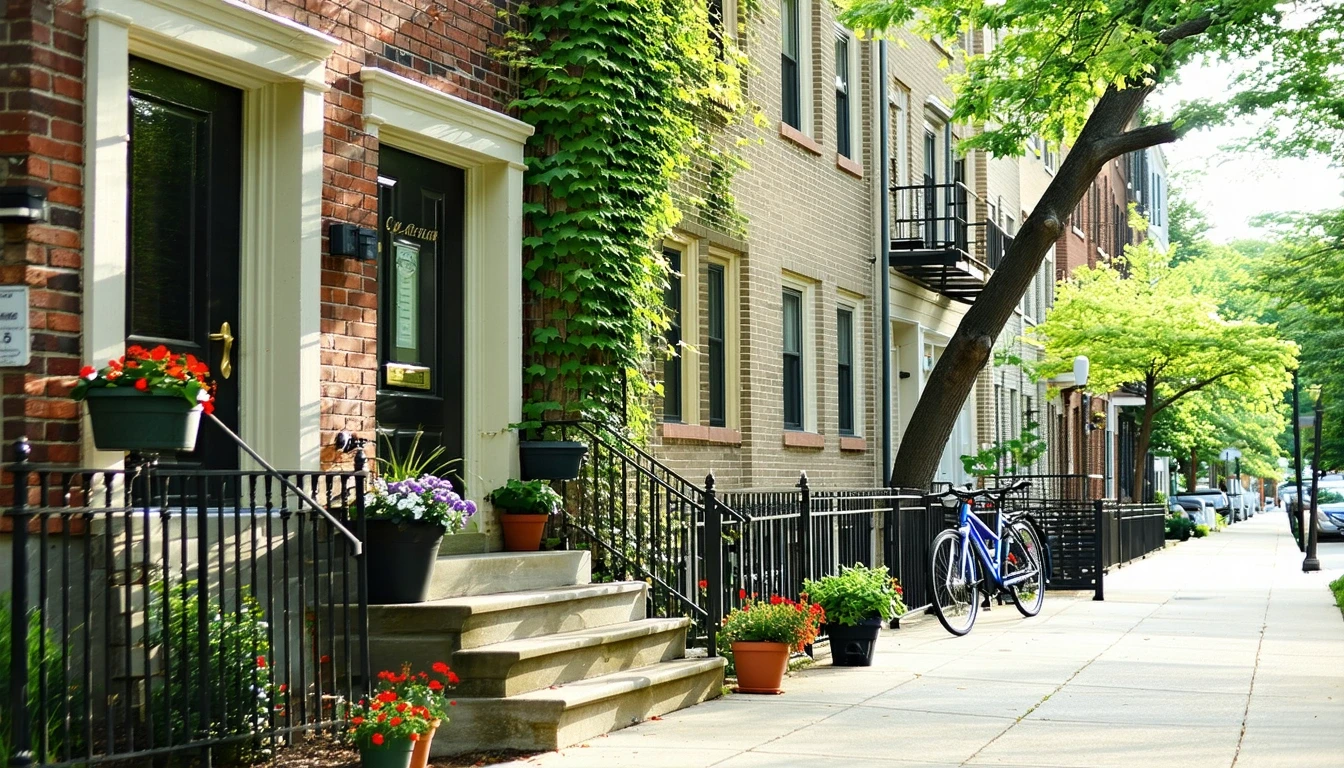
Grocery and daily spending pressure in Germantown and Rockville reflects not just prices—which track closely due to shared regional price parity—but how access and planning friction shape household behavior. Rockville shows broadly accessible food and grocery density, meaning households can reach multiple grocery options, prepared food sources, and convenience stores without extensive planning or long drives. Germantown’s corridor-clustered grocery access means options concentrate along specific routes, requiring more intentional trip planning and potentially more reliance on larger weekly shopping trips rather than quick top-up runs. That structural difference doesn’t change the price of milk or chicken, but it changes how often you pay convenience premiums, how much time you spend on errands, and whether you can easily comparison-shop.
For example, a household in Rockville can more easily swing by a grocery store on the way home from work, grab missing ingredients for dinner, or pick up household essentials without a dedicated trip. That flexibility reduces the temptation to order takeout when you’re missing one item, lowers the frequency of convenience store markups, and makes it easier to take advantage of sales or seasonal pricing. In Germantown, corridor clustering means you’re more likely to consolidate errands into planned trips, which can support bulk buying and reduce impulse purchases but also increases the likelihood of paying for convenience when you need something outside your planned route. The cost difference isn’t dramatic on any single transaction, but over months it compounds into different spending patterns.
Household size amplifies these dynamics. Singles and couples can more easily adapt to corridor-clustered access—one planned grocery trip per week, minimal mid-week top-ups, and flexibility to eat out when needed. Families managing larger grocery volumes, multiple dietary needs, and unpredictable consumption (kids finishing snacks faster than expected, last-minute school project supplies) benefit more from Rockville’s broadly accessible grocery density, which reduces the friction cost of running out of something. Germantown families can absolutely manage grocery costs effectively, but it requires more planning discipline and tolerance for longer errand loops. Rockville families pay more for housing but gain back time and reduce the cognitive load of household logistics.
Grocery and daily expense takeaway: Households that plan well and consolidate errands can manage grocery costs effectively in either city, but Germantown requires more intentional trip planning due to corridor-clustered access. Rockville’s broadly accessible grocery density reduces friction for families, busy professionals, and anyone who values spontaneous errands over planned efficiency. The cost difference shows up less in prices and more in convenience premiums, time spent on logistics, and how often you pay extra to avoid a dedicated trip.
Taxes and Fees: Structural Pressure Beyond Rent
Property taxes, local fees, and recurring municipal charges shape the total cost experience in both Germantown and Rockville, though these costs often remain invisible until after you’ve signed a lease or closed on a home. Both cities sit in Montgomery County, Maryland, which means they share the same county-level property tax structure, but the assessed value of your home determines your actual tax bill. Rockville homeowners face higher property tax exposure simply because median home values run substantially higher—$623,800 versus Germantown’s $393,700—which translates to larger annual tax bills even at identical rates. For renters, property taxes don’t appear as a line item, but they’re baked into rent and influence how landlords respond to rate changes or reassessments.
Beyond property taxes, both cities impose local fees for services like trash collection, water, and stormwater management, though the structure and predictability of these fees vary depending on whether you’re renting or owning and whether you’re in a single-family home or multi-unit building. Homeowners in Germantown’s single-family neighborhoods typically pay these fees directly, giving them more visibility and control but also more exposure to rate increases. Rockville renters in apartment buildings often see these costs bundled into rent or covered by landlords, which smooths monthly volatility but removes transparency and control. HOA fees add another layer in both cities, particularly in townhome and condo communities, where monthly dues can range from minimal (covering only shared landscaping) to substantial (including exterior maintenance, amenities, and reserve funds).
The structural difference in housing stock between Germantown and Rockville also affects how fees accumulate. Germantown’s broader mix of single-family homes means more households own their properties outright and manage fees directly, which creates more predictability for long-term residents but also more responsibility for understanding what’s included and what’s billed separately. Rockville’s more vertical, apartment-heavy profile means more households rent and rely on landlords to manage fee structures, which can simplify budgeting but also obscure cost increases until lease renewal. For households planning to stay several years, Germantown’s ownership-oriented housing stock offers more control over long-term tax and fee exposure; for households prioritizing flexibility and minimal administrative friction, Rockville’s rental-heavy market reduces the need to track municipal billing cycles.
Tax and fee takeaway: Rockville homeowners face higher property tax exposure due to higher home values, while Germantown homeowners benefit from lower assessed values and correspondingly lower tax bills. Renters in both cities see taxes and fees reflected in rent, but Rockville’s apartment-heavy stock often bundles these costs more seamlessly, while Germantown’s single-family rentals may pass fees through more transparently. Households planning long-term ownership should account for Rockville’s higher tax baseline; renters prioritizing simplicity may prefer Rockville’s bundled fee structures even as rent runs higher.
Transportation & Commute Reality
Both Germantown and Rockville benefit from rail transit presence, which provides a viable alternative to driving for commuters heading into Washington, D.C. or other metro destinations. Average commute times sit close—33 minutes in Germantown versus 31 minutes in Rockville—but the slight difference reflects broader patterns in how residents navigate daily transportation. Germantown shows a higher work-from-home percentage at 17.1% compared to Rockville’s 14.1%, suggesting more schedule flexibility and potentially less daily commute friction for a meaningful share of households. Both cities show over half of commuters experiencing long commutes (53.6% in Germantown, 51.4% in Rockville), indicating that many residents face extended travel times regardless of city.
The presence of rail transit in both cities reduces car dependence for commuters, but day-to-day errands and household logistics still require a vehicle for most residents. Germantown’s corridor-clustered grocery and services access means households rely more heavily on cars for routine errands, even if they take the train to work. Rockville’s broadly accessible daily errands density reduces the need for dedicated car trips to handle groceries, pharmacy runs, or quick household needs, which can lower weekly mileage and reduce wear-and-tear costs even if gas prices remain identical at $4.10/gal. The difference isn’t dramatic on a per-trip basis, but over months it shapes how often you’re driving, how much you’re budgeting for fuel, and whether you can realistically manage with one vehicle or need two.
Cycling infrastructure is notably present in both cities, with high bike-to-road ratios indicating that residents have options beyond cars and transit for short trips. For households willing to bike for errands or recreation, both Germantown and Rockville offer infrastructure that supports it, though Rockville’s more vertical urban form and broadly accessible services make bike-based errands more practical for a wider range of daily needs. Germantown’s walkable pockets exist but require more intentional route planning to connect residential areas with services, which can make biking feel more recreational than functional for many households.
Transportation takeaway: Both cities offer rail transit and cycling infrastructure, but Germantown’s higher work-from-home rate and corridor-clustered services mean households may drive more for errands even as commute patterns remain flexible. Rockville’s broadly accessible daily services reduce car dependence for routine trips, which can lower weekly mileage and fuel costs despite identical gas prices. Households prioritizing minimal car use for errands may find Rockville’s density more supportive; households with flexible work schedules and tolerance for planned errand loops can manage transportation costs effectively in Germantown.
Cost Structure Comparison
Housing dominates the cost experience in both Germantown and Rockville, but the nature of that dominance differs. In Germantown, housing costs create a lower entry barrier and ongoing obligation, leaving more budget flexibility for utilities, groceries, and discretionary spending. Households that choose Germantown often do so because they need that flexibility—whether to absorb utility volatility in older single-family homes, to manage larger grocery volumes for families, or to maintain savings cushions against unexpected expenses. The tradeoff is that Germantown requires more planning discipline: errands take longer, grocery access is more corridor-dependent, and daily logistics demand more intentional route management.
In Rockville, housing costs consume a larger share of household budgets, but what you get in return is reduced friction across other categories. Broadly accessible grocery density means fewer dedicated trips, less reliance on convenience markups, and more spontaneous flexibility. Integrated park density supports outdoor recreation without driving to distant trailheads. Present family infrastructure—schools meeting density thresholds—reduces the logistical complexity of managing children’s routines. For households that can absorb higher housing costs, Rockville delivers a cost structure where day-to-day living feels smoother, even if the baseline obligation runs higher.
Utilities introduce more volatility in Germantown, where the accessible single-family housing stock often means older construction, larger square footage, and higher seasonal swings. Rockville’s more vertical building character and apartment-heavy stock create more predictable utility bills, though renters sacrifice control over efficiency upgrades. Transportation patterns matter more in Germantown, where corridor-clustered services mean more driving for errands even as rail transit handles commutes. Rockville’s density reduces car dependence for daily needs, lowering weekly mileage and making single-car households more viable.
The decision isn’t about which city costs less—it’s about which cost structure aligns with your household’s priorities. Households sensitive to housing entry barriers, ongoing obligations, or budget flexibility after fixed costs may prefer Germantown’s lower baseline pressure. Households sensitive to time costs, daily logistics friction, or predictability in non-housing categories may prefer Rockville’s higher housing costs in exchange for reduced planning burden and broader access.
How the Same Income Feels in Germantown vs Rockville
Single Adult
For a single adult, housing becomes the first non-negotiable cost, and Germantown’s lower rent creates immediate breathing room. Flexibility exists in grocery timing, dining out frequency, and whether you prioritize proximity to work or space at home. Rockville’s higher rent tightens that flexibility, but broadly accessible errands mean you spend less time managing logistics and can more easily grab what you need without dedicated trips. The role of commute friction matters less if you work from home or have flexible hours, but for those commuting daily, Rockville’s slightly shorter average commute and denser services reduce the cumulative time cost of getting to work and handling errands.
Dual-Income Couple
For a dual-income couple, housing costs still dominate, but the ability to split rent or mortgage makes Rockville’s higher baseline more manageable. What becomes non-negotiable is time—both partners working means errands need to happen efficiently, and Rockville’s broadly accessible grocery and services density reduces the friction of managing two schedules. Flexibility exists in how much you prioritize outdoor access, dining out, or weekend activities, and Rockville’s integrated park density supports spontaneous recreation without planning. Germantown offers more budget cushion after housing, which matters if one partner’s income is variable or if you’re prioritizing savings, but it requires more intentional coordination to manage errands and household logistics around two work schedules.
Family with Kids
For families, housing space becomes non-negotiable first, and Germantown’s lower home values make single-family homes with yards more accessible. Flexibility disappears quickly in categories like groceries, school supplies, and healthcare, where volume and unpredictability drive costs. Rockville’s present family infrastructure—schools meeting density thresholds—reduces logistical complexity, and broadly accessible grocery density means fewer meltdowns over running out of snacks mid-week. The role of commute friction intensifies because parents are managing school drop-offs, after-school pickups, and errand loops on top of work schedules. Germantown’s corridor-clustered services mean more driving and more planning, which adds time cost even as housing costs stay lower. Rockville’s higher housing costs buy reduced daily friction, but only if both parents’ incomes can sustain the baseline obligation without sacrificing emergency savings or long-term flexibility.
Decision Matrix: Which City Fits Which Household?
| Decision factor | If you’re sensitive to this… | Germantown tends to fit when… | Rockville tends to fit when… |
|---|---|---|---|
| Housing entry + space needs | Down payment size, mortgage approval thresholds, or rent as share of income | You need lower baseline housing obligations to maintain budget flexibility and can tolerate older housing stock or less walkable errands | You can absorb higher housing costs in exchange for newer construction, more vertical housing options, and proximity to denser services |
| Transportation dependence + commute friction | Daily driving for errands, fuel costs, or time spent managing logistics | You work from home frequently, can consolidate errands into planned trips, and prioritize housing savings over daily convenience | You commute regularly, value shorter errand loops, and want to minimize car dependence for routine household needs |
| Utility variability + home size exposure | Seasonal bill swings, heating and cooling costs, or control over efficiency upgrades | You can manage seasonal volatility in exchange for more housing space and lower rent, and you’re willing to handle older building stock | You prioritize predictable utility bills and prefer apartment living with shared walls that reduce heating and cooling loads |
| Grocery strategy + convenience spending creep | Time spent on grocery trips, impulse purchases, or paying convenience premiums | You plan weekly grocery trips, buy in bulk, and can tolerate corridor-clustered access that requires intentional route management | You value spontaneous errands, prefer multiple grocery options within short distances, and want to avoid convenience markups |
| Fees + friction costs (HOA, services, upkeep) | Transparency of recurring charges, control over maintenance timing, or bundled service costs | You own or plan to own, want direct control over municipal fees, and can manage property tax exposure on lower assessed home values | You rent or prefer condo living, value bundled fees that simplify budgeting, and can absorb higher property tax exposure through rent |
| Time budget (schedule flexibility, errands, logistics) | Cumulative hours spent on household management, driving, or coordinating family schedules | You have flexible work hours, can batch errands efficiently, and prioritize financial cushion over time savings | You have rigid work schedules, manage multiple household members’ routines, and need daily logistics to feel frictionless |
Lifestyle Fit Beyond the Numbers
Germantown and Rockville both offer access to the broader Washington, D.C. metro culture, but the day-to-day lifestyle experience differs in ways that indirectly affect costs. Germantown’s present green space and water features provide outdoor access without requiring long drives, though park density sits in the moderate range rather than exceeding high thresholds. For households that prioritize weekend hikes, casual walks, or letting kids play outside, Germantown delivers functional outdoor options that reduce the need to pay for recreational activities or drive to distant parks. Rockville’s integrated park density—exceeding high thresholds—means outdoor space is woven more thoroughly into daily life, making spontaneous park visits, jogging loops, or after-school playground time easier to incorporate without planning.
Both cities show walkable pockets with substantial pedestrian infrastructure, meaning certain neighborhoods support walking for errands, recreation, or commuting to transit. Rockville’s more vertical building character and broadly accessible services make walkability more practical for a wider range of daily needs, while Germantown’s mixed building profile means walkability varies more by neighborhood. For households that value reducing car trips and integrating walking into daily routines, Rockville’s density offers more consistent support. For households prioritizing housing space and willing to drive for most errands, Germantown’s walkable pockets still exist but require more intentional neighborhood selection.
Healthcare access also shapes lifestyle fit in subtle but meaningful ways. Germantown has a hospital present, which matters for families with young children, elderly relatives, or anyone managing chronic conditions that require specialist access or emergency care. Rockville shows clinics and pharmacies but no hospital within city limits, meaning more serious healthcare needs require travel to nearby facilities. The difference doesn’t affect routine care—both cities support primary care and pharmacy access—but it changes the friction cost of managing health emergencies or coordinating specialist appointments. For households where healthcare proximity reduces stress or logistical complexity, Germantown’s hospital presence offers tangible value beyond the cost of care itself.
Quick fact: Both Germantown and Rockville show rail transit presence, giving commuters viable alternatives to driving into Washington, D.C. or other metro destinations.
Quick fact: Rockville’s integrated park density exceeds high thresholds, meaning outdoor recreation is woven into daily life rather than requiring dedicated trips to distant green spaces.
Frequently Asked Questions
Is Germantown or Rockville better for families in 2026?
Germantown offers lower housing entry barriers and hospital presence, which matters for families prioritizing space and healthcare access. Rockville provides present family infrastructure with schools meeting density thresholds, broadly accessible groceries, and integrated parks, reducing daily logistics friction. Families that can absorb higher housing costs may find Rockville’s density reduces the time and planning burden of managing children’s routines, while families prioritizing budget flexibility after housing may prefer Germantown’s lower baseline obligations.
How do grocery costs compare between Germantown and Rockville in 2026?
Grocery prices track closely due to shared regional price parity, but access patterns differ. Rockville’s broadly accessible grocery density means households can reach multiple options without extensive planning, reducing convenience premiums and making spontaneous trips practical. Germantown’s corridor-clustered grocery access requires more intentional trip planning, which can support bulk buying but increases the likelihood of paying convenience markups when you need something outside planned routes. The cost difference shows up less in prices and more in how often you drive, how much time you spend on errands, and whether you can easily comparison-shop.
Which city has lower transportation costs, Germantown or Rockville?
Both cities share identical gas prices at $4.10/gal and offer rail transit, so transportation costs depend more on daily driving patterns than fuel rates. Germantown’s corridor-clustered services