
A couple earning the same combined income can experience Saint Paul in completely opposite ways. One household bikes to the farmers market on Saturday mornings, walks to dinner twice a week, and takes the light rail downtown without thinking about it. The other drives everywhere, budgets carefully around gas prices, and feels the squeeze every time utility bills arrive in January. The difference isn’t income—it’s where they live within the city and how that location shapes every other expense.
Understanding whether your income fits Saint Paul comfortably requires looking past the numbers and into the structure of daily life here. This article explains how income pressure actually works in Saint Paul, who tends to feel comfortable, and why the same paycheck can produce very different experiences depending on household type and location choices.
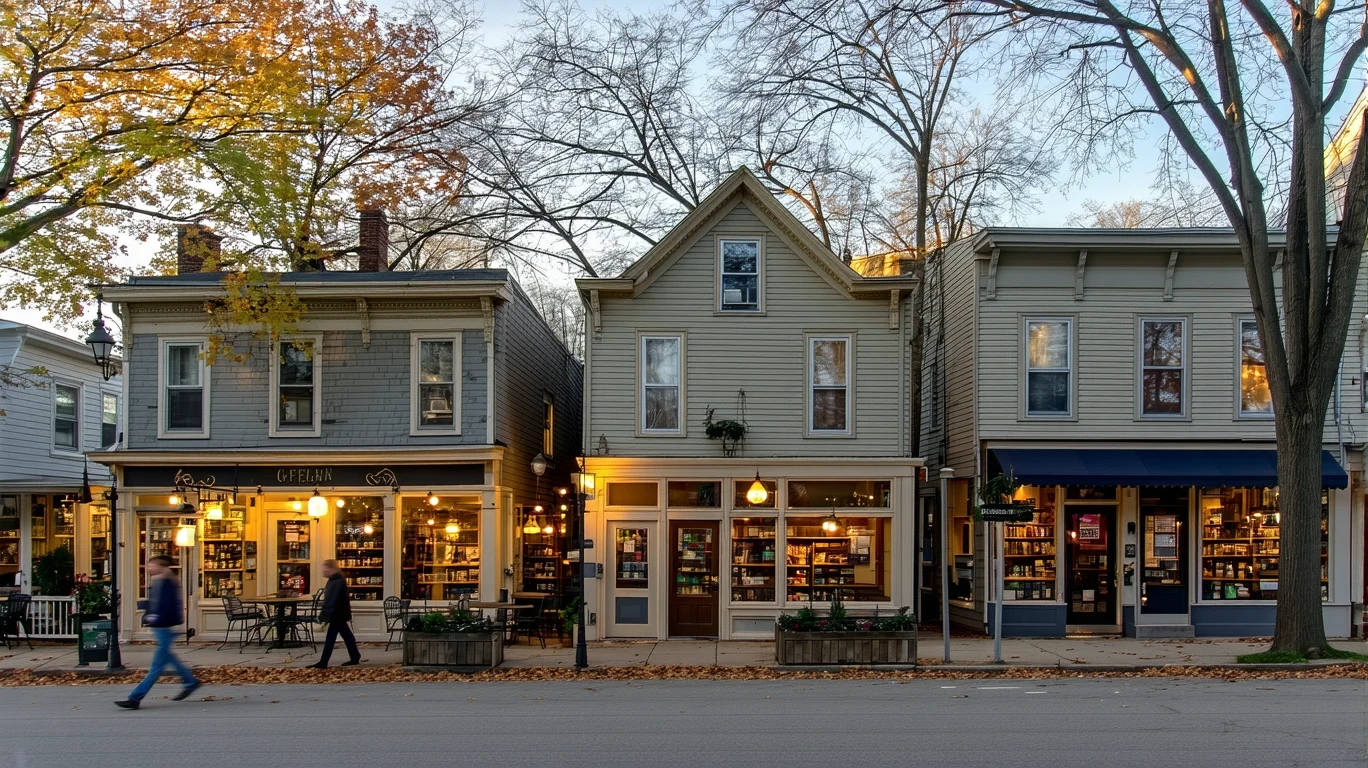
What “Living Comfortably” Means in Saint Paul
Comfort in Saint Paul isn’t about hitting a specific income number—it’s about whether your earnings give you enough flexibility to match your lifestyle expectations to the city’s physical and economic reality. For some, that means affording a place in one of the walkable neighborhoods with easy access to rail transit, grocery stores, and parks without needing to drive constantly. For others, it means having enough space for a family while accepting that car ownership and longer trips become non-negotiable.
The city’s structure creates distinct zones of convenience. Areas with substantial pedestrian infrastructure, high food and grocery density, and rail service allow households to reduce transportation costs significantly and gain time back from commuting and errands. But housing in these areas commands a premium. Meanwhile, neighborhoods farther from transit nodes or with lower walkable infrastructure often require car ownership, which shifts the expense profile entirely—gas, insurance, maintenance, and parking all add up, and those costs don’t pause during months when heating bills spike.
Comfort also means absorbing Saint Paul’s seasonal utility swings without stress. The extended heating season here isn’t a minor line item—it’s a recurring pressure point that hits hardest from November through March. Natural gas prices drive heating costs, and electricity rates layer on top for lighting and appliances during shorter daylight hours. Households living comfortably can handle these fluctuations without rearranging other spending or falling behind on savings.
Finally, comfort includes access to the amenities that make Saint Paul livable: integrated park space, reliable grocery options, schools and playgrounds for families, and healthcare when needed. The city offers strong infrastructure for families and outdoor access, but hospital services require travel since only clinics are present locally. Comfortable households either live close enough to daily needs that convenience is automatic, or they have enough margin to absorb the time and cost of accessing what’s farther away.
Where Income Pressure Shows Up First
Income pressure in Saint Paul starts with a single, unavoidable tradeoff: housing location versus transportation cost. The city’s walkable pockets with rail transit and high-density errands access let some households live car-free or car-light, but those areas come with higher housing costs. Families or couples who need more space often move toward less walkable zones, where rent or mortgage payments drop but car dependency rises immediately. That shift doesn’t just add a car payment—it changes how you spend time, how often you plan around traffic, and how much of your day gets consumed by logistics.
Transportation costs aren’t static here. Gas prices fluctuate, and for households driving 25 miles round-trip daily, even small per-gallon changes add up quickly over a month. Parking, insurance, and maintenance layer on top, and unlike rent, these costs don’t stay predictable. Households that assumed they’d “just drive a little more” after moving to a quieter neighborhood often find that transportation becomes their second-largest expense after housing, eating into the savings they expected from cheaper rent.
Utility costs create the second pressure point, especially for anyone unfamiliar with cold-climate living. Heating dominates expenses during the long winter months, and natural gas prices set the baseline. Older homes or poorly insulated units amplify the problem—bills can swing dramatically between mild and severe cold snaps, and there’s no way to avoid heating entirely. Electricity rates add to the burden, particularly in smaller or older units where inefficient lighting and appliances stack up usage. Comfortable households either live in well-insulated spaces or have enough income cushion to absorb seasonal spikes without cutting back elsewhere.
For families, pressure compounds around logistics and access. Saint Paul offers strong school and playground density, and park access is integrated throughout the city, which reduces the need to drive kids to activities constantly. But healthcare access is limited to clinics locally—hospital services require travel, which means families need either a car or the flexibility to arrange transportation when medical needs arise. Comfortable families can manage this without stress; stretched families feel it as one more thing to plan around, one more cost to anticipate.
The unemployment rate in Saint Paul sits at 2.9%, which signals a tight labor market and generally steady income opportunities. But that doesn’t eliminate pressure—it just means the question shifts from “Can I find work?” to “Does my income actually cover the cost structure here?” Households earning steady paychecks still struggle if their income doesn’t align with the tradeoffs Saint Paul’s geography demands.
How the Same Income Feels Different by Household
A single adult earning a solid income in Saint Paul can live very comfortably if they choose housing in one of the city’s walkable pockets. With substantial pedestrian infrastructure, rail transit access, and high food and grocery density, daily errands become simple and inexpensive. Walking or biking to the store, taking the train to work, and enjoying integrated park space without needing a car means transportation costs stay minimal. The main expense is rent, but without car payments, insurance, or gas eating into the budget, a single person can afford a smaller, well-located apartment and still have flexibility for dining out, entertainment, and savings. The clinic-only healthcare access rarely feels limiting for younger, healthier individuals.
Couples at a similar combined income level experience more variability. If both partners work and can access jobs via transit or bike, the walkable lifestyle works beautifully—they split rent, keep transportation costs low, and benefit from the city’s mixed-use character and outdoor amenities. But if one partner needs a car for work or if they want more space than a small apartment offers, the calculus changes. Moving to a larger unit or a less transit-accessible neighborhood often means buying a car, and suddenly the budget tightens. Couples also tend to value dining, entertainment, and weekend activities more than single adults focused on saving, so the same income feels stretched when lifestyle expectations rise.
Families face the most complex tradeoff. Saint Paul’s strong school and playground infrastructure, combined with integrated green space, makes it genuinely family-friendly in terms of daily amenities. But families need space—bedrooms, storage, maybe a yard—and that space is expensive in walkable areas. Most families end up choosing housing in neighborhoods where car ownership becomes necessary, which immediately adds transportation costs. Driving kids to activities, managing grocery runs, and accessing hospital care when clinics aren’t enough all require a vehicle. Heating costs hit harder in larger homes, and utility bills during winter months can surprise families used to milder climates. A family earning the same combined income as a couple will feel significantly more pressure because their fixed costs—housing, transportation, utilities, and childcare logistics—leave less room for flexibility.
The key difference across household types isn’t income—it’s how much of that income gets consumed by non-negotiable costs versus how much remains for choices. Single adults and couples without kids can optimize around convenience and location, keeping costs low by living small and central. Families can’t make that tradeoff as easily, so the same income produces a tighter, more constrained experience even when the household is financially stable.
The Comfort Threshold (Qualitative)
Comfort in Saint Paul arrives when a household stops making forced tradeoffs and starts making intentional choices. It’s the point where you can afford housing in a location that matches your transportation preferences—whether that’s a walkable neighborhood with rail access or a quieter area where you’re fine owning a car. It’s when seasonal utility swings don’t require cutting back on groceries or delaying other spending. It’s when healthcare access, even if it requires occasional travel to a hospital, doesn’t feel like a logistical or financial burden.
For single adults, this threshold tends to come earlier. With lower fixed costs and the ability to live in smaller spaces, comfort means choosing a well-located apartment without stretching the budget, enjoying the city’s walkability and transit options, and still saving consistently. There’s enough margin to absorb an unexpected expense or take a weekend trip without stress.
Couples reach comfort when they can afford a place that fits both partners’ work and lifestyle needs without sacrificing quality of life. That might mean paying more for a central location to avoid car dependency, or it might mean accepting a car payment in exchange for more space and a quieter neighborhood. Comfort means both partners feel like their time and money are working for them, not just covering obligations.
Families cross the comfort threshold when they can afford enough space for everyone, manage transportation logistics without constant stress, and handle the higher utility costs that come with larger homes and Minnesota winters. It’s when school and activity access feels manageable, when parks and playgrounds are close enough to use regularly, and when healthcare travel doesn’t feel like a recurring burden. Comfortable families aren’t necessarily wealthy—they’ve just found the balance where their income covers their needs with enough left over to handle surprises and plan ahead.
The threshold isn’t a number. It’s the absence of forced compromises and the presence of breathing room. It’s when your income and your expectations align with what Saint Paul actually costs to live in, given your household type and the location you’ve chosen.
Why Online Cost Calculators Get Saint Paul Wrong
Most cost-of-living calculators treat Saint Paul as a uniform city with average costs, and that assumption breaks down immediately. They’ll give you a single number for transportation, but they can’t account for the fact that someone living near a rail station with high pedestrian infrastructure might spend almost nothing on transportation, while someone in a car-dependent neighborhood ten minutes away might spend hundreds of dollars a month on gas, insurance, and maintenance. The city’s walkable pockets and transit access fundamentally change the expense profile, but calculators don’t distinguish between neighborhoods—they just average everything out.
Calculators also miss the seasonal volatility that defines Saint Paul’s utility costs. They might estimate a monthly utility bill, but they won’t capture the reality of heating-dominated expenses during an extended cold season, or the way natural gas prices and electricity rates combine to create unpredictable swings between November and March. A household budgeting based on an annual average will feel blindsided by winter bills, especially in older or poorly insulated housing.
Healthcare assumptions are another blind spot. Generic tools assume hospital access is local and routine, but Saint Paul’s clinic-only infrastructure means families and individuals with chronic conditions or higher medical needs face travel time and costs that don’t appear in any calculator. That’s not a dealbreaker for everyone, but it’s a real factor that changes how comfortable a household feels, especially when emergencies arise.
Finally, calculators can’t account for lifestyle fit. They’ll tell you what things cost, but they won’t tell you whether you’ll feel comfortable with the tradeoffs those costs require. A single adult who values walkability and hates driving might thrive in Saint Paul’s transit-accessible core and feel like their money goes further than expected. A family that needs space and quiet might find the same income feels tight because car dependency, larger housing, and higher utility costs all hit at once. Calculators give you totals; they don’t explain how those totals shape your daily experience or whether your income actually aligns with the life you want to live here.
How to Judge Whether Your Income Fits Saint Paul
Start by asking whether you can afford housing in the type of neighborhood that matches your transportation preferences. If you want to live car-free or car-light, can you afford rent or a mortgage in one of Saint Paul’s walkable areas with rail transit and high grocery density? If you’re fine with driving, can you afford a place with enough space in a quieter neighborhood and still cover the cost of owning and operating a vehicle year-round?
Next, consider how you’ll handle seasonal utility volatility. Can you absorb heating bills that spike during the coldest months without cutting back on other essentials or falling behind on savings? If you’re moving from a milder climate, are you prepared for the reality that winter utility costs aren’t a one-time surprise—they’re a recurring pressure point that lasts several months each year?
Think about healthcare access and logistics. If you or your household members need regular medical care or have conditions that might require hospital visits, are you comfortable with the fact that local access is limited to clinics? Can you manage the time and cost of traveling to a hospital when needed, or does that feel like an added burden you’d rather avoid?
For families, ask whether your income supports both space and convenience. Can you afford housing large enough for your household while staying close to schools, playgrounds, and parks, or will you need to move farther out and accept longer drives for errands and activities? Are you prepared for the logistics of managing a family in a city where car dependency rises quickly once you leave the most walkable zones?
Finally, evaluate your flexibility. Does your income leave room for unexpected expenses, occasional travel, or lifestyle choices beyond covering bills? Or does it feel like every dollar is already spoken for before the month begins? Comfort in Saint Paul isn’t about hitting a specific income target—it’s about whether your earnings give you enough margin to live the way you want without constant stress or forced compromises.
FAQs About Living Comfortably in Saint Paul
Can you live in Saint Paul without a car?
Yes, but only if you choose housing in one of the city’s walkable pockets with rail transit access and high food and grocery density. These areas support car-free living through substantial pedestrian infrastructure, bike-friendly routes, and convenient errands. Outside these zones, car dependency rises quickly, and most households find that owning a vehicle becomes necessary for work, healthcare, and daily logistics.
How much do utilities actually cost in winter?
Heating dominates utility costs during Saint Paul’s extended cold season, and bills vary widely depending on housing quality, insulation, and natural gas prices. Expect higher expenses from November through March, with the coldest months producing the largest bills. Well-insulated homes and energy-efficient heating systems reduce costs, but older or poorly maintained units can see significant swings. Budget for volatility, not averages.
Is Saint Paul affordable for families?
Saint Paul offers strong family infrastructure—schools, playgrounds, and integrated park access—but affordability depends entirely on whether your income supports both space and location. Families needing larger housing often move to less walkable neighborhoods, which increases transportation costs. Comfortable families either earn enough to afford space in convenient areas or accept car dependency and longer commutes as part of the tradeoff.
What’s the biggest cost surprise for people moving to Saint Paul?
The transportation-housing tradeoff catches most people off guard. Newcomers assume they’ll save money by choosing cheaper rent farther from downtown, but they underestimate how quickly car ownership, gas, and maintenance costs add up. The second surprise is winter heating bills—especially for anyone moving from a milder climate who hasn’t budgeted for sustained cold-weather utility expenses.
Do you need a high income to feel comfortable in Saint Paul?
No, but you need an income that aligns with your household type and lifestyle expectations. Single adults and couples can live comfortably on moderate incomes if they choose housing strategically and keep transportation costs low. Families need more income to cover space, car dependency, and higher utility costs. Comfort comes from alignment, not from hitting an arbitrary income threshold.
How this article was built: In addition to public economic data, this article incorporates location-based experiential signals derived from anonymized geographic patterns—such as access density, walkability, and land-use mix—to reflect how day-to-day living actually feels in Saint Paul, MN.
Saint Paul can work well for some households—but only if expectations match reality. The city rewards those who understand its structure and choose housing, transportation, and lifestyle tradeoffs accordingly. For everyone else, the same income that looks comfortable on paper can feel surprisingly tight once the heating season arrives and the car becomes non-negotiable.