
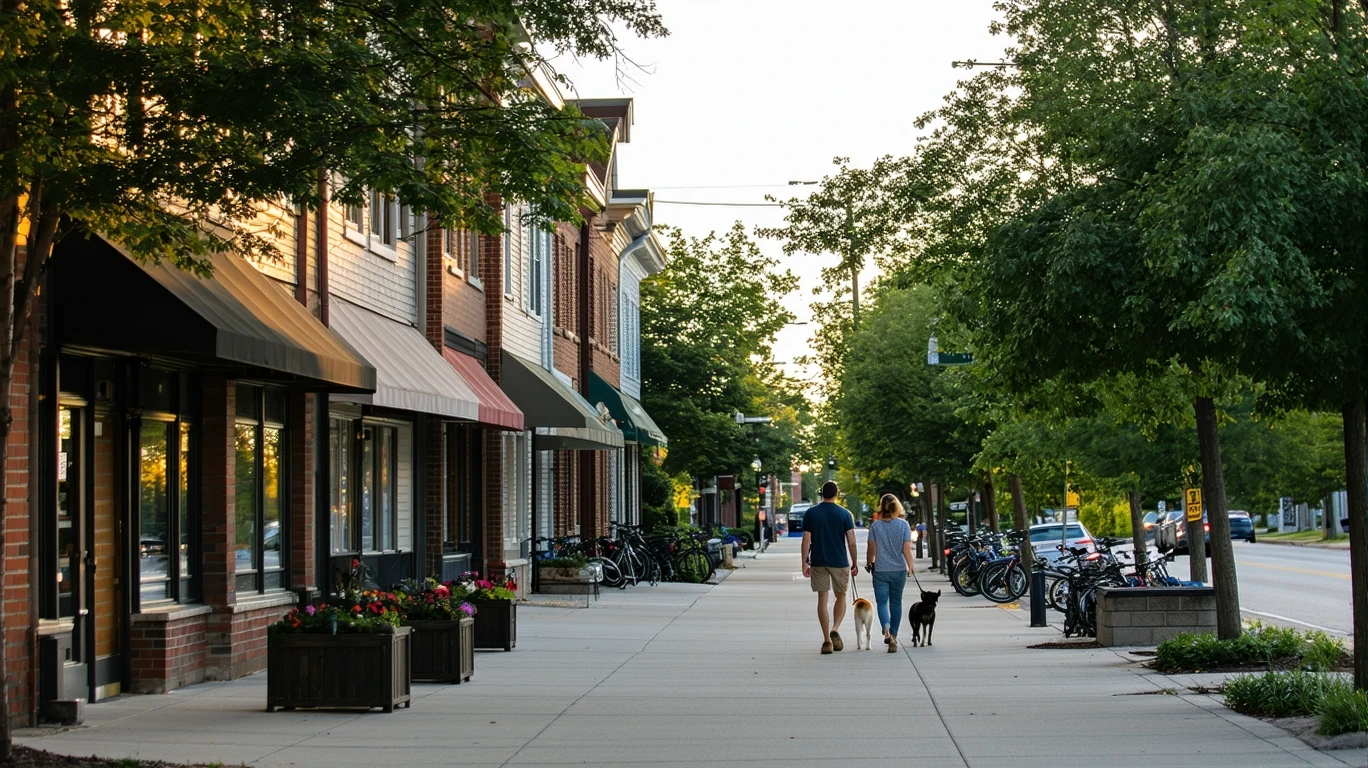
Here’s a common myth: Plymouth is automatically more expensive than Saint Paul because it’s a wealthier suburb. The reality in 2026 is more textured. Both cities sit in the Minneapolis-St. Paul metro, share the same regional price environment, and face similar utility and grocery baselines—but the structure of cost pressure differs sharply depending on how you live, how you move, and what your household prioritizes. For some households, Plymouth’s car-dependent layout and longer commutes create ongoing friction costs that outweigh its predictability. For others, Saint Paul’s urban density and reliance on older housing stock introduce volatility that Plymouth avoids. The decision isn’t about which city costs less overall—it’s about which cost pressures your household can absorb, and which ones will compound over time.
People compare these two cities because they represent fundamentally different approaches to Twin Cities living. Saint Paul offers rail transit access, walkable neighborhood pockets, and integrated parks—but housing stock skews older, and cost data is harder to pin down. Plymouth delivers documented income levels, newer single-family construction, and extensive green space—but nearly everyone drives, commutes average 23 minutes, and a third face long-distance commutes. Both cities benefit from Minnesota’s strong labor market (unemployment under 3% in both places), but the way households experience day-to-day costs depends less on price levels and more on where financial pressure concentrates.
This comparison explains how housing entry barriers, transportation dependence, utility exposure, and daily errands create different cost experiences in Saint Paul versus Plymouth. It’s written for households deciding between urban accessibility and suburban space in 2026—not to declare a winner, but to clarify which tradeoffs matter most for your situation.
Housing Costs
Plymouth’s housing market operates with documented transparency: the median home value sits at $447,600, and median gross rent runs $1,625 per month. These figures reflect a suburban housing stock dominated by single-family homes built in recent decades, with predictable property tax structures and relatively uniform maintenance expectations. Homeownership in Plymouth tends to mean newer construction, larger lots, and lower immediate repair risk—but it also means higher entry barriers and ongoing costs tied to car-dependent infrastructure, lawn care, and homeowners association fees in many developments.
Saint Paul’s housing market lacks the same numeric clarity in available data, but its experiential structure tells a clear story: the city’s walkable pockets, mixed land use, and rail transit access create demand for housing near transit nodes and commercial corridors. The housing stock skews older, which often translates to lower entry costs for buyers willing to manage deferred maintenance, but higher ongoing exposure to utility inefficiency, aging systems, and unpredictable repair cycles. Renters in Saint Paul benefit from proximity to jobs, errands, and transit—but availability in high-demand walkable areas can be constrained, and older buildings may pass through heating and cooling costs that newer suburban construction avoids.
The difference isn’t simply price—it’s structure. Plymouth’s housing costs are front-loaded and predictable: higher purchase prices and rents, but fewer surprises once you’re in. Saint Paul’s housing costs are more distributed: potentially lower entry points, but ongoing exposure to maintenance, utility variability, and competition for units near transit and walkable commercial areas. First-time buyers with stable incomes may find Plymouth’s newer stock easier to budget around, even at higher entry costs. Households prioritizing transit access, walkable errands, or tolerance for older housing stock may find Saint Paul’s structure more flexible—but only if they can absorb the volatility that comes with aging infrastructure.
Housing takeaway: Plymouth’s housing market favors households that value predictability, newer construction, and tolerance for higher entry costs in exchange for lower ongoing maintenance risk. Saint Paul’s market favors households that prioritize location over condition, can manage repair uncertainty, and value proximity to transit and walkable commercial corridors over suburban uniformity. The primary difference is whether cost pressure concentrates at entry (Plymouth) or distributes across maintenance and utilities over time (Saint Paul).
Utilities and Energy Costs
Both cities share nearly identical baseline utility rates: natural gas costs $11.17 per MCF in both places, and electricity runs 15.39¢ per kWh in Saint Paul versus 14.98¢ per kWh in Plymouth—a negligible difference that won’t move the needle for most households. What does matter is how housing stock, building age, and household behavior interact with Minnesota’s long heating season and warm summer months. Utility cost exposure in these two cities is driven less by rate differences and more by the efficiency of the home you’re heating, cooling, and powering.
Plymouth’s newer housing stock generally means better insulation, modern HVAC systems, and more predictable energy usage. Single-family homes dominate, which increases total consumption compared to apartments—but newer construction limits waste. Households in Plymouth experience more stable utility bills year-round because the homes themselves are designed to handle Minnesota’s temperature swings without dramatic spikes. The tradeoff is that larger homes and car-dependent layouts mean baseline usage stays elevated even in mild months, and there’s less opportunity to reduce exposure by shifting to smaller, more efficient units.
Saint Paul’s older housing stock introduces more variability. Apartments and smaller multi-family buildings can offer lower baseline usage, especially for renters who aren’t responsible for heating large single-family footprints. But older buildings often lack modern insulation, rely on aging furnaces, and experience higher heat loss during Minnesota’s extended winter. Households in older Saint Paul homes may see sharp seasonal swings—high heating bills from November through March, moderate cooling costs in summer, and limited control over efficiency without major retrofits. The upside is that smaller units and proximity to walkable errands reduce the need for climate-controlled garage space or long car trips, which indirectly lowers transportation-related energy costs.
The difference shows up in predictability versus exposure. Plymouth households experience steadier utility costs because the housing stock is built to minimize waste, but total usage remains elevated due to home size and layout. Saint Paul households face more seasonal volatility, especially in older buildings, but have more opportunities to reduce exposure by choosing smaller, more efficient units or leveraging transit to avoid car-related energy costs. Families in larger homes will feel utility pressure more acutely in Plymouth due to sheer square footage. Single adults or couples in smaller Saint Paul apartments may experience lower baseline costs but higher winter spikes if the building is poorly insulated.
Utility takeaway: Plymouth offers more predictable utility costs due to newer, more efficient housing stock, but higher baseline usage due to home size and car-dependent layouts. Saint Paul introduces more seasonal volatility, especially in older buildings, but offers opportunities to reduce exposure through smaller units and transit-oriented living. Households sensitive to unpredictable winter heating bills may prefer Plymouth’s consistency; those willing to manage seasonal swings in exchange for lower baseline usage may find Saint Paul’s structure more flexible.
Groceries and Daily Expenses
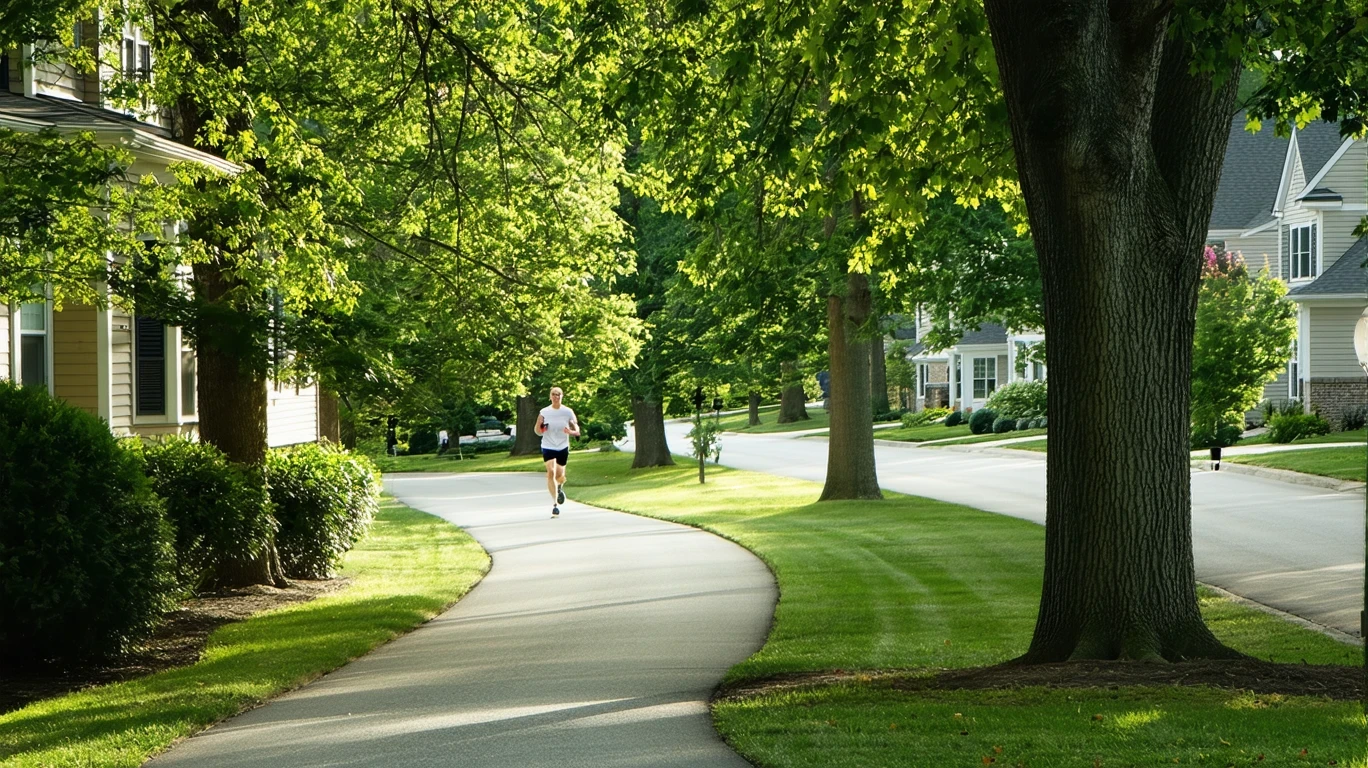
Both Saint Paul and Plymouth operate within the same regional price environment—grocery staples like bread ($1.81/lb), eggs ($2.35/dozen), and ground beef ($6.70/lb) reflect metro-wide pricing adjusted by regional price parity, not city-specific premiums. The meaningful difference isn’t what groceries cost, but how households access them and what that access pattern does to overall spending behavior. Saint Paul’s broadly accessible food and grocery density—evidenced by high food establishment and grocery density throughout the city—means most households can walk, bike, or take short trips to multiple store types. Plymouth’s corridor-clustered grocery access means most trips require a car, and options concentrate along commercial strips rather than spreading through residential neighborhoods.
Saint Paul’s structure favors flexibility and spontaneity. Households can comparison-shop across neighborhood stores, discount grocers, and specialty markets without adding significant travel time or fuel costs. The downside is that proximity to convenience options—coffee shops, prepared food, quick-service restaurants—can increase spending creep for households that default to grabbing meals or snacks rather than cooking at home. The walkable, mixed-use environment makes it easy to spend small amounts frequently, which can add up without careful tracking. Families managing larger grocery volumes may find the need to visit multiple smaller stores more time-consuming than a single big-box trip, though the ability to walk or bike offsets some of that friction.
Plymouth’s corridor-clustered layout pushes most households toward larger, less frequent grocery trips. Big-box stores and chain grocers dominate, which can mean lower per-unit prices on bulk staples but also higher upfront cart totals and more reliance on meal planning to avoid waste. The car dependency built into Plymouth’s structure means every grocery trip includes fuel costs (gas runs $3.66/gal in Plymouth versus $4.02/gal in Saint Paul), and the lack of walkable convenience options reduces the temptation to spend on impulse purchases—but also reduces flexibility when plans change or households run out of staples mid-week. Single adults and couples may find Plymouth’s grocery structure less convenient, as smaller households benefit less from bulk purchasing and face more waste risk.
The difference is less about price sensitivity and more about access friction and spending habits. Saint Paul’s dense, walkable grocery landscape favors households that value flexibility, can resist convenience spending, and prefer frequent small trips over bulk planning. Plymouth’s car-dependent, corridor-clustered structure favors households that can plan ahead, benefit from bulk pricing, and have the storage and meal-prep capacity to minimize waste. Families with predictable routines and space for bulk storage may find Plymouth’s structure more efficient. Single adults or couples who value spontaneity and walkable access may find Saint Paul’s density worth the risk of convenience spending creep.
Grocery takeaway: Saint Paul’s broadly accessible grocery density reduces travel friction and supports flexible shopping habits, but increases exposure to convenience spending for households that don’t actively manage it. Plymouth’s corridor-clustered layout favors bulk planning and reduces impulse purchases, but requires car trips for every grocery run and offers less flexibility for mid-week adjustments. Households sensitive to convenience spending may prefer Plymouth’s structure; those who value walkable access and spontaneity may find Saint Paul’s density more aligned with their routines.
Taxes and Fees
Both Saint Paul and Plymouth operate under Minnesota’s state tax structure, which means sales taxes, income taxes, and many regulatory fees apply uniformly across the metro. The meaningful differences show up in property taxes, local fees, and the recurring costs tied to housing type and municipal services. Plymouth’s higher median home value ($447,600) translates directly into higher annual property tax bills for homeowners, even if effective tax rates are comparable. The suburban layout also means more households encounter homeowners association fees, especially in newer developments that bundle landscaping, snow removal, and shared amenities into monthly or annual assessments.
Saint Paul’s older housing stock and mixed urban-suburban character mean property tax exposure varies widely depending on neighborhood, housing type, and assessed value. Renters are insulated from direct property tax bills, though landlords pass through costs indirectly via rent. The city’s denser layout and older infrastructure can mean higher municipal fees for services like water, trash, and stormwater management, especially in neighborhoods where aging systems require more frequent maintenance or upgrades. Households in Saint Paul may also encounter special assessments for street repairs, sidewalk improvements, or utility upgrades—costs that are less common in Plymouth’s newer, more uniformly maintained subdivisions.
The structural difference is predictability versus variability. Plymouth’s property taxes are higher in absolute terms due to home values, but they’re also more predictable—newer homes, stable assessments, and fewer surprise special assessments. HOA fees add a recurring cost layer, but they also bundle services that homeowners would otherwise pay for separately. Saint Paul’s property tax exposure is more variable: lower home values can mean lower tax bills, but older infrastructure and mixed housing stock introduce more risk of special assessments, fee increases, or deferred maintenance costs passed through to residents. Long-term homeowners in Saint Paul may face periodic spikes tied to infrastructure projects; recent buyers in Plymouth face higher baseline costs but fewer surprises.
Tax and fee takeaway: Plymouth’s tax and fee structure is front-loaded and predictable—higher property taxes due to home values, plus HOA fees in many developments, but fewer surprise assessments. Saint Paul’s structure is more variable—lower property tax exposure in some neighborhoods, but higher risk of special assessments and municipal fee increases tied to aging infrastructure. Homeowners planning to stay long-term should weigh Plymouth’s predictability against Saint Paul’s potential for cost spikes; renters in Saint Paul avoid direct property tax exposure but may see fees passed through in rent increases.
Transportation & Commute Reality
Plymouth’s transportation structure is built around car dependency. The average commute runs 23 minutes, a third of workers face long-distance commutes, and only 3% work from home. Gas costs $3.66 per gallon, and the city’s bus-only transit system offers limited coverage outside peak hours and major corridors. Cycling infrastructure is notable—bike-to-road ratios exceed high thresholds—but the suburban layout and distances between residential areas and job centers mean most households still rely on cars for daily errands, school runs, and commuting. The result is ongoing transportation exposure: fuel costs, vehicle maintenance, insurance, and time spent in traffic all become non-negotiable parts of the household budget.
Saint Paul’s transportation structure offers more flexibility but requires intentional planning. Rail transit is present, pedestrian-to-road ratios exceed high thresholds in walkable pockets, and cycling infrastructure is notable throughout parts of the city. Gas costs $4.02 per gallon—higher than Plymouth—but households that can structure their lives around transit, walking, or biking can reduce or eliminate car dependency for many trips. The tradeoff is that not all neighborhoods offer equal transit access, and households that do need cars face higher fuel costs and less predictable parking availability in denser areas. Families with school-age children or jobs outside transit corridors may find car ownership just as necessary in Saint Paul as in Plymouth, but without the suburban layout that makes driving feel seamless.
The difference is less about commute time and more about commute flexibility and cost structure. Plymouth’s car-dependent layout means transportation costs are predictable but unavoidable—every household needs at least one vehicle, and many need two. Longer commutes and limited transit options mean fuel and maintenance costs compound over time, and there’s little opportunity to reduce exposure without changing jobs or moving closer to work. Saint Paul’s transit and walkability infrastructure offer opportunities to lower transportation costs for households that can align their housing, work, and errands around transit nodes—but those opportunities aren’t universal, and households that fall outside transit corridors face higher fuel costs and less parking convenience than Plymouth offers.
Cost Structure Comparison
Housing pressure dominates the cost experience in both cities, but the form of that pressure differs. Plymouth’s documented median home value of $447,600 and median rent of $1,625 per month create a high entry barrier, but once households clear that threshold, costs become predictable—newer construction, stable property taxes, and lower maintenance risk. Saint Paul’s housing market lacks the same numeric transparency, but its structure is clear: older stock, mixed density, and proximity to transit create opportunities for lower entry costs in exchange for higher ongoing exposure to maintenance, utility inefficiency, and competition for units in walkable areas. Homeowners in Plymouth face front-loaded costs; renters and buyers in Saint Paul face distributed, ongoing costs.
Utilities introduce more volatility in Saint Paul due to older housing stock and seasonal heating exposure, while Plymouth’s newer construction keeps energy costs steadier despite higher baseline usage from larger homes. The difference matters most for households in older Saint Paul buildings, where winter heating bills can spike unpredictably, versus Plymouth households, where utility costs are higher year-round but easier to budget. Transportation patterns matter more in Plymouth, where car dependency is near-universal and commutes average 23 minutes with a third classified as long-distance. Saint Paul’s rail transit and walkable pockets offer cost-reduction opportunities for households that can structure their lives around them—but those opportunities aren’t evenly distributed, and households outside transit corridors face higher fuel costs ($4.02/gal versus $3.66/gal) without the suburban layout that makes driving feel frictionless.
Daily errands and groceries reflect access structure more than price differences. Saint Paul’s broadly accessible food and grocery density reduces travel friction and supports flexible, walkable shopping habits, but increases exposure to convenience spending for households that don’t actively manage it. Plymouth’s corridor-clustered grocery layout requires car trips for every run, which favors bulk planning and reduces impulse purchases but adds fuel costs and time friction to every shopping trip. Taxes and fees are more predictable in Plymouth—higher property taxes due to home values, plus HOA fees in many developments—but Saint Paul’s older infrastructure introduces more risk of special assessments and municipal fee increases tied to aging systems.
The decision isn’t about which city costs less—it’s about which cost pressures your household can absorb. Households sensitive to high entry barriers but comfortable with car dependency and suburban predictability may find Plymouth’s structure easier to manage. Households willing to trade predictability for flexibility, manage older housing stock, and leverage transit to reduce car costs may find Saint Paul’s structure more aligned with their priorities. For families prioritizing space and newer construction, Plymouth’s front-loaded costs may feel worth the trade. For single adults or couples prioritizing walkability and transit access, Saint Paul’s distributed costs may feel more manageable despite higher volatility.
How the Same Income Feels in Saint Paul vs Plymouth
Single Adult
Housing becomes the first non-negotiable cost, and the difference between cities shows up immediately in what that housing delivers. In Plymouth, higher rent or mortgage payments buy predictability—newer construction, stable utilities, minimal surprise repairs—but lock in car dependency, which means fuel, insurance, and maintenance become unavoidable recurring costs. In Saint Paul, lower entry costs in older buildings or smaller units free up cash for other priorities, but unpredictable heating bills and maintenance needs can erode that flexibility quickly. Flexibility exists in Saint Paul if transit access aligns with work and errands, eliminating or reducing car costs; in Plymouth, flexibility disappears because driving is the only practical option for nearly everything.
Dual-Income Couple
The non-negotiable costs expand to include two commutes, which amplifies the transportation difference between cities. In Plymouth, both partners likely drive, which doubles fuel and vehicle costs and makes the 23-minute average commute feel longer when compounded across two people and five days a week. In Saint Paul, couples who can structure one or both commutes around rail transit or walkable job locations reduce transportation exposure significantly, but only if housing, work, and errands align—otherwise, they face the same car dependency as Plymouth plus higher fuel costs. Where flexibility exists depends on commute friction: Plymouth couples gain predictability but lose time and money to driving; Saint Paul couples gain potential cost savings through transit but only if their specific circumstances allow it.
Family with Kids
School logistics, extracurriculars, and grocery volume become non-negotiable, and the cost structure shifts toward time friction and household complexity. In Plymouth, car dependency is unavoidable—school drop-offs, activity shuttles, and bulk grocery runs all require driving—but the suburban layout and newer infrastructure make those logistics feel seamless, even if fuel and vehicle costs compound. In Saint Paul, families face a tradeoff: walkable errands and transit access can reduce car dependency for some trips, but school locations, activity schedules, and the need to manage larger grocery volumes often force car ownership anyway, without the parking convenience or road layout that Plymouth offers. Flexibility in Saint Paul exists mostly for families who can absorb the time cost of managing logistics without a car; in Plymouth, flexibility disappears because the layout assumes everyone drives, but the predictability of that assumption makes planning easier.
Decision Matrix: Which City Fits Which Household?
| Decision factor | If you’re sensitive to this… | Saint Paul tends to fit when… | Plymouth tends to fit when… |
|---|---|---|---|
| Housing entry + space needs | You need to minimize upfront costs or tolerate older housing stock in exchange for location | You prioritize proximity to transit and walkable errands over housing age and can manage maintenance volatility | You value predictable housing costs, newer construction, and can absorb higher entry barriers for stability |
| Transportation dependence + commute friction | You want to reduce or eliminate car dependency and associated fuel, insurance, and maintenance costs | Your work and errands align with rail transit or walkable corridors and you can structure daily life without a car | You accept car dependency as unavoidable and prioritize suburban road layout and parking convenience over transit access |
| Utility variability + home size exposure | You need predictable utility bills year-round and want to avoid seasonal heating or cooling spikes | You can tolerate seasonal volatility in older buildings or choose smaller, more efficient units to reduce baseline usage | You prioritize stable utility costs through newer, better-insulated housing even if baseline usage stays elevated |
| Grocery strategy + convenience spending creep | You want walkable access to multiple store types and flexibility to shop frequently without driving | You can resist convenience spending and value spontaneous, small-trip grocery access over bulk planning | You prefer bulk grocery trips, benefit from big-box pricing, and can plan meals to minimize waste and impulse purchases |
| Fees + friction costs (HOA, services, upkeep) | You want to avoid surprise assessments and prefer bundled, predictable recurring fees over variable municipal charges | You can tolerate potential special assessments tied to aging infrastructure and prefer lower baseline fees despite variability | You accept higher baseline property taxes and HOA fees in exchange for fewer surprise costs and newer infrastructure |
| Time budget (schedule flexibility, errands, logistics) | You need to minimize time spent on household logistics and want errands to feel seamless | You can absorb the time cost of managing errands and school logistics without a car or with limited parking convenience | You prioritize car-dependent logistics that feel frictionless even if they lock in ongoing fuel and vehicle costs |
Lifestyle Fit
Saint Paul’s lifestyle structure revolves around walkable pockets, rail transit access, and integrated parks. The city’s high pedestrian-to-road ratio and mixed residential-commercial land use create neighborhoods where errands, dining, and recreation cluster within walking or biking distance. Families benefit from strong school and playground infrastructure, and outdoor access is woven into daily life—park density exceeds high thresholds, and water features add recreational variety. The tradeoff is that not all neighborhoods offer the same level of walkability or transit access, and households outside the densest corridors may find themselves relying on cars despite the city’s urban character. Cultural amenities, local dining, and community events concentrate near transit nodes, which rewards households that structure their routines around those areas but can feel less accessible for those in car-dependent pockets.
Plymouth’s lifestyle structure prioritizes space, green access, and car-enabled mobility. Park density exceeds high thresholds, water features are present throughout the city, and cycling infrastructure is notable—but the suburban layout means most activities require driving to reach. The city’s moderate pedestrian infrastructure supports walking within neighborhoods, but daily errands, dining, and recreation typically involve car trips to commercial corridors. Families benefit from newer housing stock, larger lots, and predictable school access, though school and playground density falls below thresholds compared to Saint Paul’s concentrated infrastructure. The lifestyle fits households that value outdoor recreation, prefer single-family homes with yards, and don’t mind the time and cost of driving to reach most destinations. Cultural and dining options exist but cluster along commercial strips rather than integrating into residential areas.
The lifestyle difference shows up in how households spend discretionary time. Saint Paul rewards walking, spontaneity, and proximity to urban amenities—households can grab coffee, visit parks, or run errands without planning around car trips. Plymouth rewards planning, car-enabled exploration, and suburban space—households can access extensive parks and trails, but nearly every outing requires driving, and the layout assumes families have the vehicles, time, and fuel budget to support that mobility. Saint Paul’s unemployment rate sits at 2.9%, while Plymouth’s is 2.8%—both cities benefit from strong regional labor markets. Saint Paul’s rail transit access and walkable corridors reduce transportation costs for households that align with them; Plymouth’s extensive park access and cycling infrastructure support recreation but don’t replace the need for cars.
Frequently Asked Questions
Is Plymouth more expensive than Saint Paul for families in 2026?
Plymouth’s higher documented housing costs—median home value of $447,600 and median rent of $1,625 per month—create a steeper entry barrier, but the cost structure favors predictability through newer construction and stable utilities. Saint Paul’s housing market offers potential for lower entry costs in older buildings, but families face more exposure to maintenance volatility, seasonal utility spikes, and competition for units near transit and schools. The difference isn’t total expense—it’s whether your household can absorb front-loaded costs (Plymouth) or distributed, ongoing costs (Saint Paul). Families prioritizing space and predictability may find Plymouth’s structure easier to manage; those willing to trade predictability for walkability and transit access may find Saint Paul more flexible.
How much does commuting cost differ between Saint Paul and Plymouth in 2026?
Plymouth’s average commute runs 23 minutes, with a third of workers facing long-distance commutes and only 3% working from home, which means nearly everyone drives. Gas costs $3.66 per gallon, and the bus-only transit system offers limited alternatives. Saint Paul’s rail transit and walkable pockets allow some households to reduce or eliminate car dependency, but gas costs $4.02 per gallon for those who do drive. The cost difference isn’t just fuel—it’s whether your household can structure work and errands around transit (Saint Paul) or must accept car dependency as unavoidable (Plymouth). Households outside Saint Paul’s transit corridors may face higher fuel costs without Plymouth’s suburban driving convenience.
Which city has lower utility bills, Saint Paul or Plymouth, in 2026?
Both cities share nearly identical utility rates—natural gas costs $11.17 per MCF in both places, and electricity runs 15.39¢ per kWh in Saint Paul versus 14.98¢ per kWh in Plymouth. The difference shows up in housing stock and seasonal exposure. Plymouth’s newer construction keeps utility costs steadier year-round despite higher baseline usage from larger homes. Saint Paul’s older housing stock introduces more seasonal volatility, especially winter heating spikes in poorly insulated buildings, but smaller units and apartments can offer lower baseline usage. Households in newer Plymouth homes experience more predictable bills; those in older Saint Paul buildings face more variability but potential for lower costs in efficient units.
Are groceries cheaper in Saint Paul or Plymouth in 2026?
Grocery staples cost the same in both cities—bread runs $1.81 per pound, eggs $2.35 per dozen, and ground beef $6.70 per pound, reflecting metro-wide pricing. The difference is access structure, not price. Saint Paul’s broadly accessible grocery density means most households can walk or bike to multiple store types, which reduces travel costs but increases exposure to convenience spending. Plymouth’s corridor-clustered layout requires car trips for every grocery run, which favors bulk planning and big-box pricing but adds fuel costs and time friction. Households that can resist convenience spending may find Saint Paul’s walkable access more flexible; those who benefit from bulk purchasing and meal planning may find Plymouth’s structure more efficient.
Does Saint Paul or Plymouth offer better value for renters in 2026?
Plymouth’s documented median rent of $1,625 per month reflects newer construction, predictable utilities, and suburban layouts, but it also locks in car dependency and limits walkable access to errands and transit. Saint Paul’s rental market lacks the same numeric transparency, but its structure favors renters who prioritize transit access, walkable errands, and proximity to urban amenities—though older buildings may introduce higher utility volatility and maintenance uncertainty. Value depends on priorities: renters who want predictability and newer construction may find Plymouth’s higher rents worth the trade; those who value transit, walkability, and flexibility may find Saint Paul’s structure more aligned with their routines despite potential for seasonal utility spikes.
Conclusion
Saint Paul and Plymouth don’t compete on total cost—they compete on cost structure. Plymouth’s higher housing entry costs, car dependency, and suburban predictability fit households that value stability, newer construction, and can absorb front-loaded expenses in exchange for fewer surprises. Saint Paul’s transit access, walkable errands, and older housing stock