

Sherwood: Median home value $520,500, median rent $1,980/month, median household income $109,770/year, walkable pockets with integrated parks.
Gresham: Median home value $411,700, median rent $1,452/month, median household income $69,437/year, rail transit present, 27-minute average commute.
Sherwood and Gresham sit on opposite edges of the Portland metro area, and people compare them because they represent fundamentally different tradeoffs in how households allocate time, money, and daily friction. Sherwood offers substantial pedestrian infrastructure in parts of the city, high bike presence, and park density that exceeds high thresholds—but that comes with higher housing entry costs and a household income profile that skews significantly upward. Gresham provides rail transit service, strong family infrastructure with schools and playgrounds meeting density thresholds, and lower housing costs—but introduces longer commute exposure for many residents and a mixed pedestrian environment that supports both walking and driving without fully prioritizing either.
The decision between these two cities in 2026 isn’t about which one costs less overall. It’s about where cost pressure concentrates, how predictably it shows up, and which household types can absorb or avoid the friction each city introduces. For some households, Sherwood’s higher housing entry is offset by walkability and reduced car dependence. For others, Gresham’s lower rent and home prices make it the only viable entry point, even if commute time and transportation costs become ongoing obligations.
Housing Costs
Sherwood’s median home value of $520,500 and median gross rent of $1,980 per month reflect a market structured around single-family homes, newer construction, and neighborhoods designed with substantial pedestrian infrastructure and integrated green space. The housing stock here tends to attract households prioritizing walkability, park access, and lower reliance on cars for daily errands—but the entry barrier is steep. Renters face limited apartment inventory, and most rental options sit in single-family homes or townhomes rather than large multifamily complexes. Buyers entering Sherwood’s market are typically purchasing space, access to highly rated schools, and a built environment that supports active transportation.
Gresham’s median home value of $411,700 and median gross rent of $1,452 per month create a lower entry threshold, particularly for first-time buyers and renters managing tighter budgets. The housing mix includes more apartments, older single-family homes, and neighborhoods with mixed pedestrian infrastructure that supports both car-oriented and transit-accessible lifestyles. Gresham’s rail transit presence makes certain neighborhoods viable for households willing to trade car dependence for train access, though many residents still rely on cars for work commutes and errands. The lower housing costs here come with tradeoffs in building age, lot size, and neighborhood walkability compared to Sherwood.
For renters, the difference between $1,980 and $1,452 per month represents a structural divide in what’s accessible without stretching income. Gresham’s rental market allows moderate-income households to secure housing without exceeding traditional affordability guidelines, while Sherwood’s rental costs require higher gross monthly income to avoid cost pressure. For buyers, Sherwood’s higher home values demand larger down payments and higher monthly obligations, but the housing stock tends to be newer, more energy-efficient, and situated in neighborhoods with better pedestrian and cycling infrastructure. Gresham’s lower home prices open the door for buyers who might otherwise be priced out of the Portland metro, though older homes may introduce higher maintenance and utility exposure over time.
Housing takeaway: Households with higher incomes and a preference for walkable neighborhoods with integrated parks will find Sherwood’s housing costs justified by the built environment and reduced car dependence. Households prioritizing lower entry costs, rail transit access, and tolerance for mixed mobility patterns will find Gresham’s housing market more accessible, even if it requires accepting longer commutes or older housing stock.
Utilities and Energy Costs
Sherwood and Gresham share nearly identical electricity rates—14.64¢/kWh in Sherwood and 14.66¢/kWh in Gresham—and the same natural gas price of $15.37/MCF. This means the primary driver of utility cost differences isn’t pricing structure; it’s housing stock age, home size, and how much cooling or heating a household needs based on building efficiency and square footage. Sherwood’s newer construction and prevalence of single-family homes with modern insulation standards tend to reduce heating and cooling intensity, even if total usage remains higher due to larger floor plans. Gresham’s older housing stock introduces more variability—some homes have been updated with efficient windows and insulation, while others retain original construction that allows more heat loss in winter and heat gain in summer.
Both cities experience mild Pacific Northwest winters and warm, dry summers, so cooling costs dominate utility bills from June through September, while heating exposure concentrates in December through February. Households in larger single-family homes—more common in Sherwood—face higher baseline usage simply due to square footage, but newer builds tend to stabilize costs through better envelope performance. Gresham households in older single-family homes or apartments may see lower total usage due to smaller footprints, but older construction can introduce unpredictability when extreme heat or cold pushes systems harder than expected.
For families in single-family homes, utility exposure in Sherwood is more predictable but higher in absolute terms due to larger homes. Gresham families in older homes may experience more volatility, particularly if heating or cooling systems are outdated or insulation is inconsistent. Renters in apartments in both cities benefit from smaller spaces and shared-wall insulation, though Gresham’s apartment stock tends to be older, which can mean less efficient heating and cooling equipment. Households managing tight budgets should account for the fact that older homes—more prevalent in Gresham—can introduce surprise spikes during temperature extremes, while Sherwood’s newer stock offers more control over monthly usage.
Utility takeaway: Sherwood households experience more predictable utility costs due to newer housing stock, but higher baseline usage from larger homes. Gresham households in older homes face more volatility and should budget for seasonal spikes, particularly in homes that haven’t been updated with efficient windows, insulation, or HVAC systems.
Groceries and Daily Expenses
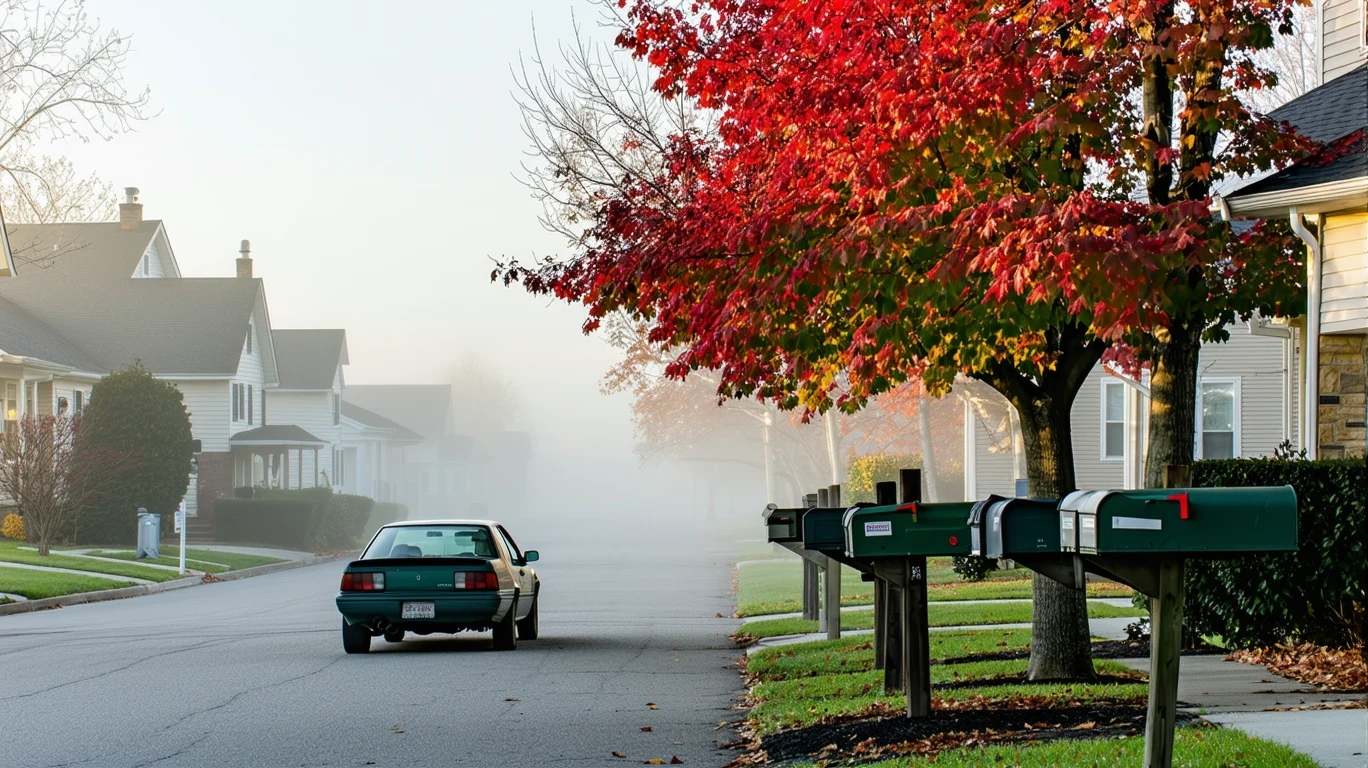
Sherwood and Gresham both show food and grocery establishment density that exceeds high thresholds, meaning residents in both cities have broadly accessible options for daily errands without needing to drive long distances. However, the structure of that access differs. Sherwood’s walkable pockets and high bike-to-road ratio mean households in certain neighborhoods can handle grocery runs, coffee stops, and errands on foot or by bike, reducing the friction cost of daily spending. Gresham’s mixed mobility texture and rail transit presence create corridor-clustered access, where grocery stores and restaurants concentrate along transit lines and major roads, making car trips more common for households outside those corridors.
Both cities share the same regional price parity index of 125, so grocery staples like bread, milk, eggs, and ground beef carry similar price tags. The difference in daily expense pressure comes from how often households rely on convenience spending—grabbing takeout instead of cooking, stopping for coffee on the way to work, or picking up prepared foods because the grocery store requires a dedicated trip. In Sherwood, households in walkable neighborhoods can reduce convenience creep by integrating errands into daily routines without car dependency. In Gresham, households farther from transit corridors or grocery clusters may find themselves making more frequent car trips, which adds time cost and increases the temptation to choose convenience over planning.
For single adults and couples, grocery spending in both cities is manageable with planning, but Sherwood’s walkability reduces the friction of frequent small trips, while Gresham’s car-oriented access rewards bulk shopping and meal prep. Families managing larger grocery volumes face similar prices in both cities, but Sherwood’s integrated park access and walkable errands can reduce the need for separate trips to parks, coffee shops, or quick grocery runs, while Gresham families may find themselves consolidating errands into weekend car trips to minimize time spent driving.
Grocery takeaway: Sherwood households in walkable pockets experience lower friction for daily errands, reducing convenience spending creep. Gresham households benefit from broadly accessible grocery options but may rely more on car trips and bulk shopping, which requires more planning to avoid frequent convenience purchases.
Taxes and Fees
Oregon has no state sales tax, so neither Sherwood nor Gresham residents face consumption taxes on groceries, clothing, or everyday purchases. Property taxes, however, are the primary ongoing cost for homeowners in both cities, and while specific rates aren’t provided in the data, the structural difference in median home values means Sherwood homeowners face higher absolute property tax bills simply because assessed values are higher. A home valued at $520,500 in Sherwood will carry a larger annual property tax obligation than a home valued at $411,700 in Gresham, even if the millage rate is identical.
Both cities may include local fees for water, sewer, stormwater management, and trash collection, though these are typically billed separately from property taxes and vary by neighborhood and service provider. Sherwood’s newer developments may include HOA fees that bundle landscaping, park maintenance, or shared amenities, adding predictable monthly costs that renters avoid but homeowners must budget for. Gresham’s older housing stock is less likely to include HOA fees, though some townhome or condo communities do carry them. Renters in both cities avoid direct property tax exposure, but landlords pass those costs through in rent, so the difference in home values indirectly affects rental pricing as well.
For homeowners planning to stay several years, Sherwood’s higher property taxes are offset by newer infrastructure, better-maintained parks, and walkable neighborhoods that reduce transportation costs. Gresham homeowners benefit from lower property tax bills due to lower home values, though older infrastructure may introduce higher maintenance costs over time. Renters in Gresham face lower rent partly because property tax exposure is lower for landlords, while Sherwood renters pay a premium that reflects both higher home values and the built environment those taxes support.
Tax takeaway: Sherwood homeowners face higher property tax obligations due to higher home values, but those taxes fund infrastructure and parks that reduce car dependence. Gresham homeowners benefit from lower property taxes tied to lower home values, though older infrastructure may require more out-of-pocket maintenance over time.
Transportation and Commute Reality
Gresham’s average commute time of 27 minutes, combined with 41.4% of workers experiencing long commutes and only 8.2% working from home, reveals a city where transportation friction is a daily reality for most households. Rail transit service provides an alternative for residents near MAX stations, but the mixed pedestrian infrastructure and moderate bike presence mean most households still rely on cars for errands, school drop-offs, and trips outside transit corridors. Gas prices of $4.99/gallon in Gresham add ongoing cost exposure for households making frequent car trips, particularly those commuting to Portland or other parts of the metro area.
Sherwood lacks commute data in the feed, but the city’s walkable pockets, high bike-to-road ratio, and integrated park density suggest a built environment that reduces car dependence for daily errands, even if work commutes still require driving. Gas prices of $5.01/gallon in Sherwood are nearly identical to Gresham’s, so the cost per gallon isn’t the differentiator—it’s how often households need to drive and how much time they spend in the car. Sherwood’s pedestrian infrastructure allows households to handle grocery runs, coffee stops, and park visits without starting the engine, while Gresham’s car-oriented layout makes those same errands more likely to require a vehicle.
For households with flexible work arrangements or short commutes, Sherwood’s walkability reduces transportation costs by lowering the frequency of car trips. For households commuting to Portland or other metro employment centers, Gresham’s rail transit presence offers a viable alternative to driving, though it requires living near a station and accepting longer total travel times. Families managing school drop-offs, extracurriculars, and errands will find Sherwood’s walkable neighborhoods reduce the number of daily car trips, while Gresham families may spend more time coordinating logistics around car availability and parking.
Cost Structure Comparison
Housing dominates the cost experience in Sherwood, where median home values and rents create a high entry barrier that filters for households with incomes well above the metro median. That housing cost, however, buys access to walkable pockets, integrated parks, and high bike presence that reduce ongoing transportation friction and daily car dependence. Households paying $1,980/month in rent or carrying a mortgage on a $520,500 home are trading upfront housing expense for lower transportation costs, fewer convenience spending triggers, and a built environment that supports active lifestyles without requiring gym memberships or weekend drives to parks.
Gresham’s lower housing costs—$1,452/month rent and $411,700 median home value—make it accessible to moderate-income households, but the tradeoff shows up in commute exposure and transportation friction. With 41.4% of workers experiencing long commutes and mixed pedestrian infrastructure, most Gresham households rely on cars for daily errands and work trips, even if rail transit provides an alternative for some. The time cost of a 27-minute average commute, combined with the need to plan errands around car availability, introduces ongoing friction that doesn’t appear on a monthly budget but affects household logistics and schedule flexibility.
Utilities introduce similar exposure in both cities due to identical electricity and natural gas rates, but Sherwood’s newer housing stock offers more predictability, while Gresham’s older homes can create seasonal volatility. Grocery and daily expense pressure is broadly accessible in both cities, but Sherwood’s walkability reduces convenience spending creep, while Gresham’s car-oriented access rewards bulk shopping and planning. Taxes and fees follow housing values—Sherwood homeowners pay more in property taxes, but those taxes fund the infrastructure that reduces car dependence, while Gresham homeowners benefit from lower tax bills tied to lower home values.
For households sensitive to housing entry costs, Gresham is the only viable option, even if it means accepting longer commutes and more car dependence. For households prioritizing walkability, park access, and reduced transportation friction, Sherwood’s higher housing costs are offset by lower ongoing car expenses and a built environment that supports daily errands without driving. The better choice depends on which costs dominate the household—upfront housing pressure or ongoing time and transportation friction.
How the Same Income Feels in Sherwood vs Gresham
Single Adult
In Sherwood, a single adult’s income goes first to housing, where $1,980/month rent or a mortgage on a $520,500 home consumes a large share of gross monthly income. Flexibility exists in transportation, where walkable neighborhoods and bike infrastructure reduce the need for frequent car trips, lowering gas and maintenance costs. In Gresham, housing costs are lower at $1,452/month rent or a $411,700 home price, but the 27-minute average commute and car dependence for errands introduce ongoing time and fuel expenses that don’t show up as line items but reduce schedule flexibility. For a single adult working remotely or with a short commute, Sherwood’s walkability feels liberating; for someone commuting to Portland daily, Gresham’s lower rent may be the only way to make the math work, even if it means more time in the car.
Dual-Income Couple
A dual-income couple in Sherwood faces high housing costs, but two incomes make the $1,980 rent or $520,500 home price more manageable, and the walkable environment reduces the need for a second car or frequent gas fill-ups. Errands, coffee runs, and park visits happen on foot or by bike, lowering convenience spending and freeing up time for other priorities. In Gresham, the lower housing cost of $1,452 rent or $411,700 home price allows more flexibility in the budget, but if both partners commute or one works in Portland, the time cost of long commutes and car dependence becomes a non-negotiable daily friction. Rail transit helps if both partners work near MAX stations, but mixed pedestrian infrastructure means most errands still require a car, adding coordination complexity and reducing spontaneity.
Family with Kids
For a family in Sherwood, housing costs are the first and largest non-negotiable, but the integrated park density, walkable neighborhoods, and strong playground presence mean kids can bike to school, walk to parks, and play outside without parents needing to drive them everywhere. That reduces the logistical burden of managing school drop-offs, extracurriculars, and weekend activities, though the upfront housing cost remains steep. In Gresham, lower housing costs make entry possible for families with moderate incomes, and strong family infrastructure with schools and playgrounds meeting density thresholds supports daily routines. However, the 27-minute average commute and car dependence mean parents spend more time coordinating logistics, managing school drop-offs, and planning errands around car availability, which introduces ongoing friction that doesn’t appear as a dollar amount but affects household stress and schedule flexibility.
Decision Matrix: Which City Fits Which Household?
| Decision factor | If you’re sensitive to this… | Sherwood tends to fit when… | Gresham tends to fit when… |
|---|---|---|---|
| Housing entry + space needs | You need to minimize upfront housing costs to make the budget work | You have higher income and prioritize newer construction with walkable access over lower entry costs | You need lower rent or home prices to enter the market, even if it means older housing stock |
| Transportation dependence + commute friction | You want to minimize time spent in the car and reduce gas expenses | You work remotely or have a short commute and value walkable errands and bike infrastructure | You can tolerate a 27-minute average commute or live near rail transit and accept car dependence for errands |
| Utility variability + home size exposure | You want predictable utility bills without seasonal spikes | You prefer newer construction with better insulation and energy efficiency, even if baseline usage is higher | You can manage seasonal volatility in older homes and prioritize lower housing costs over utility predictability |
| Grocery strategy + convenience spending creep | You want to reduce friction in daily errands and avoid convenience spending | You value walkable access to groceries and errands that don’t require starting the car | You’re comfortable with car-based errands and bulk shopping to minimize trips and control costs |
| Fees + friction costs (HOA, services, upkeep) | You want to avoid unpredictable fees and prefer bundled services | You accept HOA fees in exchange for maintained parks, landscaping, and walkable infrastructure | You prefer lower property taxes and fewer HOA fees, even if it means more self-managed maintenance |
| Time budget (schedule flexibility, errands, logistics) | You want to minimize time spent coordinating household logistics and car trips | You prioritize walkable neighborhoods where errands, parks, and schools are accessible without driving | You can tolerate longer commutes and car-based logistics in exchange for lower housing entry costs |
Lifestyle Fit
Sherwood’s walkable pockets, integrated park density, and high bike presence create a lifestyle centered on outdoor access and active transportation. Families can walk or bike to parks, playgrounds, and schools without needing to load kids into the car, and adults can handle errands on foot or by bike in certain neighborhoods. The built environment supports a less car-dependent daily routine, though work commutes may still require driving depending on employment location. Gresham’s rail transit presence and strong family infrastructure make it viable for households willing to live near MAX stations and accept mixed pedestrian environments. The 27-minute average commute and 41.4% long commute rate reveal a city where many residents travel outside Gresham for work, but rail transit provides an alternative to driving for those near stations.
Sherwood’s newer construction and higher home values attract households prioritizing modern amenities, walkability, and access to highly rated schools. The city’s integrated green space and water features create a park-rich environment where outdoor recreation is woven into daily life rather than requiring weekend drives. Gresham’s older housing stock and lower costs appeal to households entering the Portland metro for the first time or managing tighter budgets, and the city’s strong family infrastructure—with schools and playgrounds meeting density thresholds—supports families with kids. However, the mixed mobility texture means households need to plan around car availability for most errands, even if rail transit reduces commute friction for some.
For households valuing spontaneity, walkability, and reduced car dependence, Sherwood’s built environment supports a lifestyle where daily errands, park visits, and coffee runs happen on foot or by bike. For households prioritizing lower housing entry costs and willing to accept longer commutes or car-based logistics, Gresham offers access to the Portland metro without the steep housing costs of inner suburbs. Sherwood’s median household income of $109,770/year reflects a population with higher earnings and a preference for walkable, park-rich neighborhoods. Gresham’s median household income of $69,437/year and rail transit access make it viable for moderate-income households willing to trade commute time for lower housing costs.
Frequently Asked Questions
Is Sherwood or Gresham more affordable for renters in 2026?
Gresham’s median gross rent of $1,452 per month is lower than Sherwood’s $1,980 per month, making it more accessible for renters managing moderate incomes. Sherwood’s higher rent reflects newer construction, walkable neighborhoods, and integrated park access, which reduce car dependence and ongoing transportation costs. Gresham’s lower rent comes with tradeoffs in building age and more reliance on cars for errands, but it opens the door for households who would otherwise be priced out of the Portland metro.
How do commute times differ between Sherwood and Gresham in 2026?
Gresham has an average commute time of 27 minutes, with 41.4% of workers experiencing long commutes and only 8.2% working from home. Sherwood lacks specific commute data, but its walkable pockets and high bike presence suggest lower car dependence for daily errands, even if work commutes still require driving. Gresham’s rail transit presence offers an alternative to driving for households near MAX stations, while Sherwood’s built environment reduces the need for frequent car trips within the city.
Which city has lower housing entry costs for first-time buyers in 2026?
Gresham’s median home value of $411,700 creates a lower entry barrier than Sherwood’s $520,500, making it more accessible for first-time buyers with smaller down payments or tighter budgets. Sherwood’s higher home values reflect newer construction, walkable infrastructure, and park-rich neighborhoods, which appeal to buyers prioritizing modern amenities and reduced car dependence. Gresham’s lower prices come with older housing stock and more car-oriented neighborhoods, but they make homeownership possible for households entering the Portland metro.
Do Sherwood and Gresham have different utility costs in 2026?
Sherwood and Gresham have nearly identical electricity rates (14.64¢/kWh vs 14.66¢/kWh) and the same natural gas price ($15.37/MCF), so utility cost differences come from housing stock age and home size rather than pricing structure. Sherwood’s newer construction tends to offer more predictable utility bills due to better insulation and energy efficiency, while Gresham’s older homes may introduce seasonal volatility, particularly in homes that haven’t been updated with efficient windows or HVAC systems.
Which city is better for families with kids in 2026, Sherwood or Gresham?
Sherwood offers integrated park density, walkable neighborhoods, and high bike presence, allowing kids to bike to school and walk to parks without parents needing to drive them everywhere. Gresham has strong family infrastructure with schools and playgrounds meeting density thresholds, but the 27-minute average commute and car dependence mean parents spend more time coordinating logistics and managing school drop-offs. Sherwood fits families prioritizing walkability and outdoor access, while Gresham fits families needing lower housing costs and willing to accept more car-based logistics.
Conclusion
Sherwood and Gresham represent two distinct approaches to managing cost structure in the Portland metro. Sherwood concentrates cost pressure in housing, where median home values of $520,500 and median rent of $1,980 per month create a high entry barrier that filters for households with incomes well above the metro median. That housing cost, however, buys access to walkable pockets, integrated parks, and high bike presence that reduce ongoing transportation friction and daily car dependence. Gresham distributes cost pressure differently, offering lower housing entry at $411,700 median home value and $1,452 median rent, but introducing ongoing commute exposure and car dependence that add time cost and logistical complexity to daily routines.
For households with higher incomes prioritizing walkability, park access, and reduced car dependence, Sherwood’s housing costs are offset by lower transportation expenses and a built environment that supports active lifestyles without requiring gym memberships or weekend drives to parks. For households with moderate incomes needing lower housing entry costs and willing to tolerate longer commutes or car-based logistics, Gresham provides access to the Portland metro without the steep housing costs of inner suburbs. Neither city is universally cheaper—each concentrates cost pressure in different categories, and the better choice depends on which costs dominate the household and which tradeoffs align with long-term priorities.
How this article was built: In addition to public economic data, this article incorporates location-based experiential signals derived from anonymized geographic patterns—such as access density, walkability, and land-use mix—to reflect how day-to-day living actually feels in Sherwood, OR.