
“I can walk to the grocery store and bike to the coffee shop, but I still need my car four days a week—there’s just no way around it.” That’s how one Sherwood commuter described daily life here, and it captures the transportation reality better than any schedule or map could. Sherwood offers more mobility options than many suburban communities—bus service runs through key corridors, bike lanes connect neighborhoods, and some pockets are genuinely walkable—but for most households, a car remains essential. Understanding transportation options in Sherwood means recognizing both what’s possible on foot or by transit and where driving becomes unavoidable.
How People Get Around Sherwood
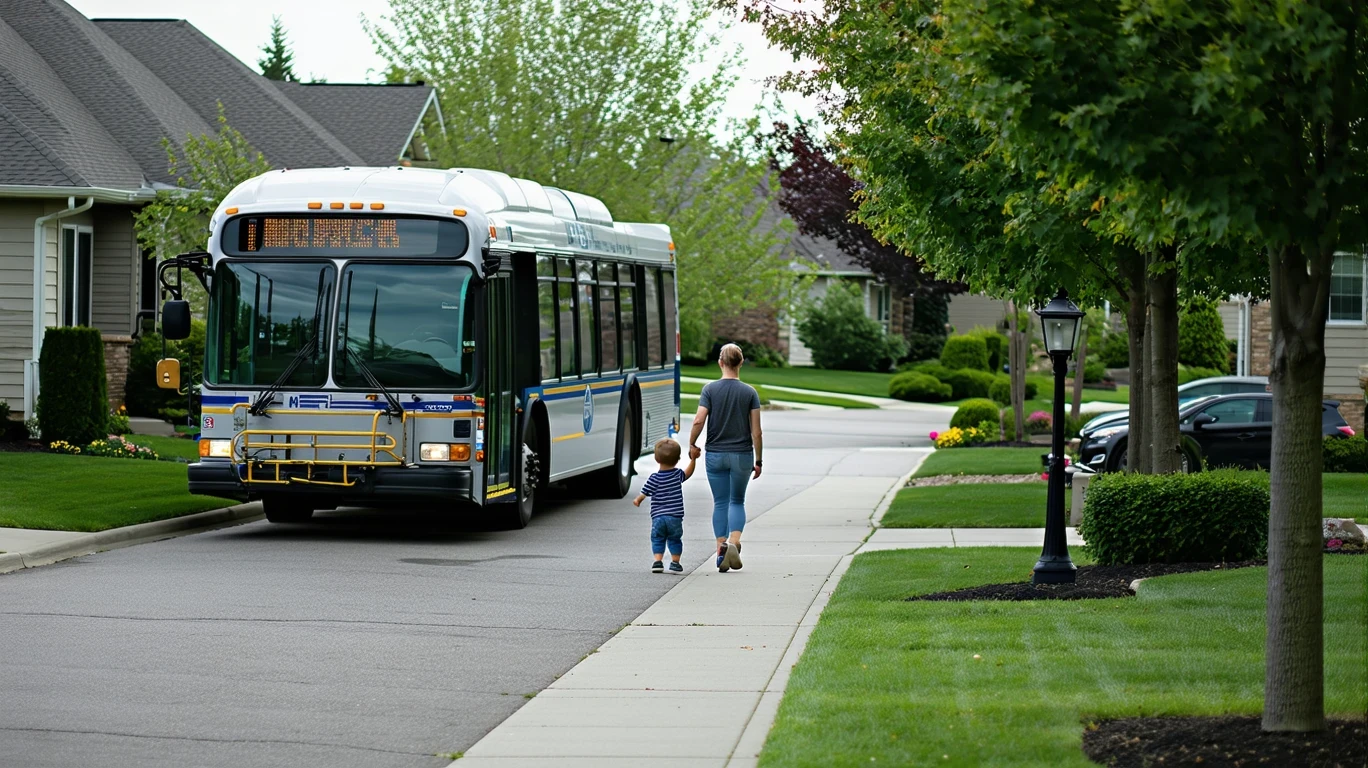
Sherwood’s transportation landscape reflects its position as a small city within the Portland metro area: it has suburban density in most areas, but enough mixed-use development and pedestrian infrastructure to support car-light living in select neighborhoods. The pedestrian-to-road ratio exceeds typical suburban thresholds, and bike infrastructure is notably present throughout parts of the city. Both residential and commercial land uses coexist, which means errands, dining, and some services are reachable without a car if you live near the right corridors.
But that accessibility is uneven. Walkable pockets exist, but they don’t cover the entire city. Bus service is available, but it’s limited to specific routes and schedules. For households living outside the higher-density cores or commuting to job centers beyond Sherwood’s boundaries, driving isn’t a preference—it’s a structural requirement. Newcomers often assume that because Sherwood feels more connected than a sprawling exurb, they can rely on transit or biking full-time. In practice, most people end up with a hybrid approach: walking or biking locally when possible, driving when distance, timing, or logistics demand it.
Public Transit Availability in Sherwood
Public transit in Sherwood often centers around systems such as TriMet, though coverage varies by area. Bus service is present and provides baseline connectivity to nearby employment centers and regional destinations, but it operates without the speed, frequency, or reach of rail transit. That means transit works best for residents who live near bus corridors, have flexible schedules, or can structure their day around fixed departure times.
Transit tends to be most practical for single-destination commutes—home to work, work to home—rather than multi-stop errands or trips that require transfers. Families managing school pickups, medical appointments, or grocery runs across multiple locations often find that transit adds friction rather than convenience. Late-evening and weekend service is typically lighter, which limits transit viability for shift workers or households with variable schedules.
For renters in walkable neighborhoods near bus stops, transit can meaningfully reduce car dependence. For homeowners in lower-density areas or families with children, it usually serves as a supplement rather than a replacement.
Driving & Car Dependence Reality
Despite Sherwood’s walkable pockets and bike-friendly infrastructure, car ownership remains the default for most households. The city’s layout includes both connected corridors and spread-out residential zones, and many daily destinations—workplaces, schools, healthcare facilities—sit outside comfortable walking or biking range. Parking is generally available and uncontested, which reinforces the practicality of driving even for short trips.
Car dependence here isn’t about preference; it’s about structure. Households with children face school commutes that don’t align with bus routes. Workers commuting to Portland or other metro-area job centers need the speed and flexibility that transit can’t match. Even residents who bike or walk for errands often keep a car for regional trips, weekend activities, or weather contingencies.
The tradeoff is predictability. Driving offers control over timing, routing, and logistics in ways that transit and biking can’t replicate. But it also locks households into fuel costs, insurance, maintenance, and the assumption that every adult needs access to a vehicle. For households trying to minimize transportation expenses, that structural car dependence is one of the hardest costs to reduce.
Commuting Patterns & Daily Mobility
Commuting in Sherwood varies widely depending on where you work and where you live within the city. Residents working locally—in Sherwood’s commercial corridors or nearby suburban job centers—often have short, predictable commutes that can sometimes be managed by bike or bus. Those commuting to Portland or other regional employment hubs face longer trips that almost always require a car, especially if the commute involves reverse directions, off-peak hours, or multi-stop logistics.
Daily mobility also depends on household structure. Single adults or couples without children can often adapt to transit schedules or bike-dependent routines. Families managing school drop-offs, after-school activities, and grocery runs need the flexibility that only a car provides. The presence of clinics but no hospital locally means some medical trips require travel to neighboring cities, adding another layer of car dependence.
The result is that most Sherwood households operate in a hybrid mode: they use local walkability and bike infrastructure when it’s convenient, but they rely on a car as the backbone of their transportation system. That’s not a failure of planning—it’s a reflection of Sherwood’s role as a small city within a larger metro area, where regional connectivity still depends on personal vehicles.
Who Transit Works For — and Who It Doesn’t
Transit in Sherwood works best for renters living in walkable pockets near bus corridors who have flexible work schedules or local employment. These households can combine bus service with biking or walking to cover most daily needs, keeping a car as an occasional backup rather than a daily necessity. The broadly accessible food and grocery options in higher-density areas support this lifestyle, reducing the need for car-dependent shopping trips.
Transit becomes less viable for families with children, especially those managing school logistics, extracurricular schedules, or multi-stop errands. Schools and playgrounds are present but unevenly distributed, and bus service doesn’t align well with the timing and routing demands of family life. Homeowners in lower-density neighborhoods—where pedestrian infrastructure thins out and bus coverage is sparse—face similar challenges. For these households, transit might work for an occasional commute, but it can’t replace the car for day-to-day logistics.
Workers commuting to job centers outside Sherwood also struggle with transit. Bus service provides regional connectivity, but without rail, longer commutes become time-intensive and inflexible. The lack of rail transit means that commuters can’t rely on the speed and frequency that make car-free living practical in denser urban cores.
Transportation Tradeoffs in Sherwood
Choosing between transit and driving in Sherwood isn’t about cost alone—it’s about control, predictability, and how much friction you’re willing to accept in daily life. Transit offers lower direct expenses and reduces exposure to fuel price swings, but it requires schedule flexibility, tolerance for longer trip times, and acceptance that some destinations simply won’t be reachable. Driving offers speed, convenience, and the ability to handle complex logistics, but it locks you into ongoing expenses and makes transportation a fixed rather than variable cost.
Biking adds a middle option: it’s faster than walking, cheaper than driving, and more flexible than transit. Sherwood’s notable bike infrastructure makes cycling a genuine option for local trips, especially in neighborhoods with mixed land use and integrated green space. But biking still depends on weather, distance, and physical ability, and it doesn’t solve the problem of regional commutes or multi-passenger trips.
The real tradeoff is between proximity and flexibility. Households that prioritize walkable, transit-accessible neighborhoods gain lower transportation costs and reduced car dependence, but they pay for it in housing pressure and limited neighborhood choice. Households that prioritize space, affordability, or specific school access end up in areas where driving is non-negotiable, and transportation becomes a larger, less controllable part of the household budget.
FAQs About Transportation in Sherwood (2026)
Is public transit usable for daily commuting in Sherwood?
It depends on where you live and where you work. Bus service is present and can support commutes to nearby job centers or regional destinations if your schedule aligns with fixed routes and departure times. Transit works best for single-destination commutes and struggles with multi-stop trips, late hours, or areas outside bus coverage. Most households use transit as a supplement rather than a full replacement for driving.
Do most people in Sherwood rely on a car?
Yes. Despite walkable pockets and bike infrastructure, car ownership remains essential for most households. Families, homeowners in lower-density areas, and workers commuting outside Sherwood almost always need a car for daily logistics. Renters in higher-density neighborhoods near bus corridors have more flexibility, but even they often keep a car for regional trips or weather contingencies.
Which areas of Sherwood are easiest to live in without a car?
Neighborhoods with higher pedestrian infrastructure density, proximity to bus corridors, and access to grocery and food establishments offer the best chance of reducing car dependence. These areas tend to have mixed residential and commercial land use, which supports walking and biking for daily errands. But even in these pockets, most households still need occasional car access for regional trips, medical appointments, or family logistics.
How does commuting in Sherwood compare to nearby cities?
Sherwood offers more local walkability and bike infrastructure than many suburban communities, but it lacks the rail transit and dense employment centers that make car-free commuting viable in Portland’s urban core. Compared to more sprawling exurbs, Sherwood provides better baseline transit access and more connected street networks. Compared to denser cities with rail service, it still requires most households to own and use a car regularly.
Can you get by with just biking in Sherwood?
For local trips—errands, dining, short commutes—biking is genuinely viable in neighborhoods with notable bike infrastructure and broadly accessible services. But biking alone doesn’t solve regional commutes, family logistics, or trips that require carrying cargo or passengers. Most bike-dependent households still keep a car for backup or share vehicles within the household to cover trips that cycling can’t handle.
How Transportation Fits Into the Cost of Living in Sherwood
Transportation in Sherwood isn’t just a line item—it’s a structural factor that shapes where you can live, how much time you spend commuting, and how much control you have over daily logistics. Households that can reduce car dependence by choosing walkable, transit-accessible neighborhoods gain predictability and lower variable costs. But those neighborhoods come with higher housing costs and fewer options, which means the transportation savings often get absorbed by rent or mortgage pressure.
For most households, the question isn’t whether to own a car—it’s how much you’ll drive it and whether you can structure your life to minimize trips. Proximity to work, schools, and services matters more than transit access alone. Flexibility in work schedules, household size, and tolerance for trip friction all influence whether transit or biking can realistically reduce your reliance on driving.
If you’re trying to understand how transportation costs fit into your overall budget in Sherwood, the Monthly Budget article provides numeric context and category-level breakdowns. But the real insight comes from recognizing that transportation isn’t just about fuel or fares—it’s about time, control, and the daily tradeoffs that shape how you experience living here. Sherwood offers more options than many suburban communities, but it still requires most households to own a car and plan their lives around it. Understanding that reality early helps you make housing, employment, and lifestyle decisions that align with how getting around actually works in practice.
How this article was built: In addition to public economic data, this article incorporates location-based experiential signals derived from anonymized geographic patterns—such as access density, walkability, and land-use mix—to reflect how day-to-day living actually feels in Sherwood, OR.