

—
Which city gives you more for your money? The Village and Norman sit just miles apart in the Oklahoma City metro, but the way costs show up—and which households feel them most—differs in ways that matter for day-to-day budgeting in 2026. Both cities attract families, young professionals, and people seeking suburban space without leaving the metro entirely. The Village offers a quiet, park-rich environment with strong school and playground infrastructure, while Norman brings a college-town energy, hospital access, and rail transit connectivity. The decision isn’t about which city costs less overall; it’s about which cost pressures dominate your household and how predictable or volatile those pressures feel month to month.
This comparison focuses on where money goes in each city—housing entry barriers, ongoing utility exposure, transportation dependence, grocery strategy, and the friction costs that add up quietly. We’ll explain how the same income can feel stable in one place and tight in the other, not because of a single price difference, but because of how costs concentrate, when they hit, and how much control you have over them. By the end, you’ll understand which households fit naturally in The Village, which thrive in Norman, and why the right choice depends on what you’re most sensitive to.
Housing Costs
Housing costs in The Village and Norman follow opposite patterns depending on whether you’re renting or buying. The Village shows a median home value of $172,300 and median gross rent of $1,351 per month. Norman shows a median home value of $224,900 and median gross rent of $1,004 per month. For renters, The Village presents higher monthly obligations, while Norman offers lower rent but a steeper entry barrier for buyers. This inversion shapes who feels housing pressure most acutely in each city.
The rental market in The Village skews toward single-family homes and townhomes rather than large apartment complexes, which contributes to higher median rent figures. Renters in The Village face more predictable housing costs once locked into a lease, but less flexibility in finding lower-cost entry points. Norman’s rental market benefits from student housing stock and a broader range of apartment options, which keeps median rent lower but introduces more turnover and variability in availability. For renters prioritizing monthly cash flow, Norman offers immediate relief. For renters seeking stability and space without the complexity of a college-town rental cycle, The Village provides a quieter, more consistent experience.
Homebuyers face the reverse calculus. The Village’s lower median home value reduces down payment requirements, closing costs, and ongoing property tax exposure. Norman’s higher home values reflect a larger housing stock, more established neighborhoods, and proximity to the University of Oklahoma, which supports long-term appreciation but demands more upfront capital. First-time buyers with limited savings may find The Village more accessible, while buyers prioritizing resale value, walkable mixed-use areas, and access to urban amenities may justify Norman’s higher entry cost. Families seeking space and strong school infrastructure without the premium of a college town will find The Village’s housing market more forgiving on the buy side, while Norman’s rental affordability makes it easier for young professionals and graduate students to avoid car dependency and housing cost volatility.
| Housing Type | The Village | Norman |
|---|---|---|
| Median Home Value | $172,300 | $224,900 |
| Median Gross Rent | $1,351/month | $1,004/month |
| Renter Pressure | Higher monthly obligation, more stability | Lower monthly cost, more turnover |
| Buyer Pressure | Lower entry barrier, smaller down payment | Higher entry cost, stronger resale potential |
Housing takeaway: Renters face higher monthly costs in The Village but gain predictability and access to family-oriented neighborhoods. Norman’s lower rent appeals to students, young professionals, and households prioritizing transit access over space. Buyers encounter lower entry barriers in The Village, making homeownership more accessible for first-time purchasers, while Norman’s higher home values reflect a more established market with mixed-use walkability and long-term appreciation potential. The choice depends on whether your household is more exposed to monthly rent volatility or upfront purchase capital.
Utilities and Energy Costs
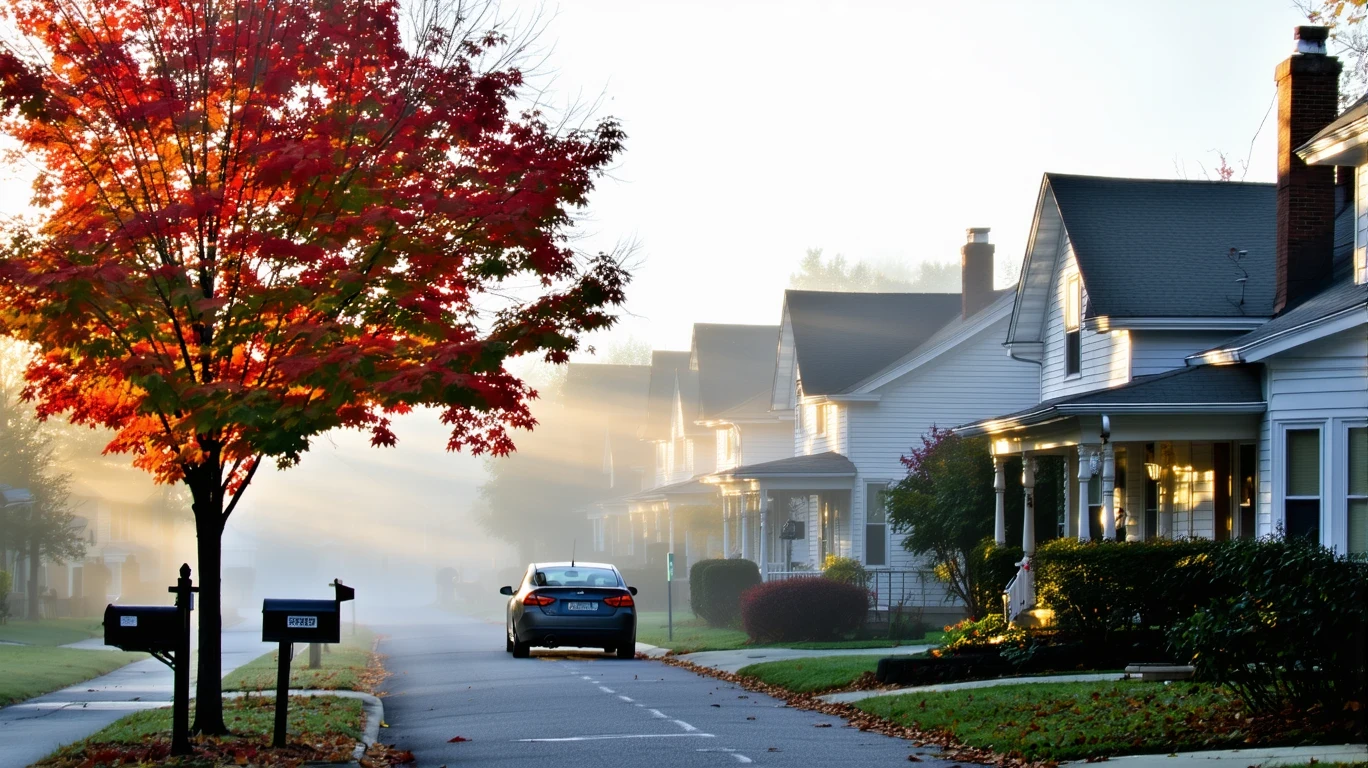
Utility costs in The Village and Norman behave similarly in structure but differ in predictability based on housing type and age. The Village’s electricity rate sits at 12.62¢/kWh, while Norman’s rate is 12.25¢/kWh. Natural gas pricing shows The Village at $10.78/MCF and Norman at $11.08/MCF. These differences are narrow enough that household-level factors—home size, insulation quality, and cooling habits—matter more than the rate itself. Both cities experience hot Oklahoma summers that drive air conditioning use from May through September, with cooling costs dominating utility bills during peak months.
The Village’s low-rise housing stock consists primarily of single-family homes, which increases total square footage per household and raises baseline cooling and heating exposure. Older homes in The Village may lack modern insulation or energy-efficient HVAC systems, amplifying seasonal volatility. Norman’s mixed building heights and presence of apartment complexes reduce per-household square footage for renters, which lowers baseline utility costs but introduces less control over thermostat settings in multi-unit buildings. Families in single-family homes in either city should expect utility bills to spike during summer months, with total exposure driven more by home age and size than by rate differences.
Households in newer construction—more common in parts of Norman near recent development—benefit from tighter building envelopes, programmable thermostats, and modern HVAC efficiency, which smooth out seasonal peaks. Renters in older apartment stock in Norman may face unpredictable utility costs if landlords have not upgraded insulation or windows. In The Village, homeowners have more control over efficiency upgrades but bear the full cost of improvements. Utility cost exposure in both cities is less about the rate structure and more about housing form, occupancy density, and the ability to invest in efficiency measures. Households sensitive to summer cooling spikes will feel similar pressure in both cities, but those in smaller, newer units in Norman may experience less volatility than those in larger, older homes in The Village.
Utility takeaway: Utility rate differences between The Village and Norman are minimal. Cost exposure depends more on housing type, home age, and square footage than on the rate itself. Families in single-family homes face higher baseline usage and more seasonal volatility, while renters in apartments benefit from smaller footprints but less control over efficiency. Households prioritizing predictable utility costs should focus on housing age and insulation quality rather than rate shopping between cities.
Groceries and Daily Expenses
Grocery and daily spending pressure in The Village and Norman reflects different access patterns rather than price differences. The Village shows sparse food establishment density but high grocery density, indicating strong big-box and supermarket presence with limited dining, coffee shop, and convenience options. Norman shows medium food density but low grocery density, suggesting more dispersed access to both groceries and prepared food. Both cities fall below thresholds for broadly accessible daily errands, meaning most households rely on intentional trips rather than walkable convenience.
The Village’s grocery infrastructure favors bulk shopping and meal planning. Households that cook at home, buy in volume, and minimize convenience spending will find The Village’s big-box grocery access efficient and cost-effective. However, the limited food establishment density means fewer options for quick meals, coffee runs, or last-minute takeout, which can push households toward longer drives or higher per-trip costs when convenience is needed. Norman’s more balanced food and grocery landscape offers more flexibility for mixed strategies—grabbing lunch near campus, picking up groceries on the way home, or combining errands—but the lower grocery density means fewer large-format stores and more reliance on mid-size or neighborhood grocers.
Single adults and dual-income couples in Norman benefit from the ability to mix convenience and home cooking without requiring a dedicated grocery trip every week. Families with kids in The Village benefit from proximity to large grocery stores that support weekly meal planning and bulk purchasing, but they face fewer options for reducing meal prep time through prepared foods or quick dining. Households sensitive to convenience spending creep—frequent coffee shop visits, takeout lunches, impulse snack purchases—will find The Village’s sparse food density a natural friction point that reduces temptation. Households that value flexibility and the ability to shift between cooking and convenience will find Norman’s more distributed food access easier to navigate, even if grocery density is lower.
Groceries takeaway: The Village favors disciplined, bulk-focused grocery strategies with limited convenience spending opportunities. Norman supports more flexible daily routines that mix home cooking and prepared food, but grocery access is more dispersed. Families prioritizing cost control through meal planning fit The Village’s structure, while households valuing time flexibility and mixed food strategies will find Norman’s landscape more forgiving, even if it requires more intentional grocery planning.
Taxes and Fees
Property taxes, sales taxes, and recurring fees in The Village and Norman follow similar state-level structures, but local assessment practices and fee prevalence differ in ways that affect homeowners and renters differently. Oklahoma property taxes are assessed at the county level, and both cities fall within the Oklahoma City metro’s broader tax framework. However, The Village’s lower median home value results in lower absolute property tax bills for homeowners, even if effective rates are comparable. Norman’s higher home values translate to higher annual property tax obligations, which affects long-term ownership costs and resale calculations.
Sales tax rates in both cities include state, county, and municipal components, with minimal variation between The Village and Norman. Households that spend heavily on taxable goods—furniture, electronics, home improvement materials—will see similar sales tax exposure in both cities. The more significant difference lies in recurring fees tied to housing type and neighborhood. The Village’s single-family home dominance means fewer mandatory HOA fees, though some neighborhoods include voluntary or mandatory landscape maintenance fees. Norman’s mixed housing stock includes more condominiums and planned developments with HOA fees that bundle services like trash, water, and exterior maintenance, which can add predictability but also reduce flexibility.
Renters in both cities typically see fees embedded in lease agreements rather than billed separately, but Norman’s larger apartment stock may include more itemized fees for parking, pet deposits, or utility administration. Homeowners in The Village face fewer mandatory fees but more variability in service costs depending on neighborhood age and infrastructure. Long-term residents in Norman may encounter special assessments for road improvements, stormwater management, or utility upgrades, particularly in older neighborhoods near the university. Households planning to stay several years should evaluate fee structures and assess whether predictability (through bundled HOA fees) or flexibility (through à la carte services) better fits their budgeting style.
Taxes and fees takeaway: Property tax exposure is lower in The Village due to lower home values, even if effective rates are similar. Norman’s higher home values increase annual tax bills, which affects long-term ownership costs. Fee structures vary more by housing type than by city, with The Village offering fewer mandatory fees and more service flexibility, while Norman’s mixed housing stock includes more bundled HOA and service fees. Households sensitive to ongoing obligations should weigh predictability against flexibility when evaluating fee structures.
Transportation & Commute Reality
Transportation costs and commute patterns in The Village and Norman differ primarily in transit access and car dependence. The Village shows walkable pockets with a high pedestrian-to-road ratio and notable cycling infrastructure, but no transit service is present. Norman shows walkable pockets, rail transit service, and moderate cycling infrastructure. Both cities require cars for most daily errands, but Norman offers viable alternatives for specific trip types, particularly for households near the rail line or university campus.
Gas prices sit at $3.47/gal in The Village and $3.24/gal in Norman, a difference that matters more for high-mileage commuters than for households making short, local trips. The Village’s lack of transit options means every trip—work commutes, grocery runs, school drop-offs—requires a personal vehicle. Households in The Village should expect to own at least one car per adult, with associated costs for insurance, maintenance, registration, and parking. Norman’s rail service provides an alternative for commuters traveling into Oklahoma City or other metro destinations, which can reduce per-household vehicle needs for dual-income couples or students. However, rail access is concentrated near specific corridors, and most Norman residents still rely on cars for daily errands.
The Village’s walkable pockets and cycling infrastructure support recreational activity and short neighborhood trips but do not replace car dependence for essential errands. Norman’s mixed land use and transit presence create more opportunities to combine trips, walk to campus-adjacent services, or use rail for commuting, which reduces total vehicle miles traveled for households positioned near those resources. Families with multiple drivers in The Village face higher cumulative transportation costs due to the need for multiple vehicles and the absence of transit alternatives. Single adults or couples in Norman near the rail line can potentially reduce vehicle ownership costs, though this benefit is limited to specific neighborhoods and trip patterns.
Transportation takeaway: The Village requires car ownership for nearly all trips, with walkability limited to recreational use. Norman offers rail transit and more mixed-use walkability, which can reduce vehicle dependence for households near transit corridors or campus. Gas price differences are minor; the larger cost driver is whether your household can function with one vehicle or requires multiple cars. Households sensitive to transportation flexibility and transit access will find Norman’s infrastructure more supportive, while those prioritizing quiet, low-traffic neighborhoods with cycling amenities may prefer The Village’s car-oriented but pedestrian-friendly pockets.
Cost Structure Comparison
Housing dominates the cost experience differently in The Village and Norman depending on whether you rent or own. Renters face higher monthly obligations in The Village but gain stability and family-oriented neighborhoods. Norman’s lower rent provides immediate cash flow relief, especially for students and young professionals, but introduces more turnover and competition in the rental market. Buyers encounter lower entry barriers in The Village, making homeownership more accessible for first-time purchasers with limited savings. Norman’s higher home values demand more upfront capital but reflect a more established market with mixed-use walkability and stronger resale potential. Households sensitive to monthly rent volatility will feel Norman’s advantage, while those prioritizing homeownership accessibility and long-term property tax savings will find The Village’s structure more forgiving.
Utilities introduce similar seasonal volatility in both cities, with summer cooling costs driving the largest spikes. The difference lies in housing form rather than rates. Families in single-family homes in The Village face higher baseline usage due to larger square footage and older housing stock, while renters in Norman’s apartment complexes benefit from smaller footprints but less control over efficiency upgrades. Households in newer construction in either city experience more predictable utility costs, but The Village’s low-rise dominance means fewer opportunities to reduce exposure through smaller living spaces. Utility pressure is less about which city you choose and more about which housing type you occupy.
Daily living costs—groceries, dining, convenience spending—reflect access patterns rather than price differences. The Village’s sparse food density and high grocery density favor disciplined, bulk-focused strategies with minimal convenience spending opportunities. Norman’s more balanced food and grocery landscape supports flexible routines that mix home cooking and prepared food, but grocery access is more dispersed. Families prioritizing cost control through meal planning fit The Village’s structure naturally, while households valuing time flexibility and the ability to shift between cooking and convenience will find Norman’s landscape easier to navigate, even if it requires more intentional grocery planning.
Transportation patterns matter more in Norman than in The Village due to transit presence and mixed-use walkability. The Village requires car ownership for nearly all trips, with cycling infrastructure limited to recreational use. Norman’s rail service and campus-adjacent walkability create opportunities to reduce vehicle dependence for households positioned near those resources, though most residents still rely on cars for daily errands. Households with multiple drivers face higher cumulative transportation costs in The Village due to the absence of transit alternatives, while single adults or couples in Norman near the rail line can potentially reduce vehicle ownership costs.
The better choice depends on which costs dominate your household and how much control you have over them. Households sensitive to monthly rent will prefer Norman’s lower rental costs, while those prioritizing homeownership accessibility will find The Village’s lower home values more manageable. Households that cook at home and buy in bulk will thrive in The Village’s grocery infrastructure, while those valuing convenience and flexibility will find Norman’s mixed food access less restrictive. For households where transit access or reduced car dependence matters, Norman’s infrastructure provides meaningful relief. For households prioritizing quiet, family-oriented neighborhoods with strong school and park infrastructure, The Village’s structure fits more naturally.
How the Same Income Feels in The Village vs Norman
Single Adult
For a single adult, rent becomes the first non-negotiable cost, and Norman’s lower median rent provides immediate breathing room compared to The Village. Flexibility exists in Norman through transit access and walkable food options near campus, which can reduce the need for a second vehicle or frequent long drives. In The Village, higher rent and car dependence front-load fixed costs, leaving less room for discretionary spending or savings. The time cost of running errands in The Village is lower due to concentrated grocery access, but the cash cost of maintaining a vehicle and covering higher rent reduces flexibility. Norman’s structure allows a single adult to trade some planning effort for lower fixed costs and more transportation options.
Dual-Income Couple
For a dual-income couple, housing becomes the primary decision point, with The Village offering lower entry barriers for homeownership and Norman offering lower rent for those not yet ready to buy. Flexibility in Norman comes from mixed-use walkability and rail access, which can reduce the need for two vehicles if both partners work near transit corridors. In The Village, car dependence is non-negotiable, but lower home values reduce ongoing property tax exposure and create more predictable long-term housing costs. The time cost of commuting in Norman may be lower for transit users, but the cash cost of higher home values increases upfront capital requirements. The Village’s structure favors couples prioritizing homeownership and long-term stability, while Norman’s infrastructure supports couples valuing transit access and rental affordability.
Family with Kids
For a family with kids, school and playground infrastructure become non-negotiable, and The Village’s strong family amenities reduce the friction of finding safe, accessible outdoor space and quality schools. Flexibility disappears quickly in The Village due to higher rent and the need for multiple vehicles, but grocery access and park density reduce the time cost of daily logistics. In Norman, lower rent provides more cash flow flexibility, but moderate family infrastructure and dispersed grocery access increase the planning burden for managing school drop-offs, errands, and extracurriculars. The time cost of coordinating multiple trips in Norman is higher due to less concentrated amenities, but the cash cost of rent is lower, which can offset transportation expenses. The Village’s structure fits families prioritizing stability, space, and family-oriented infrastructure, while Norman’s lower rent appeals to families willing to navigate more dispersed amenities in exchange for immediate cost relief.
Decision Matrix: Which City Fits Which Household?
| Decision factor | If you’re sensitive to this… | The Village tends to fit when… | Norman tends to fit when… |
|---|---|---|---|
| Housing entry + space needs | You need to minimize upfront costs or maximize space for a growing family | You’re buying your first home and need lower entry barriers and predictable property tax exposure | You’re renting and prioritize lower monthly costs over space or you’re buying for long-term appreciation near mixed-use areas |
| Transportation dependence + commute friction | You want to reduce vehicle ownership costs or avoid long commutes | You value quiet, low-traffic neighborhoods with cycling amenities and accept car dependence for all essential trips | You work near a rail corridor or campus and can reduce vehicle dependence through transit or walkability |
| Utility variability + home size exposure | You want to control seasonal spikes or reduce baseline usage | You’re willing to invest in efficiency upgrades and prioritize single-family home space over apartment predictability | You prefer smaller living spaces or newer construction that reduces baseline usage and smooths seasonal volatility |
| Grocery strategy + convenience spending creep | You want to minimize impulse spending or maximize meal planning efficiency | You cook at home, buy in bulk, and prefer concentrated big-box grocery access with minimal convenience temptations | You value flexibility to mix home cooking and prepared food and accept more dispersed grocery access for daily convenience |
| Fees + friction costs (HOA, services, upkeep) | You want to avoid mandatory fees or prefer bundled predictability | You prefer fewer mandatory fees and more control over service choices, even if it means more variability | You value bundled HOA fees that include trash, water, and maintenance, even if it reduces flexibility |
| Time budget (schedule flexibility, errands, logistics) | You need to minimize trip planning or reduce the complexity of daily logistics | You prioritize concentrated grocery access, strong park density, and family infrastructure that reduces daily planning burden | You value mixed-use walkability and transit access that allows flexible trip combinations, even if amenities are more dispersed |
Lifestyle Fit
The Village and Norman offer distinct lifestyle textures shaped by family infrastructure, green space access, and urban form. The Village’s integrated park density and strong school and playground infrastructure create a family-oriented environment where outdoor recreation and child-focused amenities are woven into daily life. Norman’s hospital presence, rail transit access, and mixed-use land use patterns reflect a college-town energy with more diverse age groups, walkable campus-adjacent neighborhoods, and institutional resources. Both cities provide access to outdoor space, but The Village’s park density exceeds high thresholds, while Norman’s green space sits in a moderate range. Families prioritizing immediate access to playgrounds, schools, and water features will find The Village’s infrastructure more supportive, while households valuing healthcare access, transit connectivity, and mixed-use walkability will find Norman’s structure more versatile.
Commute times and work-from-home patterns vary by household, but The Village’s car-oriented infrastructure and quiet, low-rise neighborhoods appeal to remote workers and families seeking minimal traffic and pedestrian-friendly pockets for evening walks or weekend cycling. Norman’s rail service and proximity to the University of Oklahoma create more options for commuters traveling into Oklahoma City or working near campus, which can reduce vehicle dependence and commute stress for specific households. The Village’s walkable pockets support recreational activity but do not replace car dependence for essential errands, while Norman’s mixed land use allows more trip combinations on foot or by bike near campus corridors. Households that work remotely or have flexible schedules may find The Village’s quiet, park-rich environment more conducive to focus and family time, while those commuting regularly or seeking urban amenities will find Norman’s transit access and mixed-use density more practical.
Cultural and recreational differences reflect each city’s character. The Village’s low-rise, family-oriented neighborhoods prioritize outdoor space, cycling infrastructure, and residential quiet, with fewer dining or entertainment options within walking distance. Norman’s college-town identity brings more cultural events, dining variety, and institutional resources tied to the university, which creates a more dynamic social environment but also introduces more noise, turnover, and seasonal population shifts. Households seeking a stable, predictable community with strong family infrastructure will find The Village’s lifestyle more aligned with long-term residential priorities, while those valuing cultural diversity, healthcare access, and urban energy will find Norman’s college-town character more engaging. The Village’s park density exceeds high thresholds, with water features present throughout the city. Norman’s hospital presence provides routine and emergency care access that The Village lacks.
FAQ Section
Is it cheaper to rent in The Village or Norman in 2026?
Norman offers lower median rent at $1,004 per month compared to The Village’s $1,351 per month, making it more affordable for renters prioritizing monthly cash flow. However, The Village’s rental market provides more stability and access to family-oriented neighborhoods, while Norman’s rental stock includes more student housing with higher turnover. The choice depends on whether you value lower monthly costs or predictability and space.
Which city is better for first-time homebuyers, The Village or Norman?
The Village offers a lower median home value of $172,300 compared to Norman’s $224,900, reducing down payment requirements and ongoing property tax exposure. First-time buyers with limited savings will find The Village more accessible, while those prioritizing long-term appreciation and mixed-use walkability may justify Norman’s higher entry cost. The decision depends on whether upfront affordability or resale potential matters more to your household.
How do grocery costs compare between The Village and Norman in 2026?
Grocery costs reflect access patterns rather than price differences. The Village shows high grocery density with concentrated big-box stores, favoring bulk shopping and meal planning. Norman shows lower grocery density with more dispersed access, requiring more intentional planning. Families that cook at home and buy in volume will find The Village’s infrastructure more efficient, while households valuing flexibility and mixed food strategies will find Norman’s landscape easier to navigate.
Does Norman or The Village have better public transportation options?
Norman offers rail transit service and moderate cycling infrastructure, providing viable alternatives for commuters near transit corridors or campus. The Village has no transit service but shows notable cycling infrastructure limited to recreational use. Households prioritizing transit access or reduced car dependence will find Norman’s infrastructure more supportive, while those seeking quiet, low-traffic neighborhoods with cycling amenities may prefer The Village’s car-oriented but pedestrian-friendly pockets.
Which city is better for families with kids, The Village or Norman?
The Village shows strong school and playground density, integrated park access, and family-oriented neighborhoods that reduce daily logistics complexity. Norman shows moderate family infrastructure with hospital access, rail transit, and mixed-use walkability near campus. Families prioritizing outdoor space, school quality, and residential stability will find The Village’s structure more aligned with long-term needs, while those valuing healthcare access, transit options, and cultural diversity will find Norman’s college-town character more versatile.
Conclusion
The Village and Norman present opposite cost structures depending on whether you rent or buy, how many vehicles you need, and which daily logistics matter most to your household. Renters find immediate relief in Norman’s lower monthly costs, while buyers encounter lower entry barriers in The Village. Families prioritizing school infrastructure, park density, and residential quiet fit The Village’s family-oriented structure, while households valuing healthcare access, transit connectivity, and mixed-use walkability find Norman’s college-town infrastructure more practical. Utility costs behave similarly in both cities, with exposure driven more by housing type and age than by rate differences. Grocery and daily spending patterns favor disciplined, bulk-focused strategies in The Village and more flexible, convenience-oriented routines in Norman.
The right choice depends on which costs dominate your household and how much control you have over them. Households