

Which city gives you more for your money? Mustang and Oklahoma City sit in the same metro area, share the same regional price environment, and face the same Oklahoma weather—but the way costs show up in daily life differs substantially between them. Mustang functions as a suburban community where housing costs run higher but utility exposure stays lower, while Oklahoma City offers more accessible entry points for renters and buyers but introduces sharper volatility in energy bills and longer average commutes. The decision isn’t about which place costs less overall; it’s about which cost pressures align with your household’s income structure, daily routines, and tolerance for variability versus predictability.
For families prioritizing space and newer housing stock, Mustang’s higher entry barrier may feel justified by lower ongoing energy exposure and a quieter residential character. For singles, couples, or households stretching to enter the market, Oklahoma City’s lower rent and home prices create more immediate access, even if utility bills and commute friction introduce trade-offs down the line. Both cities serve the same metro labor market, but the cost structure in each reflects different assumptions about how households earn, spend, and move through their days.
This comparison explains where cost pressure concentrates in each city, how different household types experience those differences, and which structural factors—housing form, energy exposure, transportation dependence, and daily errands friction—matter most when deciding between Mustang and Oklahoma City in 2026.
Housing Costs
Mustang’s median home value sits at $212,200, while Oklahoma City’s stands at $196,700—a difference that signals tighter housing supply and newer construction in Mustang rather than a fundamentally different market. For renters, the gap widens slightly: Mustang’s median gross rent reaches $1,147 per month compared to Oklahoma City’s $1,012 per month. These aren’t just price differences; they reflect different housing stock compositions. Mustang leans toward single-family homes built in the past two decades, while Oklahoma City offers a broader mix of older single-family homes, duplexes, and apartment complexes that create more entry points at lower monthly obligations.
The higher cost in Mustang comes with trade-offs that affect ongoing expenses. Newer homes typically feature better insulation, more efficient HVAC systems, and modern windows—factors that reduce utility volatility and lower heating and cooling exposure over time. Older housing stock in parts of Oklahoma City may offer lower rent or purchase prices up front, but households often face higher maintenance costs, less predictable utility bills, and more frequent repair needs. For first-time buyers or renters prioritizing immediate affordability, Oklahoma City’s lower entry barrier matters more than long-term efficiency gains. For families planning to stay several years and prioritizing predictability, Mustang’s housing premium may reduce total cost exposure even if the mortgage or lease payment runs higher.
Apartment renters face a clearer trade-off. Oklahoma City’s larger rental inventory creates more competition among landlords, which can translate to more negotiating room on lease renewals and a wider range of unit types and price points. Mustang’s rental market skews toward single-family homes and newer complexes, which limits options for singles or couples who don’t need extra bedrooms but want suburban access. For households with children, Mustang’s housing stock aligns better with space needs, even if it requires higher income to enter. For young professionals or couples without kids, Oklahoma City’s rental flexibility and lower baseline rent reduce monthly expenses without sacrificing metro access.
| Housing Type | Mustang | Oklahoma City |
|---|---|---|
| Median Home Value | $212,200 | $196,700 |
| Median Gross Rent | $1,147/month | $1,012/month |
| Typical Housing Form | Newer single-family, some complexes | Mixed older single-family, duplexes, apartments |
Housing takeaway: Mustang imposes a higher entry barrier for both renters and buyers, but that cost reflects newer construction and housing forms that reduce ongoing maintenance and utility exposure. Oklahoma City offers more accessible entry points and greater rental flexibility, which matters most for households prioritizing immediate affordability or those who don’t need extra space. Families with stable income and long-term plans face less total cost volatility in Mustang; singles, couples, and first-time buyers stretching to enter the market experience less financial strain in Oklahoma City.
Utilities and Energy Costs
Utility cost behavior differs sharply between Mustang and Oklahoma City, driven primarily by natural gas pricing and housing stock age. Mustang’s electricity rate sits at 12.25¢ per kWh, while Oklahoma City’s reaches 14.42¢ per kWh—a meaningful difference for households running air conditioning through Oklahoma’s long, hot summers. But the natural gas gap dominates the utility story: Mustang’s natural gas price stands at $11.08 per MCF, while Oklahoma City’s climbs to $36.97 per MCF. That’s not a rounding error or a temporary spike; it’s a structural difference in how heating costs show up during winter months, and it affects every household with gas heat, gas water heaters, or gas appliances.
For families in single-family homes, heating season in Oklahoma City introduces sharp monthly volatility that doesn’t exist in Mustang. A household heating a 1,800-square-foot home through December, January, and February faces far higher exposure in Oklahoma City, even if the home is well-maintained. Mustang households benefit from both lower gas rates and newer housing stock with better insulation, which compounds the advantage. The electricity rate difference matters year-round, but it becomes most visible in summer when cooling dominates usage. Oklahoma City households running central air through triple-digit heat days pay more per kilowatt-hour, and older homes with less efficient HVAC systems amplify that cost.
Apartment dwellers experience these differences differently. Smaller square footage reduces total heating and cooling exposure, but the rate structure still applies. Renters in Oklahoma City apartments with gas heat face unpredictable winter bills that can double or triple baseline costs, while Mustang renters enjoy more stable monthly obligations. For households on fixed incomes or tight budgets, predictability often matters more than the absolute dollar amount. Mustang’s utility cost structure rewards planning and consistency; Oklahoma City’s structure punishes households unable to absorb seasonal spikes.
Utility takeaway: Mustang offers lower electricity rates and dramatically lower natural gas costs, which translates to more predictable utility bills year-round and especially during heating season. Oklahoma City households face higher per-unit energy costs and greater volatility, particularly in winter. Families in older single-family homes feel this difference most acutely; apartment renters experience it as unpredictable seasonal swings. Households prioritizing budget stability and lower ongoing energy exposure benefit significantly from Mustang’s utility environment, even if housing costs run higher up front.
Groceries and Daily Expenses
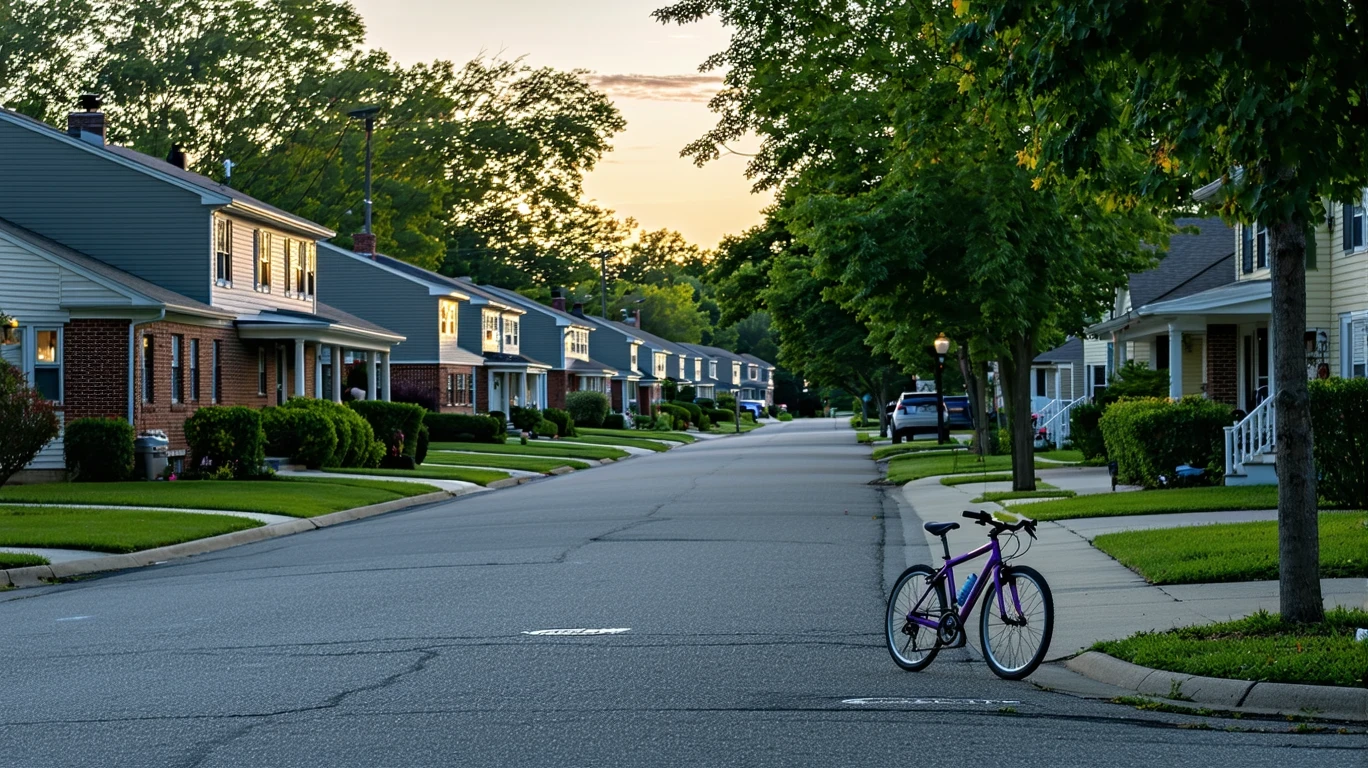
Both Mustang and Oklahoma City share the same regional price environment—their RPP index both sit at 91, meaning grocery staples, household goods, and everyday purchases cost roughly the same at checkout. But how households access those goods, how much time and fuel they spend acquiring them, and how convenience spending creeps into budgets differs substantially between the two cities. Mustang’s experiential signals show sparse food and grocery establishment density, meaning fewer options within short distances and more reliance on planned trips to larger stores. Oklahoma City’s broader commercial infrastructure offers more neighborhood access points, which reduces trip consolidation pressure but can increase impulse spending and convenience purchases.
For families managing larger grocery volumes, Mustang’s car-oriented errands pattern favors bulk shopping at big-box stores, which can lower per-unit costs if households plan well and avoid frequent top-up trips. The trade-off is time: fewer nearby options mean longer drives and less flexibility for last-minute needs. Oklahoma City households benefit from more scattered grocery options, including smaller format stores, ethnic markets, and neighborhood chains that allow for more frequent, smaller trips. That flexibility reduces the need for large pantry stock and minimizes food waste, but it also creates more opportunities for unplanned spending—grabbing takeout on the way home, stopping for coffee, picking up prepared foods instead of cooking from scratch.
Singles and couples without kids often find Oklahoma City’s grocery accessibility more aligned with their routines. Smaller households don’t benefit as much from bulk purchasing, and the ability to walk or make quick stops after work reduces the friction of meal planning. Families with children, especially those managing school schedules and activities, may find Mustang’s structure easier to navigate once routines are established, even if it requires more upfront planning. The cost difference isn’t in the price of milk or chicken; it’s in how much time, fuel, and mental energy households spend managing daily errands, and how often convenience spending fills gaps created by access friction.
Grocery takeaway: Price levels for staples remain similar across both cities, but access structure shapes spending behavior. Mustang households face sparser grocery density, which rewards planning and bulk shopping but increases time and fuel costs for daily errands. Oklahoma City offers more scattered access points that reduce trip friction but create more opportunities for convenience spending. Families benefit from Mustang’s structure if they can absorb planning overhead; singles and couples often find Oklahoma City’s flexibility better aligned with less predictable schedules.
Taxes and Fees
Property taxes, sales taxes, and recurring local fees don’t vary dramatically between Mustang and Oklahoma City—they’re governed by overlapping county and state structures—but how those costs interact with housing values and household routines creates different exposure levels. Mustang’s higher median home value means homeowners pay more in annual property taxes for comparable square footage, even if the millage rate stays similar. For a household comparing a $212,200 home in Mustang to a $196,700 home in Oklahoma City, the property tax difference compounds over time, especially for long-term residents who stay through multiple assessment cycles.
Sales taxes apply uniformly across both cities for most purchases, but spending patterns shape total exposure. Households in Mustang who consolidate errands and rely on fewer trips may spend less on taxable goods overall, simply because they make fewer impulse purchases. Oklahoma City households with more frequent access to retail corridors and dining options face more taxable transactions, even if each individual purchase is small. The difference isn’t in the rate; it’s in how often households engage with the taxable economy. Fees for utilities, trash collection, water, and sewer services vary by provider and housing type, but both cities rely on similar municipal structures. Homeowners in newer Mustang developments may encounter HOA fees that bundle services like landscaping or shared amenities, which can increase predictability but also raise baseline monthly obligations.
Renters face fewer direct tax and fee burdens, but landlords pass through property taxes and service fees in rent pricing. Oklahoma City’s lower home values mean landlords face lower property tax bills, which can translate to more stable rent pricing over time. Mustang landlords absorbing higher property taxes may adjust rents more aggressively during lease renewals, especially in tight rental markets. For households planning to stay several years, understanding how property taxes feed into rent trajectories matters as much as the initial lease rate.
Taxes and fees takeaway: Property taxes hit Mustang homeowners harder due to higher home values, even if rates stay similar. Sales tax exposure depends more on spending frequency than rates, with Oklahoma City’s denser retail access creating more taxable transactions. Renters feel these costs indirectly through rent pricing, where Oklahoma City’s lower property tax base may offer more rent stability over time. Homeowners planning long-term stays in Mustang face higher cumulative tax exposure; renters and short-term residents experience less difference between the two cities.
Transportation & Commute Reality
Transportation costs in Mustang and Oklahoma City differ less in fuel prices—though Oklahoma City’s $2.25 per gallon beats Mustang’s $2.96 per gallon—and more in how daily movement patterns shape time, convenience, and household logistics. Oklahoma City provides commute data showing an average of 22 minutes, with 25.3% of workers facing long commutes and only 3.1% working from home. Mustang lacks comparable commute metrics in the data, but its experiential signals reveal a mixed mobility texture with moderate pedestrian infrastructure and low cycling presence, alongside sparse daily errands accessibility. That combination points to a car-dependent environment where most trips require driving, but distances within the suburb itself stay manageable.
For households commuting into Oklahoma City’s employment centers, living in Mustang adds miles and time compared to central Oklahoma City neighborhoods, even if Mustang’s residential streets feel less congested. The fuel price difference works in Oklahoma City’s favor for daily commuting, but Mustang households may offset some of that through fewer total trips due to consolidated errands and less frequent dining or entertainment outings. Oklahoma City’s broader mix of neighborhoods means some residents enjoy short commutes while others face the metro’s longer average, depending on where they live relative to where they work. The 25.3% long-commute figure suggests meaningful variability within Oklahoma City itself.
Car dependence defines both cities, but the friction shows up differently. Mustang households plan around driving for nearly everything—groceries, errands, school drop-offs, recreation—which makes vehicle reliability and fuel efficiency more critical. Oklahoma City households also rely heavily on cars, but denser commercial corridors and more scattered services mean shorter individual trips, even if total trip frequency runs higher. For families managing multiple vehicles, insurance, maintenance, and registration costs, the difference lies in how much wear and tear daily routines impose. Longer commutes and highway driving in Mustang may accelerate maintenance cycles; more frequent stop-and-go trips in Oklahoma City can increase fuel consumption and brake wear.
Transportation takeaway: Oklahoma City offers lower gas prices and documented commute patterns that show moderate average times but significant variability. Mustang’s car-dependent structure and sparser errands accessibility mean households drive for nearly everything, though suburban distances stay shorter than metro-wide commutes. Households prioritizing shorter commutes to Oklahoma City employment centers benefit from living closer to the urban core; those willing to trade commute time for residential predictability and lower utility costs may find Mustang’s trade-offs worthwhile, especially if work-from-home flexibility reduces daily driving needs.
Cost Structure Comparison
Housing pressure dominates the cost experience in Mustang, where higher home values and rents create a steeper entry barrier but deliver newer construction, better energy efficiency, and more predictable ongoing costs. Oklahoma City distributes cost pressure differently: lower housing entry points make renting and buying more accessible, but higher utility rates—especially for natural gas—introduce seasonal volatility that affects every household with gas heat or appliances. For renters, the $135 monthly rent difference between Mustang and Oklahoma City compounds over a year, but Mustang renters often occupy newer units with lower utility exposure, which narrows the gap in total monthly obligations during heating and cooling seasons.
Utilities introduce the sharpest structural difference. Mustang’s combination of lower electricity rates and dramatically lower natural gas costs creates a more stable cost environment year-round, while Oklahoma City households face unpredictable winter heating bills and higher summer cooling costs. Families in single-family homes feel this most acutely, as larger square footage amplifies rate differences. Apartment dwellers experience it as seasonal budget strain, where winter months require setting aside significantly more for utilities than fall or spring. For households on fixed incomes or tight budgets, Mustang’s utility predictability reduces financial stress even if rent or mortgage payments run higher.
Transportation and daily errands shape cost structure in less visible but equally important ways. Mustang’s sparse grocery and food establishment density means households spend more time and fuel consolidating trips, but that structure can reduce impulse spending and convenience purchases. Oklahoma City’s denser commercial access lowers trip friction but creates more opportunities for unplanned spending—grabbing takeout, stopping for coffee, picking up small items instead of planning larger shopping trips. The fuel price advantage in Oklahoma City helps offset some of that, but the real difference lies in how much mental energy and time households spend managing logistics. Families with predictable routines may find Mustang’s structure easier to navigate; singles and couples with variable schedules often prefer Oklahoma City’s flexibility.
The decision between Mustang and Oklahoma City isn’t about which city costs less—it’s about which cost pressures align with your household’s income stability, tolerance for variability, and daily routines. Households sensitive to utility volatility and seasonal budget swings benefit significantly from Mustang’s lower energy costs, even if housing entry requires higher income. Households prioritizing immediate affordability, rental flexibility, or shorter commutes to central employment hubs find Oklahoma City’s lower entry barrier and broader housing options more aligned with their needs, even if ongoing utility exposure runs higher. For families planning to stay several years, Mustang’s front-loaded housing cost delivers long-term predictability; for renters and first-time buyers stretching to enter the market, Oklahoma City’s accessible pricing reduces near-term financial strain.
How the Same Income Feels in Mustang vs Oklahoma City
Single Adult
Housing becomes the first non-negotiable cost, and Oklahoma City’s lower rent creates more breathing room for a single income. Flexibility exists in dining out, entertainment, and convenience spending, but Mustang’s sparser errands accessibility means fewer temptations and more planned grocery trips. Oklahoma City’s denser retail and dining corridors make it easier to fill time without a car-dependent routine, though that convenience can quietly erode savings. Utility predictability in Mustang matters less for a single adult in a small apartment, but the rent gap still favors Oklahoma City for someone prioritizing immediate cash flow over long-term stability.
Dual-Income Couple
Housing costs in Mustang feel more manageable with two incomes, and the utility savings start to matter more as square footage increases. Flexibility disappears faster in Oklahoma City if both partners commute, as higher utility bills and more frequent errands spending compress discretionary income. Mustang’s structure rewards couples who can absorb upfront housing costs and prefer predictable monthly obligations, while Oklahoma City fits better for couples prioritizing walkable access to dining and entertainment or those with one partner working from home. The commute friction becomes a time cost in Mustang, but the lower ongoing energy exposure offsets some of that for households planning to stay beyond a single lease cycle.
Family with Kids
Housing space becomes non-negotiable, and Mustang’s higher home values reflect newer construction that reduces maintenance surprises and utility volatility. Flexibility vanishes quickly in Oklahoma City as heating and cooling costs spike seasonally, especially in older single-family homes with less efficient systems. Mustang’s sparse errands accessibility means more driving for groceries and activities, but families with established routines often find that structure easier to manage than Oklahoma City’s scattered retail access, which creates more opportunities for unplanned spending. The role of car dependence intensifies in both cities, but Mustang’s suburban distances stay shorter while Oklahoma City’s variability in commute times adds unpredictability to daily schedules.
Decision Matrix: Which City Fits Which Household?
| Decision Factor | If You’re Sensitive to This… | Mustang Tends to Fit When… | Oklahoma City Tends to Fit When… |
|---|---|---|---|
| Housing entry + space needs | You need to minimize upfront costs or maximize rental flexibility | You can absorb higher rent or mortgage for newer construction and long-term predictability | You prioritize immediate affordability and access to diverse housing types |
| Transportation dependence + commute friction | You need to minimize daily driving time or maximize fuel cost savings | You work from home or commute infrequently and value residential quiet over metro proximity | You commute daily to central employment hubs and benefit from shorter average distances |
| Utility variability + home size exposure | You need stable monthly bills and low seasonal volatility | You occupy a single-family home and want to avoid sharp winter heating cost spikes | You live in a small apartment where total utility exposure stays low regardless of rates |
| Grocery strategy + convenience spending creep | You want to minimize impulse purchases and control discretionary spending | You can plan bulk shopping trips and prefer fewer retail temptations nearby | You value frequent access to diverse grocery and dining options without long drives |
| Fees + friction costs (HOA, services, upkeep) | You need to minimize property taxes and avoid bundled service fees | You accept higher property taxes in exchange for newer infrastructure and lower maintenance risk | You prioritize lower baseline property taxes and fewer HOA obligations |
| Time budget (schedule flexibility, errands, logistics) | You need to minimize time spent on household logistics and errands | You have predictable routines and can consolidate trips without daily flexibility needs | You have variable schedules and benefit from scattered retail access for last-minute needs |
Lifestyle Fit
Mustang functions as a suburban community where residential quiet and newer housing stock define daily life, while Oklahoma City offers more neighborhood variety, denser commercial corridors, and greater access to metro-wide amenities. Mustang’s experiential signals show mixed mobility texture with moderate pedestrian infrastructure, but sparse daily errands accessibility and limited family infrastructure density. That translates to a car-dependent lifestyle where most activities require driving, but distances stay manageable and traffic congestion remains lighter than in central Oklahoma City. Families prioritizing space, newer homes, and predictable routines often find Mustang’s structure easier to navigate, even if it requires more planning for groceries, dining, and entertainment.
Oklahoma City provides more walkable pockets in certain neighborhoods, broader access to parks and recreation, and a wider range of dining and entertainment options within shorter distances. The city’s average commute time of 22 minutes reflects variability depending on where residents live relative to employment centers, but the denser infrastructure means more services and amenities exist within a 10-minute drive. For singles and couples who value spontaneity, dining variety, and less rigid routines, Oklahoma City’s scattered retail and entertainment access reduces the friction of daily life. Families with children may find Oklahoma City’s older housing stock and higher utility volatility harder to manage, but the city’s broader mix of neighborhoods offers more options for finding the right fit between affordability and access.
Both cities share Oklahoma’s climate—hot summers that demand reliable air conditioning and mild winters with occasional cold snaps that drive heating costs. Mustang’s newer housing stock and lower natural gas rates make seasonal weather less financially punishing, while Oklahoma City households in older homes face sharper utility swings. Recreation and outdoor access exist in both cities, with Mustang offering moderate park density and Oklahoma City providing more scattered green space options. For households prioritizing lower ongoing costs and residential predictability, Mustang’s lifestyle trade-offs—more driving, fewer nearby dining options, sparser errands access—feel manageable. For those prioritizing immediate affordability, neighborhood variety, and denser commercial access, Oklahoma City’s trade-offs—higher utility volatility, older housing stock, more variable commute times—create less friction in daily routines.
Mustang median household income: $84,162 per year, reflecting a higher-income suburban demographic. Oklahoma City unemployment rate: 3.2%, slightly higher than Mustang’s 2.8%, indicating tighter labor market conditions in the suburb.
Frequently Asked Questions
Is Mustang or Oklahoma City cheaper for renters in 2026?
Oklahoma City offers lower median rent at $1,012 per month compared to Mustang’s $1,147 per month, which creates more accessible entry points for renters. However, Mustang’s rental stock skews toward newer construction with better energy efficiency, which reduces utility costs during heating and cooling seasons. Renters prioritizing immediate affordability benefit from Oklahoma City’s lower baseline rent, while those planning to stay long-term may find Mustang’s combination of newer units and lower utility rates narrows the total monthly cost gap.
How do utility costs differ between Mustang and Oklahoma City in 2026?
Mustang’s electricity rate sits at 12.25¢ per kWh and natural gas costs $11.08 per MCF, while Oklahoma City’s electricity rate reaches 14.42¢ per kWh and natural gas climbs to $36.97 per MCF. The natural gas difference creates the sharpest cost pressure, especially for households with gas heat during winter months. Mustang households experience more predictable utility bills year-round, while Oklahoma City households face higher seasonal volatility that affects budgeting and cash flow.
Which city is better for families comparing Mustang and Oklahoma City?
Families prioritizing newer housing stock, lower utility volatility, and residential quiet tend to find Mustang better aligned with their needs, even if housing costs run higher. Oklahoma City offers more accessible entry points for first-time buyers and renters, but older housing stock and higher utility exposure create more ongoing cost unpredictability. Families with stable income and long-term plans benefit from Mustang’s front-loaded housing cost and lower energy exposure; families stretching to enter the market or needing rental flexibility experience less financial strain in Oklahoma City.
Does living in Mustang or Oklahoma City save more on transportation costs in 2026?
Oklahoma City’s gas price of $2.25 per gallon runs lower than Mustang’s $2.96 per gallon, which benefits daily commuters. However, Mustang’s sparser errands accessibility and suburban structure mean households may drive fewer total miles despite car dependence, while Oklahoma City’s denser commercial corridors create more frequent shorter trips. The transportation cost difference depends less on fuel prices and more on commute distance, work-from-home flexibility, and how often households consolidate errands versus making multiple smaller trips.
How does the cost structure in Mustang compare to Oklahoma City for single adults in 2026?
Single adults benefit most from Oklahoma City’s lower rent and greater rental flexibility, as housing costs dominate a single income. Mustang’s higher rent and sparser errands accessibility create more friction for singles who don’t need extra space and prefer walkable access to dining and entertainment. Utility savings in Mustang matter less for a single adult in a small apartment, where total energy exposure stays low regardless of rates. Oklahoma City’s denser retail and dining corridors also reduce car dependence for daily activities, which lowers transportation costs for singles without long commutes.
Conclusion
Mustang and Oklahoma City offer different cost structures that serve different household priorities, and neither city delivers a universal advantage. Mustang imposes higher housing entry costs but rewards long-term residents with lower utility exposure, more predictable monthly obligations, and newer construction that reduces maintenance surprises. Oklahoma City provides more accessible rent and home prices, broader rental flexibility, and denser commercial access, but introduces sharper utility volatility and more variable commute patterns that affect daily routines and cash flow. The decision depends on which cost pressures your household can absorb and which trade-offs align with your income stability, family structure, and tolerance for variability.
Families with stable income, long-term plans, and sensitivity to utility volatility benefit significantly from Mustang’s structure, even if housing costs require higher upfront income. Singles, couples, and first-time buyers prioritizing immediate affordability, rental flexibility, or shorter commutes to central employment hubs find Oklahoma City’s lower entry barrier and broader housing options better aligned with their needs. Both cities demand car dependence, but Mustang’s suburban distances and sparser errands accessibility reward planning and routine, while Oklahoma City’s denser infrastructure reduces trip friction at the cost of more frequent spending opportunities. Understanding where cost pressure shows up—housing entry, ongoing utilities, transportation time, or daily errands—clarifies which city fits your household’s financial reality and lifestyle preferences in 2026.
How this article was built: In addition to public economic data, this article incorporates location-based experi