
Is Knightdale the kind of place you grow roots—or just pass through? For many, this town east of Raleigh occupies an interesting middle ground: close enough to the capital’s job centers and energy, but far enough to offer breathing room, newer construction, and a noticeably lower cost of entry. The emotional experience of living here often hinges on what you’re leaving behind and what you’re willing to trade for space, affordability, and a quieter pace.
Knightdale tends to work well for people who want suburban predictability without the price tag of more established Wake County towns. It frustrates those who expect a fully formed sense of place, abundant walkable destinations, or deep civic infrastructure. The town is growing quickly, and that growth brings both opportunity and friction—newer neighborhoods with clean streets and planned amenities sit alongside older pockets that feel more like the small town Knightdale used to be. The result is a community still figuring out its identity, caught between being a bedroom suburb and becoming something more distinct.
What the Vibe Actually Feels Like
Knightdale’s overall tone is one of transition. It’s not sleepy, but it’s not bustling. It’s not isolated, but it doesn’t have the texture or spontaneity of a place with decades of layered development. People who move here often describe it as practical and family-friendly, a place where you can afford a yard, a driveway, and a mortgage that doesn’t consume your entire paycheck. But that practicality comes with tradeoffs: limited dining variety, car-dependent errands in most areas, and a sense that you’re always driving somewhere else for the “good stuff.”
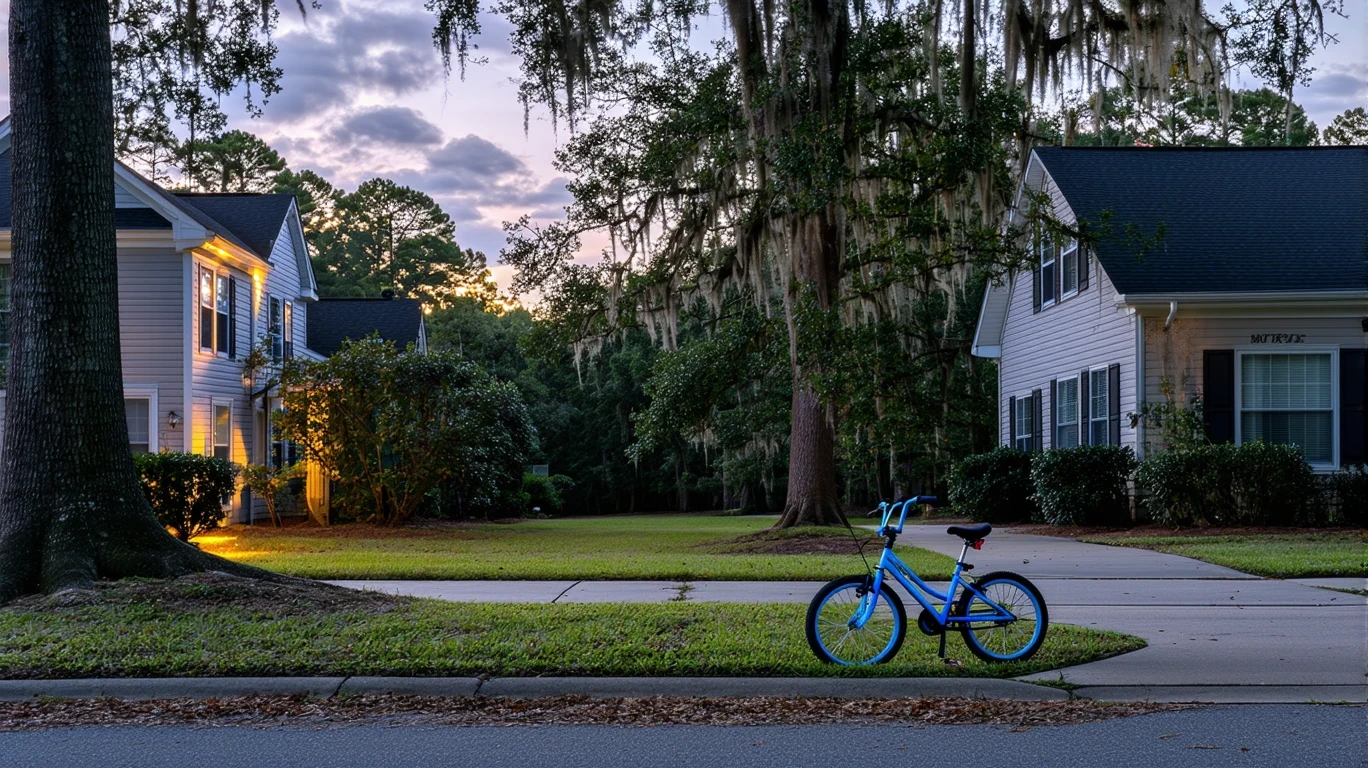
The town does have emerging walkable pockets—areas where sidewalks, bike lanes, and greenways make it easier to move around without a car. Parks are present, some with water features and open space that feel genuinely pleasant during golden-hour light. But these moments are localized, not universal. Much of daily life still revolves around driving to grocery stores, pharmacies, and schools, and the town’s healthcare access remains limited, with no hospital and few clinics within city limits.
For families, Knightdale offers affordability and space, but school density is lower than in neighboring towns, and parents often find themselves navigating longer drives or waiting for new schools to open. For young professionals and remote workers, the town provides quiet and cost savings, but nightlife, cultural venues, and spontaneous social options are sparse. Retirees and empty nesters sometimes appreciate the slower pace and lower housing costs, but miss the walkability and civic amenities they might have had elsewhere.
Social Media Buzz in Knightdale
Online discussions about Knightdale tend to circle around a few recurring themes: growth, commute convenience, and the tension between small-town charm and suburban sprawl. On local Facebook groups and regional subreddit threads, residents often express pride in the town’s affordability and location, but also voice frustration about traffic, limited dining options, and the feeling that infrastructure is playing catch-up.
“We moved here because we could actually afford a house with a yard. It’s quiet, the neighbors are friendly, and we’re fifteen minutes from Raleigh when we need to be. But sometimes it feels like we’re always driving somewhere else for anything interesting.”
“Knightdale is growing fast, and that’s both good and bad. New parks and greenways are great, but the roads weren’t built for this many people, and it shows during rush hour.”
“If you want walkable, urban energy, this isn’t it. But if you want space, newer homes, and a lower cost of living than Cary or Apex, it’s hard to beat.”
The tone is rarely hostile, but it’s also rarely enthusiastic in the way you might hear about more established or distinctive towns. People tend to describe Knightdale as a smart compromise, not a dream destination.
Local News Tone
Coverage of Knightdale tends to focus on growth, development approvals, and infrastructure expansion. The framing is often neutral to cautiously optimistic, reflecting a community in the middle of rapid change. Headlines and story themes tend to fall into predictable categories:
- “New Residential Development Brings Hundreds of Homes”
- “Town Debates How to Preserve Character Amid Growth”
- “Greenway Expansion Offers More Outdoor Access”
- “Residents Weigh Convenience vs Quiet as Retail Arrives”
- “Traffic Concerns Rise Along Major Corridors”
The tone rarely celebrates Knightdale as a destination in its own right. Instead, it tends to position the town as a place adapting to demand, managing growth, and trying to balance the preferences of long-time residents with the expectations of newcomers. There’s little coverage of cultural events, civic identity, or unique local character—because much of that is still being built.
Review-Based Public Perception
On platforms like Google Reviews, Yelp, and Nextdoor-style community boards, Knightdale earns praise for affordability, safety, and family-friendliness. People who wanted suburban space and lower housing costs tend to feel satisfied. Those who expected walkable neighborhoods, diverse dining, or immediate access to healthcare tend to feel disappointed.
Positive sentiment often centers on newer planned neighborhoods, which offer clean streets, HOA-maintained amenities, and a sense of order. Older pockets of town receive more mixed feedback—some appreciate the mature trees and established feel, while others note a lack of sidewalks and fewer nearby services.
Complaints tend to focus on:
- Limited restaurant variety and lack of local dining culture
- Car dependency for nearly all errands
- Traffic congestion during peak commute hours
- Perception that the town lacks a distinct identity or “downtown” feel
- Healthcare access requiring a drive to Raleigh or Wake Forest
Expectations matter here. People who moved from expensive urban areas tend to feel relieved by the space and cost savings. People who moved expecting a vibrant, walkable suburb with deep civic infrastructure tend to feel let down.
Comparison to Nearby Cities
| Dimension | Knightdale | Garner | Wake Forest |
|---|---|---|---|
| Overall Vibe | Practical, growing, car-dependent | Established, diverse, more urban texture | Historic downtown, family-oriented, higher cost |
| Walkability | Emerging pockets, mostly car-reliant | More sidewalks, mixed-use areas | Walkable downtown core, suburban edges |
| Dining & Retail | Limited, chain-heavy | More variety, local spots emerging | Historic downtown with local character |
| Housing Costs | Affordable, newer construction | Moderate, more variety in age and style | Higher, premium for downtown proximity |
| Community Identity | Still forming, growth-focused | Established, diverse, working-class roots | Strong historic identity, college-town feel |
Knightdale offers a lower barrier to entry than Wake Forest and a quieter, more suburban feel than Garner. If you prioritize affordability and newer homes, and you’re comfortable driving for most errands and amenities, Knightdale makes sense. If you want a more established sense of place, walkable neighborhoods, or immediate access to local dining and culture, Garner or Wake Forest might feel more rewarding. If you need a true downtown experience or deep civic infrastructure, you’ll likely find yourself spending more time in Raleigh than in Knightdale itself.
What Locals Are Saying
“We bought here because we were priced out of Cary. The house is great, the neighborhood is clean, and the commute is manageable. But we definitely miss having restaurants and coffee shops we could walk to.”
“Knightdale is fine if you have kids and want a yard. It’s safe, quiet, and the schools are decent. But it’s not exciting. If you’re looking for nightlife or culture, you’re driving to Raleigh.”
“I work remotely, and this place is perfect for me. Low cost, low stress, and I’m close enough to the city when I need it. I don’t need walkability—I just need space and quiet.”
“The growth is a double-edged sword. New parks and greenways are nice, but the traffic is getting worse, and it feels like the town is losing whatever small-town charm it had.”
“We moved from New York, and Knightdale feels like a breath of fresh air. Yes, we drive everywhere, but we have a driveway, a backyard, and a mortgage we can actually afford. For us, that’s worth it.”
“I wish there were more local businesses and less chain retail. It all feels a little generic, like it could be anywhere. I hope that changes as the town matures.”
“If you’re retired and want low-maintenance suburban living, Knightdale works. But if you’re used to walkable neighborhoods and easy access to healthcare, you’ll notice what’s missing pretty quickly.”
Does Knightdale Feel Like a Good Fit?
Knightdale doesn’t try to be everything. It’s a practical, affordable, car-dependent suburb in the middle of a growth phase. It works well for people who prioritize space, newer construction, and proximity to Raleigh without Raleigh prices. It frustrates people who expect walkability, deep civic infrastructure, or a strong sense of place right out of the gate.
The town’s emotional profile is one of compromise and patience. If you’re willing to drive for most errands, accept limited dining and cultural options, and wait for infrastructure to catch up with growth, Knightdale offers real value. If you need immediate access to healthcare, schools, and walkable neighborhoods, or if you’re looking for a town with a distinct identity and established character, you’ll likely feel the gaps.
For families seeking affordability and suburban comfort, Knightdale delivers. For young professionals and retirees who want texture, spontaneity, and walkable daily life, it may feel incomplete. The town is still becoming—and whether that feels exciting or frustrating depends entirely on what you’re hoping to find.
If you’re weighing whether Knightdale aligns with your financial and lifestyle needs, you might also explore what a budget has to handle in Knightdale, whether you can feel comfortable here on your income, or what drives housing costs in this growing town.
How this article was built: In addition to public economic data, this article incorporates location-based experiential signals derived from anonymized geographic patterns—such as access density, walkability, and land-use mix—to reflect how day-to-day living actually feels in Knightdale, NC.
The perspectives shown reflect commonly expressed local sentiment and recurring themes in public discussion, rather than individual accounts.