
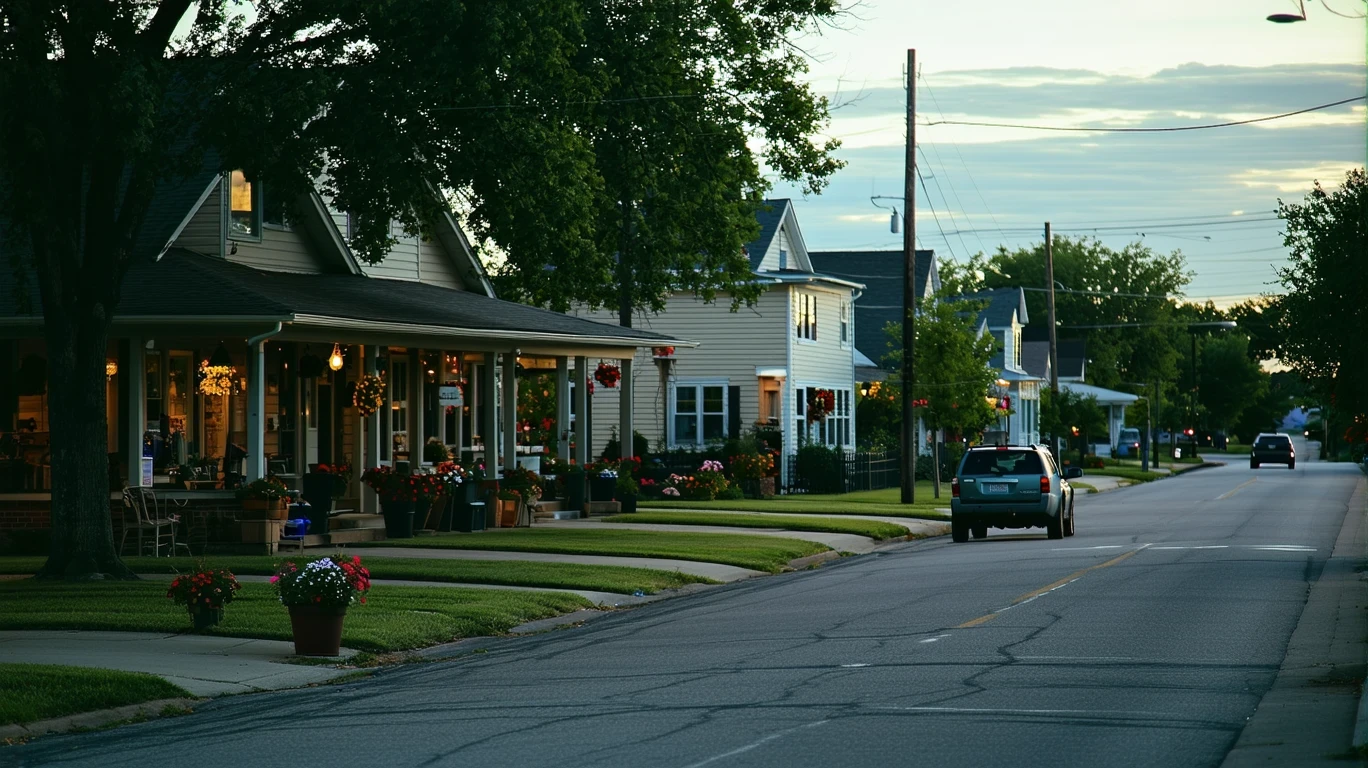
Yukon and Oklahoma City sit just 15 miles apart in the Oklahoma City metro, but the cost structures feel surprisingly different once you look past the headline numbers. Yukon offers a quieter, low-rise suburban layout with lower home prices and a tighter job market, while Oklahoma City brings rail transit, walkable pockets, and a more vertical urban form—but with higher housing entry costs and longer commutes for many. In 2026, the decision between these two cities isn’t about which is “cheaper overall.” It’s about which cost pressures your household can absorb more easily: lower upfront housing costs with higher ongoing car dependency and utility exposure in Yukon, or higher housing entry barriers with better transit infrastructure and errand accessibility in Oklahoma City.
Both cities share the same regional price environment and utility rates, so the differences come down to how housing stock, transportation infrastructure, and daily errands friction interact with your household’s income, schedule, and lifestyle. Families prioritizing space and lower mortgage payments may find Yukon’s housing market more accessible, while singles or couples who value walkability and want to reduce car dependency may find Oklahoma City’s infrastructure worth the higher rent or purchase price. The right choice depends on which costs dominate your household budget—and which types of friction you’re willing to manage.
This comparison explains where cost pressure concentrates in each city, how the same income feels different depending on housing type and commute patterns, and which households benefit most from each city’s structure. No totals, no savings claims—just the mechanisms that make one city fit better than the other for your situation.
Housing Costs
Yukon’s median home value sits at $173,200, while Oklahoma City’s median home value reaches $196,700—a meaningful difference in upfront entry costs for buyers. For renters, the gap narrows: Yukon’s median gross rent is $1,036 per month, compared to Oklahoma City’s $1,012 per month. That rent similarity reflects different housing stock: Yukon’s low-rise, predominantly single-family layout means renters often pay for detached homes or duplexes, while Oklahoma City’s more vertical urban form offers a broader mix of apartment buildings, townhomes, and single-family options. The structural difference matters more than the $24 monthly gap suggests.
For first-time buyers, Yukon’s lower home values reduce the down payment barrier and monthly mortgage obligation, making homeownership more accessible for households with moderate savings. But Yukon’s housing stock skews toward larger, detached single-family homes on bigger lots, which increases utility exposure (heating and cooling larger square footage) and ongoing maintenance costs. Oklahoma City’s higher median home value reflects a more competitive market with greater housing diversity—condos, townhomes, and apartments in mixed-use neighborhoods—which can reduce per-unit utility costs and offer more flexibility for households prioritizing location over space.
Renters face a tradeoff: Yukon’s rental market offers more single-family homes with yards and garages, appealing to families who need space and storage, but those homes come with higher utility bills and car dependency for every errand. Oklahoma City’s rental inventory includes more apartments in walkable corridors, where renters can reduce transportation costs by living closer to work, groceries, and transit—but availability in those neighborhoods may be tighter, and competition pushes rents higher in desirable pockets. The $1,012 median rent in Oklahoma City reflects a market where location and walkability command premiums, while Yukon’s $1,036 reflects space and privacy in a car-oriented layout.
| Housing Type | Yukon | Oklahoma City |
|---|---|---|
| Median Home Value | $173,200 | $196,700 |
| Median Gross Rent | $1,036/month | $1,012/month |
| Typical Housing Form | Low-rise, single-family dominant | Mixed: apartments, townhomes, single-family |
Housing Takeaway: Yukon fits households prioritizing lower entry costs and single-family space, especially those with stable incomes who can absorb higher ongoing utility and transportation costs. Oklahoma City fits households willing to pay more upfront for housing in exchange for walkable access, transit options, and lower car dependency—particularly singles, couples, and small families who value location flexibility over square footage. The difference isn’t about total cost; it’s about whether your household is more exposed to entry barriers or ongoing friction costs.
Utilities and Energy Costs
Both cities share identical electricity rates at 12.62¢/kWh, and natural gas prices differ only slightly—$10.78/MCF in Yukon versus $11.08/MCF in Oklahoma City. The rates are nearly identical, but utility cost exposure diverges sharply because of housing stock differences. Yukon’s low-rise, predominantly single-family layout means most households heat and cool larger square footage in detached homes, often with older insulation and less efficient HVAC systems. Oklahoma City’s more vertical urban form—apartments, townhomes, and newer mixed-use buildings—reduces per-unit energy exposure through shared walls, smaller footprints, and more modern construction standards in denser neighborhoods.
Oklahoma’s climate brings hot, humid summers and mild winters, so cooling dominates utility bills from May through September. In Yukon, single-family homes with larger floor plans and attic spaces face higher cooling loads, and many homes lack the efficiency upgrades common in newer apartment buildings. Families in Yukon managing 1,500–2,500 square feet can expect sustained air conditioning usage throughout the summer, with baseline electricity costs rising significantly during peak heat. In Oklahoma City, households in apartments or townhomes benefit from reduced cooling exposure—shared walls buffer temperature swings, and smaller units require less energy to maintain comfort. But older single-family homes in Oklahoma City face similar exposure to Yukon’s housing stock, so the advantage depends entirely on housing type.
Heating costs remain modest in both cities due to mild winters, but natural gas usage spikes during occasional cold snaps. Yukon’s larger homes face higher heating costs during those periods, while Oklahoma City’s apartment dwellers see minimal impact. Predictability also differs: Yukon households in single-family homes experience more volatile utility bills tied to weather extremes, while Oklahoma City renters in newer buildings often enjoy more stable monthly costs. Homeowners in both cities can reduce exposure through programmable thermostats, insulation upgrades, and HVAC maintenance, but Yukon’s housing stock requires more proactive management to avoid seasonal bill spikes.
Utility Takeaway: Yukon households—especially those in larger single-family homes—face higher utility volatility and baseline costs due to housing form and square footage. Oklahoma City households in apartments or townhomes experience more predictable, lower utility costs, but single-family homeowners face similar exposure to Yukon. The difference is driven more by housing type than location: families prioritizing space in Yukon should budget for higher cooling costs, while households in Oklahoma City’s denser neighborhoods gain efficiency advantages that reduce ongoing energy exposure.
Groceries and Daily Expenses
Grocery and daily spending pressure in Yukon and Oklahoma City reflects infrastructure differences more than price differences. Both cities share the same regional price environment, but Yukon’s sparse food and grocery establishment density—confirmed by below-threshold food density and medium-band grocery density—means most households drive to big-box stores or regional grocery chains for weekly shopping. Oklahoma City’s corridor-clustered food and grocery accessibility offers more options concentrated along commercial corridors, reducing trip length and increasing price competition. The difference isn’t about per-item costs; it’s about how much friction households face managing routine errands.
In Yukon, grocery shopping typically requires a car trip to a larger store, often combining multiple errands into a single outing to minimize driving. This setup works well for families who plan weekly shopping trips and have storage space for bulk purchases, but it increases reliance on a vehicle and reduces flexibility for quick top-up trips. Convenience spending—grabbing a gallon of milk, picking up a forgotten ingredient, or stopping for a quick meal—requires more planning and time. Oklahoma City’s higher food establishment density and corridor clustering mean households in certain neighborhoods can walk or make short drives to grocery stores, pharmacies, and restaurants, reducing the time cost of daily errands and offering more opportunities to comparison-shop.
Dining out and prepared food access also differ structurally. Yukon’s lower food establishment density means fewer casual dining and takeout options within a short drive, so households relying on convenience meals face longer trips or fewer choices. Oklahoma City’s corridor-clustered restaurant density offers more variety and competition, which can lower per-meal costs for households that eat out frequently. But that accessibility also increases the temptation for convenience spending—grabbing coffee, picking up takeout, or dining out on short notice—which can add up for households without strict budgeting discipline.
Groceries Takeaway: Yukon fits households who plan weekly grocery trips, have storage space for bulk purchases, and prefer fewer dining-out temptations. Oklahoma City fits households who value errand flexibility, want more dining variety, and benefit from shorter trips to groceries and services. The cost difference isn’t in prices—it’s in time, trip frequency, and how much friction your household tolerates managing daily needs. Families with rigid schedules may find Yukon’s structure simpler; singles and couples with variable routines may find Oklahoma City’s accessibility worth the trade.
Taxes and Fees
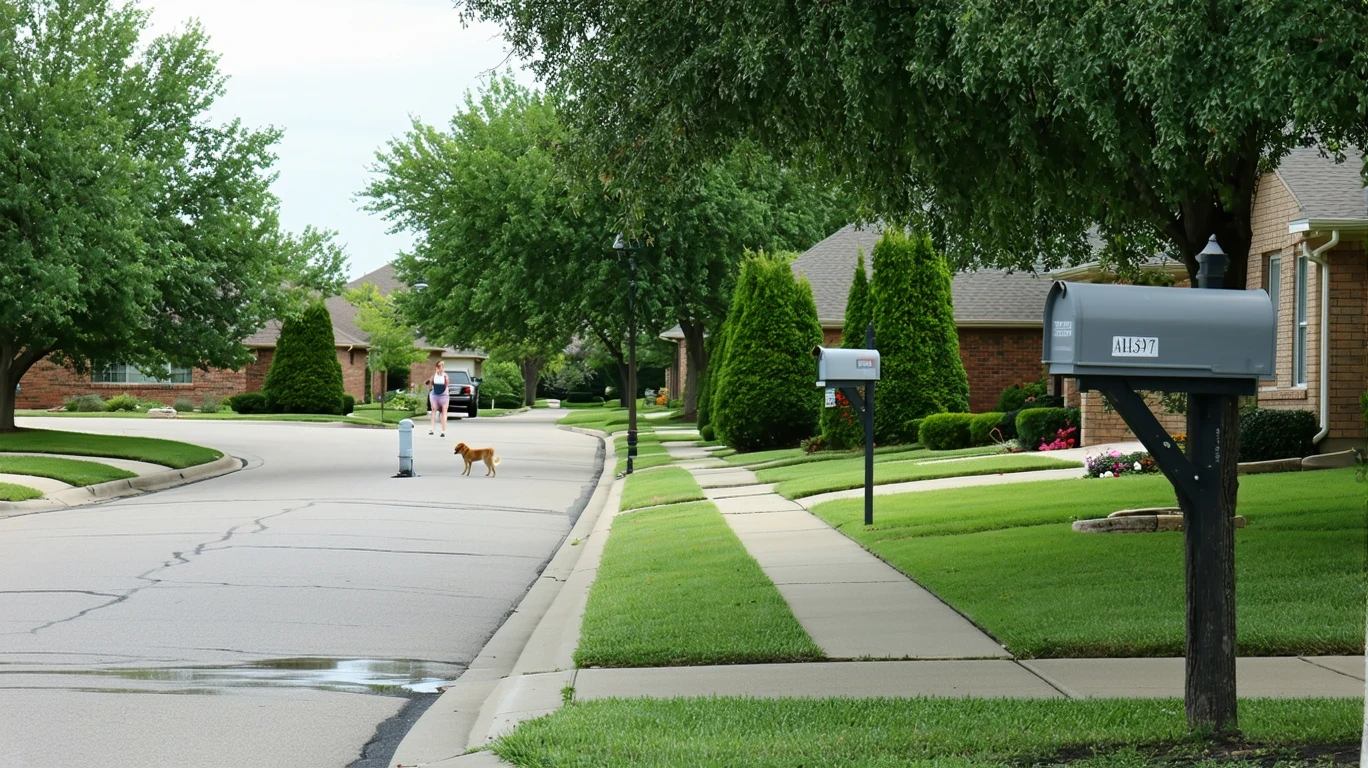
Oklahoma’s state and local tax structure applies uniformly across Yukon and Oklahoma City, so property taxes, sales taxes, and income taxes don’t differ meaningfully between the two cities. Both cities rely on property taxes to fund schools and municipal services, and homeowners in both locations face similar effective tax rates relative to home values. The structural difference comes from how housing values interact with tax obligations: Yukon’s lower median home value of $173,200 results in lower annual property tax bills compared to Oklahoma City’s $196,700 median, even at identical tax rates. For homeowners, that gap translates to lower ongoing tax exposure in Yukon—a meaningful advantage for households planning to stay long-term.
Sales taxes in both cities hover around the same rate, so everyday purchases—groceries, gas, household goods—carry the same tax burden. The difference shows up in how much households spend on taxable goods, which ties back to transportation and errands infrastructure. Yukon’s car dependency increases fuel purchases and vehicle-related spending, both subject to sales tax, while Oklahoma City’s transit and walkability options allow some households to reduce taxable transportation spending. Renters in both cities avoid property taxes directly but pay them indirectly through rent, so the tax structure affects affordability similarly across both markets.
Fees and recurring costs—trash collection, water, sewer, and stormwater—vary by neighborhood and housing type rather than city. Yukon’s single-family homes often require separate billing for utilities and services, while Oklahoma City’s apartment buildings may bundle some fees into rent. Homeowners associations (HOAs) appear in both cities, particularly in newer subdivisions, and fees range from minimal (covering common area maintenance) to substantial (including landscaping, pool access, and exterior upkeep). Yukon’s newer suburban developments often carry HOA fees, while Oklahoma City’s older urban neighborhoods typically lack them. The predictability difference matters: HOA fees are fixed and mandatory, while a la carte utility and service fees fluctuate with usage.
Taxes and Fees Takeaway: Yukon homeowners face lower property tax exposure due to lower home values, making long-term ownership more affordable for households sensitive to fixed annual costs. Oklahoma City homeowners pay higher property taxes but may offset some of that through reduced transportation and errand costs if they live in walkable neighborhoods. Renters in both cities face similar tax burdens indirectly, but fee structures vary more by housing type than location. The primary difference is predictability: Yukon’s single-family homeowners manage more separate bills, while Oklahoma City’s apartment renters often see bundled fees with less month-to-month volatility.
Transportation & Commute Reality
Transportation costs and commute patterns separate Yukon and Oklahoma City more sharply than any other category. Yukon shows moderate pedestrian infrastructure relative to its road network, but experiential signals confirm car dependency dominates daily life—sparse food and grocery accessibility, low bike infrastructure, and no transit service mean nearly every errand, commute, and outing requires a personal vehicle. Oklahoma City, by contrast, offers rail transit, substantial pedestrian infrastructure in walkable pockets, and notable cycling infrastructure throughout parts of the city. Gas prices differ slightly—$3.38/gallon in Yukon versus $3.26/gallon in Oklahoma City—but the structural differences in how households move around matter far more than the 12-cent gap.
Oklahoma City’s average commute time sits at 22 minutes, and 25.3% of workers face long commutes, while only 3.1% work from home. Those numbers reflect a large, spread-out metro where many residents live far from job centers, but they also reveal an important advantage: households who live near rail lines or in walkable corridors can avoid the worst commute friction by using transit or biking. Yukon lacks commute data in the feed, but its car-oriented infrastructure and position as a western suburb of Oklahoma City suggest most workers drive to jobs in Oklahoma City or other metro employment centers, likely facing similar or longer commute times without the option to use transit.
For households in Yukon, car ownership isn’t optional—it’s required for commuting, groceries, healthcare, and errands. That means budgeting for fuel, insurance, maintenance, and vehicle depreciation as non-negotiable fixed costs. Families with multiple drivers face compounded exposure, as each household member needs access to a vehicle for independent mobility. Oklahoma City households in walkable neighborhoods or near rail lines can reduce car dependency, potentially operating with one vehicle instead of two, or relying on transit for commuting while keeping a car for weekend trips. But that advantage applies only to households who live in the right neighborhoods—many Oklahoma City residents face the same car dependency as Yukon households, especially in outer suburbs.
Transportation Takeaway: Yukon requires universal car dependency, making transportation a fixed, high-exposure cost category for all households. Oklahoma City offers infrastructure that allows some households—particularly those in walkable pockets or near rail—to reduce car dependency and lower transportation costs, but many residents still face long commutes and car reliance. The decision depends on where in Oklahoma City you live and whether your household can access transit or walkable errands. Yukon fits households who already own vehicles and prioritize housing affordability over transportation flexibility; Oklahoma City fits households willing to pay more for housing in exchange for reduced car dependency and shorter errand trips.
Cost Structure Comparison
Housing pressure concentrates differently in Yukon and Oklahoma City, and that difference shapes how the same income feels in each city. Yukon’s lower median home value of $173,200 reduces the entry barrier for buyers, making homeownership more accessible for households with moderate savings and stable incomes. But Yukon’s low-rise, single-family housing stock increases ongoing costs—larger homes mean higher utility bills, car dependency drives up transportation spending, and sparse errands infrastructure adds time and fuel costs to routine tasks. Oklahoma City’s higher median home value of $196,700 creates a steeper entry barrier, but households who live in walkable pockets or near rail transit can reduce ongoing transportation and errand costs, and apartments or townhomes lower per-unit utility exposure. Renters feel this tradeoff acutely: Yukon offers more single-family rental homes with space and privacy, while Oklahoma City offers more apartments in mixed-use corridors where location reduces friction.
Utilities introduce more volatility in Yukon because of housing form. Single-family homes with larger square footage face higher cooling loads during Oklahoma’s hot summers, and older construction in many Yukon neighborhoods lacks the efficiency standards common in newer Oklahoma City apartment buildings. Oklahoma City households in apartments or townhomes benefit from shared walls and smaller footprints, which stabilize monthly utility costs and reduce seasonal spikes. But single-family homeowners in Oklahoma City face similar exposure to Yukon households, so the advantage depends entirely on housing type rather than city boundaries.
Transportation patterns matter more in Oklahoma City because infrastructure creates real optionality. Yukon households universally depend on cars for commuting, groceries, and errands, making transportation a fixed, high-exposure cost category. Oklahoma City households in walkable neighborhoods or near rail lines can reduce car dependency, potentially operating with one vehicle instead of two, or eliminating car ownership entirely for singles or couples with compatible work locations. But that advantage applies only to households who live in the right neighborhoods—many Oklahoma City residents face the same car dependency as Yukon households, especially in outer suburbs. The difference is access to choice: Oklahoma City offers infrastructure that allows some households to reduce transportation costs, while Yukon does not.
Daily living costs—groceries, dining, and errands—reflect infrastructure friction more than price differences. Yukon’s sparse food and grocery establishment density means most errands require a car trip, often combining multiple stops into a single outing to minimize driving. Oklahoma City’s corridor-clustered food and grocery accessibility reduces trip length and increases flexibility for quick errands, but it also increases temptation for convenience spending. Households sensitive to time costs may prefer Oklahoma City’s accessibility, while households who plan weekly shopping trips and avoid impulse spending may find Yukon’s structure simpler.
Decision Framing: The better choice depends on which costs dominate your household. Households sensitive to housing entry barriers and upfront costs may prefer Yukon’s lower home values and accessible homeownership, even if ongoing transportation and utility costs run higher. Households sensitive to ongoing friction—time spent commuting, driving to errands, and managing car dependency—may prefer Oklahoma City’s walkable pockets and transit infrastructure, even if housing entry costs more. For families prioritizing space and predictability, Yukon’s single-family housing stock and lower unemployment rate (2.8% versus 3.2%) offer stability. For singles and couples prioritizing location flexibility and reduced car dependency, Oklahoma City’s mixed-use neighborhoods and rail transit offer long-term cost control through lower transportation exposure.
How the Same Income Feels in Yukon vs Oklahoma City
Single Adult
In Yukon, housing costs stay manageable with median rent at just over one thousand per month, but car ownership becomes non-negotiable immediately—commuting, groceries, and errands all require a vehicle, and there’s no transit fallback. Flexibility disappears quickly because every outing demands planning around driving, parking, and fuel costs, and sparse food establishment density means convenience errands take longer. In Oklahoma City, rent runs similarly but location determines everything: living near rail or in a walkable corridor allows a single adult to reduce or eliminate car dependency, freeing up income for housing in exchange for shorter commute times and walkable errands. The tradeoff is predictability versus optionality—Yukon locks in car costs but offers lower housing entry, while Oklahoma City offers infrastructure that reduces transportation exposure if you live in the right neighborhood.
Dual-Income Couple
In Yukon, a dual-income couple gains access to single-family homeownership more easily due to lower median home values, and the low-rise housing stock offers space and privacy that appeals to couples planning for future family growth. But both partners likely need cars for independent commuting and errands, doubling transportation exposure and eliminating the flexibility to reduce vehicle costs. In Oklahoma City, higher home values create a steeper entry barrier, but couples who prioritize location over space can live in walkable neighborhoods or near rail, potentially operating with one vehicle and reducing ongoing transportation costs. Flexibility exists in Oklahoma City for couples with compatible work locations or schedules, while Yukon front-loads affordability into housing but locks in higher ongoing transportation and utility costs.
Family with Kids
In Yukon, families gain access to larger single-family homes with yards at lower purchase prices, and the low-rise, suburban layout offers space for children, storage, and outdoor play. But car dependency becomes universal—school drop-offs, extracurriculars, grocery trips, and healthcare all require driving, and sparse errands infrastructure means managing a family schedule involves constant vehicle coordination. Utility costs rise with larger square footage, and limited healthcare access (no hospital or clinics detected) means families travel to Oklahoma City for medical needs. In Oklahoma City, families face higher housing entry costs, but walkable pockets and rail transit reduce the friction of managing multiple schedules, and higher food and grocery establishment density shortens errand trips. Families in Oklahoma City trade higher upfront housing costs for lower ongoing transportation exposure and better access to services, while families in Yukon trade higher ongoing friction costs for lower entry barriers and more space.
Decision Matrix: Which City Fits Which Household?
| Decision Factor | If You’re Sensitive to This… | Yukon Tends to Fit When… | Oklahoma City Tends to Fit When… |
|---|---|---|---|
| Housing entry + space needs | Down payment size, mortgage approval, square footage per dollar | You prioritize lower purchase prices and single-family space over location flexibility | You prioritize walkable location and housing diversity over upfront affordability and square footage |
| Transportation dependence + commute friction | Car ownership costs, commute time, transit access, trip frequency | You already own vehicles and accept car dependency as fixed for all household members | You can live near rail or walkable corridors and reduce car dependency to lower ongoing transportation exposure |
| Utility variability + home size exposure | Seasonal bill spikes, cooling costs, square footage efficiency | You prefer larger single-family homes and can absorb higher utility volatility during summer cooling season | You prefer apartments or townhomes with shared walls and smaller footprints that stabilize utility costs year-round |
| Grocery strategy + convenience spending creep | Errand trip length, dining temptation, bulk shopping vs top-up flexibility | You plan weekly grocery trips and avoid impulse dining or convenience purchases | You value short errand trips and dining variety even if accessibility increases convenience spending temptation |
| Fees + friction costs (HOA, services, upkeep) | Predictability of recurring bills, bundled vs a la carte services | You manage separate utility and service bills and prefer lower property tax exposure from lower home values | You prefer bundled fees in apartments or accept higher property taxes in exchange for walkable access and services |
| Time budget (schedule flexibility, errands, logistics) | Coordination of multiple schedules, errand efficiency, commute predictability | You have flexible schedules and can batch errands into planned trips without friction | You need errand flexibility and shorter trips to manage variable schedules or multiple household members |
Lifestyle Fit
Yukon offers a quieter, low-rise suburban environment with predominantly single-family neighborhoods, parks in moderate density, and a strong job market reflected in its 2.8% unemployment rate. Families prioritizing space, privacy, and a predictable residential layout find Yukon’s structure appealing, especially those who value lower housing entry costs and don’t mind universal car dependency. The city’s moderate pedestrian infrastructure supports neighborhood walks, but daily errands, commuting, and most activities require a vehicle. Water features add to outdoor appeal, and school density in the medium band supports family infrastructure, though healthcare access remains limited—pharmacies are present, but no hospital or clinics were detected, meaning families travel to Oklahoma City for medical needs.
Oklahoma City offers a more diverse urban experience with walkable pockets, rail transit, and notable cycling infrastructure that allows households in certain neighborhoods to reduce car dependency. The city’s more vertical building profile and mixed land use create denser corridors with restaurants, shops, and services within walking or biking distance for residents who live in those areas. Park density exceeds high thresholds, and water features are present, offering strong outdoor access for recreation. Families benefit from both schools and playgrounds meeting density thresholds, and clinics provide routine healthcare locally, though no hospital is present within the city limits. Oklahoma City’s 22-minute average commute and 25.3% long commute rate reflect a spread-out metro, but households near rail lines or in walkable corridors avoid the worst commute friction.
The lifestyle tradeoff comes down to infrastructure and optionality. Yukon’s car-oriented layout simplifies decision-making—every household needs vehicles, and housing stock skews toward single-family homes with yards. Oklahoma City’s infrastructure creates more complexity but also more choice: households can trade higher housing costs for walkable access and transit, or live in outer neighborhoods with similar car dependency to Yukon. Cultural and recreational differences are modest—both cities share the same metro amenities, weather patterns (currently 66°F in Yukon, 76°F in Oklahoma City), and regional character. The meaningful lifestyle difference is how much friction your household tolerates managing daily logistics and whether you value infrastructure optionality over housing affordability.
Quick Facts: Yukon’s unemployment rate of 2.8% signals a tighter job market compared to Oklahoma City’s 3.2%, offering stronger employment stability for residents. Oklahoma City’s rail transit and walkable pockets allow some households to operate car-free or with one vehicle, while Yukon requires universal car ownership for all household members.
Frequently Asked Questions
Is Yukon or Oklahoma City cheaper for renters in 2026?
Median rent is nearly identical—$1,036/month in Yukon versus $1,012/month in Oklahoma City—but the housing stock differs sharply. Yukon’s rental market offers more single-family homes with yards and garages, appealing to families who need space but requiring higher utility costs and universal car dependency. Oklahoma City’s rental inventory includes more apartments in walkable corridors, where renters can reduce transportation costs by living near transit and errands. The “cheaper” option depends on whether your household prioritizes space or location—Yukon offers more square footage per dollar, while Oklahoma City offers infrastructure that lowers ongoing transportation and errand friction.
Which city has lower transportation costs, Yukon or Oklahoma City?
Yukon requires universal car dependency—no transit service, sparse errands infrastructure, and low bike presence mean every household needs at least one vehicle, and families with multiple drivers face compounded exposure. Oklahoma City offers rail transit, walkable pockets, and notable cycling infrastructure, allowing some households to reduce or eliminate car ownership if they live near transit or in mixed