
Utility costs in Summerlin South can spike sharply during peak summer months, with some households seeing electric bills climb well above $200 as air conditioning runs nearly nonstop through triple-digit heat. Understanding how electricity, water, natural gas, and trash services are structured—and what drives seasonal swings—helps residents plan for variability and avoid budget surprises throughout the year.
Understanding Utilities in Summerlin South
For most households in Summerlin South, utilities represent the second-largest monthly expense after housing. Electricity, water, natural gas, trash, and recycling are the core services that keep homes functional, but their costs behave differently depending on season, household size, and home type. Unlike rent or a mortgage, which remain fixed, utility bills fluctuate based on usage, weather, and billing structure—making them harder to predict but easier to control once you understand the levers.
In Summerlin South, the desert climate plays an outsized role in shaping utility exposure. Extended cooling seasons mean air conditioning dominates electricity usage from late spring through early fall, while rare freezing nights keep winter heating costs relatively modest. Water costs also carry regional weight: tiered pricing is common in arid areas, and outdoor irrigation can push bills higher during dry months. For new movers, it’s important to recognize that utility costs in a single-family home with a yard will look very different from those in an apartment with shared walls and no landscape responsibility.
Trash and recycling services are often bundled with water bills or included in HOA fees, depending on the neighborhood. Natural gas, where available, is primarily used for heating and water heaters, with usage spiking modestly in winter. Together, these services form a variable cost layer that requires both planning and active management—especially during the hottest months of the year.
Utilities at a Glance in Summerlin South
The table below shows how core utility costs typically behave for a mid-size household in a single-family home in Summerlin South. Where city-level prices are available in the data feed, they are shown directly. When exact figures are not provided, categories are described qualitatively to reflect how costs are structured and what drives variability.
| Utility | Cost Structure |
|---|---|
| Electricity | 13.98¢/kWh; usage-sensitive and seasonal |
| Water | Tiered pricing; usage-dependent |
| Natural Gas | $9.29/MCF; winter-driven, heating-dependent |
| Trash & Recycling | Often bundled with water or HOA |
| Total | Seasonal variability driven by electricity and heating |
This table reflects utility cost structure for a mid-size household in a single-family home in Summerlin South during 2026. Where exact figures are not provided in the IndexYard data feed, categories are described directionally to reflect how costs behave rather than a receipt-accurate total.
Electricity is billed per kilowatt-hour at 13.98¢/kWh, meaning total costs rise and fall with usage. In Summerlin South, cooling dominates summer bills, and households running air conditioning continuously can see monthly charges climb significantly. For illustrative context, a mid-size household using 1,000 kWh in a peak summer month would face roughly $140 in electricity charges before fees or taxes. Actual usage varies widely based on home size, insulation quality, thermostat settings, and occupancy patterns.
Water is typically billed on a tiered structure, where rates increase as usage rises. In desert climates like Summerlin South, outdoor irrigation and pool maintenance can push households into higher tiers during warmer months. Even without a yard, water costs remain usage-sensitive, and conservation measures—shorter showers, efficient fixtures, drought-tolerant landscaping—can meaningfully reduce monthly bills.
Natural gas is priced at $9.29 per thousand cubic feet (MCF) and is used primarily for heating, water heaters, and some appliances. Winter months see the highest usage, though heating demand in Summerlin South is far less intense than in colder climates. Households without gas service rely entirely on electric heating, which shifts winter costs back to the electricity line.
Trash and recycling services are often bundled with water bills or covered by homeowners association fees, particularly in planned communities. Standalone billing is less common but does occur in some neighborhoods. Costs are generally stable month-to-month and are not usage-sensitive in the same way electricity or water are.
Electricity is typically the most exposure-sensitive utility in Summerlin South, driven more by climate and home efficiency than by base rates.
How Weather Impacts Utilities in Summerlin South
Summerlin South’s desert climate creates a pronounced seasonal pattern in utility costs, with summer heat driving the largest swings. Triple-digit temperatures are common from June through September, and air conditioning becomes a necessity rather than a convenience. Households that keep thermostats set to comfortable levels during peak heat can see electric bills double or triple compared to milder spring months. Older homes with less efficient HVAC systems or poor insulation face even steeper increases, as cooling systems work harder to maintain indoor temperatures.
Winter brings relief from cooling costs, but heating needs do emerge during rare cold snaps and overnight lows. Natural gas usage ticks up modestly for homes with gas furnaces or water heaters, though the heating season is short and far less intense than in northern or mountain climates. Electric heating, where present, adds to winter electricity bills but rarely approaches the scale of summer cooling costs. The result is a cost structure that peaks sharply in summer and moderates significantly the rest of the year.
Spring and fall represent the most predictable months for utility costs in Summerlin South. Mild temperatures reduce both heating and cooling demand, and many households experience noticeably lower electric bills during these shoulder seasons. Water usage may remain elevated if outdoor landscaping is maintained year-round, but the absence of extreme weather keeps overall utility costs more stable and easier to budget around.
How to Save on Utilities in Summerlin South
Reducing utility costs in Summerlin South starts with managing electricity exposure during the cooling season. Programmable or smart thermostats allow households to raise temperatures when no one is home and cool selectively during peak heat hours. Ceiling fans, blackout curtains, and strategic shading—through trees, awnings, or exterior screens—can reduce the burden on air conditioning systems without sacrificing comfort. Even small adjustments, like setting the thermostat a few degrees higher, can lower usage meaningfully over the course of a summer.
Water conservation is equally important in an arid climate. Drought-tolerant landscaping, drip irrigation systems, and low-flow fixtures reduce both usage and the likelihood of hitting higher pricing tiers. Many utility providers in the region offer rebates or incentives for water-efficient upgrades, and some neighborhoods have restrictions or guidelines around outdoor watering schedules. For households with pools, covering the water surface when not in use reduces evaporation and the need for frequent refilling.
- Enroll in off-peak or time-of-use billing programs if available, shifting high-energy tasks like laundry or dishwashing to lower-rate hours
- Explore solar panel incentives at the state or federal level, which can offset electricity costs over time
- Upgrade to energy-efficient appliances, particularly air conditioning units and water heaters, which are the largest drivers of utility usage
- Seal gaps around windows and doors to prevent cooled air from escaping during summer months
- Check for utility provider rebates on insulation upgrades, HVAC tune-ups, or smart thermostat installations
🏆 Tip: Check if your provider in Summerlin South offers rebates for energy-efficient AC units or heating systems—these upgrades reduce exposure to peak-season rate spikes and improve long-term cost predictability.
FAQs About Utility Costs in Summerlin South
Why are utility bills so high in Summerlin South during summer?
Summerlin South’s desert climate drives extended air conditioning usage from late spring through early fall, and cooling a home through triple-digit heat requires significant electricity. Older homes or those with less efficient HVAC systems face even steeper bills, as cooling equipment runs longer to maintain indoor temperatures.
Do HOAs in Summerlin South usually include trash or water in their fees?
Many planned communities in Summerlin South bundle trash and sometimes water services into HOA fees, but this varies by neighborhood. It’s important to confirm what’s covered before assuming utilities are included, as standalone billing is still common in some areas.
How does seasonal weather affect monthly utility bills in Summerlin South?
Summer heat creates the largest cost swings, with electricity bills often doubling or tripling compared to spring. Winter heating costs are modest due to mild temperatures, and shoulder seasons like fall and spring offer the most predictable and lowest utility expenses of the year.
Are utilities in Summerlin South generally cheaper or more expensive than the state average?
Summerlin South’s electricity rate of 13.98¢/kWh and natural gas price of $9.29/MCF reflect regional pricing, but total bills depend heavily on usage patterns. Cooling-driven electricity consumption during summer can push total costs above state averages, even when base rates are moderate.
What is the average winter heating cost in Summerlin South?
Winter heating costs in Summerlin South are relatively low compared to colder climates, as rare freezing nights and mild daytime temperatures keep natural gas or electric heating usage modest. Households with gas furnaces may see small upticks in winter bills, but the heating season is short and far less intense than summer cooling demands.
How Utilities Fit Into the Cost Structure in Summerlin South
Utilities in Summerlin South function as a seasonal cost driver, with electricity dominating summer exposure and water costs shaped by tiered pricing and outdoor usage. Unlike fixed expenses, utility bills respond directly to household behavior, climate conditions, and home efficiency—making them one of the few cost categories where active management can produce meaningful savings. Understanding which utilities carry the most weight, and when, allows households to plan for variability rather than react to it.
For a fuller picture of how utilities interact with housing, transportation, and other monthly expenses, see Your Monthly Budget in Summerlin South: Where It Breaks. That guide walks through how different cost categories combine to shape household financial pressure and where tradeoffs emerge. Utilities are one piece of a larger structure, and their seasonal swings can shift budget priorities depending on the time of year.
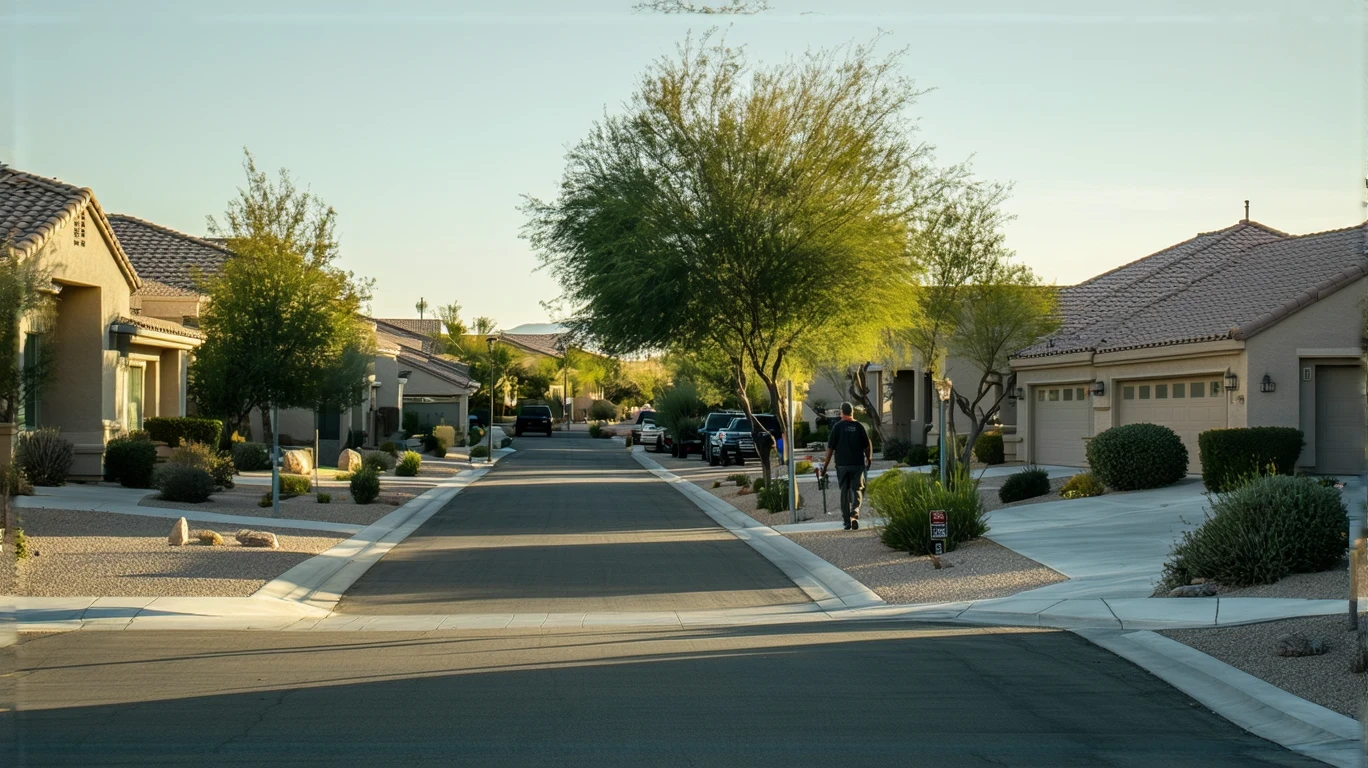
The built form of Summerlin South—low-rise, single-family homes spread across walkable pockets and integrated green space—means most households manage utility costs individually rather than sharing them across multi-family structures. This increases per-household exposure but also offers more control over usage and efficiency upgrades. Walkable neighborhoods and accessible parks provide opportunities to spend time outdoors during milder months, reducing reliance on indoor climate control and offering a natural buffer against utility volatility.
For residents planning a move or evaluating long-term affordability, utilities represent a variable cost layer that rewards preparation and efficiency. Explore more localized cost breakdowns and planning tools at What Shapes the Cost of Living in Summerlin South, where housing, transportation, and day-to-day expenses are examined in the context of Summerlin South’s regional cost structure and household income patterns.
How this article was built: In addition to public economic data, this article incorporates location-based experiential signals derived from anonymized geographic patterns—such as access density, walkability, and land-use mix—to reflect how day-to-day living actually feels in Summerlin South, NV.