
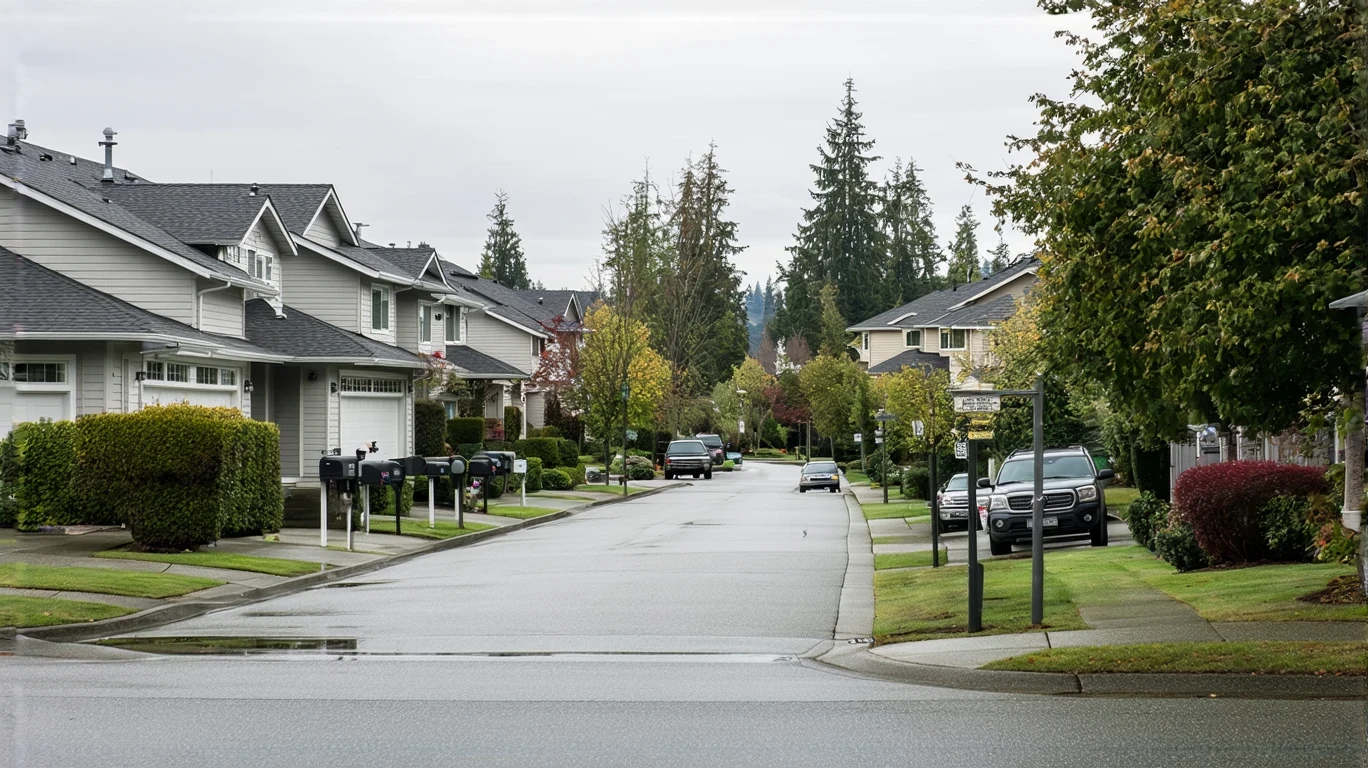
The Martinez family has been weighing a move within King County for months. They love Redmond’s walkable downtown and quick access to Eastside tech campuses, but they’re also drawn to Kent’s larger homes and the promise of more space for their two kids. Both cities sit within the Seattle metro, share the same Pacific Northwest climate, and offer access to similar regional amenities—yet the cost structure and day-to-day financial pressure feel remarkably different depending on which costs dominate your household.
In 2026, choosing between Redmond and Kent isn’t about finding the “cheaper” city—it’s about understanding where cost pressure concentrates and which tradeoffs align with your priorities. Redmond tends to front-load costs in housing, rewarding proximity to employment and transit with shorter commutes and walkable access. Kent spreads pressure differently: lower entry barriers for housing, but longer commutes, older housing stock with variable utility exposure, and a car-dependent layout that shifts time and transportation costs onto daily routines.
This guide explains how housing, utilities, transportation, groceries, taxes, and lifestyle factors create distinct financial experiences in each city—and which households feel those differences most acutely.
Housing Costs in Redmond vs Kent
Housing is the primary cost driver in both cities, but the nature of that pressure differs sharply. Redmond’s housing market reflects sustained demand from Eastside tech employment, with competition concentrated around newer apartment complexes, townhomes, and single-family neighborhoods within walking or biking distance of transit and commercial corridors. Entry barriers are higher, but the housing stock skews newer, with better insulation, modern HVAC systems, and lower maintenance volatility. Renters face tighter availability, especially for family-sized units, and homebuyers encounter bidding pressure in desirable school zones.
Kent’s housing market offers more entry flexibility, with a broader mix of older single-family homes, duplexes, and apartment complexes built in the 1970s through 1990s. Families seeking yard space, extra bedrooms, or detached garages often find better options here, but older construction introduces trade-offs: higher heating costs in winter, more frequent maintenance needs, and less predictable utility exposure. Renters benefit from wider availability and less competition, while buyers gain access to larger lots and more negotiating room.
For single adults and couples prioritizing walkability and commute efficiency, Redmond’s housing pressure is front-loaded but pays dividends in time savings and transit access. For families prioritizing space, storage, and room to grow, Kent’s lower entry costs and larger housing stock offer meaningful advantages—but those households must account for longer commutes, older home upkeep, and car dependency when evaluating the full picture.
Housing takeaway: Redmond concentrates pressure at the entry point, rewarding proximity and newer construction with predictability and convenience. Kent reduces entry barriers but shifts exposure toward maintenance, utilities, and transportation time. Households sensitive to commute friction and walkability may find Redmond’s structure more manageable; those prioritizing space and flexibility in housing type may prefer Kent’s broader options.
Utilities and Energy Costs
Utility exposure in both cities is shaped by Pacific Northwest climate patterns—mild, wet winters with occasional cold snaps, and dry summers with limited cooling demand—but housing stock age and type create meaningful differences in how predictable those costs feel. Redmond’s newer construction tends to feature better insulation, dual-pane windows, and efficient heating systems, which smooth out seasonal swings and reduce baseline usage. Apartments and townhomes benefit further from shared-wall efficiency, keeping heating costs lower even in older units.
Kent’s older single-family housing stock introduces more variability. Homes built in the 1970s and 1980s often lack modern weatherization, leading to higher heating exposure during extended cold periods and drafty conditions that drive up natural gas or electric heating usage. Larger homes with vaulted ceilings, older windows, and minimal insulation face the steepest seasonal swings. Renters in older apartment complexes may encounter unpredictable billing, especially if utilities aren’t individually metered or if the building lacks efficient heating infrastructure.
Household size amplifies these differences. Single adults and couples in Redmond’s newer apartments experience stable, low utility costs year-round, with minimal seasonal surprises. Families in Kent’s larger, older homes face higher baseline usage and greater exposure to heating costs during winter months, though summer cooling remains modest across both cities. Households planning to stay long-term in Kent may benefit from efficiency upgrades—weatherstripping, insulation improvements, or programmable thermostats—which help stabilize bills and reduce volatility over time.
Utility takeaway: Redmond’s newer housing stock delivers more predictable utility costs with lower seasonal volatility, especially for renters and smaller households. Kent’s older homes introduce higher heating exposure and maintenance-driven variability, which matters most for families in larger single-family homes. Households sensitive to budget predictability may find Redmond’s structure easier to manage; those willing to invest in efficiency improvements can reduce Kent’s volatility over time.
Groceries and Daily Expenses
Grocery and everyday spending pressure in Redmond and Kent reflects differences in retail density, store mix, and how car dependency shapes shopping habits. Redmond offers concentrated access to a mix of grocery options—regional chains, specialty stores, and neighborhood markets—within walkable or short-drive distances. This density encourages smaller, more frequent shopping trips and reduces the temptation to over-purchase or rely on convenience spending. Dining options cluster around downtown Redmond and commercial corridors, offering variety but also creating opportunities for spending creep if takeout and coffee runs become routine.
Kent’s retail landscape is more dispersed, with big-box stores, discount grocers, and warehouse clubs requiring intentional car trips. This layout rewards households that plan larger, less frequent shopping runs and take advantage of bulk pricing, but it also increases friction for quick errands or last-minute needs. Families managing larger grocery volumes may find Kent’s access to discount and warehouse options helpful, while single adults and couples may feel the time cost of driving to multiple locations for specific items.
Price sensitivity varies by household type. Single adults in Redmond face higher per-item grocery costs but benefit from walkable access and the ability to shop smaller quantities without waste. Families in Kent gain access to bulk pricing and discount options but must account for the time and fuel costs of driving to multiple stores. Dining out and convenience spending—coffee, prepared foods, quick lunches—tend to add up faster in Redmond due to denser commercial access, while Kent’s layout naturally limits impulse spending by requiring deliberate trips.
Grocery takeaway: Redmond’s density reduces friction for everyday errands but increases exposure to convenience spending and higher per-item grocery costs. Kent’s dispersed retail rewards planning and bulk purchasing but adds time and transportation costs to shopping routines. Households sensitive to convenience and walkability may prefer Redmond’s structure; those prioritizing bulk savings and willing to plan larger trips may find Kent’s layout more cost-effective.
Taxes and Fees
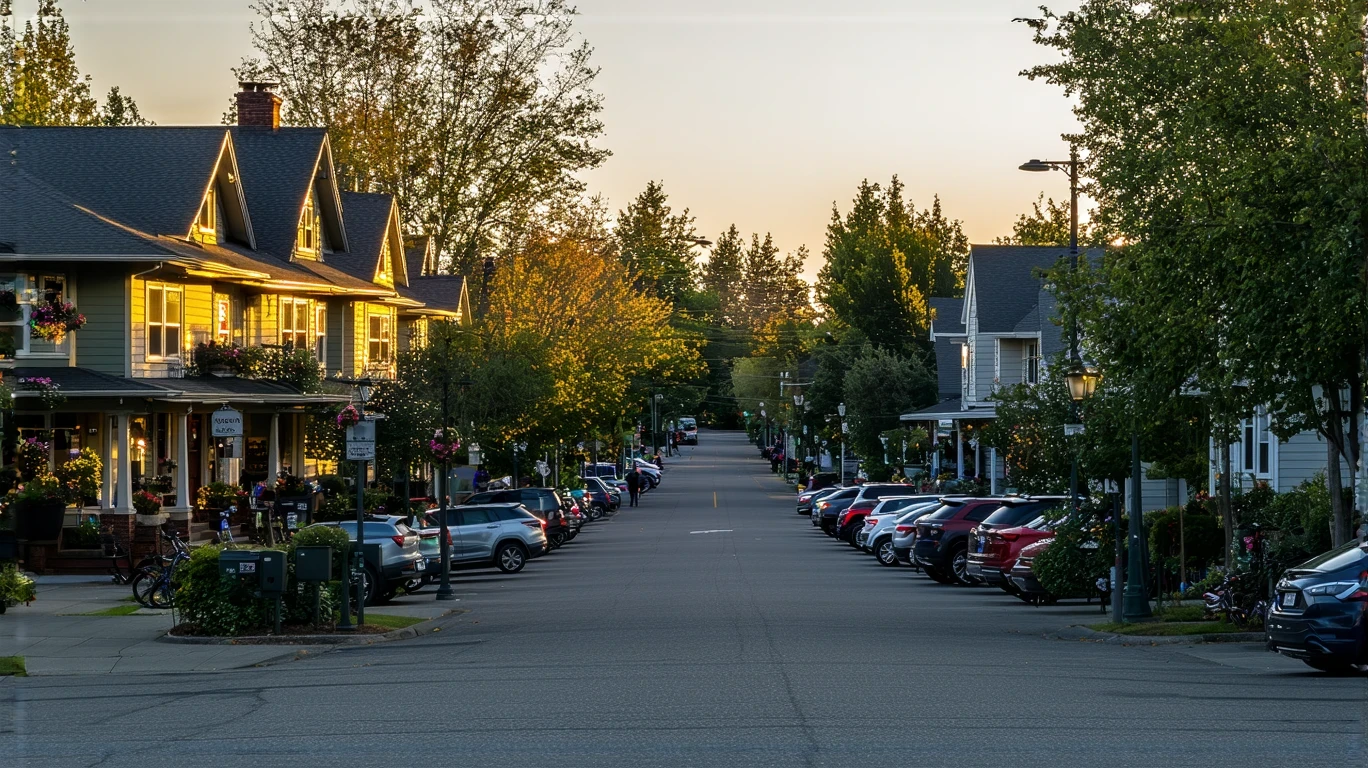
Washington State’s tax structure applies uniformly across both cities—no state income tax, but reliance on sales tax and property tax to fund local services. Sales tax rates in Redmond and Kent are similar, reflecting countywide and regional transit levies, so everyday purchases carry comparable tax burdens. Property taxes, however, introduce meaningful differences driven by assessed home values, levy rates, and local improvement districts.
Redmond’s higher home values translate to higher absolute property tax bills, even when levy rates are comparable. Homeowners in newer developments may also encounter special assessments or community facilities districts that fund infrastructure improvements, adding predictable but ongoing obligations. HOA fees are common in Redmond’s townhome and condo communities, often bundling services like landscaping, exterior maintenance, and shared amenities—these fees add predictability but reduce flexibility in how households manage upkeep costs.
Kent’s lower home values result in lower absolute property tax bills, which benefits long-term homeowners and families seeking to minimize ongoing obligations. However, older neighborhoods may face less predictable fee structures, with some areas requiring septic maintenance, private road upkeep, or stormwater management costs that aren’t bundled into HOA fees. Renters in both cities are indirectly affected by property taxes, as landlords pass those costs through in rent pricing, but Kent’s lower baseline values create slightly more room for rent stability over time.
Tax and fee takeaway: Redmond’s higher home values drive higher property tax bills and more frequent HOA fees, which add predictability but increase ongoing obligations. Kent’s lower home values reduce property tax exposure, but older infrastructure and less consistent fee structures introduce variability in maintenance and service costs. Homeowners planning to stay long-term should weigh ongoing obligations carefully; renters benefit more from Kent’s lower baseline property tax pressure.
Transportation and Commute Reality
Transportation costs and commute friction create some of the sharpest lifestyle differences between Redmond and Kent. Redmond’s location on the Eastside, with proximity to Microsoft, tech campuses, and regional transit infrastructure, rewards households that work locally or rely on transit. Commutes to Bellevue, Seattle, or other Eastside employment centers are shorter and more predictable, with options for bus rapid transit, park-and-ride access, and bike commuting in warmer months. Single adults and couples who can walk, bike, or take transit to work experience lower transportation costs and more schedule flexibility.
Kent’s location in South King County creates longer, more car-dependent commutes for households working in Seattle, Bellevue, or Eastside tech hubs. Transit options exist but require more time and transfers, making car ownership functionally necessary for most households. Families with two working adults often need two vehicles, which compounds costs through fuel, insurance, maintenance, and parking. Commute times stretch longer during peak hours, adding time costs that affect childcare logistics, evening routines, and overall schedule flexibility.
The trade-off becomes clear when comparing housing and transportation together. Redmond’s higher housing costs buy proximity and transit access, reducing transportation time and expense. Kent’s lower housing costs shift pressure onto commuting, requiring households to absorb longer drive times, higher fuel costs, and the need for reliable vehicles. Households with flexible or remote work arrangements feel this difference less acutely; those with fixed office schedules or long commutes to Eastside employment centers face steeper time and cost burdens in Kent.
Transportation takeaway: Redmond rewards proximity with shorter commutes, transit viability, and lower car dependency, which reduces transportation costs and time friction. Kent requires longer, car-dependent commutes that add fuel, maintenance, and time costs to daily routines. Households sensitive to commute time and schedule flexibility may find Redmond’s structure more manageable; those prioritizing housing space and willing to absorb longer commutes may accept Kent’s trade-offs.
Where Cost Pressure Concentrates
Housing pressure dominates the cost experience in both cities, but the nature of that pressure differs in ways that matter for decision-making. Redmond front-loads costs at the entry point—higher rents, higher home prices, higher HOA fees—but delivers predictability, proximity, and lower ongoing transportation and utility exposure. Kent reduces entry barriers and offers more housing space, but shifts pressure onto commuting, older home maintenance, and utility variability. Neither city is “cheaper overall”; each concentrates costs in different categories.
Utilities introduce more volatility in Kent due to older housing stock and larger home sizes, while Redmond’s newer construction smooths out seasonal swings and reduces baseline usage. Families in Kent’s older single-family homes face higher heating exposure and maintenance-driven surprises, while renters and smaller households in Redmond benefit from stable, predictable utility costs. Households planning to stay long-term in Kent can reduce this volatility through efficiency upgrades, but those improvements require upfront investment and time.
Transportation patterns matter more in Kent, where car dependency and longer commutes add time and expense to daily routines. Redmond’s proximity to Eastside employment and transit infrastructure reduces transportation costs and increases schedule flexibility, which compounds over time for households with fixed office schedules or childcare logistics. Families with two working adults in Kent often need two vehicles, which adds insurance, maintenance, and fuel costs that don’t appear in housing comparisons alone.
Daily living and grocery costs reflect differences in retail density and convenience access. Redmond’s walkable commercial corridors reduce friction for errands but increase exposure to convenience spending and higher per-item grocery costs. Kent’s dispersed retail rewards planning and bulk purchasing but adds time and transportation costs to shopping routines. Households sensitive to convenience and walkability may find Redmond’s structure easier to manage; those willing to plan larger, less frequent trips may prefer Kent’s access to discount and warehouse options.
The decision comes down to which costs dominate your household. Households sensitive to commute time, transit access, and predictability may find Redmond’s front-loaded housing costs easier to manage than Kent’s ongoing transportation and maintenance exposure. Households prioritizing space, entry flexibility, and lower upfront housing costs may accept Kent’s longer commutes and older home variability in exchange for more room and housing options.
How the Same Income Feels in Redmond vs Kent
Single Adult
In Redmond, housing becomes the non-negotiable cost, absorbing a larger share of income upfront but delivering walkability, transit access, and shorter commutes that reduce transportation and time costs. Flexibility exists in grocery spending, dining out, and convenience purchases, but those categories add up quickly due to dense commercial access. In Kent, housing costs less upfront, creating more breathing room in the budget, but car dependency and longer commutes shift pressure onto transportation, fuel, and vehicle maintenance. Flexibility shrinks when commute time limits evening routines or requires earlier wake-ups.
Dual-Income Couple
In Redmond, housing pressure remains high, but two incomes make proximity and transit access more manageable, especially if both partners work on the Eastside or can walk or bike to work. Flexibility exists in dining, entertainment, and convenience spending, though those categories require active management to avoid creep. In Kent, lower housing costs create more budget flexibility, but the need for two vehicles and longer commutes for both partners adds transportation and time costs that compound over the month. Flexibility exists in housing type and space, but daily logistics become more car-dependent and time-intensive.
Family with Kids
In Redmond, housing and childcare become the dominant non-negotiable costs, with limited flexibility in housing type or location due to competition for family-sized units near good schools. Shorter commutes and transit access reduce transportation costs and increase schedule flexibility for pickups, drop-offs, and evening activities. In Kent, housing costs less and offers more space—extra bedrooms, yards, storage—but longer commutes and car dependency add time and transportation costs that affect childcare logistics and evening routines. Flexibility exists in housing tradeoffs, but older home maintenance and utility variability introduce less predictable ongoing costs.
Decision Matrix: Which City Fits Which Household?
| Decision factor | If you’re sensitive to this… | Redmond tends to fit when… | Kent tends to fit when… |
|---|---|---|---|
| Housing entry + space needs | Upfront cost vs long-term space | You prioritize proximity, walkability, and newer construction over square footage | You need more space, yard access, and lower entry barriers even with older housing stock |
| Transportation dependence + commute friction | Time cost vs housing cost | You work on the Eastside, value transit access, or want to minimize car dependency | You’re willing to absorb longer commutes and car ownership to reduce housing pressure |
| Utility variability + home size exposure | Predictability vs baseline cost | You prefer stable, low utility costs with minimal seasonal surprises | You’re comfortable managing older home efficiency and seasonal heating exposure |
| Grocery strategy + convenience spending creep | Walkability vs bulk savings | You value walkable errands and smaller, frequent shopping trips despite higher per-item costs | You prefer planning larger trips, bulk purchasing, and discount access despite added drive time |
| Fees + friction costs (HOA, services, upkeep) | Predictability vs flexibility | You prefer bundled HOA services and predictable ongoing obligations | You want flexibility in managing upkeep and lower baseline property tax exposure |
| Time budget (schedule flexibility, errands, logistics) | Convenience vs cost savings | You prioritize shorter commutes, walkable errands, and schedule flexibility | You’re willing to spend more time on commuting and errands to reduce housing and entry costs |
Lifestyle Fit and Regional Context
Beyond cost structure, Redmond and Kent offer distinct lifestyle experiences that shape daily routines, recreation access, and long-term satisfaction. Redmond’s walkable downtown, proximity to tech campuses, and access to regional trails and parks create a more urban-suburban feel, with coffee shops, restaurants, and weekend activities within walking or short biking distance. Families benefit from well-regarded schools, newer parks, and community programming, though competition for spots in popular programs and schools can be intense. The city’s density and transit access make it easier to live car-light or car-free, especially for households with flexible work arrangements or Eastside employment.
Kent’s more dispersed layout and car-dependent infrastructure create a quieter, more residential feel, with larger yards, more space between neighbors, and easier access to big-box retail and warehouse shopping. Families gain room for outdoor play, storage, and hobbies that require space, though recreational amenities and dining options require more intentional trips. The city’s location offers access to South King County parks, regional trails, and proximity to SeaTac Airport, but daily life revolves more around driving and planning trips rather than spontaneous walkable errands.
Climate is nearly identical across both cities—mild, wet winters with occasional cold snaps, and dry, temperate summers with limited cooling demand—so weather-driven cost differences are minimal. The primary lifestyle trade-off comes down to density versus space: Redmond rewards households that value walkability, convenience, and proximity to Eastside employment, while Kent rewards those prioritizing yard space, larger homes, and lower entry costs even with longer commutes and car dependency.
Quick fact: Redmond’s downtown core and transit access make it one of the most walkable Eastside suburbs, with a growing network of bike lanes and pedestrian infrastructure.
Quick fact: Kent’s location near SeaTac Airport and I-5 offers convenient access to regional travel and South King County employment, though daily commutes to Seattle or Bellevue require more time and planning.
Common Questions About Redmond vs Kent in 2026
What’s the biggest cost difference between Redmond and Kent in 2026?
Housing entry costs create the sharpest difference, with Redmond requiring higher upfront investment for rent or home purchase but delivering proximity to Eastside employment, transit access, and newer construction. Kent reduces entry barriers and offers more space, but shifts pressure onto transportation, commute time, and older home maintenance. The “biggest” difference depends on which costs dominate your household—if commute time and transit access matter most, Redmond’s structure may feel more manageable; if space and entry flexibility matter most, Kent’s lower housing costs offer meaningful advantages.
Is Redmond or Kent better for families with kids in 2026?
Families prioritizing proximity to Eastside employment, shorter commutes, and walkable access to schools and parks may find Redmond’s structure more manageable despite higher housing costs. Families prioritizing yard space, extra bedrooms, and lower entry costs may prefer Kent’s larger housing stock and more affordable single-family options, even with longer commutes and car dependency. Both cities offer access to regional schools and parks, but daily logistics—childcare drop-offs, evening activities, weekend errands—feel more time-intensive in Kent due to car dependency and longer distances.
How do commute costs compare between Redmond and Kent in 2026?
Redmond’s proximity to Eastside tech campuses and transit infrastructure reduces commute time and transportation costs for households working locally or willing to use transit. Kent’s location in South King County requires longer, car-dependent commutes for households working in Seattle, Bellevue, or Eastside employment centers, which adds fuel, maintenance, and time costs. Families with two working adults in Kent often need two vehicles, compounding transportation costs through insurance, maintenance, and parking. The commute difference becomes most meaningful for households with fixed office schedules or long drives to Eastside employment.
Does living in Kent vs Redmond affect grocery and daily expenses in 2026?
Grocery and daily expenses reflect differences in retail density and shopping habits rather than price differences alone. Redmond’s walkable commercial corridors reduce friction for errands but increase exposure to convenience spending and higher per-item grocery costs. Kent’s dispersed retail rewards planning and bulk purchasing at discount stores and warehouse clubs, but adds time and transportation costs to shopping routines. Households sensitive to convenience and walkable errands may find Redmond’s structure easier to manage; those willing to plan larger, less frequent trips may prefer Kent’s access to bulk savings.
Which city offers better long-term cost predictability, Redmond or Kent, in 2026?
Redmond’s newer housing stock, bundled HOA services, and stable utility costs offer more predictability in ongoing expenses, though higher entry costs and property taxes create steeper upfront obligations. Kent’s older housing stock and lower entry costs reduce upfront pressure but introduce more variability in maintenance, utility exposure, and home upkeep over time. Households prioritizing predictability and lower ongoing volatility may find Redmond’s structure more manageable; those willing to manage older home maintenance and invest in efficiency improvements may accept Kent’s variability in exchange for lower entry costs and more space.
Conclusion
The Martinez family ultimately chose Kent, prioritizing space for their growing kids and accepting the longer commute in exchange for a yard, extra bedrooms, and lower upfront housing costs. But their decision wasn’t about finding the “cheaper” city—it was about understanding where cost pressure would show up and which trade-offs aligned with their priorities. Redmond would have delivered shorter commutes, walkable errands, and more predictable ongoing costs, but the housing entry barrier and limited space options didn’t fit their needs in 2026.
Choosing between Redmond and Kent comes down to which costs dominate your household and which trade-offs you’re willing to manage. Redmond front-loads costs in housing but rewards proximity, transit access, and predictability in utilities and maintenance. Kent reduces entry barriers and offers more space, but shifts pressure onto commuting, car dependency, and older home upkeep. Neither city is universally “better”—each fits different households depending on where financial and lifestyle priorities concentrate. If you’re still weighing your options, consider moving logistics early to avoid last-minute friction, and focus on which cost structure aligns with how your household earns, spends, and moves through daily life.